أسعار RAM تشتعل بسبب الذكاء الاصطناعى.. لماذا ارتفعت ومتى تتراجع؟
17 أغسطس 2026·اليوم السابع
أسعار RAM تشتعل بسبب الذكاء الاصطناعى.. لماذا ارتفعت ومتى تتراجع؟

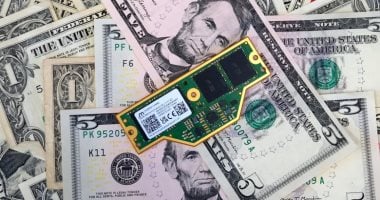
شهدت أسعار ذاكرة الوصول العشوائي RAM قفزة كبيرة خلال الأشهر الـ18 الماضية، في أزمة غير معتادة لقطاع اعتاد لسنوات طويلة انخفاض أسعار الذاكرة بصورة تدريجية، وبحسب التقرير، من المتوقع أن تستمر الضغوط على سوق الذاكرة خلال ما تبقى من عام 2026، وسط زيادة هائلة في الطلب من شركات الذكاء الاصطناعي ومراكز البيانات، ما أدى إلى ارتفاع تكلفة RAM في أجهزة الكمبيوتر والهواتف والأجهزة اللوحية.

ما هي RAM ولماذا تعتبر مهمة؟

ذاكرة RAM هي المكون الذي يحتفظ بالبيانات والتعليمات التي يحتاج إليها المعالج بسرعة أثناء تشغيل البرامج، فعندما يحتاج المعالج إلى بيانات معينة، تقوم RAM بسحبها من وحدة التخزين والاحتفاظ بها بشكل مؤقت حتى يتمكن المعالج من الوصول إليها بسرعة أكبر. وكلما زادت سعة RAM، زادت كمية البيانات التي يمكن للجهاز الاحتفاظ بها جاهزة للاستخدام، ولهذا، كان إضافة المزيد من RAM في كثير من الحالات وسيلة أكثر فاعلية لتحسين أداء الكمبيوتر من الاعتماد فقط على معالج أسرع.

3 شركات تسيطر على معظم سوق RAM

تنتج الغالبية العظمى من رقائق RAM العالمية ثلاث شركات رئيسية هي Samsung وSK Hynix وMicron، وتمتلك هذه الشركات مصانع ضخمة تتطلب استثمارات هائلة وتقنيات تصنيع دقيقة للغاية، وتوجد أنواع مختلفة من الذاكرة، لكن الأكثر استخدامًا في الأجهزة الاستهلاكية هو DRAM، ومنها ذاكرة DDR المستخدمة في أجهزة الكمبيوتر وLPDDR المستخدمة على نطاق واسع في الهواتف والأجهزة المحمولة، لكن هناك نوعًا آخر أصبح أكثر أهمية مع صعود الذكاء الاصطناعي، وهو HBM أو High Bandwidth Memory، الذي يتميز بسرعات ونطاق ترددي أكبر ويستخدم بكثرة في مراكز البيانات وتدريب نماذج الذكاء الاصطناعي.

الذكاء الاصطناعي يسحب الذاكرة من السوق

رغم أن DRAM وHBM نوعان مختلفان من الذاكرة، فإنهما يعتمدان على موارد التصنيع نفسها، بما في ذلك رقائق السيليكون، وتحتاج HBM إلى موارد تصنيع أكبر بكثير؛ إذ قال الرئيس التنفيذي لشركة Micron، سانجاي ميهروترا، في 2024 إن إنتاج وحدة واحدة من HBM يستهلك نحو 3 أضعاف إمدادات رقائق السيليكون اللازمة لإنتاج ذاكرة DDR5 موجهة للمستهلكين، وهذا يعني أن زيادة إنتاج HBM لمراكز بيانات الذكاء الاصطناعي تأتي على حساب جزء من الطاقة الإنتاجية التي كان يمكن توجيهها إلى ذاكرة DRAM التقليدية المستخدمة في أجهزة المستخدمين.

أسعار DDR5 قفزت بأكثر من 4 أضعاف

تكشف بيانات PCPartPicker حجم الارتفاع في أسعار الذاكرة خلال آخر 18 شهرًا، فقد ارتفع سعر حزمة مكونة من شريحتي DDR5-4800 بسعة 16 جيجابايت لكل منهما من أقل من 100 دولار في بداية 2025 إلى أكثر من 400 دولار حاليًا، كما ارتفع سعر ذاكرة DDR5-6000 بسعة 32 جيجابايت من أقل من 250 دولارًا إلى أكثر من 1200 دولار، وهو سعر يقترب من تكلفة جهاز MacBook Air كامل.

لماذا وصلت الأسعار إلى هذا المستوى؟

الإجابة القصيرة وفق التقرير هي: الذكاء الاصطناعي، أما السبب الأوسع، فهو أن شركات الذكاء الاصطناعي، المدعومة باستثمارات ضخمة، بدأت في حجز كميات هائلة من القدرات الإنتاجية لمكونات مراكز البيانات، بما في ذلك الذاكرة، ولسنوات طويلة، كان سوق RAM يتسم بدرجة كبيرة من القدرة على التنبؤ بالطلب، لكن طفرة الذكاء الاصطناعي غيرت هذه المعادلة بسرعة، مع سباق شركات التكنولوجيا لبناء مراكز بيانات ضخمة وتوسيع قدرات الحوسبة.

مراكز بيانات الذكاء الاصطناعي تستهلك كميات ضخمة من الذاكرة

يقدم التقرير مثالًا على حجم الاستهلاك من خلال مركز Colossus التابع لشركة xAI في مدينة ممفيس الأمريكية، وبحسب البيانات الواردة، يضم المركز نحو 555 ألف وحدة معالجة رسومية من NVIDIA بقيمة تقارب 18 مليار دولار، وتشمل هذه المنظومة نحو 520 ألف وحدة Grace Blackwell 200 بذاكرة تصل إلى 192 جيجابايت لكل وحدة، و30 ألف وحدة Grace Blackwell 300 بذاكرة تصل إلى 288 جيجابايت، إضافة إلى 30 ألف وحدة H100/H200.
ويقدر التقرير أن هذا المركز وحده قد يعتمد على ما يصل إلى 112 مليون جيجابايت من الذاكرة، وهي كمية تعادل تقريبًا الذاكرة الموجودة في أكثر من 14 مليون هاتف iPhone 17 أو أكثر من 9.3 مليون هاتف Galaxy S26، مع التأكيد على أن الذاكرة المستخدمة في مراكز البيانات ليست هي نفسها الذاكرة الموجودة داخل الهواتف، وإنما تعتمد على موارد تصنيع مشتركة.

الأزمة قد تمتد لسنوات

لا تبدو المشكلة قصيرة الأجل، وبحسب التقرير، تتوقع قيادات شركات تصنيع الذاكرة استمرار الضغط على المعروض خلال السنوات المقبلة، وقال الرئيس التنفيذي لـSK Hynix إن الأوضاع قد تصبح أكثر صعوبة في 2027، بينما توقع الرئيس التنفيذي لـMicron استمرار ظروف نقص المعروض أو ضيق الإمدادات إلى ما بعد عام 2027، كما تشير توقعات نقلها التقرير عن Deloitte إلى أن السوق قد لا يشهد انفراجة حقيقية قبل 2030 على أقرب تقدير.

لماذا لا تصنع Samsung وMicron وSK Hynix المزيد من RAM؟

قد يبدو الحل بسيطًا: زيادة الإنتاج، لكن بناء مصنع جديد للذاكرة ليس عملية سريعة، فإنشاء منشأة جديدة يحتاج إلى مليارات الدولارات وسنوات من التطوير، إضافة إلى معدات تصنيع شديدة الدقة وبيئات إنتاج فائقة النظافة، يشير التقرير إلى أن مصنع Micron في بويزي بولاية أيداهو يضم غرفة نظيفة من الفئة الأولى لا يسمح فيها إلا بكمية ضئيلة جدًا من الغبار، وتخطط SK Hynix لبناء مصنعين جديدين للذاكرة في كوريا الجنوبية بتكلفة إجمالية تبلغ 38.1 مليار دولار، على أن يبدأ الإنتاج، وفق الخطط الحالية، في يونيو 2029 على أقرب تقدير.

لماذا تفضل الشركات إنتاج HBM؟

هناك عامل اقتصادي يزيد صعوبة الأزمة، فذاكرة HBM أكثر ربحية من DRAM التقليدية، بينما تستعد شركات الذكاء الاصطناعي ومراكز البيانات الكبرى لدفع أسعار مرتفعة للحصول على الإمدادات المتاحة، ولهذا، اتجهت الشركات المصنعة إلى إعطاء أولوية أكبر للذاكرة المخصصة لأحمال الذكاء الاصطناعي، وفي نهاية 2025، قررت Micron الخروج من نشاط Crucial الموجه للمستهلكين، مبررة القرار بالرغبة في تحسين الإمدادات والدعم لعملائها الاستراتيجيين في القطاعات الأسرع نموًا.

شركات الذاكرة تحقق أرباحًا ضخمة

وتوضح النتائج المالية مدى استفادة الشركات المصنعة من طفرة الطلب، فقد سجلت Micron إيرادات فصلية بلغت نحو 28.86 مليار دولار وهامش ربح إجمالي بلغ 84.9% في يونيو، كما أعلنت SK Hynix في يوليو إيرادات قياسية، مع ارتفاع أرباحها التشغيلية بنسبة 557% على أساس سنوي، وسجل قطاع الذاكرة في Samsung أيضًا مستويات قياسية من الإيرادات والأرباح.

متى تنخفض أسعار RAM؟

لا يوجد موعد مؤكد حتى الآن، ويرى التقرير أن الأسعار قد تتراجع بشكل حاد إذا تباطأ سباق الذكاء الاصطناعي أو انفجرت فقاعة الاستثمار في هذا القطاع قبل الموعد المتوقع، لكن إذا استمر الطلب الحالي، فقد تظل السوق في حالة شح لسنوات، وتشير التوقعات الحالية إلى أن عودة الأسعار إلى مستويات طبيعية قد لا تحدث قبل 2029 أو 2030، وربما تستمر الضغوط بعد ذلك بحسب سرعة نمو الطلب على مراكز بيانات الذكاء الاصطناعي.


RAMAIprices
الخبر متوفّر باللغات التالية:English
المصدر الأصلي للخبر
اليوم السابع

RAM prices are on fire because of artificial intelligence. Why have they risen and when will they decline?

August 17, 2026·Youm7
RAM prices are on fire because of artificial intelligence. Why have they risen and when will they decline?

The prices of Random Access Memory (RAM) have seen a significant jump in the past 18 months, in an unusual crisis for an industry that has long been accustomed to gradually declining memory prices. According to the report, pressure on the memory market is expected to continue for the remainder of 2026, amid a massive increase in demand from artificial intelligence companies and data centers, leading to higher costs for RAM in computers, phones, and tablets.

What is RAM and why is it important?

RAM is the component that stores the data and instructions that the processor needs quickly while running programs. When the processor requires specific data, RAM retrieves it from storage and temporarily holds it so the processor can access it more rapidly. The more RAM a device has, the more data it can keep ready for use. Therefore, adding more RAM is often a more effective way to improve computer performance than relying solely on a faster processor.

3 companies control most of the RAM market

The vast majority of global RAM chips are produced by three major companies: Samsung, SK Hynix, and Micron. These companies own massive factories that require enormous investments and highly sophisticated manufacturing technologies. There are different types of memory, but the most commonly used in consumer devices is DRAM, including DDR memory used in computers and LPDDR widely used in phones and mobile devices. However, there's another type that has become more important with the rise of artificial intelligence: HBM or High Bandwidth Memory, which boasts higher speeds and bandwidth and is frequently utilized in data centers and AI model training.

Artificial Intelligence pulls memory from the market

Although DRAM and HBM are different types of memory, they rely on the same manufacturing resources, including silicon wafers. HBM requires significantly more manufacturing resources; in 2024, Micron CEO Sanjay Mehrotra said that producing one unit of HBM consumes about three times the supply of silicon chips needed to produce DDR5 memory aimed at consumers. This means that increasing HBM production for artificial intelligence data centers comes at the expense of part of the productive capacity that could have been directed towards traditional DRAM memory used in user devices.

DDR5 Prices Have Skyrocketed by Over 400%

Data from PCPartPicker reveals the magnitude of the rise in memory prices over the past 18 months. The price of a package containing two DDR5-4800 modules, each with a capacity of 16GB, has increased from less than $100 at the beginning of 2023 to more than $400 today. Similarly, the price of a 32GB DDR5-6000 module has risen from under $250 to over $1,200—a price that is close to the cost of an entire MacBook Air.

Why Have Prices Reached This Level?

The short answer, according to the report, is artificial intelligence. The broader reason is that AI companies, backed by massive investments, have started booking huge amounts of production capacity for data center components, including memory. For many years, the RAM market was characterized by a high degree of predictability in demand. However, the AI boom has quickly changed this equation as technology companies race to build large data centers and expand computing capabilities.

AI Data Centers Consume Massive Amounts of Memory

The report provides an example of the scale of consumption through xAI’s Colossus data center in Memphis, USA. According to the data provided, the center houses around 555,000 NVIDIA graphics processing units worth approximately $18 billion. This system includes around 520,000 Grace Blackwell 200 units with memory up to 192 gigabytes per unit and 30,000 Grace Blackwell 300 units with memory up to 288 gigabytes, in addition to 30,000 H100/H200 units. The report estimates that this center alone may rely on as much as 112 million gigabytes of memory—an amount equivalent to the memory found in more than 14 million iPhone 17s or over 9.3 million Galaxy S26 phones. It emphasizes that the memory used in data centers is not the same as the memory inside phones; rather, it relies on shared manufacturing resources.

The Crisis Could Last for Years

The problem does not appear to be short-term. According to the report, leaders at memory manufacturers expect continued pressure on supply in the coming years. The CEO of SK Hynix said that conditions could become more difficult by 2027, while the CEO of Micron predicted that conditions of supply shortages or tight supplies would continue beyond 2027. The report also cites Deloitte’s projections that the market may not see a real breakthrough until 2030 at the earliest.

Why don't Samsung, Micron, and SK Hynix make more RAM?

The solution might seem simple: increase production. However, building a new memory factory is not a quick process. Creating a new facility requires billions of dollars and years of development. In addition to highly precise manufacturing equipment and ultra-clean production environments, the report indicates that Micron’s Boise, Idaho plant includes a Class 1 cleanroom where only an extremely small amount of dust is permitted. SK Hynix plans to build two new memory factories in South Korea at a total cost of $38.1 billion, with production scheduled to begin, according to current plans, no earlier than June 2029.

Why do companies prefer HBM production?

An economic factor exacerbates the crisis: HBM memory is more profitable than traditional DRAM. As artificial intelligence companies and major data centers prepare to pay high prices for available supplies, manufacturers are prioritizing memory dedicated to AI workloads. At the end of 2025, Micron decided to exit its Crucial consumer business, citing a desire to improve supply and support for its strategic customers in the fastest-growing sectors.

Memory companies reap huge profits

The financial results show how manufacturers are benefiting from the surge in demand. Micron recorded quarterly revenues of around $28.86 billion and a gross profit margin of 84.9% in June, while SK Hynix announced record revenues in July with an increase in operating profits by 557% year-on-year. Samsung's memory sector also recorded record levels of revenue and profits.

When will RAM prices drop?

There is no definite date yet. The report suggests that prices could fall sharply if the artificial intelligence race slows down or if the investment bubble in this sector bursts before the expected time. However, if current demand continues, the market may remain tight for years. Current forecasts indicate that a return to normal price levels may not occur until 2029 or 2030, and pressures could continue after that depending on the speed of growth in demand for artificial intelligence data centers.


RAMAIprices
This article is also available in:العربية
Original source article
Youm7