أفضل وأسوأ MacBook في تاريخ Apple.. أجهزة صنعت المجد وأخرى كانت كابوسًا
16 أغسطس 2026·اليوم السابع
أفضل وأسوأ MacBook في تاريخ Apple.. أجهزة صنعت المجد وأخرى كانت كابوسًا

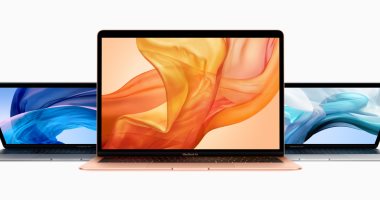
تعد أجهزة MacBook من أشهر خطوط إنتاج شركة أبل ، وقد مرت منذ ظهورها بعدد كبير من التحولات، من الاعتماد على معالجات Intel إلى الانتقال إلى شرائح Apple Silicon، إلى جانب تجارب تصميمية نجحت وأخرى أثارت انتقادات واسعة من المستخدمين، ومنذ الكشف عن أول MacBook في عام 2006، قدمت Apple أجهزة حققت نجاحًا كبيرًا، وأخرى عانت من مشكلات في التصميم أو الأداء دفعت الشركة إلى التراجع عن بعض قراراتها لاحقًا. وفيما يلي أبرز الأجهزة التي صنفها التقرير ضمن أفضل وأسوأ أجهزة MacBook على الإطلاق.

الأفضل.. MacBook Air الأصلي 2008

في 15 يناير 2008، كشفت Apple عن أول MacBook Air في عرض شهير خلال مؤتمر Macworld، عندما أخرج ستيف جوبز الجهاز من ظرف ورقي لإبراز نحافته الشديدة، بلغ سمك الجهاز عند أنحف نقطة نحو 0.16 بوصة، بينما بلغ وزنه قرابة 3 أرطال، في تصميم اعتبر وقتها إنجازًا هندسيًا لافتًا، وعمل الجهاز بمعالج Intel Core 2 Duo منخفض استهلاك الطاقة بسرعة 1.6 جيجاهرتز، مع ذاكرة 2 جيجابايت، وبدأت سعة التخزين من 80 جيجابايت باستخدام قرص صلب تقليدي.
وكان الجهاز متاحًا أيضًا مع خيار تخزين SSD بسعة 64 جيجابايت مقابل تكلفة إضافية كبيرة، في واحدة من المرات المبكرة التي استخدمت فيها Apple هذا النوع من التخزين في أجهزة Mac، ورغم سعره المرتفع الذي بدأ من 1799 دولارًا، فإن تأثير MacBook Air تجاوز مبيعاته، إذ ساهم في دفع شركات الكمبيوتر الأخرى إلى إعطاء أولوية أكبر للأجهزة النحيفة والخفيفة، وهو ما ساعد لاحقًا على انتشار فئة أجهزة Ultrabook.

الأسوأ.. MacBook الأبيض الذي عانى من التشققات 2006-2009

أطلقت Apple جهاز MacBook في مايو 2006 بهيكل من البلاستيك متعدد الكربونات بدلًا من الألومنيوم المستخدم في الأجهزة الأعلى سعرًا، ما ساعد الشركة على تقديمه بسعر يبدأ من 1099 دولارًا وجعله جهازًا ناجحًا للغاية من حيث المبيعات، لكن الجهاز واجه عيبين بارزين.
الأول كان مشكلة في اللون، إذ أقرت Apple في نشرة خدمة داخلية عام 2006 بأن بعض الأجهزة البيضاء بدأت تتحول إلى لون مائل للبرتقالي بعد فترة قصيرة من الاستخدام، ووافقت على استبدال الأجزاء المتضررة في الحالات التي تنطبق عليها شروط الضمان، أما المشكلة الثانية فكانت أكثر إزعاجًا، حيث أبلغ مستخدمون عن تشقق الغطاء البلاستيكي في مناطق مختلفة من الجهاز، خصوصًا حول لوحة التتبع، وبحسب التقرير، ظهرت بعض التشققات مجددًا حتى بعد إصلاح الجهاز، ما دفع Apple لاحقًا إلى توجيه مراكز الصيانة لمعالجة التشققات في الأجهزة البيضاء حتى في بعض الحالات التي انتهت فيها فترة الضمان.

الأفضل.. MacBook Pro بمعالج Intel عام 2006

قدمت Apple أول MacBook Pro في يناير 2006، مع الاحتفاظ بالكثير من تصميم PowerBook، لكنها أضافت عددًا من التقنيات الجديدة، بينها منفذ MagSafe للتيار وكاميرا iSight مدمجة، لكن أبرز ما ميز الجهاز كان الأداء، إذ استخدمت Apple معالج Intel Core Duo، وكان أول جهاز MacBook يعتمد معالجات Intel، ووفق التقرير، قدم الجهاز قفزة كبيرة في الأداء مقارنة بجهاز PowerBook G4 السابق، رغم أن الوحدات الأولى واجهت بعض المشكلات، من بينها أصوات طنين، ومشكلات في اتصال AirPort وارتفاع الحرارة، لكن هذا لم يمنع أجهزة Mac القائمة على معالجات Intel من أن تصبح المعيار الأساسي لخط MacBook حتى انتقال Apple إلى معالجاتها الخاصة في عام 2020.

الأفضل.. MacBook Neo 2026

جاء MacBook Neo في مارس 2026 باعتباره تجربة مختلفة من Apple في سوق الأجهزة الأقل سعرًا، وكشفت الشركة عن جهاز بسعر يبدأ من 599 دولارًا، مع هيكل من الألومنيوم ومعالج A18 Pro، وهو المعالج المستخدم في هواتف iPhone، مع توفر الجهاز بأربعة ألوان، لكن Apple اتخذت بعض قرارات خفض التكلفة، أبرزها التخلي عن لوحة المفاتيح ذات الإضاءة الخلفية، وهو أمر غير معتاد في أجهزة Mac المحمولة الحديثة، ورغم ذلك، أظهرت المراجعات أن الجهاز قادر على التعامل مع الاستخدامات اليومية وحتى تشغيل الألعاب الحديثة، بينما لاقى توجه Apple نحو تقديم MacBook منخفض السعر استقبالًا إيجابيًا، ونقل التقرير عن تيم كوك وصفه أسبوع الإطلاق بأنه أفضل أسبوع إطلاق على الإطلاق للعملاء الذين يشترون Mac لأول مرة.

الأسوأ.. MacBook Pro الذي اعتمد على USB-C فقط 2016

كان جهاز MacBook Pro 2016 من أكثر إصدارات Apple إثارة للجدل، رغم تصميمه النحيف ومظهره الحديث، وكانت أبرز تجاربه المثيرة للانتقاد هي Touch Bar، التي استبدلت مفاتيح الوظائف التقليدية بشريط OLED تفاعلي، ورغم أن Touch Bar أضاف مظهرًا عصريًا وبعض الوظائف الجديدة، فإن المستخدمين ظلوا يفضلون الملمس التقليدي للمفاتيح، قبل أن تتخلى Apple عن Touch Bar وتزيلها من MacBook Pro في عام 2023.
كما واجه الجهاز أيضًا مشكلة عرفت باسم FlexGate، بسبب تصميم كابل الشاشة الذي كان يتعرض لإجهاد متكرر مع فتح وغلق الغطاء، ومع مرور الوقت، كان ذلك قد يؤدي إلى عدم تجانس الإضاءة الخلفية، وفي بعض الحالات إلى توقف الشاشة بالكامل، ولجأت Apple كذلك إلى تقليص عدد المنافذ بصورة كبيرة، حيث استبدلت مجموعة المنافذ الموجودة في إصدار 2015، مثل MagSafe وUSB-A وHDMI وفتحة بطاقة SD، بمجموعة من منافذ USB-C فقط، وبالتالي، كان المستخدم يحتاج في كثير من الحالات إلى استخدام محولات إضافية لتوصيل الأجهزة الطرفية، وهو ما زاد التكلفة والإزعاج بالنسبة إلى بعض المستخدمين.

الأفضل.. MacBook Air بمعالج M1 2020

كان MacBook Air بمعالج M1 نقطة تحول مهمة في تاريخ أجهزة Apple المحمولة، وعندما ظهر عام 2020، حقق الجهاز نتائج أداء قوية مقارنة بأجهزة Mac التي كانت تعتمد على معالجات Intel، حتى إنه تفوق في بعض الاختبارات على أجهزة أقوى من الجيل السابق، لكن المفاجأة الحقيقية كانت أن الجهاز جاء من دون مروحة تبريد، ومع ذلك حافظ على أداء قوي مع تشغيل صامت تمامًا، وواصل M1 MacBook Air الاحتفاظ بمستوى جيد من الأداء حتى بعد إطلاق أجيال جديدة من شرائح Apple Silicon، وهو ما جعل الجهاز يظل خيارًا جذابًا حتى في سوق الأجهزة المستعملة بعد سنوات من إطلاقه.

الأسوأ.. MacBook مقاس 12 بوصة 2015

كان MacBook مقاس 12 بوصة هو محاولة Apple الوصول إلى أقصى درجات النحافة والخفة، وبلغ وزن الجهاز نحو 2.02 رطل، وسمكه نحو 0.52 بوصة، لكنه جاء بمنفذ USB-C واحد فقط يتولى الشحن ونقل البيانات وإخراج الفيديو، وكان هذا يعني أن المستخدم يفقد المنفذ الوحيد عند الحاجة إلى شحن الجهاز، ما جعل توصيل ملحقات أخرى أثناء الشحن أمرًا صعبًا للغاية، كما استخدم الجهاز معالج Intel Core M من دون مروحة، وهو ما وفر تشغيلًا صامتًا، لكنه جاء على حساب الأداء، فبينما كان الجهاز قادرًا على تنفيذ المهام اليومية، فإنه واجه صعوبة مع الألعاب والمهام الثقيلة، كما لم يكن هناك مجال حقيقي للترقية الداخلية بعد شراء الجهاز.
لكن الإرث الأهم لهذا الإصدار كان تقديم لوحة مفاتيح Butterfly Keyboard، وهي التقنية التي أصبحت لاحقًا مصدرًا لمشكلات واسعة في أجهزة MacBook Pro وانتهت بقضية جماعية وتعويضات للمستخدمين، وتوقفت Apple عن إنتاج MacBook مقاس 12 بوصة في عام 2019 من دون تقديم بديل مباشر له.

الأفضل.. MacBook Pro بمعالج M1 Pro وM1 Max 2021

قدمت Apple في عام 2021 أجهزة MacBook Pro بمعالجات M1 Pro وM1 Max، لتعيد تعريف مستوى الأداء في أجهزة Mac المحمولة، وحققت هذه الشرائح قفزة كبيرة في أداء الرسوميات، إذ سجل M1 Pro أداءً يقارب ضعف شريحة M1 الأساسية، بينما تفوق M1 Max عليها بأكثر من ثلاثة أضعاف وفق الأرقام الواردة في التقرير، كما حصلت الأجهزة على شاشات ProMotion بمعدل تحديث متكيف يصل إلى 120 هرتز، بدلًا من الحد التقليدي البالغ 60 هرتز في الأجيال السابقة.
وفي الوقت نفسه، تراجعت Apple عن بعض قرارات تصميم 2016؛ فعادت مفاتيح الوظائف التقليدية واختفى Touch Bar، كما عادت مجموعة من المنافذ التي افتقدتها الإصدارات السابقة، ومنها HDMI وSDXC وMagSafe، إلى جانب ثلاثة منافذ Thunderbolt.


MacBookApplehistory
الخبر متوفّر باللغات التالية:English
المصدر الأصلي للخبر
اليوم السابع

The Best and Worst MacBooks in Apple History: Devices That Made Glory and Others a Nightmares

August 16, 2026·Youm7
The Best and Worst MacBooks in Apple History: Devices That Made Glory and Others a Nightmares

Apple’s MacBook is one of the most famous lines of production, and since its inception it has undergone a large number of transformations, from relying on Intel processors to switching to Apple Silicon chips. It also went through design experiences that were successful and others that received widespread criticism from users. Since the first MacBook was unveiled in 2006, Apple has released devices that have achieved great success, while others suffered from design or performance problems that forced the company to reverse some of its decisions later on. Below are the most prominent devices that the report classified as the best and worst MacBooks ever.

The Best: The Original 2008 MacBook Air

On January 15, 2008, Apple unveiled the first MacBook Air in a famous presentation at Macworld. Steve Jobs took out the device from a paper envelope to highlight its extreme thinness. At its thinnest point, the device was about 0.16 inches thick and weighed around three pounds. The design was considered an impressive engineering achievement at the time. It was powered by a low-power Intel Core 2 Duo processor running at 1.6 GHz, with 2GB of RAM, and storage capacity started from 80GB using a traditional hard disk drive.
The device was also available with an optional 64GB SSD for a significant additional cost, one of the earliest times Apple used this type of storage in Mac devices. Despite its high price starting at $1799, the impact of MacBook Air went beyond sales. It helped push other computer companies to prioritize slimmer and lighter designs, which later contributed to the spread of the Ultrabook category.

The worst: The white MacBook that suffered from cracks 2006-2009

Apple launched the MacBook in May 2006 with a carbon multi-layer plastic body instead of aluminum, which was used in more expensive devices. This helped the company to offer it at a starting price of $1099 and make it an extremely successful sales device. However, the device faced two major flaws.
The first was a color problem. Apple acknowledged in an internal service bulletin in 2006 that some white devices started turning slightly orange after a short period of use, and agreed to replace affected parts where warranty conditions applied. The second issue was more disturbing, as users reported cracks in the plastic cover in different areas of the device, especially around the trackpad. According to the report, some cracks appeared even after repairing the device, which later prompted Apple to direct maintenance centers to address cracks in white devices even in cases where the warranty period had expired.

The best... the MacBook Pro with an Intel processor in 2006

Apple launched its first MacBook Pro in January 2006, maintaining much of the PowerBook design but adding a number of new technologies, including the MagSafe power port and an integrated iSight camera. But what made the device stand out was its performance, as Apple used Intel Core Duo processors, making it the first MacBook to rely on Intel processors. According to the report, the device took a big leap in performance compared to the previous PowerBook G4, although the early units had some issues, including humming noises, AirPort connection problems and high temperatures. But this did not stop Mac devices based on Intel processors from becoming the primary standard for the MacBook line until Apple switched to its own processors in 2020.

The Best... MacBook Neo 2026

MacBook Neo came in March 2026 as Apple’s different experience in the low-cost device market, with the company revealing a device that starts at $599, with an aluminum frame and an A18 Pro processor, which is the processor used in iPhone phones. The device is available in four colors, but Apple made some cost-cutting decisions, most notably abandoning the backlit keyboard, which is unusual for modern Mac portable devices. Despite this, reviews showed that the device can handle daily use and even run modern games. While Apple’s move to offer a low-cost MacBook was positively received, the report quoted Tim Cook as describing the launch week as the best launch week ever for customers buying a Mac for the first time.

The worst: The MacBook Pro that relied solely on USB-C (2016)

The 2016 MacBook Pro was one of the most controversial releases from Apple, despite its sleek design and modern appearance. One of the most criticized aspects was the Touch Bar, which replaced traditional function keys with an interactive OLED strip. While the Touch Bar added a modern look and some new features, users still preferred the tactile feel of traditional keys. Apple eventually abandoned the Touch Bar and removed it from the MacBook Pro in 2023.

The device also faced a problem known as FlexGate due to the design of the screen cable, which was subjected to repeated stress with the opening and closing of the lid. Over time, this could lead to inconsistencies in backlighting, and in some cases, complete screen failure. Apple also significantly reduced the number of ports, replacing the set of ports available in the 2015 model, such as MagSafe, USB-A, HDMI, and SD card slot, with a set of USB-C ports only. As a result, users often needed to use additional adapters to connect peripherals, which increased costs and inconvenience for some users.

The Best: MacBook Air with M1 2020 Processor

The MacBook Air with the M1 processor was a significant turning point in Apple’s portable device history. When it appeared in 2020, the device achieved strong performance results compared to Mac devices that relied on Intel processors; in some tests, it even outperformed previous-generation devices more powerful than itself. The real surprise was that the device came without a cooling fan yet maintained strong performance with completely silent operation. The M1 MacBook Air continued to maintain good performance levels even after the launch of new generations of Apple Silicon chips, making the device an attractive option even in the used equipment market years after its release.

The worst... 2015's 12-inch MacBook

The 12-inch MacBook was Apple’s attempt to reach the highest degree of thinness and lightness, with a weight of about 2.02 pounds and a thickness of about 0.52 inches. However, it only had one USB-C port that handled charging, data transfer, and video output, which meant that users lost the only port when they needed to charge the device, making it very difficult to connect other peripherals while charging. The device used an Intel Core M fanless processor, which provided silent operation but came at the expense of performance. While the device was able to handle daily tasks, it struggled with games and heavy tasks. There was also no real room for internal upgrades after purchasing the device.

However, the most important legacy of this version was the introduction of the Butterfly Keyboard, a technology that later became a source of widespread problems in MacBook Pro devices and ended up in a class-action lawsuit and compensation for users. Apple stopped producing 12-inch MacBooks in 2019 without offering a direct alternative.

The best.. MacBook Pro with M1 Pro and M1 Max 2021

In 2021, Apple launched the MacBook Pro with M1 Pro and M1 Max processors, redefining performance levels in Mac portable devices. These chips achieved a significant leap in graphics performance; M1 Pro recorded a performance nearly double that of the basic M1 chip, while M1 Max outperformed it by more than three times according to figures from the report. The devices also featured ProMotion displays with an adaptive refresh rate up to 120 Hz, instead of the traditional limit of 60 Hz in previous generations.
At the same time, Apple reversed some design decisions made in 2016; the traditional function keys returned and the Touch Bar disappeared. A range of ports that were missed by previous versions also returned, including HDMI, SDXC, and MagSafe, along with three Thunderbolt ports.


MacBookApplehistory
This article is also available in:العربية
Original source article
Youm7