"أكبر خطأ" لأينشتاين يعود من جديد.. سر الكون العظيم الذي حيّر العلماء
21 يوليو 2026·البيان
"أكبر خطأ" لأينشتاين يعود من جديد.. سر الكون العظيم الذي حيّر العلماء

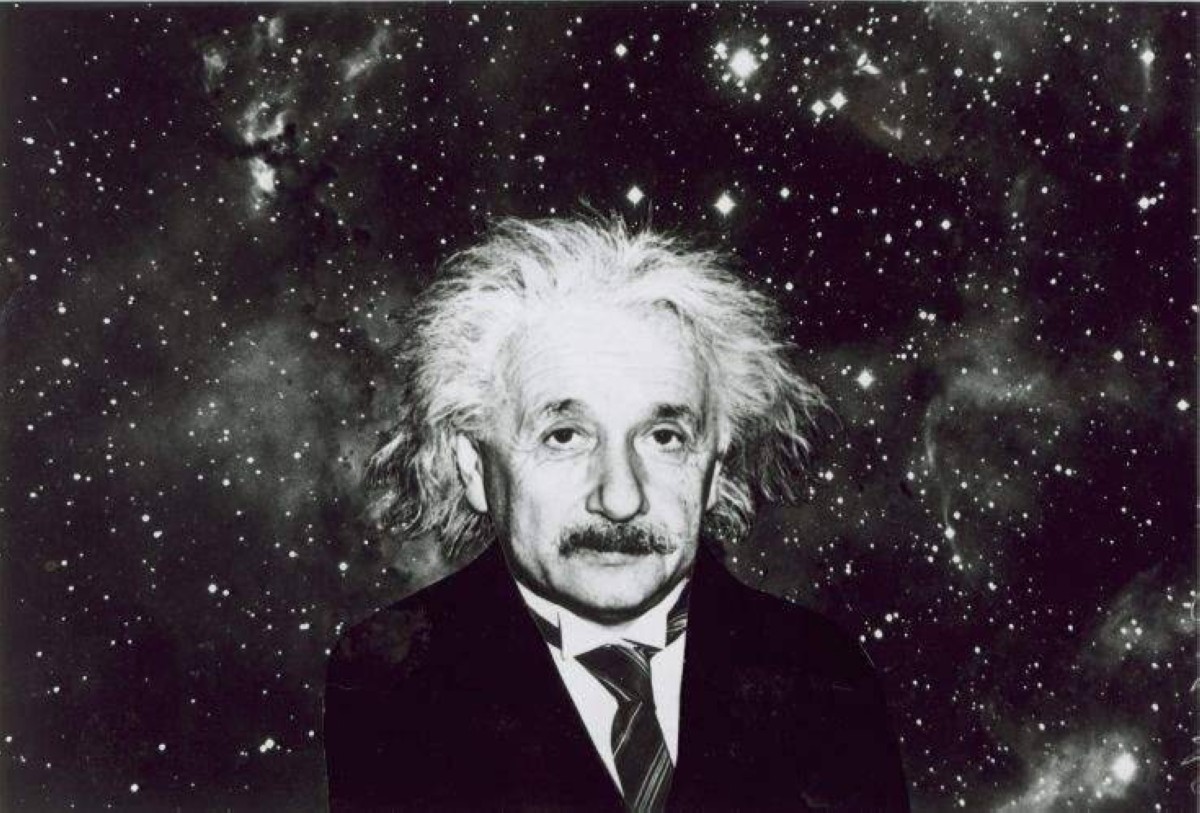
تعتبر أفكار ألبرت أينشتاين منذ أكثر من قرن من الزمان حجر الأساس في إدراك الإنسان للكون والجاذبية، وأصبح مفهوم الثابت الكوني الذي اعتبره أينشتاين "أكبر خطأ ارتكبه"، أحد أهم الألغاز في علم الكونيات.

تعود تفاصيل القصة إلى عام 1917، بعد سنوات قليلة من طرح أينشتاين نظريته الشهيرة النسبية العامة التي غيرت طريقة فهم العلماء للجاذبية، فلم تعد الجاذبية مجرد قوة تجذب الأجسام، بل أصبحت نتيجة لانحناء نسيج الزمكان بسبب المادة والطاقة.

والزمكان هو مفهوم في الفيزياء يجمع بين الزمان والمكان في نسيج واحد مترابط، وليس شيئين منفصلين كما كان يُعتقد قديماً فهو المسرح الذي تحدث عليه كل أحداث الكون.

عندما حاول أينشتاين تطبيق معادلاته على الكون بأكمله، ظهرت نتيجة مفاجئة وهي أن الكون ليس ثابتاً، بل يجب أن يتمدد أو ينكمش مع مرور الزمن.

تعارضت هذه النتيجة مع الاعتقاد السائد آنذاك، حيث كان معظم العلماء يعتقدون أن الكون ثابت لا يتغير، فقرر أينشتاين تعديل معادلاته وإضافة عنصر جديد أطلق عليه اسم الثابت الكوني أو "لامدا".

محاولة لإيقاف الكون

كان الهدف من الثابت الكوني هو تحقيق توازن بين قوة الجاذبية التي تجذب المادة نحو بعضها، وبين تأثير معاكس يمنع الكون من الانهيار.

أضاف أينشتاين قوة داخل معادلاته تجعل الكون يبدو مستقراً وغير متغير.

لكن بعد سنوات قليلة، جاءت اكتشافات عالم الفلك إدوين هابل لتثبت أن الكون يتمدد بالفعل، وأن المجرات تبتعد عن بعضها مع مرور الزمن.

اعتبر أينشتاين أن إضافة الثابت الكوني كانت خطأ كبيراً، حتى إنه وصفها بأنها "أكبر خطأ ارتكبته"، لكن المفارقة أن هذا الخطأ عاد بعد عقود ليصبح من أهم الأفكار في علم الكونيات.

الكون لا يبطئ.. بل يتسارع

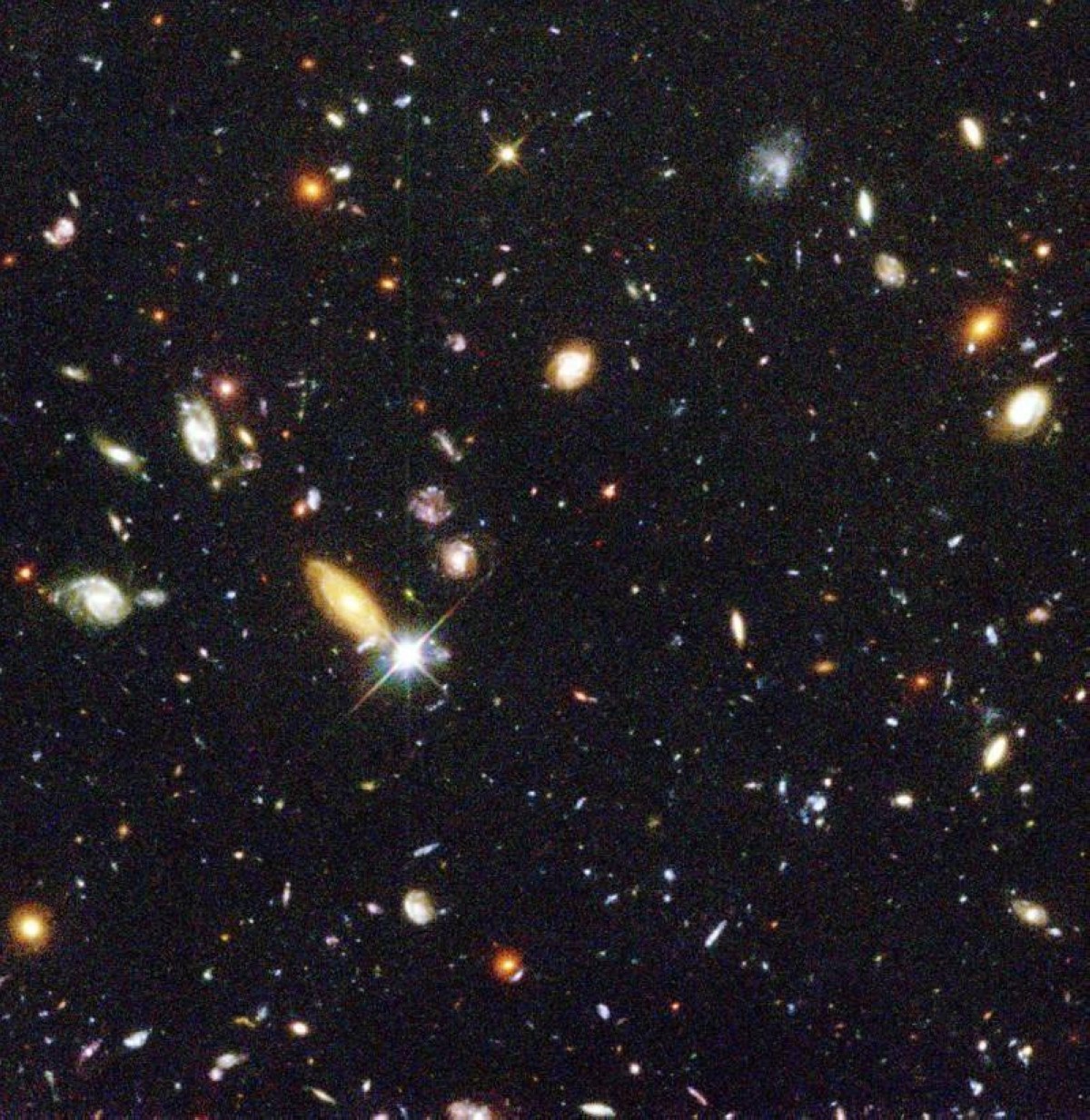
في نهاية القرن العشرين، وتحديداً عام 1998، حاول علماء الفلك معرفة سرعة تمدد الكون، وكان المتوقع أن تؤدي الجاذبية الناتجة عن المادة الموجودة في الكون إلى إبطاء هذا التمدد تدريجياً، لكن النتائج جاءت عكس المتوقع تماماً، فقد اكتشف العلماء أن الكون لا يتمدد فقط، بل إن تمدده يتسارع.

هذا الاكتشاف كان مفاجئاً، لأن شيئاً ما يبدو أنه يدفع الكون إلى التوسع بشكل أسرع، رغم تأثير الجاذبية التي يفترض أن تعمل على إبطائه، وكان أبسط تفسير لهذا التسارع هو العودة إلى فكرة أينشتاين القديمة: الثابت الكوني.

نتيجة لتوسع الكون وتسارعه ظهر مفهوم الطاقة المظلمة، وهي اسم أطلقه العلماء على القوة الغامضة التي يُعتقد أنها مسؤولة عن تسارع توسع الكون .

الطاقة المظلمة.. لغز الكون الأكبر

اليوم تشكل الطاقة المظلمة أحد أكبر أسرار الفيزياء الحديثة، ووفق النموذج الكوني المعروف باسم النموذج القياسي لعلم الكونيات، " Lambda-CDM " فإن الكون يتكون بشكل رئيسي من ثلاثة مكونات: المادة العادية التي تشكل النجوم والكواكب وكل ما نراه والمادة المظلمة التي لا تصدر ضوءاً لكنها تؤثر بالجاذبية والطاقة المظلمة التي تدفع توسع الكون إلى التسارع.

ويعتبر هذا النموذج أفضل تفسير متوفر حالياً لتطور الكون منذ الانفجار العظيم، إذ ينجح في تفسير العديد من الظواهر مثل تكوين المجرات وانتشار إشعاع الخلفية الكونية.

هل النموذج الحالي للكون على وشك التغيير؟

رغم قوة نموذج الطاقة المظلمة، يعتقد بعض العلماء أن هناك أسئلة ما زالت بلا إجابة.

فحتى الآن لا يعرف العلماء حقيقة الطاقة المظلمة أو طبيعتها، وهل هي بالفعل ثابت كوني كما تصور أينشتاين، أم أنها ظاهرة جديدة تحتاج إلى تعديل فهمنا للجاذبية والكون.

كما أن بعض القياسات الحديثة بدأت تكشف اختلافات صغيرة بين طرق حساب توسع الكون، وهو ما دفع بعض الباحثين إلى التساؤل عما إذا كان النموذج الحالي يحتاج إلى تطوير.

ولكن إذا ثبت أن الطاقة المظلمة ليست ثابتة، فيعني ذلك أن العلماء بحاجة إلى إعادة التفكير في بعض أساسيات علم الكونيات، وربما تعديل جزء من النظريات التي اعتمدوا عليها لعقود.

"خطأ" وقتي

تقدم قصة الثابت الكوني مثالاً مثيراً على طبيعة العلم، فالأفكار التي تبدو خاطئة في وقت ما قد تعود لاحقاً لتصبح جزءاً أساسياً من فهمنا للعالم، فما اعتبره أينشتاين خطأً قبل قرن أصبح اليوم أحد أهم المفاهيم التي يحاول العلماء فهمها.

أينشتاينالكونالجاذبية
الخبر متوفّر باللغات التالية:English
المصدر الأصلي للخبر
البيان

Einstein's "Biggest Mistake" Returns... The Great Secret of the Universe That Has Stumped Scientists

July 21, 2026·Al Bayan
Einstein's "Biggest Mistake" Returns... The Great Secret of the Universe That Has Stumped Scientists

Albert Einstein’s ideas, more than a century ago, are the cornerstone of human understanding of the universe and gravity. The concept of the cosmological constant, which Einstein considered to be “the biggest mistake he made,” has become one of the most important puzzles in cosmology.

The story goes back to 1917, a few years after Einstein proposed his famous general theory of relativity, which changed how scientists understood gravity. Gravity was no longer just a force that attracts objects; it became the result of spacetime being curved by matter and energy.

Spacetime is a concept in physics that combines time and space into one interconnected fabric, rather than two separate things as was once believed. It is the stage on which all events in the universe take place.

When Einstein tried to apply his equations to the entire universe, he got a surprising result: the universe is not static but must be expanding or contracting over time.

This result contradicted the prevailing belief at the time, as most scientists believed that the universe was static and unchanging. So Einstein decided to modify his equations and add a new element called the cosmological constant, or “lambda.”

An attempt to stop the universe

The aim of the cosmological constant was to achieve a balance between the force of gravity that attracts matter towards each other, and an opposite effect that prevents the universe from collapsing.

Einstein added a power within his equations that makes the universe appear stable and unchanging.

But after a few years, the discoveries of astronomer Edwin Hubble proved that the universe is indeed expanding, and that galaxies are moving away from each other over time.

Einstein considered adding the cosmological constant to be a big mistake, even describing it as "the biggest blunder I made", but paradoxically this error returned decades later to become one of the most important ideas in cosmology.

The universe is not slowing down...it's accelerating

At the end of the 20th century, specifically in 1998, astronomers tried to find out how fast the universe was expanding. It was expected that gravity resulting from matter existing in the universe would gradually slow this expansion, but the results were completely opposite: scientists discovered that not only is the universe expanding, its expansion is accelerating.

This discovery was surprising because something appears to be pushing the universe to expand faster, despite the effect of gravity which is supposed to slow it down. The simplest explanation for this acceleration was a return to Einstein's old idea: the cosmological constant.

As a result of the expansion and acceleration of the universe, the concept of dark energy emerged, a name given by scientists to the mysterious force believed to be responsible for the accelerating expansion of the universe.

Dark energy: the biggest puzzle of the universe

Today, dark energy is one of the greatest secrets of modern physics. According to the standard cosmological model known as Lambda-CDM, the universe consists mainly of three components: ordinary matter that makes up stars, planets and everything we see; dark matter which does not emit light but affects gravity; and dark energy, which accelerates the expansion of the universe.

This model is considered to be the best explanation currently available for how the universe has developed since the Big Bang. It explains many phenomena such as galaxy formation and the spread of cosmic background radiation.

Is the current model of the universe about to change?

Despite the strength of the dark energy model, some scientists believe that there are still unanswered questions.

To date, scientists do not know what dark energy is or its nature. Is it really a cosmological constant as Einstein thought? Or is it a new phenomenon that requires us to revise our understanding of gravity and the universe?

Some recent measurements have also begun to reveal small differences between methods for calculating the expansion of the universe, which has led some researchers to question whether the current model needs to be developed.

But if it is proven that dark energy is not a constant, then scientists will need to rethink some of the basics of cosmology. They may even have to revise part of the theories on which they have relied for decades.

"An Error of Time"

The story of the cosmological constant provides an exciting example of the nature of science. Ideas that seem wrong at one time may later become a key part of our understanding of the world. What Einstein considered an error a century ago is now one of the most important concepts scientists are trying to understand.

أينشتاينالكونالجاذبية
This article is also available in:العربية
Original source article
Al Bayan