الإمارات تسبق المنطقة إلى عصر الحوسبة الكمومية
1 سبتمبر 2026·البيان
الإمارات تسبق المنطقة إلى عصر الحوسبة الكمومية

قبل أن تصل الحوسبة الكمومية إلى عموم الناس والدول، بدأت الإمارات تتصرف وكأنها قادمة لا محالة، فيتواجد هنا حاسوب كمومي قيد التطوير، ومنصة سحابية تتيح للباحثين استخدام قدرات كمومية، وتجارب لاتصالات أكثر أمناً، وخطط وطنية لتحديث أنظمة التشفير قبل أن تصبح عرضة لحواسيب المستقبل، وبينما تضخ بريطانيا وأوروبا والولايات المتحدة مليارات في هذا السباق، تبني الإمارات موقعها فيه من الآن.

وإذا كان اسم «الحاسوب الكمومي» يبدو معقداً، فالفكرة الأساسية أبسط مما يوحي به، فالحاسوب التقليدي يعمل بوحدات تسمى «البت»، وتأخذ قيمة صفر أو واحد، أما الحاسوب الكمومي فيستخدم «الكيوبت»، وهي وحدة تستفيد من ظواهر في ميكانيكا الكم لتتعامل مع بعض المسائل بطريقة مختلفة تماماً تبدو عقلانية أكثر منها ميكانيكية.

وهو ليس حاسوباً أسرع في كل شيء، ولا بديلاً عن الهاتف أو الكمبيوتر المحمول، لكنه يعد مهماً في مسائل شديدة التعقيد، مثل تصميم الأدوية، ومحاكاة المواد، وتحسين شبكات الطاقة، وبعض تطبيقات التشفير والذكاء الاصطناعي.

دخول الإمارات

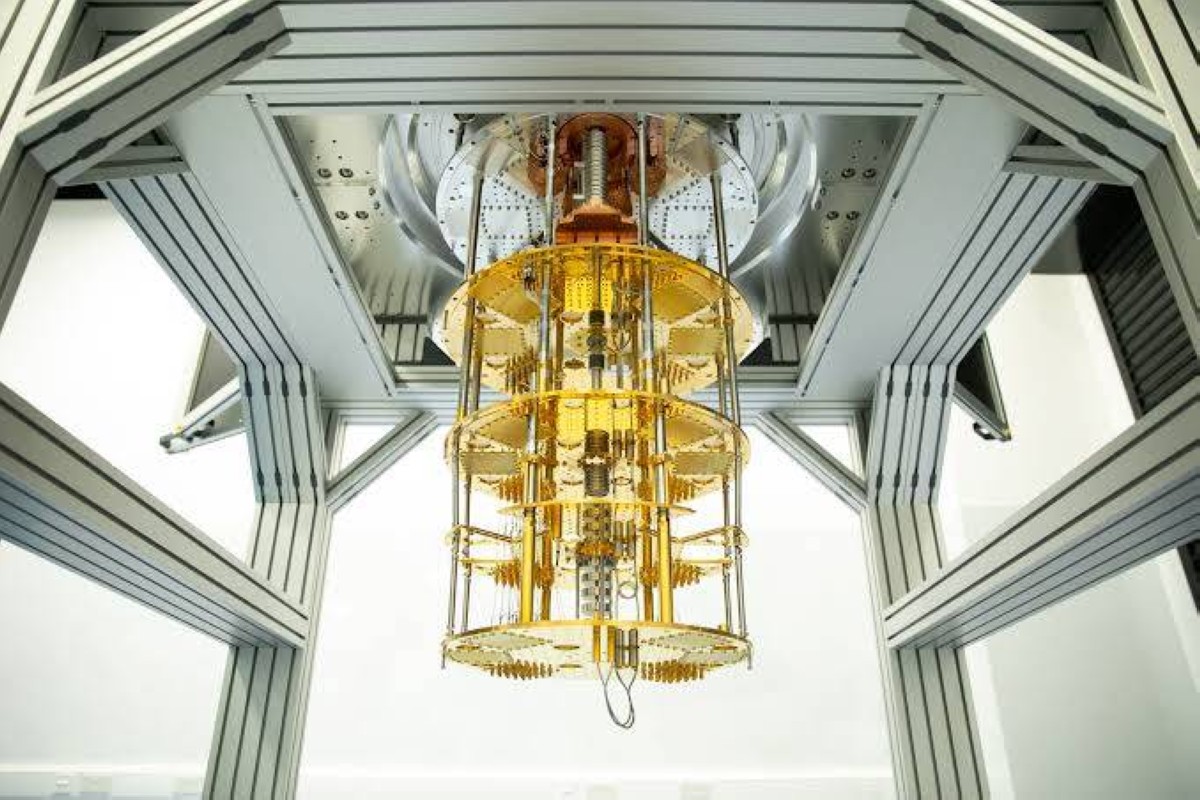
ودخلت الإمارات هذا المجال بصورة مبكرة على مستوى المنطقة، ففي 2021 بدأ معهد الابتكار التكنولوجي في أبوظبي تجميع أول حاسوب كمومي في المنطقة، بالتعاون مع شركة «كيليمانجارو كوانتم تك» الإسبانية، ولتشغيل الشرائح الكمومية، استُخدمت منظومة تبريد قادرة على الوصول إلى نحو 10 ملي كلفن، وهي درجة حرارة تقترب كثيراً من الصفر المطلق.

ومنذ ذلك الوقت، لم يبق المشروع في المختبر فقط، ففي مارس 2026، ربط معهد الابتكار التكنولوجي منصته السحابية للحوسبة الكمومية بمنصة «كودا-كيو» التابعة لـ«إنفيديا»، ما يسمح للباحثين والمطورين بإرسال مهام مباشرة إلى أجهزة كمومية فعلية ومحاكيات موجودة في أبوظبي.

كما أعلن المعهد مع «إنفيديا» تنفيذ محاكاة لخوارزمية كمومية على مسائل يصل حجمها إلى 500 ألف كيوبت، مما يعني ان الإمارات تمتلك حاسوباً كمومياً يحتوي على نصف مليون كيوبت وقادر على القيام بمحاكاة رقمية لخوارزمية كمومية باستخدام حوسبة متقدمة، وهذا إنجاز عالمي بحد ذاته.

حزمة بريطانية

فبريطانيا، على سبيل المثال، أعلنت في 2026 عن حزمة تصل قيمتها إلى ملياري جنيه إسترليني لتسريع الابتكار الكمومي، وتريد أن تصبح أول دولة تنشر حواسيب كمومية على نطاق واسع بحلول أوائل الثلاثينيات، كما تقدر الحكومة البريطانية أن القطاع يمكن أن يضيف نحو 200 مليار جنيه إسترليني إلى اقتصادها بحلول 2045.

وقبل ذلك، وضعت بريطانيا استراتيجية لعشر سنوات تشمل 2.5 مليار جنيه إسترليني من التمويل الحكومي للحوسبة وتقنيات الكم ابتداءً من 2024، مع هدف جذب مليار جنيه إضافي من القطاع الخاص.

وفي 2025 أطلق الاتحاد الأوروبي «استراتيجية أوروبا للكم» بهدف الوصول إلى موقع قيادي عالمياً بحلول 2030، مع التركيز على الأبحاث والبنية التحتية والشركات الناشئة والاتصالات الآمنة والمهارات.

وفي نوفمبر من العام نفسه، خصصت المفوضية الأوروبية جزءاً من 389 مليون يورو لـ56 مشروعاً تشمل شبكات اتصالات كمومية آمنة.

وفيما تتسابق القوى الكبرى على توسيع قدراتها الكمومية، تبدو الإمارات وقد قطعت شوطاً متقدماً إقليمياً في بناء المنظومة نفسها، فالدولة انتقلت من البحث إلى التشغيل والتجريب، عبر حاسوب كمومي قيد التطوير، ومنصات وصول سحابية، واتصالات آمنة، وبرامج للاستعداد لعصر ما بعد التشفير التقليدي، وهي خطوات تضعها في موقع متقدم داخل المنطقة مع بدء تشكل اقتصاد عالمي جديد حول تقنيات الكم.

حماية البيانات

وهنا تحديداً يظهر ملف التشفير الذي يعد أحد أكثر الملفات حساسية في هذا السباق.

فالأنظمة التي تحمي البيانات البنكية والرسائل والملفات الحكومية تعتمد اليوم على مسائل رياضية يصعب على الحواسيب التقليدية حلها، فيما قد تتمكن الحواسيب الكمومية القوية مستقبلاً من إضعاف بعض هذه الحماية.

ولهذا بدأت دول عدة، ومن بينها الإمارات، الانتقال إلى تقنيات تعرف باسم «التشفير المقاوم للحوسبة الكمومية»، بهدف حماية البيانات قبل وصول تلك الحواسيب إلى المستوى الذي يجعل الخطر واقعاً عملياً.

وبدأت الإمارات بهذه الخطوة قبل وصول الحاسوب الكمومي القادر على تشكيل هذا الخطر، ففي مايو 2026، أعلن مجلس الأمن السيبراني ومجلس أبحاث التكنولوجيا المتطورة تعاوناً لتسريع الانتقال الوطني إلى أنظمة آمنة في عصر ما بعد الكم.

ويتضمن البرنامج أدوات تستطيع اكتشاف أنظمة التشفير المستخدمة داخل المؤسسات وتحديد ما يحتاج إلى تغيير، إلى جانب تقنيات طورها معهد الابتكار التكنولوجي.

ووصف مجلس أبحاث التكنولوجيا المتطورة المشروع بأنه يدعم واحداً من أوائل برامج الانتقال الوطنية المنسقة عالمياً إلى أمن ما بعد الكم.

كما دخلت الإمارات مجال الاتصالات الكمومية نفسها، وتستخدم هذه التقنية خصائص فيزياء الكم للمساعدة في تبادل مفاتيح التشفير، بحيث يصبح اكتشاف محاولة اعتراض الاتصال أكثر سهولة من الناحية الفيزيائية.

سباق البينة التحتية

وهنا يتحول جزء كبير من السباق لبناء بنية تحتية آمنة قبل أن تصبح الأجهزة الكمومية قوية بما يكفي لتغيير قواعد الأمن الرقمي.

كما تربط الإمارات أيضاً هذه التقنيات بالذكاء الاصطناعي، ففي يونيو 2026 أصبح معهد الابتكار التكنولوجي شريكاً مؤسساً في معيار عالمي جديد يركز على أنظمة ذكاء اصطناعي قابلة للتحقق ومحمية بتشفير مقاوم للحوسبة الكمومية.

وفي 2022 استضافت جامعة نيويورك أبوظبي أول هاكاثون دولي للحوسبة الكمومية من نوعه في المنطقة، بمشاركة أكثر من 160 شخصاً من أكثر من 20 دولة، وبوجود جهات مثل «أمازون ويب سيرفيسز» ومعهد الابتكار التكنولوجي و«آيون كيو» وجامعات دولية.

وفي أغسطس 2026، أنشأت الدولة البرنامج الوطني للعلوم والتقنيات المتقدمة، الذي يهدف إلى ربط التعليم والبحث والتطوير وبناء الكفاءات بالصناعات الاستراتيجية والتقنيات المستقبلية، ويعد البرنامج أوسع من الحوسبة الكمومية، لكنه يأتي ضمن توجه لبناء قاعدة محلية من المتخصصين في المجالات التي تعتبرها الدولة ذات أولوية للمستقبل.

استباقية الإمارات

في سباق الذكاء الاصطناعي، عرفت الإمارات استباقياً أن الانتظار حتى تصبح التقنية تياراً عالمياً يعني البدء متأخراً، ففي 2017 عيّنت أول وزير دولة للذكاء الاصطناعي، قبل سنوات من موجة الانتشار الواسع التي جعلت التقنية محوراً يومياً في الحكومات والشركات.

واليوم، تبدو الفكرة نفسها حاضرة في ملف الحوسبة الكمومية، فالدولة تعمل على بناء القدرات وتأهيل الباحثين وتجهيز البنية الأمنية والتقنية قبل أن تتحول هذه التكنولوجيا إلى موجة عالمية جديدة.

  • الحاسوب
  • الكمومي
  • الحاسب الكمومي
  • التكنولوجيا والذكاء الاصطناعي
  • الإمارات
الإماراتحوسبةكمومية
الخبر متوفّر باللغات التالية:English
المصدر الأصلي للخبر
البيان

The UAE Leads the Region into the Age of Quantum Computing

September 01, 2026·Al Bayan
The UAE Leads the Region into the Age of Quantum Computing

Before quantum computing reaches the general public and countries, the UAE is acting as if it were inevitable: there is a quantum computer under development here, a cloud platform that allows researchers to use quantum capabilities, experiments for more secure communications, and national plans to update encryption systems before they become vulnerable to future computers. While Britain, Europe, and the United States are pumping billions into this race, the UAE is building its position in it now.

If the name “quantum computer” sounds complicated, the basic idea is simpler than it suggests. A traditional computer works with units called “bits,” which take on a value of zero or one. The quantum computer uses “qubits,” which exploit phenomena in quantum mechanics to deal with some issues in a completely different way that seems more rational than mechanical.

It is not a faster computer in everything, nor an alternative to the phone or laptop, but it promises to be important for highly complex issues such as drug design, material simulation, improving energy networks, and certain applications of encryption and artificial intelligence.

The UAE’s entry

The UAE entered this field early in the region. In 2021, the Technology Innovation Institute (TII) in Abu Dhabi began assembling the first quantum computer in the region, in collaboration with Spanish company “Kilimanjaro Quantum Tech.” To operate the quantum chips, a cooling system was used that can reach about 10 milli-Kelvin, which is a temperature very close to absolute zero.

Since then, the project has not remained in the laboratory only. In March 2026, the Institute of Technology Innovation linked its quantum computing cloud platform to Nvidia’s CUDA-Q platform, allowing researchers and developers to send tasks directly to actual quantum devices and simulators located in Abu Dhabi.

The institute also announced with Nvidia the implementation of a simulation of a quantum algorithm on problems up to 500,000 qubits, meaning that the UAE has a quantum computer containing half a million qubits capable of performing a digital simulation of a quantum algorithm using advanced computing. This is an international achievement in itself.

British package

For example, Britain announced in 2026 a package worth up to £2 billion to accelerate quantum innovation. It wants to become the first country to deploy quantum computers on a large scale by the early 2030s. The British government estimates that the sector could add around £200 billion to its economy by 2045.

Earlier, Britain had developed a ten-year strategy including £2.5 billion of government funding for quantum computing and technologies from 2024, with the goal of attracting an additional £1 billion from the private sector.

In 2025, the European Union launched its “Europe’s Quantum Strategy” aiming to reach a global leadership position by 2030, focusing on research, infrastructure, startups, secure communications and skills.

In November of the same year, the European Commission allocated €389 million for 56 projects including secure quantum communication networks.

As major powers race to expand their quantum capabilities, the UAE appears to be far ahead in the region in building the same system; the country has moved from research to operation and experimentation through a developing quantum computer, cloud access platforms, secure communications, and software for preparing for the post-classical encryption era. These steps put it at the forefront of the region as a new global economy forms around quantum technologies.

Data protection

Here is where the encryption file comes into play, which is one of the most sensitive files in this race.

The systems that protect banking data, messages, and government files rely today on mathematical problems that are difficult for conventional computers to solve. However, powerful quantum computers may be able to weaken some of this protection in the future.

For this reason, several countries, including the UAE, have begun to switch to technologies known as “quantum-resistant encryption” with the aim of protecting data before these computers reach a level where the threat becomes practical.

The UAE began this step before the arrival of the quantum computer capable of posing such a threat. In May 2026, the Cyber Security Council and the Advanced Technology Research Council announced their cooperation to accelerate the national transition to secure systems in the post-quantum era.

The program includes tools that can detect encryption systems used within institutions and identify what needs to be changed, along with technologies developed by the Institute of Technology Innovation.

The Advanced Technology Research Council described the project as supporting one of the first globally coordinated national programs for post-quantum security.

The UAE has also entered the quantum communications field itself, using quantum physics properties to help exchange encryption keys, making it physically easier to detect attempts to intercept communication.

Infrastructure race

Here, a large part of the race is to build secure infrastructure before quantum computers become powerful enough to change the rules of digital security.

The UAE also links these technologies with artificial intelligence; in June 2026, the Institute of Technology Innovation became an institutional partner in a new global standard focused on verifiable AI systems protected by post-quantum resistant encryption.

In 2022, New York University Abu Dhabi hosted the first international hackathon for quantum computing in the region, with more than 160 people from over 20 countries participating, and attended by entities such as Amazon Web Services, the Institute of Technology Innovation, IonQ, and international universities.

In August 2026, the country established the National Program for Advanced Science and Technology, which aims to link education, research and development, and building competencies with strategic industries and future technologies. The program is broader than quantum computing, but it comes within a trend of building a local base of specialists in areas that the state considers priorities for the future.

The preemptive approach of the UAE

In the race for artificial intelligence, the UAE has proactively known that waiting until technology becomes a global stream means starting late. In 2017, it appointed its first Minister of Artificial Intelligence, years before the widespread wave that made the technology a daily focus in governments and companies.

Today, the same idea is present in the quantum computing file. The country is working on building capacities, qualifying researchers, and preparing the security and technical infrastructure before this technology turns into a new global wave.

  • Computer
  • Quantum
  • Quantum computer
  • Technology and artificial intelligence
  • UAE
الإماراتحوسبةكمومية
This article is also available in:العربية
Original source article
Al Bayan