الصين تتفوق على «سبيس إكس».. أول استعادة لمعزّز صاروخي فولاذي بعد إطلاق مداري
20 أغسطس 2026·البيان
الصين تتفوق على «سبيس إكس».. أول استعادة لمعزّز صاروخي فولاذي بعد إطلاق مداري

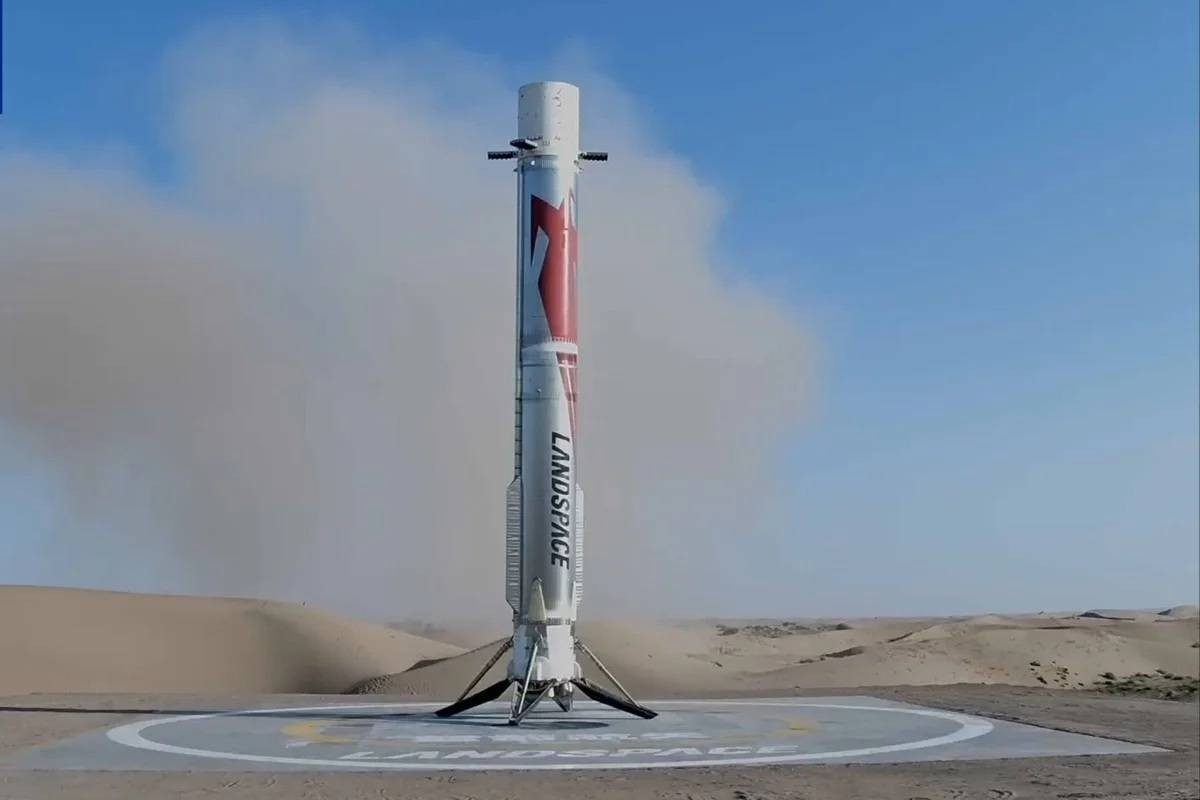
حقّقت شركة «لاندسبيس»، أبرز شركات الصواريخ التجارية في الصين، سبقاً عالمياً باستعادتها معزّزاً صاروخياً مصنوعاً من الفولاذ المقاوم للصدأ عقب إطلاق مداري، في خطوة كبيرة ضمن جهود بكين لتطوير صواريخ قابلة لإعادة الاستخدام وأقل كلفة.

وأقلع الصاروخ «تشوتشيويه-3»، البالغ طوله ستة وستين متراً والعامل بالميثان والأكسجين السائلين، في السابعة وخمس وثلاثين دقيقة صباح الأربعاء من مركز جيوتشيوان لإطلاق الأقمار الاصطناعية في صحراء غوبي، وأوصل قمر الإنترنت «هونغهو-3» إلى مداره المحدد، قبل أن تعود مرحلته الأولى وتهبط عمودياً في مقاطعة غانسو على بُعد نحو 390 كيلومتراً من منصة الإطلاق.

فالمعزّزات القابلة لإعادة الاستخدام التي استُخدمت سابقاً في هذا النوع من الإطلاقات كانت مصنوعة من سبائك الألمنيوم، وهي أعلى كلفة في التصميم والمواد الخام. أما معزّز «سوبر هيفي» التابع لـ«سبيس إكس»، وهو أيضاً من الفولاذ المقاوم للصدأ، فما زال ينتظر موافقة إدارة الطيران الفيدرالية الأميركية على أول رحلة استعادة له.

وبهذا الهبوط، صارت «لاندسبيس» رابع جهة في العالم تستعيد مركبة إطلاق، بعد شركتي «سبيس إكس» و«بلو أوريجن» الأميركيتين ومؤسسة علوم وتكنولوجيا الفضاء الصينية الحكومية. كما أصبحت الصين أول دولة تنجح في استعادة مركبات إطلاق مدارية عبر مسارين تقنيين متمايزين، وهي استراتيجية مزدوجة لم تنفّذها الولايات المتحدة نفسها حتى الآن رغم ريادتها في هذا المجال.

محاولة ثانية

جاء النجاح في المحاولة الثانية؛ ففي الرحلة الأولى في ديسمبر الماضي، بلغت المرحلة الثانية المدار بنجاح، غير أن المرحلة الأولى تحوّلت إلى كرة لهب أثناء هبوطها المدفوع الأخير نحو المنصة. وأوضح رئيس المشروع حينها للتلفزيون الرسمي أن الاستعادة فشلت لأن محرك المرحلة الأولى لم يُعِد الاشتعال على ارتفاع نحو ثلاثة كيلومترات من الأرض كما كان مقرراً.

وأعلنت الشركة أنها اعتمدت في الرحلة الثانية تحسينات متعددة استناداً إلى بيانات الرحلة الأولى، شملت تبسيط منظومة الدفع عند الهبوط بخفض عدد المحركات المستخدمة في حرق الهبوط لرفع الموثوقية، وإدخال منظومة إنهاء طيران آلية بوظيفة للتنبؤ بنقطة الارتطام، وإعادة تصميم منظومات الحماية الحرارية لمواجهة الأحمال الميكانيكية والحرارية القاسية في مرحلة العودة والدخول.

ويُشار إلى أن الصاروخ قادر في تكوينه غير القابل لإعادة الاستخدام على حمل نحو 21 طناً مترياً إلى المدار الأرضي المنخفض، ينخفض إلى نحو 18 طناً في حال استعادة المرحلة الأولى، وهي قدرة تُعدّ محورية لنشر شبكتي الأقمار الصينيتين «غوه وانغ» و«تشيان فان»، اللتين تخطط كل منهما لإطلاق أكثر من عشرة آلاف قمر اصطناعي للاتصالات العريضة النطاق عالمياً.

وتعتزم الشركة إعادة استخدام أحد المعزّزات المستعادة خلال الأشهر الستة المقبلة، في خطوة تقول إنها ستؤسس لإطلاقات تجارية عالية التواتر ومنخفضة الكلفة.

chinalandspacerocket
الخبر متوفّر باللغات التالية:English
المصدر الأصلي للخبر
البيان

China surpasses SpaceX in first steel rocket booster recovery after orbital launch

August 20, 2026·Al Bayan
China surpasses SpaceX in first steel rocket booster recovery after orbital launch

LandSpace, China’s leading commercial rocket company, has achieved a global first by retrieving a stainless steel rocket booster after an orbital launch, in a major step forward for Beijing's efforts to develop reusable and cost-effective rockets.

The 66-meter-long “Chutian-3” rocket, which operates on methane and liquid oxygen, was launched at 05:35 am on Wednesday from the Jiuquan Satellite Launch Center in the Gobi Desert. It successfully delivered the Honghu-3 Internet satellite to its intended orbit before its first stage returned and landed vertically in Gansu Province, about 390 kilometers away from the launch platform.

Previously used reusable boosters for this type of launch were made of aluminum alloys, which are more expensive in terms of design and raw materials. The Space X Super Heavy booster, also made of stainless steel, is still awaiting approval from the US Federal Aviation Administration for its first recovery flight.

With this landing, LandSpace became the fourth entity worldwide to recover a launch vehicle, after American companies SpaceX and Blue Origin, and China’s state-owned China Aerospace Science and Technology Corporation. It also made China the first country to successfully retrieve orbital launch vehicles using two distinct technical approaches, a dual strategy that the United States itself has not yet implemented despite its leadership in this field.

Second attempt

Success came in the second attempt; during the first flight last December, the second stage reached orbit successfully, but the first stage turned into a ball of fire during its final powered descent toward the launch pad. The project head explained to state television at the time that recovery failed because the first stage engine did not reignite about three kilometers above ground as planned.

The company announced that in the second flight, it made several improvements based on data from the first flight, including simplifying the landing propulsion system by reducing the number of engines used for the landing burn to increase reliability, introducing an automatic flight termination system with a function to predict the impact point, and redesigning thermal protection systems to withstand the harsh mechanical and thermal loads during the return and entry phase.

It is worth noting that in its non-reusable configuration, the rocket can carry about 21 metric tons to low Earth orbit, dropping to about 18 tons if the first stage is recovered. This capability is pivotal for deploying China’s two satellite networks, “Gou Wang” and “Jianwang”, each of which plans to launch more than 10,000 artificial satellites for global broadband communications.

The company intends to reuse one of the recovered boosters in the next six months, a move it says will establish high-frequency, low-cost commercial launches.

chinalandspacerocket
This article is also available in:العربية
Original source article
Al Bayan