الغاز الطبيعي يدخل سباق الذكاء الاصطناعي.. لماذا تحتاج مراكز البيانات كل هذه الطاقة؟
12 سبتمبر 2026·البيان
الغاز الطبيعي يدخل سباق الذكاء الاصطناعي.. لماذا تحتاج مراكز البيانات كل هذه الطاقة؟


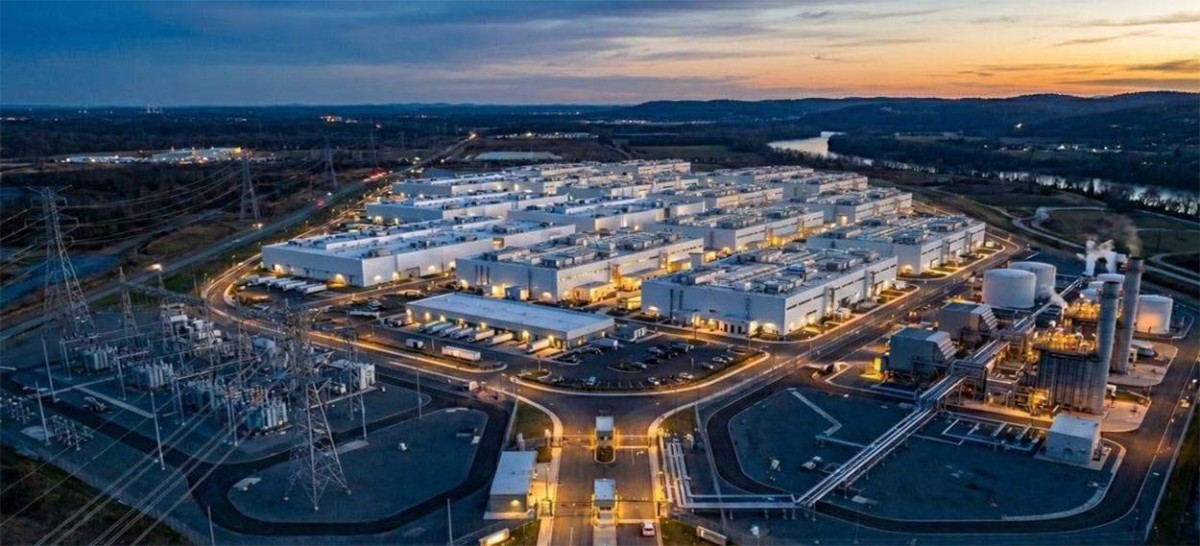
لم يعد التوسع في الذكاء الاصطناعي مجرد سباق لتطوير نماذج أكثر قوة، بل أصبح أيضاً سباقاً لتأمين كميات هائلة من الكهرباء اللازمة لتشغيل مراكز البيانات. ومع عجز شبكات الكهرباء عن مواكبة هذا الطلب المتسارع في بعض المناطق، بدأ الغاز الطبيعي يبرز كأحد الحلول الرئيسية لتوفير الطاقة التي تحتاجها هذه المنشآت.

ومع التوسع السريع في مراكز بيانات الذكاء الاصطناعي، يبرز الغاز الطبيعي كحل لتوفير الكهرباء اللازمة لتشغيلها، في وقت تواجه فيه بعض شبكات الطاقة صعوبة في مواكبة الوتيرة المتسارعة لبناء هذه المنشآت.

وبحسب تقرير نشرته "واشنطن بوست"، تحول الغاز الطبيعي من حل مؤقت لتجاوز تأخر ربط مراكز البيانات بالشبكة إلى خيار قد يستمر لعقود، مع توقيع عقود طويلة الأجل للوقود وإنشاء محطات كهرباء وخطوط أنابيب مخصصة.

لماذا يستهلك الذكاء الاصطناعي كل هذه الكهرباء؟

تحتاج أنظمة الذكاء الاصطناعي إلى مراكز بيانات ضخمة تضم آلاف المعالجات المتخصصة، خصوصا وحدات معالجة الرسوميات التي تستخدم في تدريب النماذج وتشغيلها، لكن المشكلة لا تتوقف عند تشغيل الشرائح؛ فهذه الأجهزة تنتج حرارة كبيرة، ما يجعل أنظمة التبريد جزءًا أساسيًا من استهلاك الطاقة داخل مراكز البيانات.

ومع زيادة عدد المستخدمين وتوسع تطبيقات الذكاء الاصطناعي، تحتاج الشركات إلى بناء مراكز بيانات جديدة بسرعة، وكل مركز جديد يعني طلبًا إضافيًا على الكهرباء.

وتقدر وكالة الطاقة الدولية أن استهلاك مراكز البيانات عالميًا بلغ نحو 415 تيراواط/ساعة في 2024، أي حوالي 1.5% من استهلاك الكهرباء العالمي، لكنه مرشح لأكثر من الضعف بحلول 2030 ليصل إلى نحو 945 تيراواط/ساعة، مع كون الذكاء الاصطناعي المحرك الأهم لهذا النمو.

شبكة الكهرباء لا تواكب سرعة بناء مراكز البيانات

يمكن لشركات التكنولوجيا بناء مركز بيانات جديد خلال فترة أقصر بكثير من الوقت الذي تحتاجه بعض مشاريع البنية التحتية الكهربائية لإضافة خطوط نقل ومحطات ومحولات وقدرات توليد جديدة.

وتشير "واشنطن بوست" إلى أن الحصول على اتصال بشبكة الكهرباء قد يستغرق 4 إلى 7 سنوات في بعض الحالات، وهو وقت طويل بالنسبة لشركات تتنافس على بناء البنية التحتية للذكاء الاصطناعي بسرعة.

لذلك بدأت بعض الشركات والمطورين في التفكير بطريقة مختلفة: بدل انتظار الشبكة، لماذا لا ننتج الكهرباء بالقرب من مركز البيانات نفسه؟ وهنا يدخل الغاز الطبيعي.

لماذا الغاز تحديدًا؟

الميزة الرئيسية للغاز هي أنه يمكن استخدامه لتوليد الكهرباء بصورة مستمرة ويمكن التحكم في إنتاجه وفق الحاجة، على عكس مصادر مثل الشمس والرياح التي تعتمد على ظروف الطقس.

كما أن محطات الغاز يمكن تطويرها واستخدامها في فترة أقصر نسبيًا من بعض البدائل التي تحتاج سنوات طويلة قبل أن تصبح متاحة على نطاق واسع.

وتشير الصحيفة إلى أن شركات التكنولوجيا تنظر إلى الطاقة النووية والطاقة الحرارية الجوفية باعتبارهما خيارات طويلة الأجل، لكن بعض هذه المشاريع قد يحتاج إلى 5 إلى 10 سنوات قبل أن يصبح متاحًا على نطاق واسع. وهذا يفسر لماذا أصبح الغاز خيارًا جذابًا في المرحلة الحالية.

طفرة الغاز ليست صغيرة

وتتوقع إدارة معلومات الطاقة الأميركية أن يصل إنتاج الغاز الطبيعي الجاف في الولايات المتحدة إلى 111.7 مليار قدم مكعبة يوميًا في 2026، ثم يرتفع إلى 115.9 مليار قدم مكعبة يوميًا في 2027، في مستويات قياسية جديدة.

كما تتوقع الوكالة ارتفاع استهلاك الغاز الأميركي إلى مستويات قياسية، مدفوعًا جزئيًا بزيادة استخدامه في توليد الكهرباء.

وفي الوقت نفسه، تتوقع إدارة معلومات الطاقة وصول استهلاك الكهرباء الأميركي إلى مستوى قياسي في 2026 و2027، مع كون مراكز البيانات كثيفة الاستخدام للذكاء الاصطناعي أحد المحركات الرئيسية لهذا النمو.

ماذا عن الطاقة المتجددة؟

هذا لا يعني أن الذكاء الاصطناعي يتجه بالكامل نحو الوقود الأحفوري. فالوكالة الدولية للطاقة تتوقع أن تلبي مصادر الطاقة المتجددة قرابة نصف الزيادة في الطلب على الكهرباء المرتبط بمراكز البيانات حتى عام 2030.

لكن الغاز سيظل لاعبًا رئيسيًا خلال السنوات المقبلة؛ إذ تتوقع الوكالة أن يوفر الغاز الطبيعي أكثر من 130 تيراواط/ساعة من الكهرباء الإضافية سنويًا لمراكز البيانات الأميركية بحلول 2030 مقارنة بمستويات 2024.

وهنا تظهر المفارقة: شركات التكنولوجيا تستثمر في الطاقة الشمسية والرياح والنووي والتخزين، لكنها في الوقت نفسه تحتاج إلى مصدر يمكنه توفير الكهرباء بسرعة وبصورة مستقرة أثناء توسع البنية التحتية للذكاء الاصطناعي.

رهان قد يستمر لعقود

المشكلة أن ما بدأ كحل مؤقت قد يتحول إلى بنية تحتية دائمة. فبناء محطة غاز ضخمة أو خط أنابيب مخصص لمركز بيانات لا يعني استثمارًا قصير الأجل بالضرورة.

وتلفت " واشنطن بوست" إلى أن عقود الوقود التي تمتد 10 إلى 20 عامًا، إلى جانب الاستثمارات الكبيرة في محطات التوليد والبنية التحتية، قد تجعل التخلص من الغاز لاحقًا أكثر صعوبة. وهذا يفتح معركة جديدة خلف سباق الذكاء الاصطناعي: هل ستصبح طفرة الذكاء الاصطناعي سببًا في إطالة عمر الغاز الطبيعي، حتى مع تعهد شركات التكنولوجيا بالتحول إلى مصادر طاقة منخفضة الكربون؟

AIdatacentersnatural_gas
الخبر متوفّر باللغات التالية:English
المصدر الأصلي للخبر
البيان

Natural gas enters the artificial intelligence race: Why do data centers need so much energy?

September 12, 2026·Al Bayan
Natural gas enters the artificial intelligence race: Why do data centers need so much energy?


The expansion of artificial intelligence is no longer just a race to develop more powerful models; it’s also a race to secure the massive amounts of electricity needed to run data centers. As some power grids struggle to keep up with this accelerating demand, natural gas is emerging as a key solution for providing the energy these facilities need.

With the rapid expansion of AI data centers, natural gas is emerging as a solution to provide the electricity needed to run them, at a time when some power grids are struggling to keep up with the accelerating pace of building these facilities.

According to a report published by The Washington Post, natural gas has shifted from a temporary solution to overcome delays in connecting data centers to a choice that could last for decades, with long-term fuel contracts and the creation of dedicated power plants and pipelines being signed.

Why does AI consume so much electricity?

AI systems require massive data centers housing thousands of specialized processors, particularly graphics processing units (GPUs) used to train and run models. But the problem doesn’t stop at powering the chips; these devices produce a lot of heat, making cooling systems an essential part of energy consumption within data centers.

As the number of users increases and AI applications expand, companies need to build new data centers quickly, and each new center means an additional demand for electricity.

The International Energy Agency estimates that global data center consumption was around 415 terawatt hours in 2024, accounting for about 1.5% of global electricity consumption, but is projected to more than double by 2030 to reach approximately 945 terawatt hours, with artificial intelligence being the main driver of this growth.

The power grid does not keep pace with the speed of data center construction

Technology companies can build a new data center in a much shorter time than it takes for some electrical infrastructure projects to add transmission lines, substations, transformers, and new generation capacity.

The Washington Post notes that obtaining connection to the power grid can take 4 to 7 years in some cases, which is a long time for companies competing to build artificial intelligence infrastructure quickly.

Therefore, some companies and developers have started thinking differently: instead of waiting for the grid, why not produce electricity near the data center itself? And here natural gas comes into play.

Why gas specifically?

The main advantage of gas is that it can be used to generate electricity continuously and its production can be controlled according to demand, unlike sources such as sun and wind which depend on weather conditions.

Gas plants can also be developed and utilized in a relatively shorter period compared to some alternatives that require many years before becoming widely available.

The newspaper notes that technology companies are looking at nuclear and geothermal energy as long-term options, but some of these projects may need 5 to 10 years before they become widely available. This explains why gas has become an attractive option in the current stage.

Gas boom is not small

The U.S. Energy Information Administration expects dry natural gas production in the United States to reach 111.7 billion cubic feet per day in 2026, then rise to 115.9 billion cubic feet per day in 2027, at new record levels.

The agency also expects U.S. gas consumption to reach record highs, driven partly by increased use for electricity generation.

Meanwhile, the Energy Information Administration predicts that U.S. electricity consumption will reach a record high in 2026 and 2027, with AI-intensive data centers being one of the main drivers of this growth.

What about renewable energy?

This does not mean that artificial intelligence is entirely heading towards fossil fuels. The International Energy Agency expects renewable energy sources to meet nearly half of the increase in electricity demand associated with data centers by 2030.

But gas will remain a key player in the coming years; the agency expects natural gas to provide more than 130 terawatt hours of additional electricity annually for U.S. data centers by 2030 compared to 2024 levels.

Here is the paradox: tech companies are investing in solar, wind, nuclear and storage, but at the same time they need a source that can provide power quickly and reliably as AI infrastructure expands.

A bet that could last for decades

The problem is that what started as a temporary solution could become a permanent infrastructure. Building a large gas plant or a dedicated pipeline for a data center does not necessarily mean a short-term investment.

The Washington Post notes that fuel contracts extending 10 to 20 years, along with significant investments in generation plants and infrastructure, could make it more difficult to phase out gas later. This opens up a new battle behind the AI race: will the AI boom cause natural gas to live longer, even as tech companies pledge to shift to low-carbon energy sources?

AIdatacentersnatural_gas
This article is also available in:العربية
Original source article
Al Bayan