اللجنة الفيدرالية للاتصالات تمنح الموافقة على مرآة الفضاء العاكسة للشمس التي تعرضت لانتقادات واسعة من قبل الفلكيين
10 يوليو 2026·إنجاجيت
اللجنة الفيدرالية للاتصالات تمنح الموافقة على مرآة الفضاء العاكسة للشمس التي تعرضت لانتقادات واسعة من قبل الفلكيين

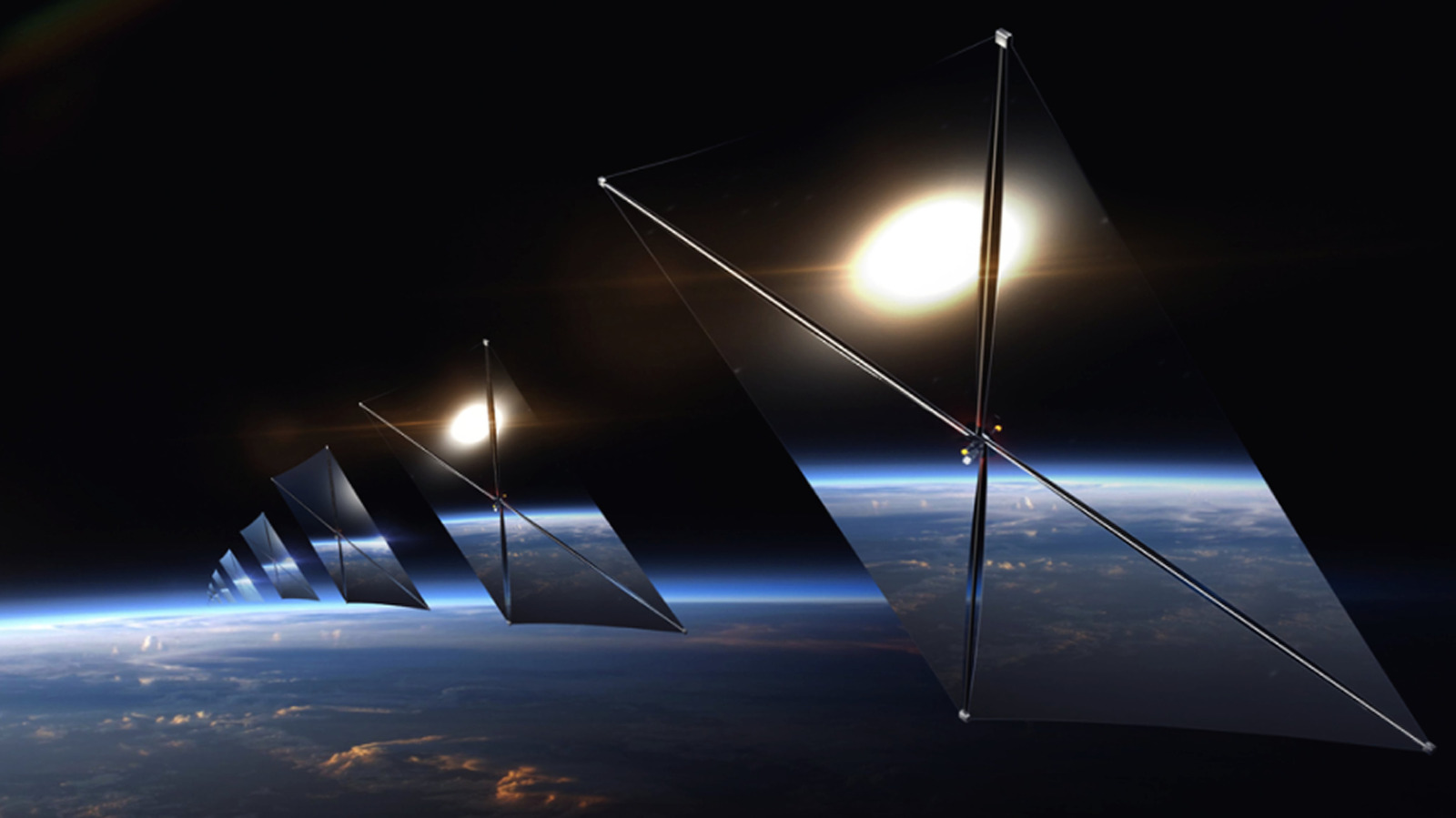
انعكاس ضوء الشمس خلال الليل باستخدام شبكة من الأقمار الصناعية وفقاً لشركة ريفلكت أوربيتال

بقلم إيان كارلوس كامبل 10 يوليو/تموز، 2026 3:08 مساءً بتوقيت شرق الولايات المتحدة ريفلكت أوربيتال

وافقت لجنة الاتصالات الفيدرالية على طلب شركة ريفلكت أوربيتال لإطلاق قمر صناعي تجريبي قادر على انعكاس ضوء الشمس إلى الأرض خلال الليل. كان من الضروري أن يخضع القمر الصناعي الجديد لموافقة لجنة الاتصالات الفيدرالية بسبب الطيف الراديوي الذي يعمل عليه، لكن المخاوف الأكبر لدى العلماء هي كيفية تأثيره على الصحة والبيئة أثناء الاستخدام.

يتميز قمر ريفلكت أوربيتال الصناعي، إرنديل-1، بوجود عاكس قابل للتعديل "عالي التماثل، فيلم رقيق" لتوجيه ضوء الشمس، ونظام دفع مدمج من المفترض أن يساعده على تجنب الاصطدامات والتحرك أثناء وجوده في مدار الأرض المنخفض. تتخيل شركة ريفلكت أوربيتال تشغيل شبكة على غرار ستار لينك يمكنها وضعها للحصول على ضوء الشمس عند الطلب (تشغيل الألواح الشمسية أو زيادة وضوح الرؤية لفرق البحث والإنقاذ)، ولكن في الوقت الحالي ستختبر مبدأها باستخدام قمر صناعي واحد.

لم يلق المفهوم استحساناً من قبل المجتمع العلمي. يعالج رأي لجنة الاتصالات الفيدرالية ومذكرتها عدة نقاط انتقاد للقمر الصناعي التجريبي لشركة ريفلكت أوربيتال، وأبرزها من الجمعية الفلكية الأمريكية، التي اجتمعت مع موظفي لجنة الاتصالات الفيدرالية للتعبير عن مخاوفهم.

"تعارض جمعية الفلك الأمريكية منح رخصة لشركة ريفلكت أوربيتال، لأن هذا التطبيق مختلف بشكل أساسي عن تطبيقات سواتل الاتصالات"، كتبت المجموعة. "الساتل المقترح سيعكس ضوء الشمس عمدًا على الأرض وهو مصمم ليكون مشرقًا قدر الإمكان، مما يجعل من الصعب للغاية تخفيف تأثيره على الأبحاث الفلكية".

تقول جمعية الفلك الأمريكية أيضًا إن انعكاس الساتل قد يسبب ضررًا للعين لعلماء الفلك الهواة و"عمى مؤقت للطيارين والسائقين". حتى أن شركة ريفلكت أوربيتال نفسها اعترفت بمخاطر إصابة العين "إذا نظر شخص ما إلى أرينديل-1 من خلال تلسكوب بفتحة أكبر من 12 بوصة"، وفقًا لجمعية الفلك الأمريكية.

في استجابتها، رفضت لجنة الاتصالات الفيدرالية (FCC) النظر في هذه القضايا، مستشهدة بقانون الاتصالات (القانون الذي أنشأ اللجنة)، والذي ينص على أن سياسة الولايات المتحدة هي "تشجيع توفير التقنيات والخدمات الجديدة للجمهور". تعتبر لجنة الاتصالات الفيدرالية تكنولوجيا ريفلكت أوربيال الجديدة ذات فائدة عامة، وتعتبر تلك المخاوف الأكبر المتعلقة بالصحة والبيئة "غير مرتبطة بدور اللجنة في الترخيص لاستخدام طيف الترددات الراديوية".

عند سؤال شركة ريفلكت أوربيتال للتعليق على انتقادات جمعية الفلك الأمريكية، أشارت الشركة إلى المقتبس أدناه من رأي لجنة الاتصالات الفيدرالية:

قد نزن الخطر الصغير الذي قد يتعرض له فرد ما باستخدامه تلسكوبًا كبيرًا في اللحظة التي يمر فيها (إيرانديل-1) من فوقه أثناء انعكاس ضوء الشمس بنشاط بالزاوية الضرورية لزيادة التعرض دون إخطار الجمهور لتجنب التعرض، وأن الفرد ينظر مباشرة إلى إيرانديل-1 عبر ذلك التلسكوب الكبير لفترة كافية لتسبب ضررًا للعين، مقابل فوائد السماح للشركات الأمريكية باختبار تكنولوجيا مبتكرة في الفضاء.

تضم قائمة موقع (ريفليكت أوربيتال) عدة احتياطات تخطط لاتخاذها لجعل قمرها الصناعي أقل إزعاجًا للباحثين، والطيارين، وعامة الجمهور، مثل انعكاس الضوء فقط خلال أوقات محددة مسبقًا، وتحذير الباحثين مسبقًا عندما يتم استخدام قمرها الصناعي وتجنب انعكاس الأضواء بالقرب من المراصد والمناطق المحمية. ما إذا كانت تلك الاحتياطات ستكون كافية إذا أطلقت الشركة الناشئة المزيد من الأقمار الصناعية، يظل أمرًا لم يتضح بعد، لكن موافقة لجنة الاتصالات الفيدرالية تثير سؤالًا مهمًا: "إذا كان المنظم الذي يمنح تراخيص هذه الأقمار الصناعية لا يمتلك تفويضًا لفحص ما تفعله بالفعل في السماء أو الأرض من أسفل"، كما كتب جيمس فيرنر من (دارك سكاى يو كيه)، "فمن إذن؟"

تحديث، 10 يوليو، 6:18 مساءً بتوقيت شرق الولايات المتحدة: أضيف رد من (ريفليكت أوربيتال).

FCCsatellitesastronomy
الخبر متوفّر باللغات التالية:English
المصدر الأصلي للخبر
إنجاجيت

FCC grants approval for sun-reflecting space mirror that's been widely criticized by astronomers

July 10, 2026·Engadget
FCC grants approval for sun-reflecting space mirror that's been widely criticized by astronomers

Reflect Orbital wants to direct sunlight at night with a network of satellites.

By Ian Carlos Campbell July 10, 2026 3:08 pm EST Reflect Orbital

The Federal Communications Commission has approved Reflect Orbital's request to launch a demonstration satellite that can reflect sunlight to Earth at night. The new satellite had to go through FCC approval because of the radio spectrum it operates on, but the larger concern from scientists is how it could affect health and the environment while in use.

Reflect Orbital's satellite, Earendil-1, features an adjustable "highly specular, thin-film reflector" for directing sunlight, and a built-in propulsion system that's supposed to help it avoid collisions and otherwise maneuver while in low-earth orbit. Reflect Orbital imagines operating a Starlink-esque network it can position for on-demand sunlight (powering solar panels or increasing visibility for search-and-rescue teams), but for now it'll test its premise with a single satellite.

The concept has not gone unchallenged by the scientific community. The FCC's memorandum opinion and order addresses multiple points of criticism of Reflect Orbital's demonstration satellite, most notably from the American Astronomical Society, who met with FCC staff to express their concerns.

"AAS opposes the granting of a license to Reflect Orbital, because this application is fundamentally different from those for telecommunications satellites," the group writes. "The proposed satellite would be intentionally reflecting sunlight on Earth and is designed to be as bright as possible, making impacts on astronomical research extremely challenging to mitigate."

The AAS also says the satellite's reflection could cause eye damage to amateur astronomers and the "temporary flash blinding of pilots and drivers." Reflect Orbital itself has even acknowledged the risk of eye damage "if someone were to view Earendil-1 through a telescope with an aperture larger than 12 inches," according to the AAS.

In its response, the FCC declined to consider those issues, citing the Communications Act (the law that created the commission), which states that the United States' policy is to "encourage the provision of new technologies and services to the public." Reflect Orbital's new technology is in the public interest in the FCC's opinion, and those larger, health and environmental concerns are "unrelated to the Commission's role in authorizing use of radiofrequency spectrum."

When asked to comment on the AAS' criticism, Reflect Orbital pointed to the excerpt below from the FCC's opinion:

We might weigh the small risk that an individual happens to be using a large telescope at the exact moment that Earendil-1 passes overhead while actively reflecting sunlight at the angle necessary to maximize exposure without notice to the public to avoid the exposure, and that the individual stares directly at Earendil-1 through that large telescope for a sufficient time to develop eye damage, against the benefits of permitting American companies to test innovative technology in space.

Reflect Orbital's website lists several precautions it plans to take to make its satellite less obtrusive to researchers, pilots and the general public, like only reflecting light during predetermined times, warning researchers in advance when its satellite will be in use and avoiding reflecting lights near observatories and protected areas. Whether those precautions will be enough if the startup launches more satellites remains to be seen, but the FCC's approval raises an important question: "If the regulator licensing these satellites has no mandate to examine what they actually do to the sky or the Earth below," Dark Sky UK's James Verner writes, "then who does?"

Update, July 10, 6:18PM ET: Added response from Reflect Orbital.

FCCsatellitesastronomy
This article is also available in:العربية
Original source article
Engadget