المجلس الوزاري للذكاء الاصطناعي والتنمية برئاسة منصور بن زايد يستعرض المرحلة الثانية من مشروع الذكاء الاصطناعي المساعد - وكالة وام
9 سبتمبر 2026·وكالة أنباء الإمارات
المجلس الوزاري للذكاء الاصطناعي والتنمية برئاسة منصور بن زايد يستعرض المرحلة الثانية من مشروع الذكاء الاصطناعي المساعد - وكالة وام

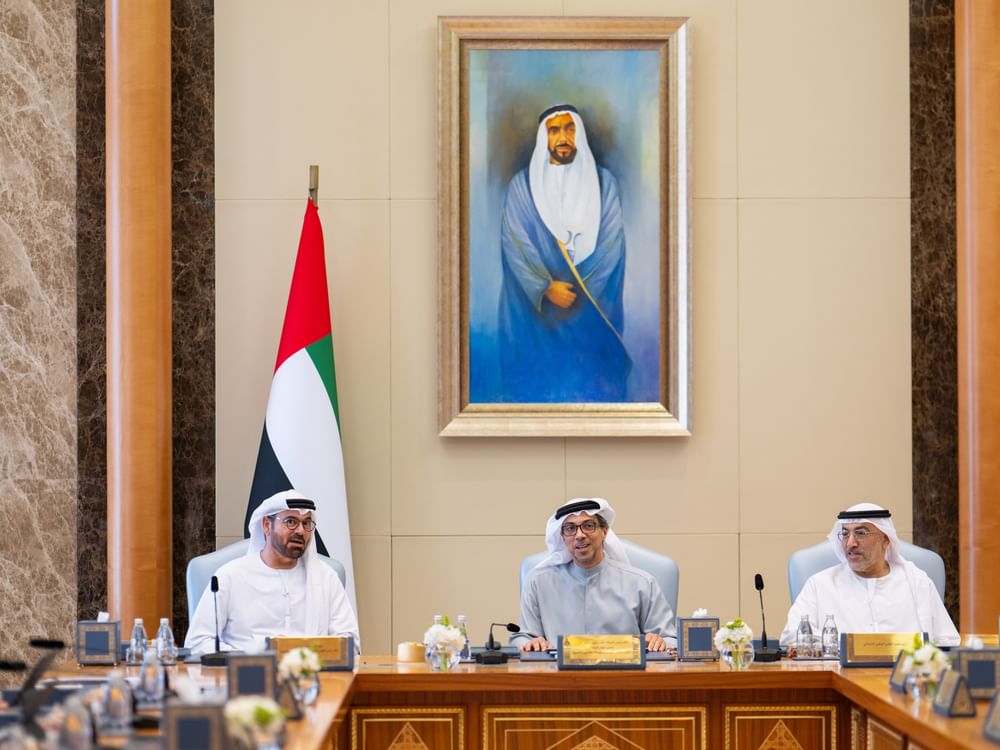
أبوظبي في 9 سبتمبر/ وام/ ترأس سمو الشيخ منصور بن زايد آل نهيان، نائب رئيس الدولة نائب رئيس مجلس الوزراء رئيس ديوان الرئاسة، اجتماع المجلس الوزاري للذكاء الاصطناعي والتنمية، الذي عُقد في قصر الوطن بأبوظبي، حيث استعرض المجلس المرحلة الثانية من مشروع الذكاء الاصطناعي المساعد، ومستجدات تنفيذ المشروع، وعدداً من المشاريع والمبادرات الوطنية المرتبطة به.

وأكد سمو الشيخ منصور بن زايد آل نهيان، خلال الاجتماع، أن دولة الإمارات، بقيادة صاحب السمو الشيخ محمد بن زايد آل نهيان، رئيس الدولة، "حفظه الله"، وأخيه صاحب السمو الشيخ محمد بن راشد آل مكتوم نائب رئيس الدولة رئيس مجلس الوزراء حاكم دبي "رعاه الله"، تواصل تطوير نموذج حكومي متقدم يُوظف التقنيات الحديثة والذكاء الاصطناعي في تعزيز كفاءة العمل الحكومي وتسريع الإنجاز والارتقاء بجودة حياة المجتمع.

وقال سموه: " الذكاء الاصطناعي المساعد يُمثل مرحلة جديدة في مسيرة تطوير حكومة المستقبل، ومستهدفنا تحويل إمكاناته إلى أثر ملموس في كفاءة الحكومة وجودة الخدمات وسرعة الإنجاز، وبناء قدرات وطنية قادرة على قيادة هذا التحول بكفاءة ومسؤولية".

وأضاف سموه : "نعمل على بناء منظومة حكومية أكثر ذكاءً ومرونة واستباقية، تستفيد من الذكاء الاصطناعي المساعد في تطوير الخدمات والعمليات والمهام وصناعة السياسات والقرارات، ضمن بنية رقمية آمنة وموثوقة، وبما يُعزز جاهزية حكومة الإمارات للمستقبل ويُرسخ ريادتها في تطوير نماذج العمل الحكومي".

واستعرض المجلس، خلال جلسته، أهم ملامح ومستهدفات إستراتيجية مشروع الذكاء الاصطناعي المساعد لحكومة دولة الإمارات، التي تمثل إطاراً وطنياً موحداً لتوسيع تبني تطبيقات ونماذج الذكاء الاصطناعي المساعد في العمل الحكومي، وتعزيز ريادة حكومة الإمارات عالمياً في هذا المجال.

كما استعرض المجلس أهم مشاريع الإستراتيجية والتي تضمنت إنشاء منظومة تقنية وطنية للذكاء الاصطناعي المساعد "FedAI" لتمكين الجهات الحكومية الاتحادية من تطوير واعتماد وتشغيل حلول الذكاء الاصطناعي المساعد ضمن منظومة مرنة وآمنة، وإنشاء مختبر تجربة المتعامل لتطبيق الذكاء الاصطناعي المساعد في الخدمات الحكومية وغيرها من المجالات، وإطلاق عدد من التحديات الحكومية لإشراك الموظفين في تطوير الحلول.

وناقش المجلس نتائج المرحلة الأولى من تنفيذ المشروع، التي ركزت على بناء القدرات الحكومية، وحصر وتقييم الخدمات الحكومية والعمليات والمهام في الحكومة وتحديد الأولويات، كما تم استعراض عدد من المشاريع والخدمات والعمليات المقدمة من الوزارات والجهات الاتحادية والتي سيتم إطلاقها خلال المرحلة القادمة باستخدام الذكاء الاصطناعي المساعد.

ومن جانب آخر، استعرض المجلس قرارات مجلس الوزراء في قطاعات حكومية مختلفة، تضمنت: الرعاية الصحية والجينوم، وتنظيم الشركات التجارية، وقطاع التعاونيات، وتنظيم التسويق عبر المكالمات الهاتفية، إضافة إلى تعزيز سلامة المنتجات الغذائية، ورفع كفاءة المنظومة الضريبية، وغيرها من المقترحات التشريعية في مجالات مختلفة.

كما ناقش المجلس مستجدات تنفيذ الإستراتيجيات والسياسات الوطنية، وعدد من التقارير والسياسات الحكومية المتعلقة بالاستدامة البيئية، والطاقة المتجددة، وتشجيع الاستثمار في الدولة.

AIالذكاء الاصطناعيمنصور بن زايد
الخبر متوفّر باللغات التالية:English
المصدر الأصلي للخبر
وكالة أنباء الإمارات

The Ministerial Council for Artificial Intelligence and Development chaired by Mansour bin Zayed reviews the second phase of the AI assistant project – WAM news agency

September 09, 2026·WAM
The Ministerial Council for Artificial Intelligence and Development chaired by Mansour bin Zayed reviews the second phase of the AI assistant project – WAM news agency

Abu Dhabi, September 9 (WAM) - His Highness Sheikh Mansour bin Zayed Al Nahyan, Vice President of the State, Deputy Prime Minister and Chairman of the Presidential Court, chaired the meeting of the Council for Artificial Intelligence and Development, which was held at the Palace of the Nation in Abu Dhabi. The council reviewed phase two of the AI Assistant project, as well as updates on the implementation of the project and a number of national projects and initiatives related to it.

During the meeting, His Highness Sheikh Mansour bin Zayed Al Nahyan affirmed that the United Arab Emirates, under the leadership of His Highness Sheikh Mohamed bin Zayed Al Nahyan, President of the State (may God protect him), and his brother His Highness Sheikh Mohammed bin Rashid Al Maktoum, Vice President of the State, Prime Minister and Ruler of Dubai (may God preserve him), continues to develop an advanced government model that utilizes modern technologies and artificial intelligence to enhance the efficiency of government work, accelerate achievement, and improve the quality of life in society.

He said: "The AI Assistant represents a new stage in the journey towards developing the future government. Our goal is to transform its potential into tangible impact on government efficiency, service quality, and speed of achievement, as well as building national capabilities capable of leading this transformation efficiently and responsibly."

He added: "We are working to build a smarter, more flexible, and proactive government system that leverages the AI Assistant in developing services, processes, tasks, and making policies and decisions within a secure and reliable digital infrastructure. This will enhance the readiness of the UAE government for the future and solidify its leadership in developing government work models."

During its meeting, the Board reviewed the main features and objectives of the Artificial Intelligence Assistant Strategy for the Government of the United Arab Emirates, which represents a unified national framework for expanding the adoption of AI assistant applications in government work and enhancing the leadership of the UAE government in this field.

The Board also reviewed the most important projects of the strategy, which included establishing a national technical system for artificial intelligence assistants "FedAI" to enable federal government entities to develop, adopt, and operate AI assistant solutions within a flexible and secure system, as well as creating an experience lab for applying AI assistants in government services and other fields, and launching several government challenges to engage employees in developing solutions.

The Board discussed the results of the first phase of project implementation, which focused on building government capacity, identifying and evaluating government services, processes, and tasks, and setting priorities. Several projects, services, and operations provided by federal ministries and entities that will be launched using AI assistants during the next phase were also reviewed.

On another hand, the Board reviewed the decisions of the Council of Ministers in various government sectors, which included: healthcare and genomics, regulation of commercial companies, cooperatives sector, regulation of telemarketing, enhancing food safety, improving the efficiency of the tax system, and other legislative proposals in different fields.

The Council also discussed the latest developments in implementing national strategies and policies, as well as a number of government reports and policies related to environmental sustainability, renewable energy, and investment promotion in the country.

AIالذكاء الاصطناعيمنصور بن زايد
This article is also available in:العربية
Original source article
WAM