بعد سنوات من التحذيرات.. لماذا تراجع الذكاء الاصطناعي عن تهمة "ابتلاع الوظائف"؟
6 يوليو 2026·البيان
بعد سنوات من التحذيرات.. لماذا تراجع الذكاء الاصطناعي عن تهمة "ابتلاع الوظائف"؟
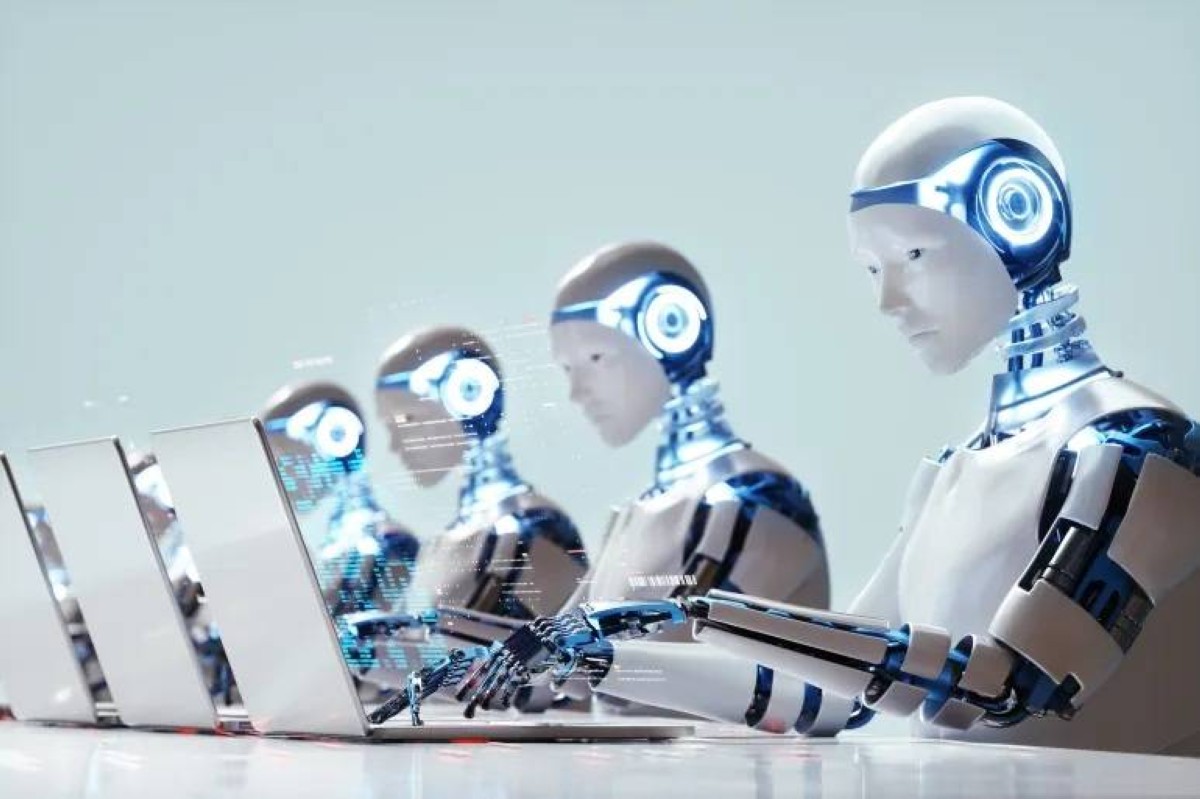
بعد سنوات من التحذيرات المتكررة التي رسمت صورة قاتمة لمستقبل الوظائف مع صعود الذكاء الاصطناعي، يبدو أن كبرى شركات التكنولوجيا بدأت تعيد النظر في توقعاتها.

فبدلاً من الحديث عن موجات تسريح جماعية واختفاء ملايين الوظائف، أصبح الخطاب أكثر تفاؤلاً، مع تأكيد متزايد على أن الذكاء الاصطناعي سيغير طبيعة العمل أكثر مما سيقضي عليه.

ويأتي هذا التحول في وقت تتزايد فيه المخاوف الشعبية من تأثير الذكاء الاصطناعي على فرص العمل، ما دفع العديد من قادة القطاع إلى إعادة صياغة رسائلهم والتأكيد على أن الإنسان سيظل العنصر الأهم في بيئة العمل المستقبلية.

في أحدث تصريحاته، أقر الرئيس التنفيذي لشركة أثار اجتماعية، سام ألتمان، بأن القطاع أخطأ في تقدير الآثار الاجتماعية والاقتصادية للذكاء الاصطناعي، رغم نجاحه في توقع التطورات التقنية.

وقال خلال مؤتمر عُقد أواخر مايو: "كنا قريبين من الصواب في توقعاتنا التكنولوجية، لكننا كنا بعيدين عن الدقة فيما يتعلق بالتأثيرات الاجتماعية والاقتصادية."

وأضاف أن العاملين في القطاع "قللوا من حجم الدور الذي سيواصل الإنسان لعبه في كل ما يتعلق بالذكاء الاصطناعي"، في إشارة إلى أن التقنية لن تعمل بمعزل عن البشر، بل ستعتمد عليهم بصورة أكبر مما كان يُعتقد.

من التخويف إلى التطمين

قبل عام تقريباً، كانت التصريحات الصادرة عن رؤساء شركات التكنولوجيا تركز على أن الذكاء الاصطناعي سيؤدي إلى اختفاء أعداد كبيرة من الوظائف، خاصة الوظائف المكتبية والروتينية.

لكن خلال الأسابيع الأخيرة، تغيرت النبرة بشكل واضح، إذ بدأت الشركات تتحدث عن الذكاء الاصطناعي باعتباره أداة لتعزيز الإنتاجية وتحسين أداء الموظفين، وليس بديلاً مباشراً عنهم.

ويرى محللون أن هذا التحول يعكس نتائج الاستخدام الفعلي للذكاء الاصطناعي داخل المؤسسات، حيث تبين أن التقنية لا تستطيع في كثير من الحالات العمل بكفاءة دون إشراف بشري، خصوصاً في الوظائف التي تتطلب الإبداع، واتخاذ القرار، والتواصل مع العملاء.

الوظائف لن تختفي لكنها ستتغير

يشير خبراء الاقتصاد إلى أن الذكاء الاصطناعي سيؤدي بالفعل إلى إعادة تشكيل سوق العمل، لكن التأثير الأكبر سيكون في تغيير طبيعة الوظائف بدلاً من إلغائها بالكامل.

فالعديد من المهام الروتينية يمكن أتمتتها، بينما ستظهر في المقابل وظائف جديدة تتطلب مهارات في إدارة الأنظمة الذكية، وتحليل البيانات، والهندسة البرمجية، والإشراف على تطبيقات الذكاء الاصطناعي.

ويؤكد الخبراء أن الموظفين الذين يطورون مهاراتهم الرقمية ويواكبون التقنيات الحديثة سيكونون الأكثر استفادة من هذه المرحلة الانتقالية.

قلق

يرى مراقبون أن تغير خطاب شركات التكنولوجيا لم يأتِ من فراغ، بل جاء بالتزامن مع تزايد القلق الشعبي بشأن مستقبل الوظائف، وارتفاع الأصوات المطالبة بوضع ضوابط لاستخدام الذكاء الاصطناعي.

ومع اتساع هذا الجدل، أصبحت الشركات أكثر حرصاً على طمأنة الموظفين والمستثمرين بأن الذكاء الاصطناعي ليس مشروعاً لاستبدال البشر، بل وسيلة لرفع الكفاءة وتسريع الإنجاز.

شراكة

ورغم استمرار التطور السريع للذكاء الاصطناعي، فإن الرسالة التي بدأت تبرز من داخل كبرى شركات التكنولوجيا تبدو مختلفة عما كانت عليه قبل عام، فالمستقبل لن يكون صراعاً بين الإنسان والآلة، بل شراكة بينهما.

وبينما ستتغير طبيعة كثير من المهن خلال السنوات المقبلة، يتفق قادة القطاع بشكل متزايد على أن النجاح لن يكون من نصيب الذكاء الاصطناعي وحده، بل لأولئك الذين يعرفون كيف يوظفونه لتعزيز قدراتهم، لا لاستبدالها.

AIالذكاء الاصطناعيوظائف
الخبر متوفّر باللغات التالية:English
المصدر الأصلي للخبر
البيان

After Years of Warnings, Why is Artificial Intelligence Retreating from the Accusation of “Swallowing Jobs”?

July 06, 2026·Al Bayan
After Years of Warnings, Why is Artificial Intelligence Retreating from the Accusation of “Swallowing Jobs”?

After years of repeated warnings that painted a bleak picture for the future of jobs with the rise of artificial intelligence, it seems that major technology companies are starting to reconsider their predictions.

Instead of talking about waves of mass layoffs and the disappearance of millions of jobs, the discourse has become more optimistic, with increasing emphasis on the fact that AI will change the nature of work rather than eliminate it.

This shift comes at a time when public concerns are growing about the impact of artificial intelligence on employment opportunities, prompting many industry leaders to reshape their messages and emphasize that humans will remain the most important element in the future workplace environment.

In his latest statement, the CEO of a social media company Sam Altman admitted that the sector underestimated the socio-economic effects of artificial intelligence despite its success in predicting technological developments.

He said during a conference held at the end of May: “We were close to being right in our technological predictions but we were far from accurate regarding the social and economic impacts.”

He added that sector employees “underestimated the role humans will continue to play in everything related to artificial intelligence,” referring to the fact that technology will not work independently of humans, but rather it will depend on them more than was thought.

From fear to reassurance

Almost a year ago, statements issued by heads of technology companies focused on the fact that artificial intelligence would lead to the disappearance of large numbers of jobs, especially office and routine jobs.

But in recent weeks, the tone has changed significantly as companies began talking about artificial intelligence as a tool for enhancing productivity and improving employee performance rather than a direct substitute for them.

Analysts believe that this shift reflects the results of the actual use of artificial intelligence within institutions, where it was found that in many cases technology cannot work efficiently without human supervision, especially in jobs requiring creativity, decision-making and communication with customers.

Jobs will not disappear, but they will change

Economists indicate that artificial intelligence (AI) will indeed reshape the job market, but its greatest impact will be in changing the nature of jobs rather than completely eliminating them.

Many routine tasks can be automated, while new jobs requiring skills in managing intelligent systems, data analysis, software engineering, and overseeing AI applications will emerge.

Experts emphasize that employees who develop their digital skills and keep up with modern technologies will benefit the most from this transitional phase.

Concern

Observers believe that the change in technology companies' rhetoric is not a coincidence, but rather comes at a time of growing public concern about the future of jobs and increasing calls for regulations on AI usage.

As this debate widens, companies are becoming more cautious in reassuring employees and investors that AI is not a project to replace humans, but rather a means to increase efficiency and speed up achievements.

Partnership

Despite the rapid development of artificial intelligence, the message emerging from major technology companies seems different from what it was a year ago. The future will not be a struggle between man and machine, but rather a partnership between them.

As the nature of many jobs changes over the next few years, industry leaders increasingly agree that success will go to those who know how to employ AI to augment rather than replace human capabilities.

AIالذكاء الاصطناعيوظائف
This article is also available in:العربية
Original source article
Al Bayan