بقعة شمسية أكبر من الأرض 40 مرة.. سر مخيف وراء التوهجات العملاقة
25 سبتمبر 2026·البيان
بقعة شمسية أكبر من الأرض 40 مرة.. سر مخيف وراء التوهجات العملاقة
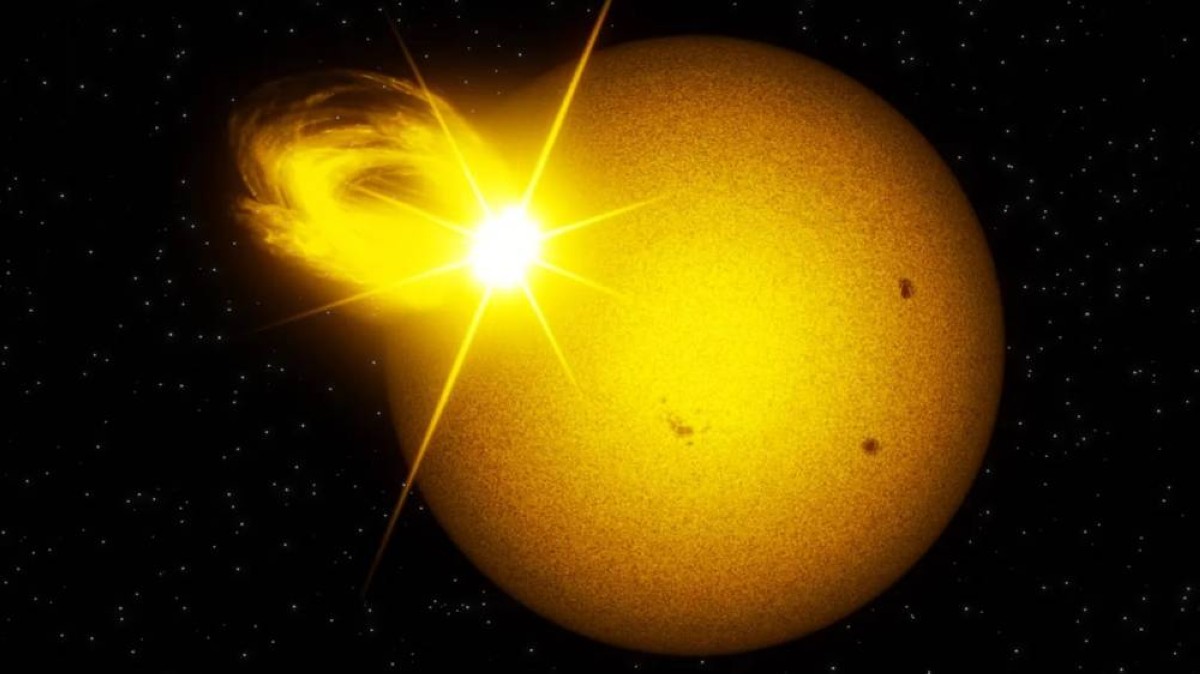
كشفت دراسة جديدة أن الشمس قد تكون قادرة على إنتاج توهجات شمسية هائلة تتجاوز بكثير أقوى الانفجارات التي رُصدت منها مباشرة، بعدما حلّل باحثون العلاقة بين حجم البقع الشمسية والطاقة التي يمكن أن تطلقها.

وتخفي شمسنا قدرة أكثر رعباً مما تبدو عليه؛ إذ تشير دراسة البقع الشمسية العملاقة إلى إمكانية حدوث توهجات تفوق بأضعاف هائلة أقوى الانفجارات الشمسية التي رصدناها حتى الآن. وإذا وصلت الشمس يوما إلى هذه المستويات القصوى، فقد لا يكون الأمر مجرد عرض مذهل في السماء، بل حدثًا قادرًا على إحداث اضطرابات واسعة في الأقمار الصناعية وشبكات الكهرباء وأنظمة الاتصالات التي يعتمد عليها العالم الحديث.

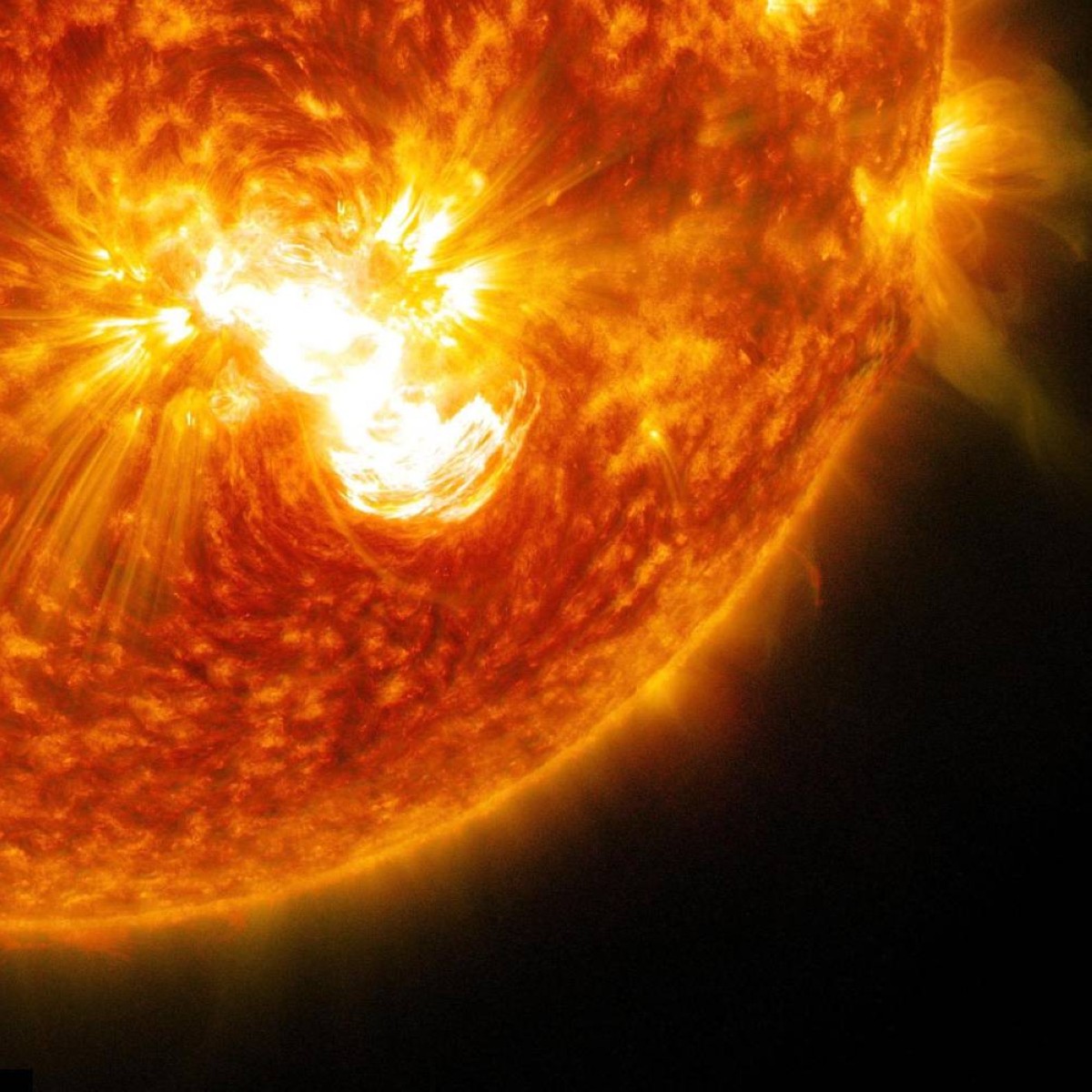
والتوهجات الشمسية انفجارات ضخمة من الإشعاع تحدث عندما تتراكم الطاقة في المجالات المغناطيسية للشمس ثم تتحرر فجأة. وفي أقصى حالاتها، يمكن أن تطلق طاقة هائلة، فيما تحمي الأرضَ إلى حد كبير طبقاتُ غلافها الجوي ومجالها المغناطيسي من آثارها المباشرة.

لكن علماء الفلك رصدوا في نجوم شبيهة بالشمس ما يعرف بـ«التوهجات الفائقة»، التي يمكن أن تكون أقوى بمئات أو آلاف المرات من التوهجات الشمسية المعروفة. وهو ما دفع فريقًا بقيادة باحثين من معهد ماكس بلانك لأبحاث النظام الشمسي في ألمانيا إلى طرح سؤال أساسي: هل تستطيع شمسنا نفسها إنتاج مثل هذه الانفجارات؟

في الدراسة المنشورة في مجلة «المعاملات الفلسفية للجمعية الملكية أ»، حلّل الباحثون أقوى 300 توهج شمسي رُصدت بين عامي 2010 و2016، مع التركيز على المناطق النشطة التي نشأت منها هذه الانفجارات.

ووجد الفريق علاقة إحصائية بين طاقة التوهج وحجم المنطقة النشطة المرتبطة به، ما سمح للباحثين بتقدير الطاقة التي يمكن أن تنتجها مناطق شمسية أكبر بكثير.

ثم عاد الباحثون إلى سجلات البقع الشمسية التاريخية التي تمتد لنحو أربعة قرون، بحثًا عن أكبر المناطق التي ظهرت على سطح الشمس.

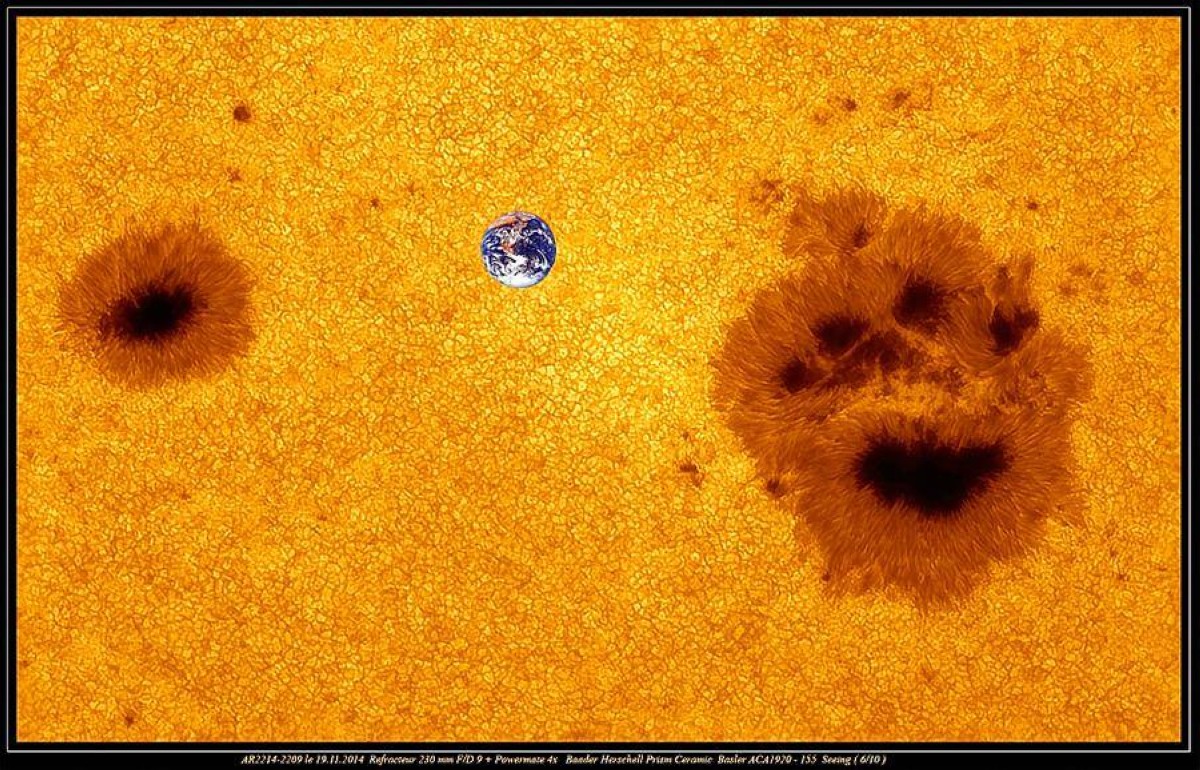
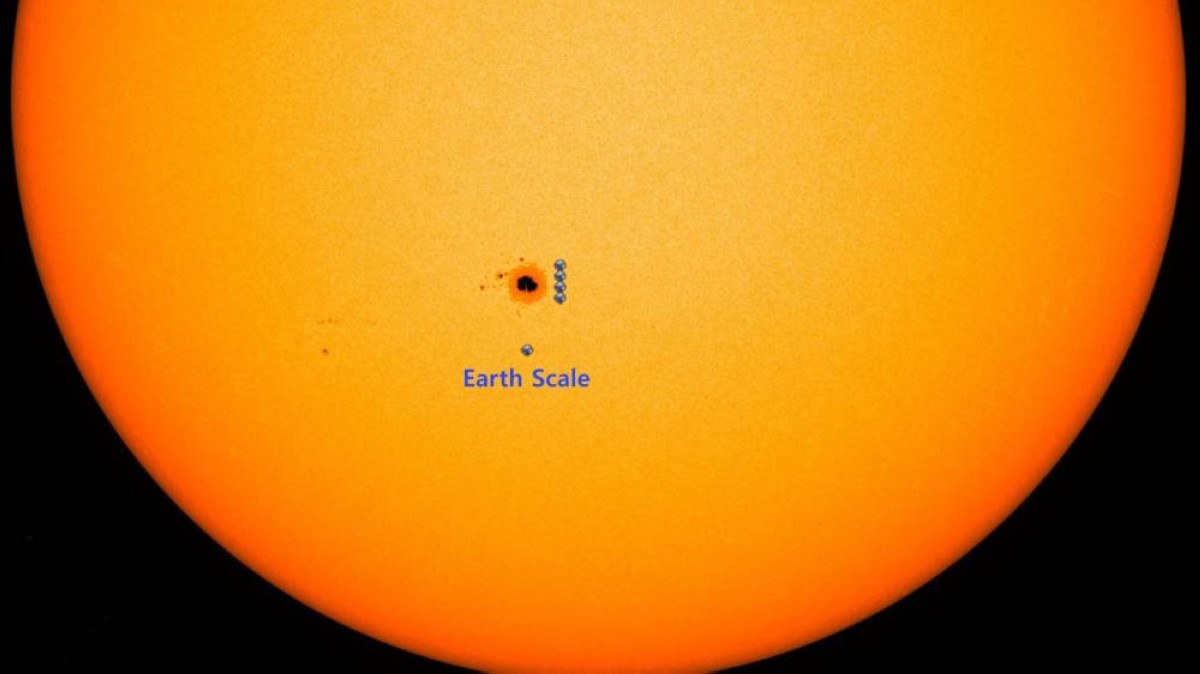
وكانت إحدى أبرز الحالات البقعة الشمسية العملاقة التي رُصدت عام 1947، والتي غطت نحو 0.6% من قرص الشمس المرئي. ويشير التحليل إلى أن بقعة بهذا الحجم، يبلغ قطرها نحو 40 ضعف قطر الأرض، يمكن نظريًا أن تنتج توهجًا يقع عند الحد الأدنى من نطاق «التوهجات الفائقة» التي شوهدت على نجوم أخرى شبيهة بالشمس.

وقالت عالمة الفيزياء الفلكية ناتالي كريفوفا، من معهد ماكس بلانك لأبحاث النظام الشمسي، إن النتائج تشير إلى أن شمسنا لديها بالفعل إمكانية إنتاج توهجات هائلة.

وتنسجم هذه النتائج مع أدلة مستقلة على تعرض الأرض في الماضي لأحداث شمسية شديدة للغاية، من بينها ما يعرف بـ«أحداث الجسيمات الشمسية النشطة للغاية»، وهي عواصف إشعاعية لم تُرصد مباشرة بالأجهزة الحديثة، لكن آثار بعضها ظهرت في سجلات حلقات الأشجار.

ولا يعني ذلك أن الشمس ستنتج توهجًا فائقًا قريبًا، إذ يؤكد الباحثون أن دراستهم لا تحدد احتمالية حدوث هذه الأحداث أو معدل تكرارها، وإنما تضع حدودًا للطاقة القصوى التي يمكن أن تنتجها أكثر مجموعات البقع الشمسية تطرفًا في السجل التاريخي.

وتكتسب المسألة أهمية خاصة لأن العواصف الشمسية الشديدة قد تؤثر في الأقمار الصناعية وشبكات الكهرباء وأنظمة الاتصالات وغيرها من البنية التحتية التقنية، ما يجعل فهم أقصى قدرات الشمس جانبًا مهمًا من أبحاث طقس الفضاء.

sunsolar flaresastronomy
الخبر متوفّر باللغات التالية:English
المصدر الأصلي للخبر
البيان

A Sunspot 40 Times the Size of Earth – A Terrifying Secret Behind Gigantic Flares

September 25, 2026·Al Bayan
A Sunspot 40 Times the Size of Earth – A Terrifying Secret Behind Gigantic Flares

A new study has revealed that the sun may be capable of producing massive solar flares far exceeding the strongest eruptions ever directly observed, after researchers analyzed the relationship between the size of sunspots and the energy that could be released.

Our sun conceals a more terrifying power than it appears to have; the study of giant solar spots indicates that there is a possibility of flares that are many times stronger than the strongest solar eruptions we have observed so far. If the sun ever reached these extreme levels, it would not be just an amazing show in the sky but an event capable of causing widespread disruptions to satellites, power grids and communication systems on which modern society depends.

Solar flares are massive bursts of radiation that occur when energy is suddenly released from the sun’s magnetic fields. In their most extreme cases, they can release a huge amount of energy, while Earth's atmosphere and magnetic field largely protect it from direct effects.

However, astronomers have observed what are known as “superflares” on stars similar to our sun that could be hundreds or thousands of times stronger than the solar flares we know. This has prompted a team led by researchers at the Max Planck Institute for Solar System Research in Germany to ask an essential question: can our sun itself produce such eruptions?

In a study published in Philosophical Transactions A, the researchers analyzed the 300 strongest solar flares observed between 2010 and 2016, focusing on the active regions from which these eruptions originated.

The team found a statistical relationship between the energy of the flare and the size of the active region associated with it, allowing researchers to estimate the amount of energy that could be produced by much larger solar regions.

Then the researchers went back to historical records of sunspots that extend over nearly four centuries, looking for the largest regions ever seen on the Sun’s surface.

One of the most striking cases was a giant sunspot observed in 1947, which covered about 0.6% of the visible solar disk. Analysis suggests that a spot this size—about 40 times the diameter of Earth—could theoretically produce an eruption at the lower end of the “superflares” range seen on other stars similar to our Sun.

“Our results show that our Sun has the potential to produce huge flares,” said Natalie Krivova, a solar physicist at the Max Planck Institute for Solar System Research.

The findings are consistent with independent evidence of Earth’s past exposure to extremely intense solar events, including so-called “extreme solar proton events”—radiative storms that were not directly observed by modern instruments but whose effects have been seen in tree ring records.

This doesn’t mean the Sun will produce a superflares anytime soon. The researchers stress that their study does not determine the likelihood of these events or how often they occur, but rather sets limits on the maximum energy that can be produced by the most extreme sunspot groups in historical records.

The issue is particularly important because severe solar storms can affect satellites, power grids, communication systems and other technical infrastructure. Understanding the sun’s maximum capabilities is therefore an important part of space weather research.

sunsolar flaresastronomy
This article is also available in:العربية
Original source article
Al Bayan