داخل مزارع النقر.. ماذا يحدث فعلاً خلف ملايين الإعجابات؟
18 أغسطس 2026·البيان
داخل مزارع النقر.. ماذا يحدث فعلاً خلف ملايين الإعجابات؟
من الخارج، لا تحتاج العملية إلى أكثر من موقع يعرض خدمة واضحة: ألف متابع، عشرة آلاف مشاهدة، أو مجموعة من الإعجابات مقابل مبلغ مالي، لكن ما يحدث بعد تقديم الطلب قد يقود إلى غرف تحتوي على مئات الهواتف، أو إلى عمال يتنقلون بين عشرات الحسابات، أو إلى أنظمة آلية تدير آلاف الهويات الرقمية في وقت واحد. هذه هي البنية التي تقف خلف ما يعرف بـ«مزارع النقر».

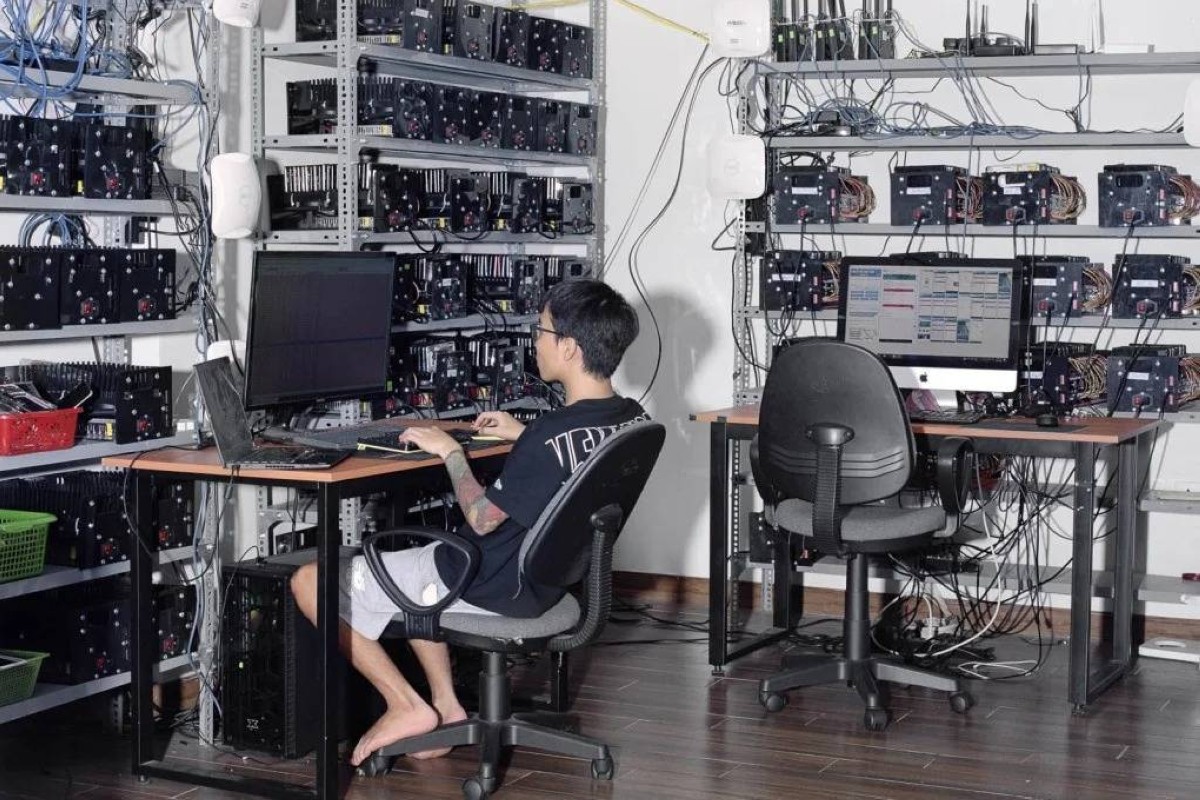
وبحسب تقرير نشرته مجلة «ديجيت» عن كواليس هذه المزارع، تبدأ العملية عادة بإنشاء أعداد كبيرة من الحسابات غير الحقيقية وتستخدم بعض العمليات عناوين بريد إلكتروني مصطنعة ومولدات عشوائية للأسماء لإنشاء آلاف الحسابات، ثم توزع هذه الحسابات على أجهزة وهواتف مختلفة قبل استخدامها لتنفيذ الطلبات التي تصل إلى المزرعة، من الإعجاب والمتابعة إلى مشاهدة المقاطع والتفاعل معها.

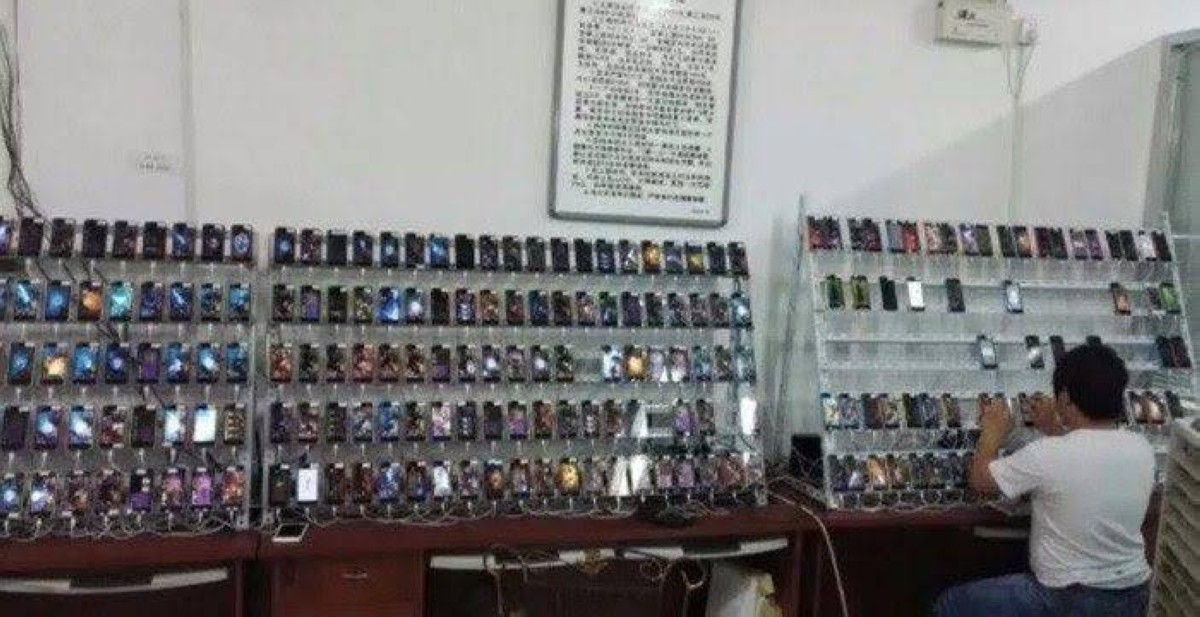
ويكشف التقرير أن إحدى صور المزرعة قد تكون أقرب إلى مخزن للهواتف منها إلى مكتب تقليدي، ففي قضية كشفتها الشرطة التايلاندية عام 2017، عثرت السلطات على نحو 500 هاتف ذكي و350 ألف شريحة اتصال لدى ثلاثة مواطنين صينيين كانوا يشغلون عملية مرتبطة بتطبيق «ويتشات»، وكانت الأجهزة تستخدم لتوفير مشاهدات وإعجابات على التطبيق.

العدد الضخم من شرائح الاتصال ليس تفصيلاً ثانوياً، فالحسابات تحتاج إلى الظهور كهويات منفصلة، وبعض الخدمات تتطلب أرقام هواتف لإنشاء الحساب أو التحقق منه، لذلك تصبح الهواتف والشرائح جزءاً أساسياً من البنية المادية للمزرعة، إلى جانب الحواسيب والبرمجيات والحسابات الوهمية.

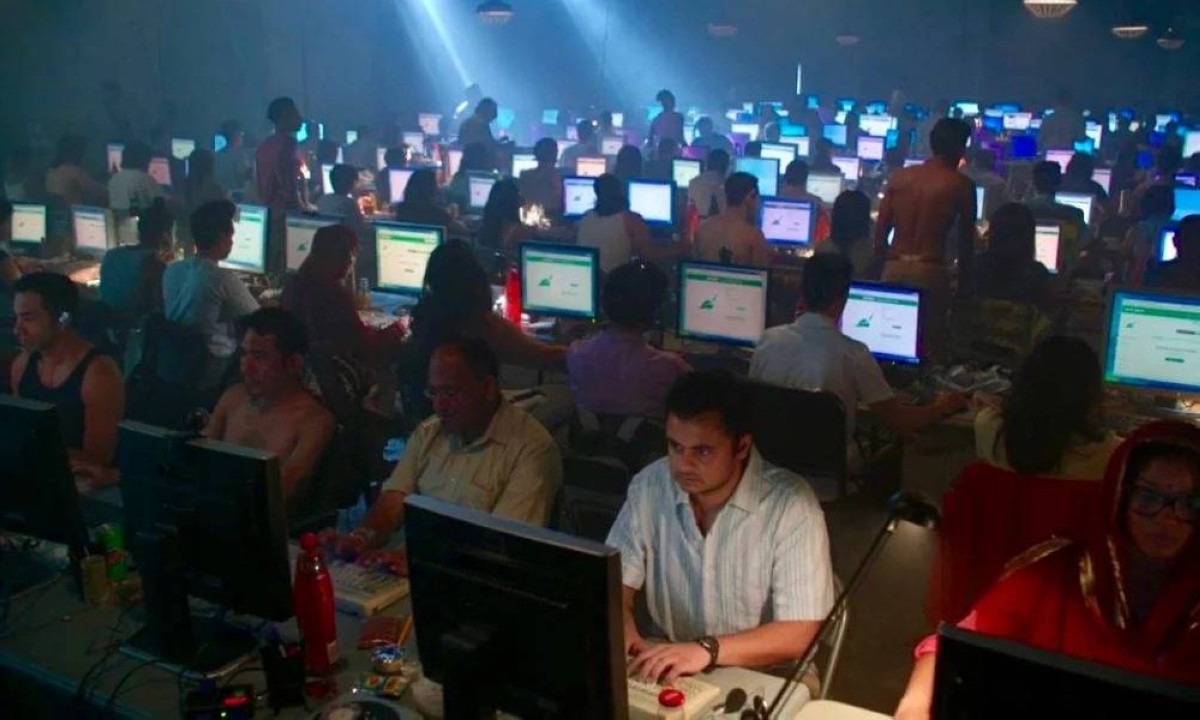
وفي المزارع التي تعتمد على البشر، يبدأ يوم العمل أمام الشاشة، فينتقل العامل يتنقل بين الحسابات والمنصات، فيما يتم تسجيل النقرات التي ينفذها، والهدف هو ألا يبدو النشاط كله صادراً من مستخدم واحد يقوم بالسلوك نفسه بصورة متكررة، ويقوم العمال بتبديل الحسابات باستمرار ولا يستخدمون المنصة نفسها بشكل متتالٍ لفترة طويلة.

ويقول «ألبرت»، وهو عامل سابق من الفلبين إنه كان يعمل 7 أيام في الأسبوع داخل إحدى هذه العمليات، وتوضح شهادته أن العمل كان شديد التكرار ومنظماً حول تنفيذ أكبر عدد ممكن من المهام الرقمية، مع قواعد يضعها المشغلون بشأن الأجهزة والحسابات المستخدمة.

وليست كل المزارع بشرية، فهناك عمليات تستخدم البرمجيات لتشغيل الحسابات، وأظهرت دراسات أكاديمية أن بعض مزارع الإعجاب تعمل بواسطة روبوتات، بينما تستخدم أخرى أساليب أكثر تعقيداً لمحاكاة نشاط المستخدم العادي.

وفي دراسة تناولت مزارع الإعجاب على «فيسبوك»، وجد الباحثون أن بعض الحسابات الوهمية كانت تنشر وتشارك محتوى آخر إلى جانب تنفيذ الإعجابات المطلوبة، بدلاً من الاكتفاء بسلسلة واضحة من النقرات المتطابقة.

وتوضح دراسة أخرى تابعت 7426 حملة على إحدى منصات العمل المصغر خلال عام كامل كيف يمكن توزيع هذه الأنشطة على آلاف الأشخاص بدلاً من جمعهم في غرفة واحدة، وضمت الحملات أكثر من 1.85 مليون مهمة صغيرة، كان 89.7% منها مرتبطاً بالترويج عبر الإنترنت، وشملت المهام إنشاء الحسابات، والتعليقات، والتصويت، والتفاعل مع المحتوى، إضافة إلى إجراءات تهدف إلى إخفاء نمط النشاط.

وبذلك قد لا تكون «المزرعة» مكاناً مادياً أصلاً، فيمكن لصاحب الخدمة أن يوزع ألف مهمة على عاملين موجودين في دول مختلفة، يحصل كل منهم على مبلغ صغير مقابل فتح رابط، أو متابعة حساب، أو الضغط على زر، ثم تجمع النتائج في طلب واحد اشتراه العميل.

أما الطرف الآخر من العملية فهو المتجر الذي يبيع هذه الخدمات، وقد وثقت لجنة التجارة الفيدرالية الأمريكية إحدى أكبر الحالات من خلال شركة «ديفومي»، التي كانت تدير مواقع تبيع متابعين ومشاهدات وإعجابات ومشتركين مزيفين على عدد من المنصات.

ووفق اللجنة، نفذت الشركة أكثر من 58 ألف طلب لمتابعين مزيفين على تويتر، وأكثر من 32 ألف طلب لمشاهدات مزيفة على يوتيوب، إضافة إلى أكثر من 4 آلاف عملية بيع لمشتركين مزيفين على يوتيوب.

كما باعت الشركة أكثر من 800 طلب لمتابعين مزيفين على لينكدإن، وكان بين العملاء شركات تسويق وعلاقات عامة، وشركات خدمات مالية واستثمارية، إضافة إلى أفراد من مجالات مختلفة.

ولهذا تعمل مزارع النقر أقرب إلى خط إنتاج رقمي، المواد الخام هي الهواتف والشرائح والحسابات وعناوين البريد الإلكتروني، والعمل هو النقر والمشاهدة والمتابعة والتعليق، والمنتج النهائي رقم يظهر أسفل منشور أو بجوار اسم حساب.

وما يراه المستخدم في النهاية لا يكشف شيئاً عن هذه السلسلة، فيظهر أمامه رقم واحد فقط: 10 آلاف إعجاب أو 100 ألف متابع أو مليون مشاهدة، أما خلف الرقم، فقد تكون هناك مئات الهواتف، وآلاف الحسابات، وعمال يتنقلون بينها، أو برنامج ينفذ المهمة بصورة آلية.

Instagramengagementfarm
الخبر متوفّر باللغات التالية:English
المصدر الأصلي للخبر
البيان

Inside the Farms of Clicks: What Really Happens Behind Millions of Likes?

August 18, 2026·Al Bayan
Inside the Farms of Clicks: What Really Happens Behind Millions of Likes?

From the outside, all that is needed for the operation is a location offering a clear service: 1,000 followers, 10,000 views, or a set of likes in exchange for a financial amount. But what happens after submitting an order could lead to rooms containing hundreds of phones, workers navigating dozens of accounts, or automated systems managing thousands of digital identities at the same time. This is the structure behind what is known as “click farms.”

According to a report published by the magazine Digit on the inside story of these farms, the process usually starts with creating large numbers of fake accounts and uses some processes that use artificial email addresses and random name generators to create thousands of accounts. These accounts are then distributed across different devices and phones before being used to execute orders that reach the farm, from liking and following to watching videos and interacting with them.

The report reveals that one of the farms could be closer to a phone warehouse than a traditional office. In a case uncovered by Thai police in 2017, authorities found around 500 smartphones and 350,000 SIM cards belonging to three Chinese citizens who were operating a WeChat-related business. The devices were used to provide views and likes on the app.

The large number of SIM cards is not a minor detail. Accounts need to appear as separate identities, and some services require phone numbers for account creation or verification. Therefore, phones and SIM cards become an essential part of the physical infrastructure of the farm, along with computers, software, and fake accounts.

In human-based farms, the workday begins in front of a screen. Workers switch between accounts and platforms while their clicks are recorded. The goal is to ensure that all activity does not appear to be coming from a single user performing the same behavior repeatedly. Workers constantly switch accounts and do not use the same platform for long periods.

Albert, a former worker from the Philippines, says he worked 7 days a week inside one of these operations. His testimony reveals that the work was highly repetitive and organized around performing as many digital tasks as possible, with rules set by operators regarding devices and accounts used.

Not all farms are human, there are operations that use software to run the calculations. Academic studies have shown that some farms of likes are operated by robots while others use more complex methods to simulate the activity of a normal user.

In a study on Facebook's farm of likes, researchers found that some fake accounts were posting and sharing other content in addition to carrying out the required likes, instead of just clicking through a clear chain of identical clicks.

Another study followed 7426 campaigns on one microtask platform over the course of a year. It showed how these activities can be distributed among thousands of people rather than being gathered in one room. The campaigns included more than 1.85 million small tasks, 89.7% of which were related to online promotion. These tasks included creating accounts, commenting, voting, and interacting with content, as well as actions aimed at concealing the pattern of activity.

In this way, a farm may not even be a physical place. The service provider can distribute 1000 tasks to workers located in different countries, each of whom receives a small amount for opening a link, following an account or pressing a button. Then the results are collected into one order purchased by the client.

The other side of the process is the store that sells these services. The US Federal Trade Commission has documented one of the largest cases through the company Devumi, which managed websites selling fake followers, views, likes and subscribers on a number of platforms.

According to the committee, the company implemented more than 58 thousand requests for fake Twitter followers and over 32 thousand requests for fake YouTube views, in addition to more than 4 thousand sales of fake YouTube subscribers.

The company also sold more than 800 requests for fake LinkedIn followers. Among the clients were marketing and public relations companies, financial services and investment firms, as well as individuals from various fields.

Therefore, click farms operate closer to a digital production line. The raw materials are phones, chips, accounts, and email addresses. The work is clicking, viewing, following, and commenting. The final product is a number that appears below a post or next to an account name.

What the user sees in the end does not reveal anything about this chain. They only see one number: 10 thousand likes or 100 thousand followers or a million views. Behind the number, there may be hundreds of phones, thousands of accounts, and workers moving between them, or a program that performs the task automatically.

Instagramengagementfarm
This article is also available in:العربية
Original source article
Al Bayan