زلزال فى وول ستريت.. سهم IBM يهبط 25% فى أسوأ يوم تداول له منذ عام 1987
15 يوليو 2026·اليوم السابع
زلزال فى وول ستريت.. سهم IBM يهبط 25% فى أسوأ يوم تداول له منذ عام 1987

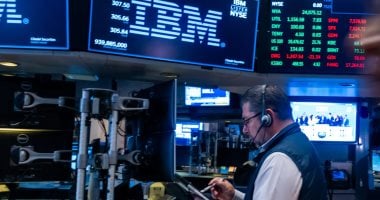
تكبد سهم شركة IBM خسائر حادة خلال تعاملات 14 يوليو 2026، بعدما هبط بنسبة 25% ، مسجلةً أسوأ يوم تداول لعملاق التكنولوجيا منذ انهيار "الاثنين الأسود" عام 1987، وذلك بعد أن أصدرت الشركة تحذيراً بشأن الأرباح، مشيرةً إلى تحول مفاجئ في إنفاق العملاء نحو خوادم الذكاء الاصطناعي والبنية التحتية.

وسجلت الشركة إيرادات أولية بلغت 17.2 مليار دولار خلال الربع الثاني، بزيادة سنوية بلغت 1% فقط، لكنها جاءت أقل من توقعات المحللين التي كانت تشير إلى 17.8 مليار دولار. كما تراجعت إيرادات قطاع البنية التحتية بنسبة 7%، في حين ارتفعت إيرادات البرمجيات بنسبة 5%.

الرئيس التنفيذي: لم نتحرك بالسرعة الكافية

واعترف الرئيس التنفيذي للشركة، أرفيند كريشنا، بأن IBM أخفقت في مواكبة التحول السريع الذي يشهده السوق، موضحًا في رسالة إلى المستثمرين أن الشركة لم تتكيف بالسرعة المطلوبة مع التغيرات، وقال كريشنا إن العديد من الصفقات الكبرى لم تُستكمل في المواعيد المتوقعة، وهو ما تسبب في الجزء الأكبر من الفجوة بين النتائج الفعلية والتوقعات.

طفرة الذكاء الاصطناعي غيرت أولويات الشركات

وأرجعت IBM تراجع أدائها إلى إعادة توجيه الشركات لإنفاقها الرأسمالي بعيدًا عن برمجيات الشركة وأنظمة الحواسيب المركزية (Mainframes)، لصالح شراء خوادم ووحدات تخزين ورقائق ذاكرة مخصصة لتشغيل تطبيقات الذكاء الاصطناعي، وأوضح كريشنا أيضًا أن العديد من العملاء انشغلوا خلال الفترة الماضية بالتطورات المتسارعة في مجال الأمن السيبراني، وهو ما أثر على قرارات الشراء والاستثمار، وأدى الهبوط الحاد إلى محو نحو 68 مليار دولار من القيمة السوقية للشركة خلال جلسة واحدة، ليغلق السهم عند 217.05 دولارًا، مسجلًا أكبر خسارة يومية منذ بدء تتبع بيانات السهم في سبعينيات القرن الماضي.
وتجاوز هذا الانخفاض حتى خسائر سهم IBM خلال انهيار "الاثنين الأسود" في 19 أكتوبر 1987، عندما تراجع السهم بنسبة 23.7%.

تحديات التحول إلى شركة برمجيات

ويعكس هذا الأداء الصعوبات التي تواجهها IBM في رحلتها للتحول من شركة تعتمد تاريخيًا على الحواسيب المركزية والأجهزة إلى شركة تركز على البرمجيات والخدمات السحابية، ورغم إنفاق الشركة عشرات المليارات من الدولارات على صفقات استحواذ كبرى، من بينها Red Hat وHashiCorp وConfluent، لتعزيز أعمال البرمجيات، فإن موجة الاستثمار الحالية في الذكاء الاصطناعي تدفع الشركات إلى توجيه ميزانياتها نحو البنية التحتية الحاسوبية ومراكز البيانات أكثر من البرمجيات.

سباق الاستثمار في الذكاء الاصطناعي يعيد تشكيل السوق

ويشير تحذير IBM إلى أن شركات البرمجيات التقليدية قد تواجه ضغوطًا متزايدة مع استمرار الإنفاق الضخم على البنية التحتية للذكاء الاصطناعي، في وقت تختلف فيه قدرة الشركات على التعافي من هذه التحولات.

ورغم أن الأسواق أصبحت أكثر قدرة على احتواء التقلبات مقارنة بما حدث في أزمة عام 1987، بفضل آليات مثل إيقاف التداول المؤقت (Circuit Breakers)، فإن موجة الاستثمار الحالية في الذكاء الاصطناعي تفرض تحديات جديدة على الشركات التي لم تتمكن من مواكبة تغير أولويات العملاء.


IBMstocktechnology
الخبر متوفّر باللغات التالية:English
المصدر الأصلي للخبر
اليوم السابع

Earthquake in Wall Street: IBM shares fall by 25% in the worst trading day since 1987

July 15, 2026·Youm7
Earthquake in Wall Street: IBM shares fall by 25% in the worst trading day since 1987

IBM stock suffered sharp losses during trading on July 14, 2026, after dropping by 25%, recording the worst day of trading for the technology giant since the "Black Monday" crash in 1987, following the company's release of a profit warning, citing a sudden shift in customer spending towards AI servers and infrastructure.

The company recorded preliminary revenues of $17.2 billion during the second quarter, an annual increase of just 1%, but it fell short of analysts' expectations of $17.8 billion. Infrastructure revenue declined by 7%, while software revenue rose by 5%.

CEO: We didn't move fast enough

IBM's CEO, Arvind Krishna, acknowledged that the company failed to keep pace with the rapid transformation of the market, explaining in a letter to investors that the company did not adapt quickly enough to changes. Krishna said that many major deals were not completed on schedule, which caused the largest part of the gap between actual results and expectations.

AI breakthrough changes corporate priorities

IBM attributed its poor performance to companies redirecting their capital spending away from the company's software and mainframe systems, in favor of purchasing servers, storage units, and memory chips designed for AI applications. Krishna also explained that many customers have been preoccupied with rapid developments in cybersecurity, which has affected their buying and investment decisions. The sharp decline wiped out nearly $68 billion in market value during a single session, closing the stock at $217.05, recording the biggest daily loss since the start of tracking share data in the 1970s. This drop even exceeded IBM's losses during the "Black Monday" crash on October 19, 1987, when the stock fell by 23.7%.

Challenges of transforming into a software company

This performance reflects the difficulties IBM faces in its journey to transform from a company historically reliant on mainframes and hardware to one focused on software and cloud services. Despite spending tens of billions of dollars on major acquisitions, including Red Hat, HashiCorp, and Confluent, to boost its software business, the current wave of investment in AI is driving companies to direct their budgets towards computer infrastructure and data centers rather than software.

The race to invest in artificial intelligence is reshaping the market

IBM’s warning suggests that traditional software companies may face increasing pressure as massive spending on AI infrastructure continues, at a time when companies' ability to recover from these shifts varies.

Although markets are now more resilient to volatility than they were in 1987, thanks to mechanisms such as temporary trading halts (circuit breakers), the current wave of investment in artificial intelligence is posing new challenges for companies that have failed to keep up with changing customer priorities.


IBMstocktechnology
This article is also available in:العربية
Original source article
Youm7