صدفة غيّرت عالم الصور.. الحكاية المذهلة لبداية «فوتوشوب»
16 أغسطس 2026·البيان
صدفة غيّرت عالم الصور.. الحكاية المذهلة لبداية «فوتوشوب»

لم يكن «فوتوشوب» في الأصل مشروعا طموحا يهدف إلى تغيير عالم التصوير والتصميم، بل بدأ من مشكلة تقنية صغيرة واجهها طالب دراسات عليا في أواخر ثمانينيات القرن الماضي. ومن تلك المشكلة، وبفضل فضول شقيقه وتدخله في المشروع، بدأت رحلة برنامج أصبح أحد أشهر الأسماء في تاريخ البرمجيات.

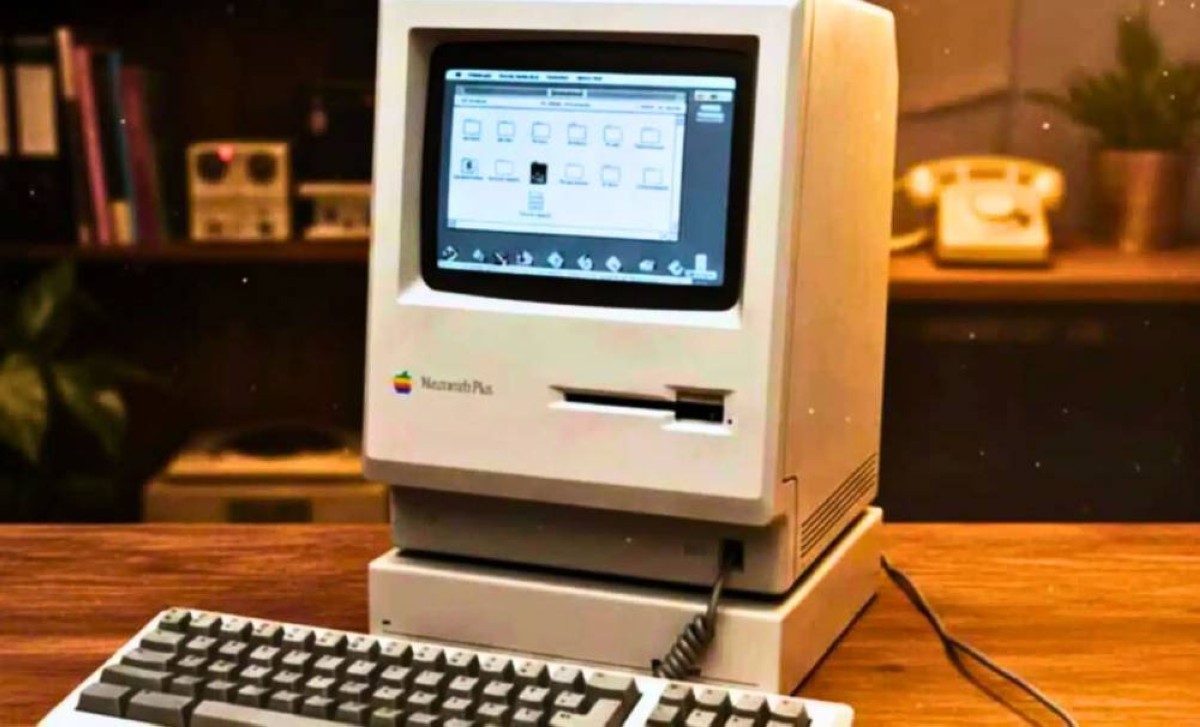
في عام 1987، كان توماس نول طالب دراسات عليا يعمل على أبحاثه في مجال رؤية الحاسوب، ويستخدم جهاز ماكنتوش لم يكن قادرا على عرض الصور بالطريقة التي يحتاج إليها في دراسته. فقد كانت شاشته تعرض الصور بالأبيض والأسود، ما جعل التفاصيل والاختلافات الدقيقة في درجات الإضاءة داخل الصورة صعبة التمييز. وللتغلب على هذه المشكلة، بدأ نول بكتابة برنامج يعالج الصور رقميًا، ويحوّل بيانات البكسلات إلى درجات متعددة من الرمادي، بحيث تصبح الصور أكثر وضوحا ويمكنه تحليل تفاصيلها بشكل أفضل. لم يكن هدفه آنذاك ابتكار برنامج لتحرير الصور أو إنشاء أداة يستخدمها المصورون والمصممون، بل كان يبحث عن حل عملي لمشكلة واجهته أثناء أبحاثه الجامعية. ومع ذلك، أصبحت هذه المحاولة الصغيرة لاحقًا النواة الأولى للبرنامج الذي سيعرف باسم «فوتوشوب».

وأمام هذه المشكلة، لم يكن نول يبحث عن برنامج احترافي لتحرير الصور، بل كان يحتاج ببساطة إلى أداة تساعده على معالجة الصور وتحسين طريقة عرضها على شاشة جهازه، لذلك بدأ بكتابة سلسلة من البرامج التي تتعامل مع وحدات البكسل وتحوّل المعلومات الموجودة في الصور إلى درجات مختلفة من الرمادي، لتصبح الصورة أكثر وضوحا وقابلية للتحليل. ومن هذه المحاولة الصغيرة، التي كانت في الأصل جزءًا من عمله الأكاديمي، بدأت الخطوات الأولى التي ستقود لاحقًا إلى ظهور «فوتوشوب».

أطلق نول على البرنامج اسم «Display»، ولم يكن في ذلك الوقت يفكر في إنشاء برنامج احترافي للمصورين أو المصممين. كانت فكرته أبسط بكثير؛ تطوير أدوات تساعده في عمله الأكاديمي وتسمح له بالتعامل مع الصور على جهاز الكمبيوتر.

لكن المشروع تغير عندما دخل شقيقه جون نول على الخط. كان جون يعمل في مجال المؤثرات البصرية لدى شركة Industrial Light & Magic، وكانت لديه خبرة مختلفة تمامًا في التعامل مع الصور، خصوصًا مع التطور المبكر لتقنيات المعالجة الرقمية المستخدمة في صناعة الأفلام.

أدرك جون أن الأدوات التي طورها شقيقه يمكن أن تكون أكثر من مجرد برامج بحثية. بدأ يستخدمها في التعامل مع الصور، لكنه واجه مشكلة عملية: الأدوات كانت موزعة على برامج منفصلة، ما جعل العمل بينها مرهقًا. لذلك اقترح على توماس دمجها في تطبيق واحد حتى يتمكن من التعامل مع الصور من مكان واحد.

استجاب توماس للفكرة، وكانت هذه الخطوة نقطة تحول حقيقية. فبدلًا من مجموعة صغيرة من الأدوات المخصصة للبحث، بدأ البرنامج يتحول تدريجيًا إلى نظام متكامل لمعالجة الصور، مع إضافة المزيد من الوظائف والقدرات.

من غرفة تحميض الصور إلى شاشة الكمبيوتر

جاءت إحدى الأفكار المهمة من عالم التصوير التقليدي. فقد كان جون معتادًا على العمل بالصور والأفلام، بينما كان توماس يواجه مشكلة تتعلق باختلاف طريقة ظهور الصور على شاشات الكمبيوتر.

قاد ذلك توماس إلى تطوير أدوات تسمح بتعديل خصائص الصورة، مثل السطوع والتباين، مستفيدًا من أفكار مستوحاة من عمليات تحميض الصور التقليدية. ومن بين الميزات التي ظهرت في هذه المرحلة أداة «المستويات»، التي أصبحت لاحقًا من الأدوات المعروفة في البرنامج.

وروى توماس نول لاحقًا تفاصيل هذه المرحلة والقرارات التي اتخذها خلال تطوير البرنامج في مقابلة أجرتها معه شركة «أدوبي» عام 2015.

ومع تزايد إمكانات التطبيق، بدأ الأخوان يدركان أن المشروع قد يمتلك قيمة تجارية حقيقية. لكن تحويل الفكرة إلى منتج لم يكن سهلًا، فقد عرضا البرنامج على عدد من الشركات خلال أواخر الثمانينيات، ولم يكن الاهتمام به كبيرًا في البداية.

تغيرت القصة عندما عُرض البرنامج على أدوبي. أدركت الشركة إمكاناته، ورأت أنه يمكن أن ينسجم مع منتجاتها وتوجهها في مجال البرمجيات الإبداعية. وهكذا انتقل المشروع من تجربة يعمل عليها شقيقان إلى منتج تجاري حقيقي.

وفي 19 فبراير 1990، وصل الإصدار الأول من «Adobe Photoshop» إلى الأسواق على أجهزة ماكنتوش، لكن البرنامج لم يكن آنذاك بالشكل الذي يعرفه المستخدمون اليوم.

كانت التكنولوجيا المحيطة به لا تزال محدودة؛ الكاميرات الرقمية لم تكن منتشرة، والطابعات القادرة على إنتاج صور بجودة عالية كانت مكلفة للغاية. ولهذا ركزت الاستخدامات الأولى للبرنامج بدرجة كبيرة على النشر والتصميم الجرافيكي.

التكنولوجيا صنعت نجاحه

مع انتشار الإنترنت في تسعينيات القرن الماضي، ظهرت حاجة متزايدة إلى معالجة الصور وضغطها وتجهيزها للعرض على صفحات الويب. ثم جاءت الطابعات النافثة للحبر، وبعدها الكاميرات الرقمية، لتزيل واحدة تلو الأخرى العقبات التي كانت تحد من استخدام معالجة الصور رقميًا.

لم يعد المصور بحاجة إلى الاعتماد على الفيلم ثم مسحه ضوئيًا في كل مرة؛ أصبح بإمكانه نقل الصور مباشرة إلى الكمبيوتر وتعديلها وطباعتها. وهنا وجد «فوتوشوب» البيئة المثالية للنمو والانتشار، وفقا لـ "dailygalaxy".

برنامج «فوتوشوب» الذي أصبح مرادفا لتحرير الصور لم يبدأ من استوديو تصميم ضخم، ولا من شركة كانت تخطط لصناعة ثورة تقنية. لقد بدأ من طالب دراسات عليا يحاول حل مشكلة في عرض الصور على جهاز ماكنتوش، ثم جاء اقتراح من شقيقه ليغير اتجاه المشروع بالكامل.

وهكذا، تحولت مشكلة صغيرة وأدوات متفرقة وفضول شقيقين إلى برنامج غيّر الطريقة التي يتعامل بها العالم مع الصور، وأصبح اسم «فوتوشوب» جزءًا من اللغة اليومية نفسها عندما يتعلق الأمر بتعديل الصور ومعالجتها.

photoshopadobegraphic_design
الخبر متوفّر باللغات التالية:English
المصدر الأصلي للخبر
البيان

An accident that changed the world of images .. The amazing story of the beginning of "Photoshop"

August 16, 2026·Al Bayan
An accident that changed the world of images .. The amazing story of the beginning of "Photoshop"

“Photoshop” was not originally an ambitious project aimed at changing the world of photography and design, but rather it began with a small technical problem faced by a graduate student in the late 1980s. From that problem, thanks to his brother’s curiosity and intervention in the project, the journey of a program that became one of the most famous names in software history began.

In 1987, Thomas Knoll was a graduate student working on research in computer vision, using a Macintosh computer that could not display images in the way he needed for his studies. Its screen displayed images in black and white, making it difficult to discern the subtle differences in lighting within the image. To overcome this problem, Knoll began writing a program to process images digitally, converting pixel data into multiple shades of gray so that the images became clearer and he could better analyze their details. At the time, his goal was not to create an image editing program or develop a tool for photographers and designers; rather, he was looking for a practical solution to a problem he encountered during his university research. However, this small attempt later became the first core of the program that would come to be known as “Photoshop.”

In the face of this problem, Noe was not looking for a professional image editing program; he simply needed a tool to help him process and improve how images were displayed on his computer screen. So, he started writing a series of programs that worked with pixels and converted information from images into various shades of gray, making them clearer and easier to analyze. From this small attempt, which was originally part of his academic work, the first steps towards Photoshop began.

Noe named the program "Display," and at the time he wasn't thinking about creating a professional tool for photographers or designers. His idea was much simpler; to develop tools that would help him with his academic work and allow him to handle images on his computer.

But the project changed when his brother, John Noe, got involved. John worked in visual effects at Industrial Light & Magic and had completely different experience with images, especially due to the early development of digital processing technologies used in the film industry.

John realized that the tools developed by his brother could be more than just research programs. He started using them for image manipulation but encountered a practical problem: the tools were distributed across separate applications, making work between them cumbersome. So he suggested to Thomas that they integrate them into one application so he could handle images from one place.

Thomas responded to the idea, and this step was a real turning point. Instead of a small set of research tools, the program gradually began to transform into an integrated image processing system, with more functions and capabilities being added.

From darkroom to computer screen

One important idea came from the world of traditional photography. John was used to working with images and films, while Thomas faced a problem related to the different way in which images appeared on computer screens.

This led Thomas to develop tools that allowed him to modify image properties such as brightness and contrast, drawing inspiration from ideas inspired by traditional darkroom processes. One of the features that emerged at this stage was the "levels" tool, which later became one of the well-known tools in the program.

Thomas Noll later recounted the details of this phase and the decisions he made during the development of the program in an interview with Adobe in 2015.

As the application's capabilities grew, the brothers began to realize that the project could have real commercial value. However, turning the idea into a product was not easy; they presented the program to several companies during the late 1980s, and initially there was little interest.

The story changed when the program was presented to Adobe. The company realized its potential and saw that it could be integrated with its products and creative software direction. Thus, the project went from being an experiment worked on by two brothers to a real commercial product.

On February 19, 1990, the first version of “Adobe Photoshop” was released in the market for Macintosh computers, but the program wasn’t what users know today.

The technology surrounding it was still limited; digital cameras were not widespread and printers capable of producing high quality images were very expensive. For this reason, the first uses of the program focused largely on publishing and graphic design.

Technology made its success

With the spread of the Internet in the 1990s, there was a growing need to process, compress, and prepare images for display on web pages. Then came inkjet printers, followed by digital cameras, which removed one obstacle after another that limited the use of digital image processing.

Photographers no longer had to rely on film and then scan it every time; they could transfer images directly to the computer, edit them, and print them. Here Photoshop found the ideal environment for growth and spread, according to “dailygalaxy”.

Adobe Photoshop, which has become synonymous with photo editing, didn’t start in a massive design studio or from a company planning to make a technological revolution. It started as a graduate student trying to solve a problem displaying images on a Macintosh computer and his brother suggesting that he change the direction of the project entirely.

Thus, a small problem, scattered tools, and the curiosity of two brothers turned into a program that changed how the world deals with photos. The name Photoshop has become part of everyday language when it comes to photo editing and processing.

photoshopadobegraphic_design
This article is also available in:العربية
Original source article
Al Bayan