كيف تختار كاميرا مراقبة منزلية مناسبة؟.. 7 مواصفات يجب الانتباه إليها
14 نوفمبر 2026·اليوم السابع
كيف تختار كاميرا مراقبة منزلية مناسبة؟.. 7 مواصفات يجب الانتباه إليها

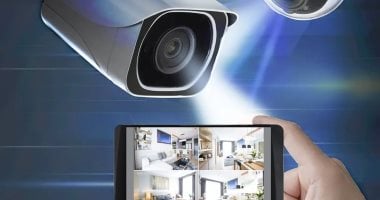
أصبحت كاميرات المراقبة المنزلية من الأجهزة التي يعتمد عليها كثير من الأشخاص لمتابعة منازلهم وتأمين الممتلكات، خاصة مع توافر أنواع مختلفة من الكاميرات التي تتيح مشاهدة البث المباشر وتسجيل الفيديوهات وإرسال تنبيهات إلى الهاتف عند اكتشاف أي حركة، ومع تعدد الموديلات والإمكانيات، يحتاج المستخدم إلى معرفة المواصفات الأساسية التي تساعده على اختيار كاميرا مناسبة لمساحة المنزل وطبيعة الاستخدام، دون دفع أموال إضافية مقابل خصائص قد لا يحتاج إليها.

7 مواصفات مهمة عند شراء كاميرا مراقبة منزلية
 

1- دقة تصوير الكاميرا

تعد دقة التصوير من أهم المواصفات التي يجب مراجعتها، حيث تساعد الكاميرات بدقة Full HD 1080p على تسجيل صور واضحة نسبيًا، بينما توفر كاميرات 2K و4K تفاصيل أكثر دقة، خاصة عند الحاجة إلى تكبير الصورة.

2- الرؤية الليلية

يفضل اختيار كاميرا مزودة بخاصية الرؤية الليلية، حتى تتمكن من تسجيل الأحداث في الإضاءة المنخفضة أو أثناء الليل، وتختلف جودة هذه الخاصية من جهاز إلى آخر وفقًا لنوع المستشعر وتقنيات الإضاءة المستخدمة.

3- زاوية التصوير

تحدد زاوية التصوير مساحة المكان التي تستطيع الكاميرا تغطيتها، لذلك يفضل اختيار كاميرا ذات زاوية واسعة للغرف والمساحات الكبيرة، كما توفر بعض الموديلات إمكانية التحريك أفقيًا ورأسيًا لمتابعة أكثر من اتجاه.

4- الاتصال بالإنترنت والتحكم عبر الهاتف

تتيح الكاميرات المتصلة بشبكة الواي فاي مشاهدة البث المباشر من خلال تطبيقات الهاتف، واستقبال التنبيهات عند اكتشاف الحركة، لذلك يجب التأكد من توافق الكاميرا مع نظام تشغيل الهاتف وسهولة إعدادها.

5- طريقة تخزين التسجيلات

تختلف طرق حفظ الفيديوهات بين الكاميرات، فبعضها يدعم بطاقات الذاكرة الخارجية، بينما يعتمد البعض الآخر على التخزين السحابي عبر الإنترنت، وقد تتطلب الخدمات السحابية اشتراكًا مدفوعًا، لذلك يجب مراجعة التكلفة وشروط الاحتفاظ بالتسجيلات.

6- مستشعر الحركة والتنبيهات الذكية

تساعد خاصية اكتشاف الحركة على إرسال إشعارات إلى الهاتف عند رصد نشاط أمام الكاميرا، وتوفر بعض الأجهزة إمكانية التمييز بين الأشخاص والحيوانات والحركة العامة، وهو ما يساعد على تقليل التنبيهات غير الضرورية.

7- الحماية من الاختراق وسهولة الاستخدام

يجب اختيار كاميرا توفر تحديثات أمنية منتظمة، وتدعم تشفير الاتصال وإمكانية استخدام كلمة مرور قوية والمصادقة الثنائية عند توافرها، مع التأكد من أن التطبيق المستخدم تابع للشركة المصنعة.

هل تختار كاميرا داخلية أم خارجية؟
 

يعتمد الاختيار على مكان تركيب الكاميرا، إذ تناسب الكاميرات الداخلية متابعة الغرف والمداخل من داخل المنزل، بينما تحتاج الكاميرات الخارجية إلى تصميم مقاوم للعوامل الجوية والأتربة والمياه، مع التأكد من درجة الحماية المعلنة للجهاز، كما يجب تحديد مصدر الطاقة المناسب، سواء كان التوصيل الكهربائي المباشر أو البطارية، مع مراعاة سهولة التركيب ومكان توصيل الكاميرا بالشبكة.

نصائح مهمة قبل تركيب كاميرا المراقبة
 

ينبغي اختيار مكان يوفر زاوية رؤية مناسبة دون وجود عوائق، وتغيير كلمة المرور الافتراضية للكاميرا فور تشغيلها، وتحديث البرنامج الخاص بها بانتظام، كما يجب مراعاة خصوصية أفراد الأسرة والجيران، وتجنب توجيه الكاميرات إلى الأماكن الخاصة أو المساحات التي تنتهك خصوصية الآخرين، وفي النهاية، يعتمد اختيار كاميرا المراقبة المنزلية المناسبة على دقة التصوير وجودة الرؤية الليلية ووسائل التخزين ومستوى الحماية الرقمية، وليس على السعر وحده، لضمان الحصول على جهاز يلبي احتياجات المنزل ويوفر متابعة آمنة وموثوقة.


camerassecurityhome
الخبر متوفّر باللغات التالية:English
المصدر الأصلي للخبر
اليوم السابع

How to choose a suitable home surveillance camera? 7 specifications you should pay attention to

November 14, 2026·Youm7
How to choose a suitable home surveillance camera? 7 specifications you should pay attention to

Home surveillance cameras have become a vital tool for many people to monitor their homes and secure their property. With various types of cameras available, offering live streaming, video recording, and alerts on the phone when movement is detected, it's important to consider key specifications when choosing a camera that suits your home space and usage needs without paying extra for unnecessary features.

7 Important Specifications When Buying a Home Surveillance Camera
 

1. Camera Image Resolution

Image resolution is one of the most important specifications to consider. Cameras with Full HD 1080p resolution can record relatively clear images, while 2K and 4K cameras provide more detailed images, especially when you need to zoom in.

2. Night Vision

It is recommended to choose a camera with night vision capabilities to record events in low light or at night. The quality of this feature varies from device to device depending on the type of sensor and lighting technologies used.

3. Field of View

The field of view determines the area that the camera can cover. For large rooms and spaces, it is preferable to choose a camera with a wide angle. Some models also offer horizontal and vertical movement capabilities for more comprehensive coverage.

4. Internet Connection and Mobile Control

WiFi-connected cameras allow live streaming through phone apps and receive alerts when motion is detected. It's important to ensure compatibility with your phone's operating system and easy setup.

5. Methods of Storing Recordings

Methods for storing videos vary between cameras; some support external memory cards, while others rely on online cloud storage. Cloud services may require a paid subscription, so it's important to review the cost and terms for retaining recordings.

6. Motion Sensor and Smart Alerts

The motion detection feature sends notifications to your phone when activity is detected in front of the camera. Some devices offer the ability to distinguish between people, animals, and general movement, which helps reduce unnecessary alerts.

7. Protection from Hacking and Ease of Use

Choose a camera that provides regular security updates, supports encrypted connections, and offers strong password protection and two-factor authentication when available. Ensure the app you use is from the manufacturer.

Should you choose an indoor or outdoor camera?
 

The choice depends on where the camera will be installed. Indoor cameras are suitable for monitoring rooms and entrances from inside the house, while outdoor cameras require a weatherproof design that can withstand dust and water. You should also check the device’s IP67 rating to ensure it is protected against water and dust. Additionally, you need to determine the appropriate power source, whether direct electrical connection or battery, taking into account ease of installation and where the camera will be connected to the network.

Important tips before installing a surveillance camera
 

You should choose a location that provides an appropriate viewing angle without obstructions. Change the default password for the camera as soon as it is turned on and update its software regularly. You must also consider the privacy of family members and neighbors, avoiding pointing cameras at private areas or spaces that violate others’ privacy. Ultimately, choosing the right home surveillance camera depends on image clarity, night vision quality, storage options, and digital protection level, not just price, to ensure you get a device that meets your home's needs and provides safe and reliable monitoring.


camerassecurityhome
This article is also available in:العربية
Original source article
Youm7