كيف يغير استثمار التريليون دولار معادلة الاقتصاد العالمي؟
15 أغسطس 2026·البيان
كيف يغير استثمار التريليون دولار معادلة الاقتصاد العالمي؟

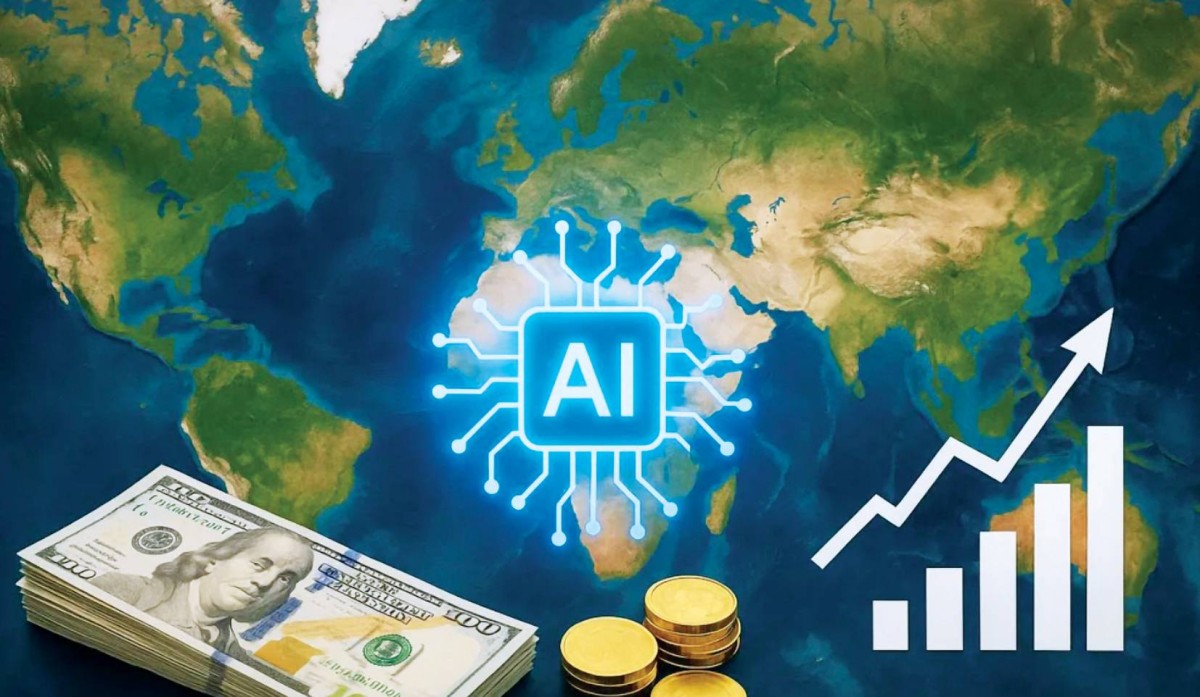
يتجه الإنفاق العالمي على تقنيات الذكاء الاصطناعي لتجاوز حاجز التريليون دولار بقليل خلال عام 2026، بحسب أحدث تقديرات صادرة عن بنك «غولدمان ساكس»، وهو ما يتجاوز بنحو 200 مليار دولار الرقم الشائع في الأسواق والمعتمد أساساً على النفقات الرأسمالية لشركات التكنولوجيا الأمريكية العملاقة «الهايبرسكيلرز».

يأتي هذا التقدير المُعدَّل ليصحح قصوراً جوهرياً في المقاييس التقليدية التي يعتمدها المستثمرون والتي تعتمد على توقعات نفقات الشركات الأمريكية الكبرى البالغة نحو 800 مليار دولار هذا العام؛ حيث أوضح التقرير البحثي أن تلك المقاييس تُغفل استثمارات الشركات الخاصة، والشركات خارج الولايات المتحدة كالمؤسسات الآسيوية، فضلاً عن أن جزءاً من استثمارات الشركات الأمريكية يُنفّذ عالمياً، ولا يرتبط بالضرورة بأكمله بقطاع الذكاء الاصطناعي.

وأوضح جوزيف بريغز، المشارك في قيادة فريق الاقتصاد العالمي في «غولدمان ساكس»، أن تعديل هذه المعايير يرفع حجم الاستثمار العالمي المرتبط بالذكاء الاصطناعي إلى نحو تريليون دولار في 2026، تستحوذ الولايات المتحدة منها على 581 مليار دولار.

ورغم وجود تحديات في التحقق الكامل من بعض الفرضيات المحاسبية وخطر الاحتساب المضاعف لبعض النفقات، إلا أن اختبارات البنك عبر منهجيات متعددة أظهرت وتيرة استثمار قريبة جداً من التقدير الكلي. وتكشف التوقعات المتخصصة أن نسبة الاستثمار في الذكاء الاصطناعي إلى الناتج المحلي الإجمالي في الولايات المتحدة ستتضاعف من 1.8% في 2026 (0.9% من الناتج العالمي) لتصل إلى 2.5% في 2027، ثم إلى 2.8% بحلول عام 2028، وهي مستويات تبقى متوافقة بشكل مريح مع نطاق 2% إلى 5% الذي سجلته الثورات التكنولوجية السابقة عند طرح تقنيات عامة الاستخدام في ذروة دوراتها التاريخية.

وعلى الجانب الآخر، بالتوازي مع هذا التدفق المالي الضخم والتوسع الاقتصادي، يُساهم الصعود المتسارع للذكاء الاصطناعي في خلق موجة جديدة من ثروات فاعلي الخير والداعمين للعمل الإنساني حول العالم. إلا أن هذا التطور يواجه تحديات عملياتية؛ حيث أشار كل من نيك ألاردس، الرئيس التنفيذي لشركة GiveDirectly، وديفيد غولدبيرغ، إلى أن المنظومة الخيرية والتنموية التي يدخلها هؤلاء المانحون الجدد تشوبها عيوب هيكلية تعوق الاستفادة الأمثل من هذه التمويلات التقنية، مما يستدعي إعادة تنظيم آليات التبرع لضمان مواكبة حجم الإنفاق الاستثماري الهائل مع الأثر الاجتماعي المرجو.

AIinvestmenteconomy
الخبر متوفّر باللغات التالية:English
المصدر الأصلي للخبر
البيان

How a $1 Trillion Investment Could Change the Global Economic Equation

August 15, 2026·Al Bayan
How a $1 Trillion Investment Could Change the Global Economic Equation

Global spending on artificial intelligence technologies is expected to exceed $1 trillion by the end of 2026, according to the latest estimates from Goldman Sachs Bank, which exceeds the figure commonly cited in markets based mainly on the capital expenditures of American tech giants.

This revised estimate corrects a fundamental flaw in traditional measures used by investors that rely on forecasts of spending by major US companies, estimated at around $800 billion this year; the research report explained that these measures overlook investments made by private companies and non-US companies such as Asian institutions. In addition, part of American companies’ investments are implemented globally and do not necessarily relate entirely to the artificial intelligence sector.

Joseph Briggs, co-head of Goldman Sachs' global economics team, explained that adjusting these standards raises the size of global investment related to artificial intelligence to around $1 trillion in 2026, with the United States accounting for $581 billion.

Despite the challenges in fully verifying some accounting assumptions and the risk of double counting certain expenses, the Bank’s tests across multiple methodologies have shown an investment rate that is very close to the overall estimate. Specialized forecasts indicate that the AI investment-to-GDP ratio in the United States will double from 1.8% in 2026 (0.9% of global output) to 2.5% in 2027, and then to 2.8% by 2028, levels that remain comfortably within the 2-5% range recorded by previous technological revolutions when general-purpose technologies were introduced at their historical peaks.

On the other hand, in parallel with this massive financial flow and economic expansion, the accelerated rise of AI is contributing to creating a new wave of wealth for philanthropists and supporters of humanitarian work around the world. However, this development faces operational challenges; both Nick Alardes, CEO of GiveDirectly, and David Goldberg have pointed out that the charitable and developmental system into which these new donors are entering has structural flaws that hinder optimal utilization of these technological funds, necessitating a reorganization of donation mechanisms to ensure that the massive investment spending is matched with the desired social impact.

AIinvestmenteconomy
This article is also available in:العربية
Original source article
Al Bayan