لغز سيدونيا على المريخ.. الحقيقة التي حيّرت العالم منذ 1976
5 يوليو 2026·البيان
لغز سيدونيا على المريخ.. الحقيقة التي حيّرت العالم منذ 1976

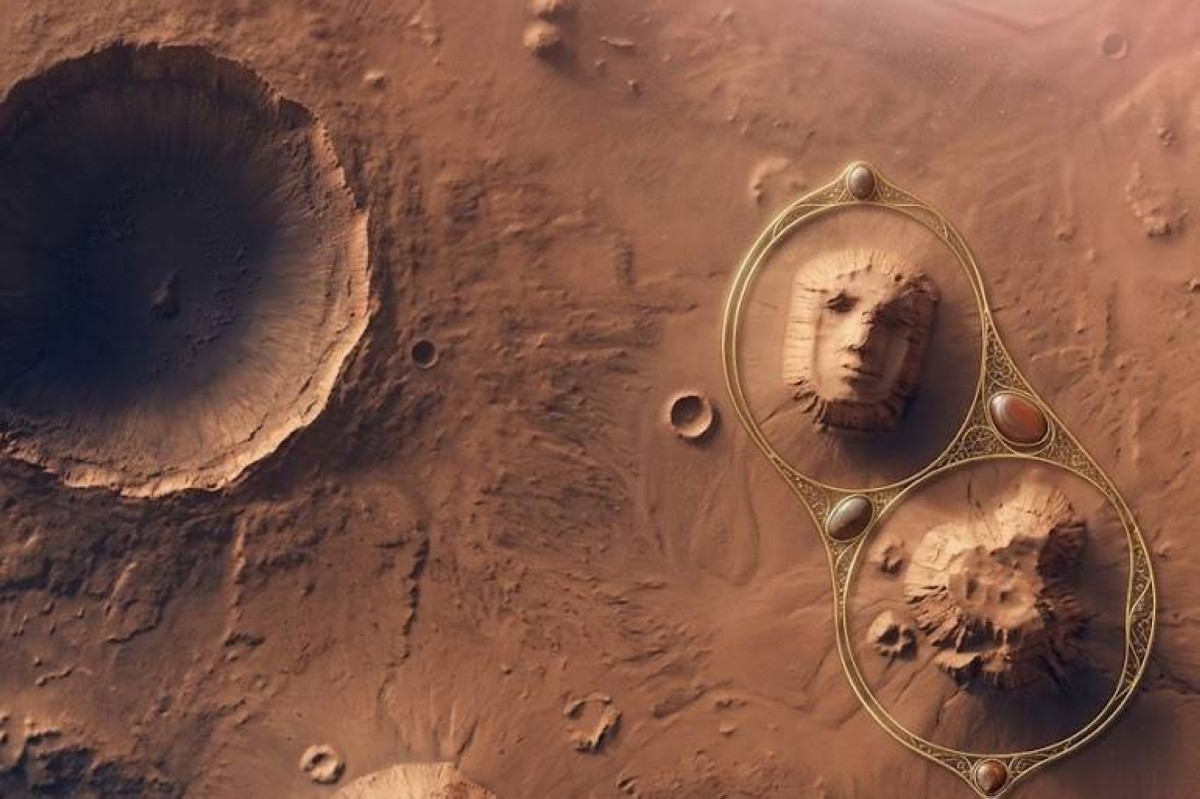
في عام 1976، التقط المسبار الأمريكي فايكينغ 1 صورة أثارت دهشة العالم، إذ ظهر على سطح كوكب المريخ تكوين صخري غريب بدا للوهلة الأولى وكأنه "وجه إنسان". وقد وصفته وكالة الفضاء الأوروبية في بيان نُشر آنذاك بالتعاون مع ناسا بتاريخ 31 يوليو 1976، بأنه شكل يثير الفضول ويشبه رأسا بشريا وسط التضاريس المريخية.

هذا التكوين الغامض يقع في منطقة تُعرف باسم سيدونيا على سطح الكوكب الأحمر. وقبل أن يظن البعض أن الأمر يتعلق بإشارات أو حضارات فضائية، فإن ما سُمي بـ“وجه المريخ” ليس سوى خدعة بصرية ناتجة عن تداخل الضوء والظل، وهي ظاهرة تُعرف علميًا باسم الباريدوليا، حيث يرى العقل البشري أشكالًا مألوفة في أنماط عشوائية.

وبالفعل، فإن السر الحقيقي وراء هذا الوجه يعود إلى زاوية سقوط أشعة الشمس في وقت التصوير، والتي أظهرت ظلالًا معينة على تضاريس مرتفعة ومنخفضة، لتنتج في صورة واحدة شكلاً يشبه ملامح وجه بشري. ومع ذلك، لم يمنع هذا التفسير العلمي من انتشار الخيال، حيث ذهب البعض إلى الاعتقاد بوجود بصمة لحضارة مريخية قديمة.

وقد ظهرت حينها نظريات مثيرة للجدل، إذ رأى بعض المهتمين بعلوم الفضاء أن هذه التكوينات قد تكون بقايا أهرامات أو مدن قديمة بناها كائنات فضائية، في تصور يُقال إنه سيغير تاريخ البشرية. بينما استمرت وكالات الفضاء في نفي هذه الادعاءات، مؤكدة أن الأمر لا يتجاوز ظاهرة بصرية طبيعية.

ورغم هذه التفسيرات، لم يتوقف الجدل، بل عاد العلماء إلى منطقة سيدونيا أكثر من مرة باستخدام تقنيات تصوير متطورة. ومع الصور عالية الدقة التي التُقطت عام 2006 ثم لاحقًا عبر مركبة HiRISE عام 2007، اتضح أن الوجه ليس إلا تلة صخرية مسطحة القمة تُعرف باسم الميسا، تشكلت بفعل التآكل الطبيعي على مدى ملايين السنين.

وتشير الدراسات الجيولوجية إلى أن هذه التكوينات تتكون غالبا من طبقات رسوبية تتعرض لعوامل التعرية مثل الرياح والماء والجليد، ما يؤدي إلى تشكيلات غريبة قد تخدع العين من بعيد. كما تُظهر الأدلة أن المريخ في الماضي كان كوكبًا أكثر رطوبة، وربما احتوى على محيط يغطي أجزاء واسعة من نصفه الشمالي، خاصة منطقة سيدونيا.

وتعزز هذه الفرضية بيانات حديثة من مركبات استكشاف، تشير إلى وجود معادن طينية وجليد مائي في بعض مناطق الكوكب، وهي مواد لا تتشكل إلا بوجود ماء سائل لفترات طويلة. وهذا ما دفع العلماء إلى إعادة التفكير في تاريخ المريخ، الذي ربما كان مختلفًا تمامًا عما نراه اليوم.

ويؤكد خبراء الجيولوجيا أن هذه التكوينات تمثل سجلاً طبيعيًا لتاريخ الكوكب، إذ يمكن من خلالها فهم كيف تغيّر سطحه عبر مليارات السنين. كما تُعد منطقة سيدونيا ذات أهمية خاصة لأنها قد تكشف أسرارا حول إمكانية وجود حياة سابقة على المريخ.

marsvikingrover
الخبر متوفّر باللغات التالية:English
المصدر الأصلي للخبر
البيان

The Mystery of Cydonia on Mars: The Truth That Has Stumped the World Since 1976

July 05, 2026·Al Bayan
The Mystery of Cydonia on Mars: The Truth That Has Stumped the World Since 1976

In 1976, the American probe Viking 1 took a picture that astonished the world. On the surface of Mars, there was an odd rock formation that at first glance looked like “a human face”. The European Space Agency described it in a statement published on July 31, 1976, in cooperation with NASA as a curious shape resembling a human head in the Martian landscape.

This mysterious formation is located in an area known as Cydonia on the red planet. Before anyone thought that it was about alien signals or civilizations, what is called “the face of Mars” is nothing but an optical illusion resulting from light and shadow interference, a phenomenon scientifically known as pareidolia, where the human mind sees familiar shapes in random patterns.

Indeed, the real secret behind this face lies in the angle at which sunlight fell at the time of photography. This showed certain shadows on high and low terrain, producing in one image a shape resembling the features of a human face. However, this scientific explanation did not prevent imagination from spreading, as some believed that it was the footprint of an ancient Martian civilization.

At the time, controversial theories emerged. Some space enthusiasts thought these formations could be the remnants of pyramids or ancient cities built by extraterrestrial beings, a vision said to change human history. Meanwhile, space agencies continued to deny these claims, confirming that it was nothing more than a natural optical phenomenon.

Despite these explanations, the debate did not stop; scientists returned to the Cydonia region more than once using advanced imaging techniques. With high-resolution images taken in 2006 and later by the HiRISE spacecraft in 2007, it became clear that the face was just a flat-topped rocky hill known as a mesa, formed by natural erosion over millions of years.

Geological studies indicate that these formations are often composed of sedimentary layers exposed to erosional forces such as wind, water, and ice, leading to strange formations that can deceive the eye from afar. Evidence also shows that Mars in the past was a wetter planet, possibly containing an ocean covering large parts of its northern hemisphere, especially the Cydonia region.

This hypothesis is supported by recent data from exploration vehicles, indicating the presence of clay minerals and water ice in some areas of the planet, which are materials that can only form with the presence of liquid water for extended periods. This has led scientists to reconsider Mars' history, which may have been completely different from what we see today.

Geology experts emphasize that these formations represent a natural record of the planet's history, allowing us to understand how its surface changed over billions of years. The Cydonia region is particularly important because it could reveal secrets about the possibility of past life on Mars.

marsvikingrover
This article is also available in:العربية
Original source article
Al Bayan