ما هي هيئة أقدم شركة اتصالات في العالم اليوم
15 أغسطس 2026·إنجاجيت
ما هي هيئة أقدم شركة اتصالات في العالم اليوم

إنه قريب من المائتين عامًا من العمر.

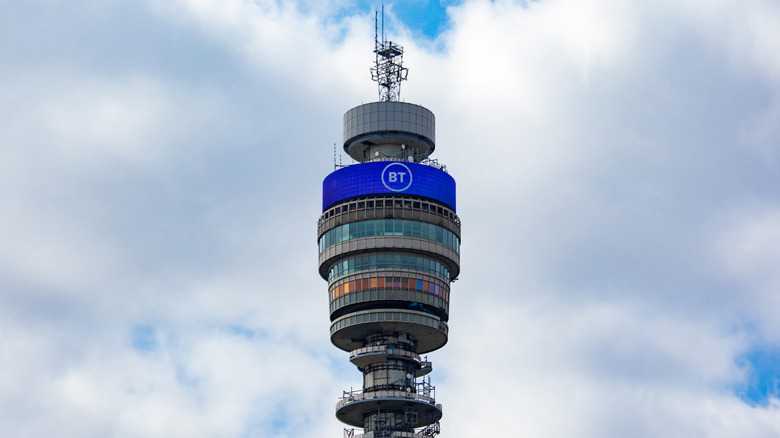
بقلم حسين برويز، 15 أغسطس 2026 2:00 مساءً بتوقيت شرق الولايات المتحدة صورة لبرج BT في لندن. بقلم Byliam/Getty Images
تشتهر مجموعة BT اليوم بالخدمة اللاسلكية، والخدمة المحمولة، والبنية التحتية التي تعمل تحت جزء كبير من شبكة الاتصالات في المملكة المتحدة. ومع ذلك، فإن تاريخها يعود إلى وقت طويل قبل أن يصبح الهاتف عنصرًا مألوفًا في المنازل. يعود نسب BT إلى شركة التلغراف الكهربائي، التي أسسها ويليام فوثيرجيل كووك ورجل الأعمال جون لويس ريكاردو في عام 1846 لتسويق تكنولوجيا التلغراف الكهربائي التي طورها كووك وشارلز ويتستون.

اندمجت شركة التلغراف الكهربائي مع شركة التلغراف الدولية في عام 1855، لتشكيل شركة التلغراف الكهربائي والدولية، قبل أن تستحوذ عليها مكتب البريد العام في عام 1870. لذلك فإن ادعاء BT لعام 1846 يأتي من شجرة نسبها، بدلاً من بقاء شركة ما سليمة بشكل أو بآخر لمدة تقارب القرنين.

ليست شركة BT للاتصالات السلكية واللاسلكية الوحيدة ذات السجل الحافل. تعود جذور شركة Telia السويدية إلى وكالة تلغراف حكومية تأسست عام 1853، وتشير شركة اتصالات مصر إلى أول خط تلغراف لها في عام 1854، وتعود أصول شركة Telenor النرويجية إلى إدارة التلغراف النرويجية في عام 1855.

يمكن لفرنسا أن تذهب إلى أبعد من ذلك، حيث تعود شبكة التلغراف البصرية التي تديرها الدولة إلى عام 1794. المشكلة هي أن هذه المقارنات ليست دقيقة تمامًا. مثل BT، مر تاريخهم عبر الوكالات الحكومية وإعادة التنظيم والشركات التجارية لاحقًا، مما يجعل تتويج شركة اتصالات واحدة "الأقدم في العالم" أكثر تعقيدًا من مقارنة تواريخ الميلاد.

جذور BT عام 1846 خضعت لبعض الانحرافات

Ilbusca/Getty Images

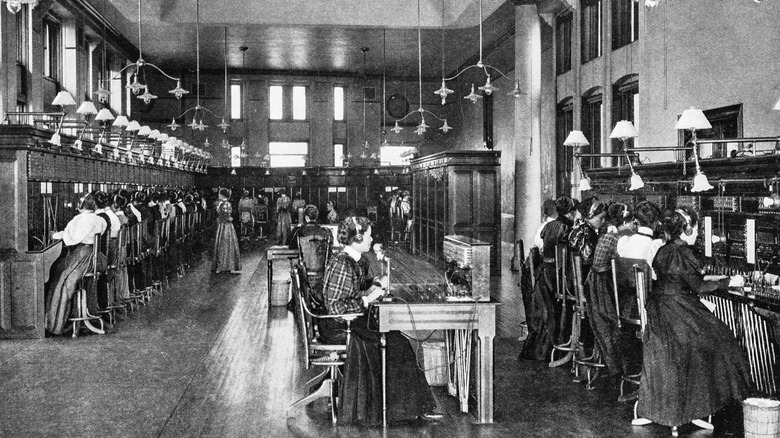
كان عمل الاتصالات البريطانية المبكر له ذلك النوع من البنية التي قد تتوقعها من تكنولوجيا جديدة تمامًا في بريطانيا الفيكتورية. قامت الشركات الخاصة ببناء شبكات منافسة، وأبرمت اتفاقات مع السكك الحديدية، وكافحت من أجل العملاء بينما كان المشرعون يحددون بالضبط ما يجب فعله مع كل هذه الأسلاك التي تظهر فجأة في جميع أنحاء البلاد. بحلول أواخر الستينيات من القرن التاسع عشر، كان البرلمان يناقش ما إذا كان على الحكومة ببساطة شراء شركات التلغراف ووضع الشبكة تحت مكتب البريد، لكن لم يقتنع الجميع بهذه الفكرة.

خلال مناقشة في عام 1868، أطلق عضو البرلمان جورج غوشين عليها "أغرب" فكرة أن البريد يمكنه خلق "جوع وعطش ..." للبرقيات بين العملاء الريفيين الذين يمكنهم إرسال رسائل أرخص بكثير بدلاً من ذلك. مضى البرلمان قدمًا على أي حال. تم شراء أنظمة البرق الخاصة وتوحيددها تحت السيطرة الحكومية، مع انضمام شركة التلغراف الكهربائية والدولية إلى شبكة البريد في عام 1870.

اتخذت البنية التحتية للهاتف في النهاية مسارًا مماثلاً. تم استيعاب شركة الهاتف الوطنية في نظام البريد في عام 1912، ثم أصبحت اتصالات البريد مكتب الاتصالات البريطاني في عام 1980. تولت اتصالات بريطانيا رسميًا عمليات الاتصالات ومعالجة البيانات الخاصة بالبريد في عام 1981، قبل بدء الخصخصة في عام 1984 مع بيع الحكومة لحصة أغلبية في شركة BT plc التي تم إنشاؤها حديثًا.

هذا كل ما يتعلق بخط مستقيم منذ عام 1846.

ما تبدو عليه شركة BT اليوم
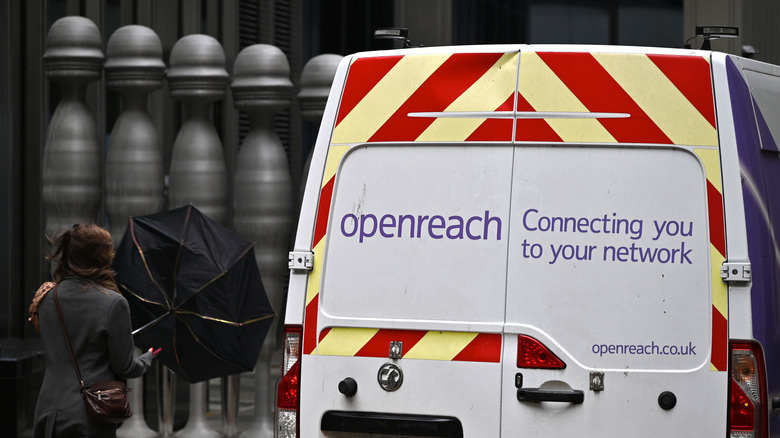
سيارة شاحنة Openreach متوقفة على جانب الطريق في لندن. جون كيبل/Getty Images

اختفت آلات التلغراف منذ زمن بعيد، لكن نقل المعلومات حول بريطانيا لا يزال عملًا تجاريًا. تعمل شركة BT الحديثة على تشغيل عدة علامات تجارية مألوفة للمستهلكين، بما في ذلك شركة BT نفسها، و EE، و Plusnet، إلى جانب عمليات خدماتها التجارية. كما أنها تمتلك Openreach، وهي الشركة المسؤولة عن صيانة وتوسيع شبكة الاتصالات الثابتة الرئيسية في المملكة المتحدة.

إذا كان هناك أي شيء داخل شركة BT الحديثة يشبه روح عمل التلغراف الأصلي، فربما يكون ذلك هو Openreach. تهتم هذه الشركة بأسلاك النحاس وكابلات الألياف البصرية التي تربط المنازل والشركات، ثم توفر الوصول لمئات شركات الاتصالات التي تبيع خدمات الإنترنت عالي السرعة والهاتف مباشرةً للأشخاص الذين يستخدمون تلك الخطوط، بدلاً من خدمة معظم الأسر بنفسها.

انفصلت شركة "أوبن ريتش" قانونيًا عن شركة BT منذ الإصلاحات التي اقترحتها هيئة تنظيم الاتصالات، ولديها مجلس إدارة وموظفون وإدارة واستراتيجية خاصة بها. ومع ذلك، لا تزال مجموعة BT تملكها لأن هيئة تنظيم الاتصالات لم تطلب تقسيم الملكية بالكامل. يعد قطاع الهواتف المحمولة جزءًا رئيسيًا آخر من شركة BT. أكملت شركة BT عملية الاستحواذ على شركة "إي إي" في عام 2016، مما منح المجموعة السيطرة على أكبر شبكة محمولة في المملكة المتحدة آنذاك، والآن تغطي شبكة 5G+ التابعة لشركة EE 77% من سكان المملكة المتحدة. كما أعادت شركة BT تقديم خدمة BT Mobile في عام 2026 لعملائها الذين يستخدمون خدمة النطاق الترددي العريض.

ربما لا يعترف ويليام كوك بالجزء الأكبر من ذلك، ولكن قد تبدو الكابلات مألوفة بشكل مطمئن. اعتبارًا من 30 يونيو، غطت شبكة الألياف الكاملة التابعة لشركة "أوبن ريتش" 23.4 مليون منشأة، وتم توصيل 9.4 مليون منها.

telecommunicationscompanyindustry
الخبر متوفّر باللغات التالية:English
المصدر الأصلي للخبر
إنجاجيت

What the world's oldest telecommunications company looks like today

August 15, 2026·Engadget
What the world's oldest telecommunications company looks like today

It's nearly two hundred years old.

By Husain Parvez Aug. 15, 2026 2:00 pm EST A photo of the BT Tower in London. Byliam/Getty Images

BT Group is best known today for broadband, mobile service and the infrastructure running underneath much of the UK's communications network. Its history, however, starts long before the telephone was a household fixture. BT's lineage reaches back to the Electric Telegraph Company, founded by William Fothergill Cooke and businessman John Lewis Ricardo in 1846 to commercialize electric telegraph technology developed by Cooke and Charles Wheatstone.

The Electric Telegraph Company merged with the International Telegraph Company in 1855, forming the Electric and International Telegraph Company, before being taken over by the General Post Office in 1870. So BT's claim to 1846 comes through its family tree, rather than one company somehow surviving intact for nearly two centuries.

BT isn't the only telecom company with an impressive pedigree, either. Sweden's Telia traces its roots to a state telegraph agency founded in 1853, Telecom Egypt points to its first telegraph line in 1854 and Norway's Telenor dates its beginnings to the Norwegian Telegraph Administration in 1855.

France can go further still, with a state-run optical telegraph network dating to 1794. The catch is that none of these are perfect apples-to-apples comparisons. Like BT, their histories run through government agencies, reorganizations and later commercial companies, which makes crowning a single "world's oldest" telecom company considerably messier than comparing birthdays.

BT's 1846 roots took a few detours

Ilbusca/Getty Images

The early British telecommunications business had the sort of structure you might expect from a brand-new technology in Victorian Britain. Private companies built competing networks, struck agreements with railways and fought for customers while lawmakers figured out what exactly to do with all these wires suddenly appearing around the country. By the late 1860s, Parliament was debating whether the government should simply buy the telegraph companies and put the network under the Post Office, but not everyone was sold on this idea.

During debate in 1868, MP George Goschen called it "most absurd" to think the Post Office could create a "hunger and thirst ... for telegrams" among rural customers who could send much cheaper letters instead. Parliament went ahead anyway. Private telegraph systems were bought and consolidated under state control, with the Electric and International Telegraph Company joining the Post Office network in 1870.

Telephone infrastructure eventually took a similar route. The National Telephone Company was absorbed into the Post Office system in 1912, then Post Office Telecommunications became British Telecom in 1980. British Telecommunications formally took over the Post Office's telecoms and data-processing operations in 1981, before privatization began in 1984 with the government selling a majority stake in the newly formed BT plc.

So much for a straight line from 1846.

What BT looks like today

An Openreach van parked out on a street in London. John Keeble/Getty Images

The telegraph machines are long gone, but moving information around Britain is still very much the business. Modern BT operates several familiar consumer brands, including BT itself, EE and Plusnet, alongside its business services operation. It also owns Openreach, the infrastructure company responsible for maintaining and expanding the UK's main fixed telecom network.

If anything inside modern BT resembles that original telegraph business in spirit, it is probably Openreach. It looks after the copper wires and fiber cables connecting homes and businesses, then provides access to hundreds of communications companies that sell broadband and phone services directly to the people using those lines, rather than serving most households itself.

Openreach has been legally separate from BT since reforms proposed by Ofcom, with its own board, employees, management and strategy. However, BT Group still owns it since Ofcom did not require a full ownership split. Mobile is another major part of what BT became. BT completed its acquisition of EE in 2016, giving the group control of what was then the UK's largest mobile network, and EE's 5G+ network now reaches 77 percent of the UK population. BT has also brought BT Mobile back in 2026 for its broadband customers.

William Cooke probably would not recognize much of that, but the cables might look reassuringly familiar. As of June 30, Openreach's full-fiber footprint covered 23.4 million premises, with 9.4 million connected.

telecommunicationscompanyindustry
This article is also available in:العربية
Original source article
Engadget