مراجعة سماعات الرأس Skullcandy Crusher 1080: تكنولوجيا الصوت الاهتزازي (Haptic) تلتقي بتقنية إلغاء الضوضاء النشط (ANC) الهادئة

16 يوليو 2026·إنجاجيت
مراجعة سماعات الرأس Skullcandy Crusher 1080: تكنولوجيا الصوت الاهتزازي (Haptic) تلتقي بتقنية إلغاء الضوضاء النشط (ANC) الهادئة

السماعات الرائدة الجديدة تجمع بين صوت بوز ونغمات الباس القوية.

بقلم جيمس ترو 15 يوليو/تموز، 2026 8:00 مساءً بتوقيت شرق الولايات المتحدة جيمس ترو لموقع Engadget 
التقييم: 7.8 / 10
الإيجابيات
  • إلغاء الضوضاء النشط (ANC) القوي
  • صوت متوازن جيدًا
  • تجربة فريدة لنغمات الباس
السلبيات
  • تصميم قديم
  • ثقلها للاستخدام المطول

قضت شركة Skullcandy سنوات في إنشاء مكانة خاصة بها في سوق السماعات. بينما كانت العلامات التجارية مثل سوني، وبوز، وسنهايزر تتنافس على من لديها أفضل جودة صوت وإلغاء الضوضاء، ركزت شركة Skullcandy على سمعتها في شيء واحد فوق كل شيء: نغمات الباس. كانت سلسلة Crusher، بتقنية نغمات الباس الاهتزازية المميزة، دائمًا ما تكون مبالغ فيها دون خجل وكانت في المقدمة والمركز للعلامة التجارية.

لكن الأوقات تتغير، وهناك إشارات على رغبة الشركة في النمو خارج تلك المكانة. تأتي سماعات Crusher 1080 الرائدة الجديدة مع بيانات صوتية مقترضة من بوز. على وجه التحديد، تحمل تقنية إلغاء الضوضاء النشطة (ANC) الخاصة بـ Bose، والصوت الموجه الحقيقي والتحكم في WaveForm. هذه ليست أول سماعة Skullcandy تكون جزءًا من برنامج صوت بوز، ولكنها الأولى التي تتكامل بشكل عميق.

على الرغم من ذلك، فإن سعر الـ 270 دولارًا تقريبًا يعني أن شركة Skullcandy تدخل قطاعًا تنافسيًا بشدة حيث تتواجد بالفعل شركات مثل: (سوني) و(بوس) و(سينهايزر)، والتي لديها منتجات مفضلة أكثر تكلفة وأكثر رسوخًا. وهذا يعني أن الـ Crusher 1080 يجب أن يكون أكثر من مجرد متعة - بل يجب أن يكون جيدًا حقًا. ومن حسن الحظ، أنه في معظم الأوقات كذلك.

المكونات والسمات

على الورق، يلبي الـ Crusher 1080 كل صناديق الرائد تقريبًا. حيث يوجد نظام إلغاء الضوضاء المذكور سابقًا مع اكتشاف ارتداء السماعة، ومدى ادعائي بحوالي 60 ساعة من عمر البطارية، والشحن السريع، والبلوتوث متعدد النقاط، وأوراكاست، ومؤثرات صوتية (إي كيو) مع إمكانية تخصيص التحكم عبر تطبيق. ويذكرنا التصميم المحيط بالأذن بتصاميم الـ Crusher الأقدم، مع بناء مطمئن ولكن ثقيل، ومظهر غير مبالٍ يشعرك بعض الشيء بأنه من عام 2010 بطريقة غير مقصودة. وهناك بعض الزخارف المعدنية الجميلة في سوار الرأس تجعلها تبدو فاخرة، ولكن بشكل عام، إنها سماعة رأس أكبر وأكثر متانة مقارنة بالخطوط المنحوتة لنماذج (سوني) أو (بوس) الحالية.

جيمس ترو لموقع Engadget

لم تخترق شركة Skullcandy عالم التحكم بالإيماءات واللمس، ولا تزال هذه الميزة غائبة هنا. الأزرار المادية كبيرة الحجم بشكل عام مما يجعل من السهل العثور عليها. الأكبر هو عجلة الاهتزاز المخصصة للصوت المنخفض (الباس)، وهي كبيرة لدرجة أنها جزء من التصميم الجمالي. بجانبها يوجد مفتاح للتبديل بين وضع إلغاء الضوضاء المحيطة (ANC) ووضع الشفافية. يقوم هذا المفتاح القابل للضغط أيضًا بالتنقل بين الإعدادات المسبقة للاستماع (الموسيقى، البودكاست، الأفلام، والإعدادات المخصصة). هذه السيطرتين قريبتان من بعضهما لدرجة أنني أقوم عن طريق الخطأ بتعطيل وضع إلغاء الضوضاء المحيطة عندما أريد ضبط صوت الاهتزاز. يوجد على الجانب الأيمن تحكم على شكل عصا التحكم الصغيرة للحجم والإعلام، بالإضافة إلى زر للتشغيل/الربط.

مع 50 ساعة من عمر البطارية مع تشغيل وضع إلغاء الضوضاء المحيطة أو 60 ساعة بدون هذا الوضع، فإن سماعات Crusher 1080 طويلة الأمد بالفعل. ما زلت أقدر ميزة الشحن السريع حيث يمكن للتجديدات السريعة توفير الطاقة الكافية لرحلة طويلة أو جلسة عمل في مقهى في الأوقات التي نسيتم فيها توصيلها.

من هو بوس؟

لم تعد الميزة البارزة في سماعات Crusher 1080 هي الاهتزاز الناتج عن النغمات المنخفضة، على الرغم من أنها أيضاً خضعت لعملية تجديد. يركز المقال هنا على الصوت المدعوم من Bose. سبق لشركة Skullcandy أن تعاونت مع Bose Sound في سماعات Method اللاسلكية، لكن ذلك كان بمثابة ضبط عام. أما مع سماعات Crusher 1080، فستجد بصمة Bose في كل مكان، بدءًا من محرك الصوت الرئيسي WaveForm إلى ميزة الأبعاد الحقيقية TrueSpatial، وبالطبع تقنية إلغاء الضوضاء المدعومة من Bose.

النتيجة هي تحسين صوتي واضح. أستخدم زوجًا من سماعات Crusher 540 في صالة الألعاب الرياضية، لذا أنا على دراية بصوت Skullcandy. سماعات Crusher 1080 مختلفة تمامًا، حيث تتميز بمسرح صوتي أكثر اكتمالاً وتوازنًا. تبدو سماعات 540 كثيفة ومسطحة بالمقارنة، حتى مع النغمات المنخفضة القوية.

قضيت وقتًا طويلاً في تجربة سماعات Crusher 1080 وسماعات Sennheiser HDB 630، مستمعًا إلى ألبوم The Streets "Original Pirate Material" على أمل أن تكشف مزيج النقرات الحادة والخطوط المنخفضة الخشنة عن الفروق بين السماعتين. هناك فروق بالفعل، لكنها ليست كثيرة كما كنت أتوقع. بشكل عام، تظل سماعات HDB 630 أكثر اتساعًا ومحايدة. يبدو صوت سماعات Crusher مرتفعًا في النطاقات المتوسطة العليا.

بدون ميزة اللمس، يبدو الطراز 1080 منخفضًا - موجود ولكن محكوم. لا يزال الصوت العام أعلى طاقة من سنسهايزر HDB 630 الأكثر تكلفة، ولكنه أقرب إلى ما تتوقعه من زوج من سماعات الرأس اللاسلكية الفاخرة.

في حين أنني أعتقد أن سنسهايزر لا تزال لديها صوت متفوق على الجميع، إلا أن سمة Skullcandy التي ضبطتها Bose تفضلان. أحدهما هو وجود تلك النغمات المتوسطة العليا: الطبول، والطبول العالية وغيرها من الأصوات في هذا المدى تكون أكثر تقدمًا في ضبط Crusher. الميزة الأخرى هي أن سماعات الرأس Skullcandy توفر المزيد من الحجم، مما يجعلها أفضل للموسيقى القديمة التي لم يتم إتقانها بهذه الضجة.

إلغاء الضوضاء
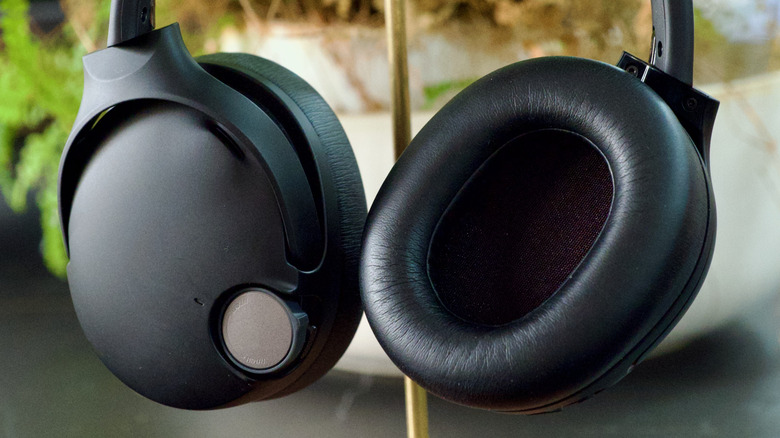
Skullcandy Crusher 1080 بقلم جيمس ترو لموقع Engadget

ربما يكون أكبر تحسن في سماعات الرأس Skullcandy السابقة هو إلغاء الضوضاء النشط. يتفوق هذا بشكل كبير على جهود Skullcandy السابقة، وفي تجاربي الخاصة، تفوق حتى على سماعات Sennheiser HDB 630 و Soundcore Space One Pro - سماعتان للرأس تقعان إما على جانب Crusher من حيث السعر. يتم التعامل مع الضوضاء الخلفية المستمرة بشكل جيد للغاية، مما يجعل التنقل أو العمل في البيئات المزدحمة أكثر متعة.

لا يزال الأمر لا يصل إلى مستوى إلغاء الضوضاء الرائد لـ Bose في سماعاتها الخاصة، ولا تزال شركة Sony واحدة من المعايير في هذه الفئة، لكن الفجوة أصبحت الآن أصغر بكثير مما كنت أتوقعه. للمرة الأولى، تستحق Skullcandy أن تؤخذ على محمل الجد في هذا المجال. يعمل وضع الشفافية بشكل مماثل، حيث يبدو طبيعياً بما يكفي لإجراء محادثات سريعة دون الحاجة إلى إزالة السماعات.

إحساس مُدمر

ما الذي قد تكون عليه سماعات الرأس Skullcandy، مع ذلك، دون خاصية Crusher Bass؟ هذه الميزة أيقونية بقدر ما هي مثيرة للجدل. شخصيًا، أستمتع بها في اللحظات المناسبة. هناك سبب لارتدائي سماعات Crushers في صالة الألعاب الرياضية، وفي بعض الأحيان تُضيف الأغاني المميزة لمسة إضافية عندما تشعر بها. لكن نماذج Crusher القديمة كانت مبالغ فيها بشكل مضحك عندما تم ضبط تأثير الاهتزاز إلى أقصى حد.

في الطراز 1080، تم إعادة تشغيل التأثير، وهو أفضل. لا يزال نفس تأثير الاهتزاز، ولكن عند استخدامه باعتدال يشعر المرء حقًا أن الحركة جزء من النبض، بدلاً من خدعة ميكانيكية. بالطبع، إذا قمت بزيادة السرعة إلى أقصى حد، فستصبح الأمور مزعجة، لكنها لا تزال ممتعة للغاية، ولا يتعين عليك استخدامها أبدًا إذا لم ترغب في ذلك.

المنافسة

هنا تصبح الأمور أكثر تعقيدًا. عند 270 دولارًا، يتواجد المطحنة 1080 في وضع محرج. حددت شركة سكولكاندي أسعارها بحوالي 100 دولار أقل من مثيلاتها مثل سماعات Sony WH-1000XM6، وسلسلة Bose QuietComfort الخاصة بها، و Sennheiser Momentum 5. ولكن إذا كنت راضيًا عن Momentum 4، أو XM5، فجأة تبدو المطحنة أكثر تكلفة. حتى Anker Soundcore Space One Pro - وهي من فئة المنتجات المتوسطة المفضلة ذات المواصفات المماثلة - يمكن الحصول عليها مقابل 100 دولار أقل من سعر المطحنة إذا لم ترغب في ميزة الباس، ويكون التخفيف من الضوضاء أقل أهمية.

قد يكون السؤال حقًا، هل هذه نقطة دخول أكثر بأسعار معقولة إلى مستوى صوت Bose؟ لا تزال شركة Bose تتفوق في التخفيف من الضوضاء وتوفر تجربة صوتية شاملة أقوى في حزمة أكثر فخامة. ولكن المطحنة 1080 تحتل فئة تكاد تكون كاملة بنفسها: صوت قادر، تخفيف قوي للضوضاء، وبطبيعة الحال، ذلك النهج الفريد في التعامل مع الباس. هذا ما يجعلها أسهل في التوصية بها من الأجيال السابقة.

ملخص
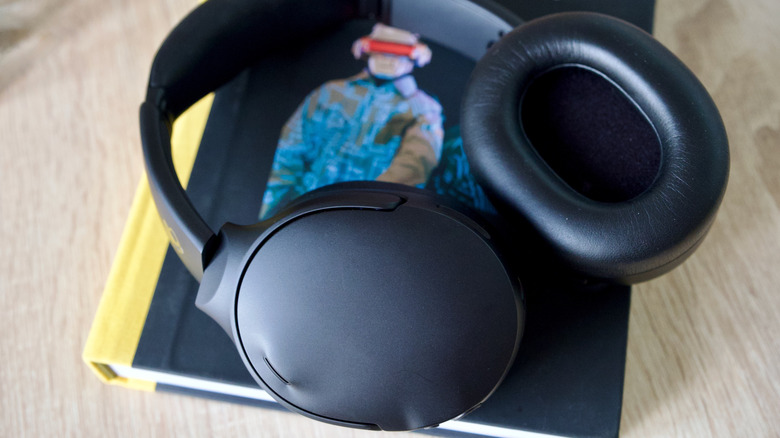
Skullcandy Crusher 1080 جيمس ترو

إن سماعات الرأس Crusher 1080 هي أكثر أزواج سماعات الرأس اكتمالاً ونضجًا من Skullcandy التي استخدمتها. فبدلاً من الاعتماد فقط على جودة صوتها، توفر أخيرًا الأساسيات المتوقعة من سماعة رأس لاسلكية فاخرة: صوت ممتع، وقدرات فعالة للتخلص من الضوضاء المحيطة، وعمر بطارية جيد، ومجموعة من الميزات التي تبدو مهمة في عام 2026.

إنها ليست مثالية. لا يزال التصميم يفتقر إلى بعض اللمسات النهائية لأكبر منافسيه، ويمكن تحسين توزيع الأزرار، ويصبح الوزن ملحوظًا خلال جلسات الاستماع الطويلة. ولكن إذا كنت فضوليًا بشأن مفهوم Crusher وترفض النماذج السابقة باعتبارها سماعات رأس مبتكرة، فهذه هي التي تغير كل ذلك.

Skullcandyheadphonesbass
الخبر متوفّر باللغات التالية:English
المصدر الأصلي للخبر
إنجاجيت

Skullcandy Crusher 1080 review: Haptic bass meets whisper-quiet ANC

July 16, 2026·Engadget
Skullcandy Crusher 1080 review: Haptic bass meets whisper-quiet ANC

The new flagship headphones blend Bose audio and big bass.

By James Trew July 15, 2026 8:00 pm EST James Trew for Engadget RATING : 7.8 / 10
Pros
  • Solid ANC
  • Well-balanced sound
  • Unique bass experience
Cons
  • Dated design
  • Heavy for prolonged use

Skullcandy has spent years carving out its own niche in the headphone market. While brands like Sony, Bose and Sennheiser were fighting over which had the best sound quality and noise cancellation, Skullcandy leaned into its reputation on one thing above all else: bass. The Crusher line, with its signature haptic bass system, has always been unapologetically over the top and front and center for the brand.

But times change, and there are hints that the company wants to grow out of that niche. The new flagship Crusher 1080 headphones come with audio credentials borrowed from Bose. Specifically, they carry Bose's QuietControl active noise cancellation (ANC), TrueSpatial directional audio and WaveForm tuning. This isn't the first Skullcandy headphone to be part of the Bose Sound program, but it's the first with such deep integration.

At around $270, though, Skullcandy is entering a fiercely competitive segment where Sony, Bose and Sennheiser already have pricier, well-established favorites. That means the Crusher 1080 has to be more than just fun — it has to be genuinely good. Thankfully, for the most part, it is.

Hardware and features

On paper, the Crusher 1080 checks just about every flagship box. There's the aforementioned ANC along with wear detection, a claimed 60 hours of battery life, fast charging, multipoint Bluetooth, Auracast and an EQ with customizable controls via an app. The over-ear design is reminiscent of older Crusher models, with a reassuring, but hefty build and an understated aesthetic that feels a bit 2010's in a non-intentional way. There are some nice metal accents in the headband which make it feel premium, but overall it's a larger, more robust headset compared to the sculpted lines of current Sony or Bose models.

James Trew for Engadget

Skullcandy hasn't really ventured into the realm of gesture and touch controls, and they remain absent here. The physical buttons are all quite large which generally makes them easy to locate. The biggest is the dedicated haptic bass dial, which is so large it's part of the aesthetic. Nestled beside that is a switch for toggling between ANC and transparency mode. This pressable switch also cycles through listening presets (Music, Podcast, Movie and Custom). These two controls are close enough to each other that I often accidentally deactivate ANC when I want to adjust the haptic bass. The right-hand side has a mini joystick style control for volume and media, plus a button for power/pairing. The Crusher 1080 also supports regular 3.5mm and USB-C wired connections.

With 50 hours of battery with ANC active or 60 without, the Crusher 1080 is already pretty longevous. I still appreciate the fast-charging feature as quick top-ups can provide enough juice for a long commute or cafe work session on the occasions you forgot to plug them in.

Who's the Bose?

The standout feature on the Crusher 1080 is no longer the haptic bass, although that, too, has been given a makeover. This focus here is on the Bose-powered audio. Skullcandy already dabbled with Bose Sound on the Method wireless buds, but that was more of a general tuning. With the Crusher 1080, Bose's fingerprints are all over the audio, from the main WaveForm audio engine to the TrueSpatial dimensional feature and, of course, the Bose-powered ANC.

The result is a clear sonic upgrade. I use a pair of Crusher 540's as my gym headphones, so I'm familiar with the Skullcandy sound. The Crusher 1080's are quite a departure, with a much more well-rounded, open/balanced sound stage. The 540's feel dense and flat by comparison, even with the beefy bass.

I spent an unreasonable amount of time swapping between the Crusher 1080's and the Sennheiser HDB 630's, listening to The Streets' Original Pirate Material hoping that the combinations of sharp snares and gritty basslines would expose the differences between the two headphones. And differences there are, but not nearly as much as I was expecting. In general, the HDB 630 remains more spacious and neutral. The Crusher's sound feels elevated in the upper mid-ranges.

Without the haptic feature enabled, the low-end on the 1080 almost feels modest — present but controlled. The overall sound is still higher energy than the pricier Sennheiser HDB 630, but it feels much closer to what you'd expect from a premium pair of wireless headphones.

While I would say the Sennheiser still has the superior sound over all, the Bose-tuned Skullcandy two characteristics I prefer. One is the presence of those upper mids: Percussion, hi-hats and other sounds in this range are more forward on the Crusher's tuning. The other advantage is just that the Skullcandy headphones offer more volume, making them better suited for older music that isn't mastered so loud.

Noise cancellation

Skullcandy Crusher 1080 James Trew for Engadget

Perhaps the biggest improvement over previous Skullcandy headphones is the Active Noise Cancellation. This is leagues ahead of earlier Skullcandy efforts and, in my own testing, even outperformed the Sennheiser HDB 630 and Soundcore Space One Pro — two headphones that sit either side of the Crusher in price. Constant background noise is handled impressively well, making commuting or working in busy environments much more pleasant.

It's still not quite at the level of Bose's class-leading ANC on its own headphones, and Sony remains one of the benchmarks in the category, but the gap is now much smaller than I expected. For the first time, Skullcandy deserves to be taken seriously in this area. Transparency mode is similarly solid, sounding natural enough for quick conversations without needing to remove the headphones.

Crushing it

What would a pair of Skullcandy headphones be, though, without Crusher Bass? This feature is as iconic as it is divisive. Personally, I enjoy it at the right moments. There's a reason why I wear Crushers in the gym, and sometimes bangers just slap a little bit more when you can feel them. But older Crusher models got comically over the top when the haptic effect was dialed up too much.

On the 1080, the effect has been rebooted, and it's for the better. It's still the same haptic bass, but when used in moderation it genuinely feels like the movement is part of the bass, rather than a mechanical trick. Sure, if you drive it all the way up, things will get rumbly, but it's still a lot of fun, and you don't ever have to use it if you don't want to.

The competition

This is where things become more complicated. At $270, the Crusher 1080 is in an awkward spot. Skullcandy has priced them around $100 cheaper than the likes of Sony's WH-1000XM6, Bose's own QuietComfort lineup and the Sennheiser Momentum 5. But if you are okay with a Momentum 4, or an XM5, suddenly the Crushers look more expensive. Even Anker's Soundcore Space One Pro — a similarly-specc'd mid-range favorite — are coppable for $100 less than the Crusher's asking price if you don't want the bass feature and ANC is less important.

The question might really be, are these a more affordable entry point to Bose-level audio? Bose still has the edge in ANC and a stronger all-round audio experience in a more premium package. But the Crusher 1080 occupies a category almost entirely by itself: a capable sound, strong ANC and, of course, that unique approach to bass. This makes it far easier to recommend than previous generations.

Wrap-up

Skullcandy Crusher 1080 James Trew

The Crusher 1080 is the most complete and mature pair of Skullcandy headphones I've used. Rather than relying solely on its bass credentials, it finally delivers the fundamentals expected from a premium wireless headphone: enjoyable sound, capable ANC, good battery life and a feature set that feels relevant in 2026.

It's not perfect. The design still lacks some of the polish of its biggest rivals, the controls could be better laid out and the weight becomes noticeable during longer listening sessions. But if you've ever been curious about the Crusher concept and dismissed previous models as novelty headphones, this is the one that changes all of that.

Skullcandyheadphonesbass
This article is also available in:العربية
Original source article
Engadget