مهمة فضائية يابانية إلى قمري المريخ لسبر أغوار نشأة النظام الشمسي
16 أغسطس 2026·البيان
مهمة فضائية يابانية إلى قمري المريخ لسبر أغوار نشأة النظام الشمسي


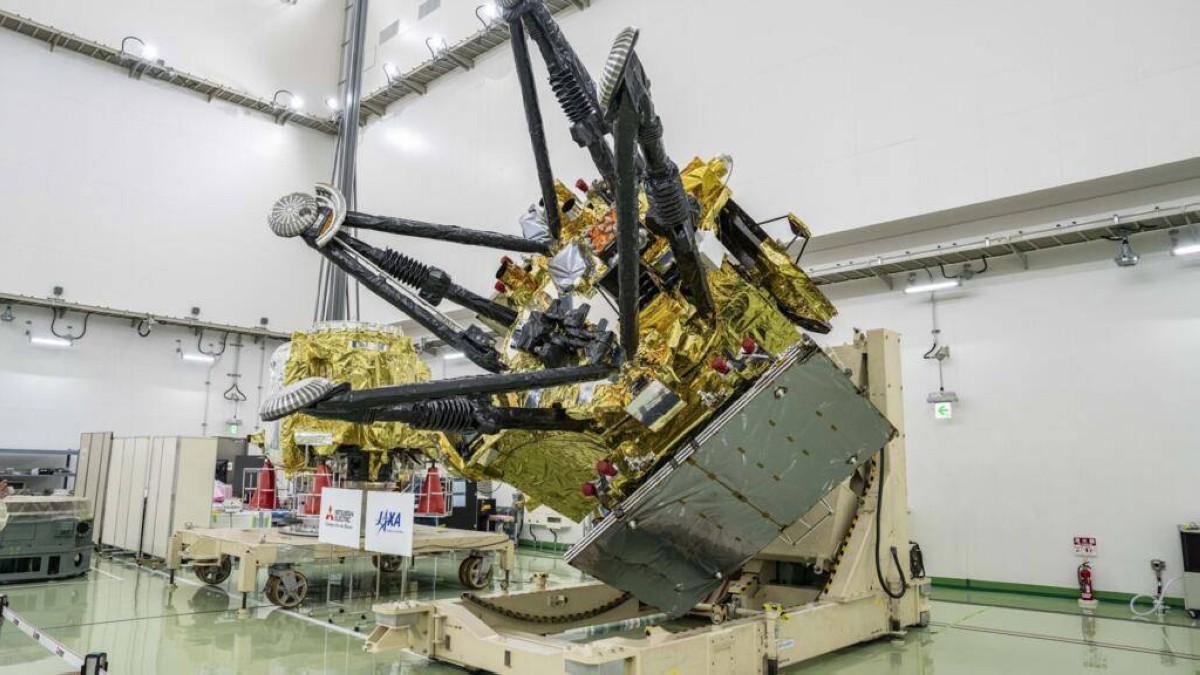
يستعدّ خبراء فضاء يابانيون وفرنسيون لإطلاق مركبة غير مأهولة لاستكشاف قمري كوكب المريخ وجمع عينات من أحدهما من شانها أن تتيح التعمّق في فهم نشأة المجموعة الشمسية وظهور الحياة على كوكب الأرض.

ومن شأن هذه المهمّة أيضا، والتي أطلق عليها اسم "مارشن مونز إكسبلورايشن" (ام ام اكس)، أن ترسي أسسا لدراسة أعمق لكوكب المريخ.

ومن المقرر أن تُقلع المركبة، التي كُشف النقاب عنها هذا الأسبوع، من مركز تانيغاشيما الفضائي في جنوب اليابان، على أن تبقى في مدار المريخ نحو ثلاث سنوات.

وهي ستحاول الهبوط على سطح القمر فوبوس بهدف جمع 10 غرامات على الأقل من تربته، فيما سيجري الروبوت "IDEFIX" مسحا لسطحه.

وللمريخ قمران يدوران حوله، يطلق على أحدهما اسم فوبوس، وعلى الثاني اسم ديموس.

وستراقب المركبة كذلك ديموس، لكن من دون الهبوط على سطحه. ثم تعود إلى الأرض وتحطّ في أستراليا في العام 2031.

عوامل تشكّل الحياة

تأمل وكالة الفضاء اليابانية (جاكسا) أن تساعد هذه المهمّة في فهم كيفية تشكّل المريخ وقمريه، وهي خطوة أساسية لفهم نشأة النظام الشمسي برمّته.

وتشير إحدى النظريات حول نشأة القمرين المريخيين، تُعرف بنظرية "الأثر"، إلى أنهما تشكّلا بعد اصطدام جسم فضائي بالكوكب.

أما نظرية "الإمساك"، فقوامها أن القمرين هما كويكبان آتيان من تخوم المجموعة الشمسية "أمسكت بهما" قوّة جاذبية المريخ.

ومن شأن تحديد الفرضية الأصحّ أن يساعد في فهم ظروف تشكّل بيئة مؤاتية للحياة على الكواكب التيلورية، وهي الكواكب الصخرية الأقرب إلى الشمس، أي عطارد والزهرة والأرض والمريخ، بحسب ما أوضحت وكالة الفضاء اليابانية.

وقال باتريك ميشيل عالم الفيزياء الفلكية الفرنسي المشارك في مشروع "IDEFIX" إن هذه المهمة ستلقي الضوء على الطرق التي انتقل بها الماء والعناصر السريعة التبخر والمواد العضوية من خارج المجموعة الشمسية إلى الكواكب الصخرية داخلها.

وأضاف "في حال كان فوبوس وديموس من بقايا شبكات النقل البدائية تلك، فهما قد يختزنان مؤشّرات على نشأة الحياة، أو تحديدا على مسار نقل المواد الأساسية الضرورية لظهور الحياة على الكواكب الصخرية".

محطة فضائية طبيعية

وكشفت وكالة الفضاء اليابانية أن المهمّة ستدرس احتمال استخدام فوبوس "محطّة فضائية طبيعية"، أي جعله قاعدة للانطلاق منها لدراسة أعمق للمريخ.

ومهمّة "ام ام اكس" هي ثمرة تعاون بين الوكالة اليابانية والمركز الوطني للدراسات الفضائية في فرنسا (سي ان اي اس) والمركز الفضائي الألماني (دي ال ار) ووكالة الفضاء الأميركية (ناسا).

وقبل هذه المهمّة، انقلبت المركبة اليابانية غير المأهولة "سليم" خلال محاولتها الهبوط على القمر سنة 2024، لكن تسنّى لها نقل بيانات وهي صمدت لعدّة ليال قمرية.

ولليابان باع أيضا في استعادة العيّنات الفضائية. ففي العام 2020، جلبت المهمّة غير المأهولة "هايابوسا 2" عيّنات من الصخر والغبار من سطح كويكب على مسافة مئات ملايين الكيلومترات من الأرض.

مهمات مشابهة

وهذه المهمة ليست الوحيدة التي تسعى إلى جلب عيّنات إلى من كوكب المريخ إلى الأرض.

فقد سبق لمركبة "بيرسيفيرنس" التابعة لوكالة الفضاء الأميركية (ناسا) أن جمعت عينات، بعد أن حطّت على سطح المريخ في العام 2021. لكن الإدارة الأميركية تخلت عن هذه المهمة بعد تصويت في الكونغرس في يناير.

كذلك أعلنت الصين نيّتها إطلاق المركبة "تيانوين-3" حوالى العام 2028 بهدف جلب عيّنات مريخية إلى الأرض في 2030 تقريبا، أي قبل سنة من "ام ام اكس".

ونجحت مهمّة "تيانوين-1" في إنزال الروبوت المتنقّل "جورونغ" على سطح المريخ في 2021، في أحد أبرز إنجازات البرنامج الفضائي الصيني.

japanspacemars
الخبر متوفّر باللغات التالية:English
المصدر الأصلي للخبر
البيان

Japanese space mission to Mars' moons to probe the origin of the solar system

August 16, 2026·Al Bayan
Japanese space mission to Mars' moons to probe the origin of the solar system


Japanese and French space experts are preparing to launch an unmanned vehicle to explore the moons of Mars, with a view to collecting samples from one of them that will enable us to better understand the origin of our solar system and the emergence of life on Earth.

This mission, called "Mars Moon Exploration" (MMX), is also intended to lay the foundations for deeper study of Mars itself.

The vehicle, unveiled this week, will be launched from Tanegashima Space Center in southern Japan and will remain in orbit around Mars for three years.

It will attempt to land on Phobos with a view to collecting at least 10 grams of soil, while the robot "IDEFIX" will survey its surface.

Mars has two moons, one called Phobos and the other Deimos.

The vehicle will also observe Deimos without landing on it. It will then return to Earth and land in Australia in 2031.

Factors conducive to life

Japan's space agency, JAXA, hopes that this mission will help us understand how Mars and its moons formed, which is an essential step towards understanding the origin of our entire solar system.

One theory concerning the formation of Mars' two moons, known as the "impact" theory, suggests that they were created after a celestial body collided with the planet.

The "seizing" theory is that the two moons are asteroids from the outer solar system, which were "seized" by Mars' gravitational force.

Determining the correct hypothesis would help to understand the conditions for creating a life-friendly environment on telluric planets, i.e., the rocky planets closest to the sun: Mercury, Venus, Earth and Mars, according to the Japanese Space Agency.

Patrick Michel, a French astrophysicist who participated in the IDEFIX project, said that this mission would shed light on how water, volatile elements and organic materials were transported from outside the solar system to the rocky planets inside it.

He added: "If Phobos and Deimos are remnants of those primitive transport networks, they may contain indicators for the origin of life, or more specifically, for the path of transporting essential elements necessary for the emergence of life on rocky planets."

Natural space station

The Japanese Space Agency revealed that the mission would study the possibility of using Phobos as a "natural space station", i.e., making it a base from which to launch deeper studies of Mars.

The MMX mission is the result of cooperation between the Japanese agency, France's National Centre for Space Studies (CNES), Germany's DLR and NASA.

Before this mission, the Japanese unmanned vehicle “Slew” crashed during its attempt to land on the moon in 2024, but it was able to transmit data and survived several lunar nights.

Japan also has a stake in retrieving space samples. In 2020, the unmanned mission “Hayabusa 2” brought samples of rock and dust from the surface of an asteroid hundreds of millions of kilometers away from Earth.

Similar missions

This is not the only mission seeking to bring samples back to Earth from Mars.

The “Perseverance” rover of NASA has already collected samples, after landing on the surface of Mars in 2021. But the US administration abandoned this mission following a vote in Congress in January.

China also announced its intention to launch the “Tianwen-3” vehicle around 2028 with the goal of bringing Martian samples back to Earth by around 2030, one year before “MMX”.

The Tianwen-1 mission successfully landed the rover Zhurong on the surface of Mars in 2021, one of the most notable achievements of China’s space program.

japanspacemars
This article is also available in:العربية
Original source article
Al Bayan