«نبض».. ذكاء اصطناعي إماراتي يكتب كي يُصغي الطبيب
14 يوليو 2026·البيان
«نبض».. ذكاء اصطناعي إماراتي يكتب كي يُصغي الطبيب
في عيادة عادية، في مشهد يتكرر كل يوم، كان المريض يتحدث بالعربية عن ألمه، بلغته ولهجته وتردده، بينما كان الطبيب ينظر إلى شاشة أمامه، يكتب بالإنجليزية.

لم يكن الطبيب غائبًا، لكنه كان موزعًا بين أكثر من مهمة في لحظة واحدة: يسمع، ويترجم، ويصنّف، ويفكر سريريًا، ثم يكتب. أربع عمليات ذهنية متداخلة داخل استشارة يفترض أن تكون، في أصلها، لقاءً إنسانيًا بين مريض وطبيب، من هذا المشهد وُلدت فكرة «نبض».

تقول عفراء الأحبابي، مؤسسة «نبض» ورئيستها التنفيذية، أن المشكلة تقع في كون نظام التوثيق يطلب من الأطباء أن يعيشوا في لغتين في الوقت نفسه. المريض يتحدث بالعربية، أما السجل الطبي والتأمين فيتحركان بالإنجليزية. وبين اللغتين تضيع أحياناً تفاصيل صغيرة، لكنها مهمة مثل طريقة وصف الألم، جملة عابرة، تردد قبل الإجابة، أو كلمة عامية تحمل معنى سريرياً لا تلتقطه الأنظمة المستوردة بسهولة.

هنا جاءت «نبض» بوصفها نظام ذكاء اصطناعي سريرياً عربياً أولاً، لا نظاماً إنجليزياً أضيفت إليه طبقة ترجمة لاحقاً. والفكرة بسيطة في ظاهرها، لكن عميقة في معناها، فجوهرها يكمن في أن يستمع النظام إلى الاستشارة كما تحدث طبيعياً بالعربية، ثم يحولها إلى توثيق طبي منظم بالإنجليزية، مع اقتراح الترميز السريري والتأميني، على أن يراجع الطبيب كل شيء ويعتمده بنفسه.

دعم حكومي

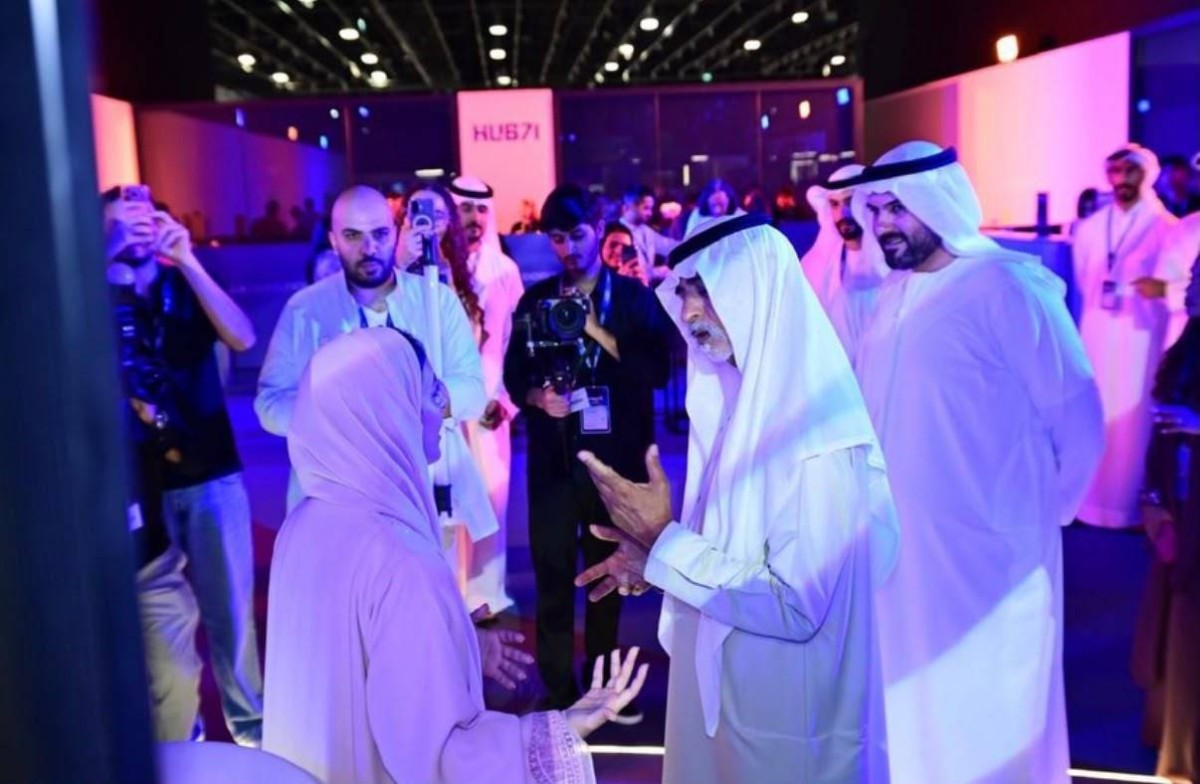
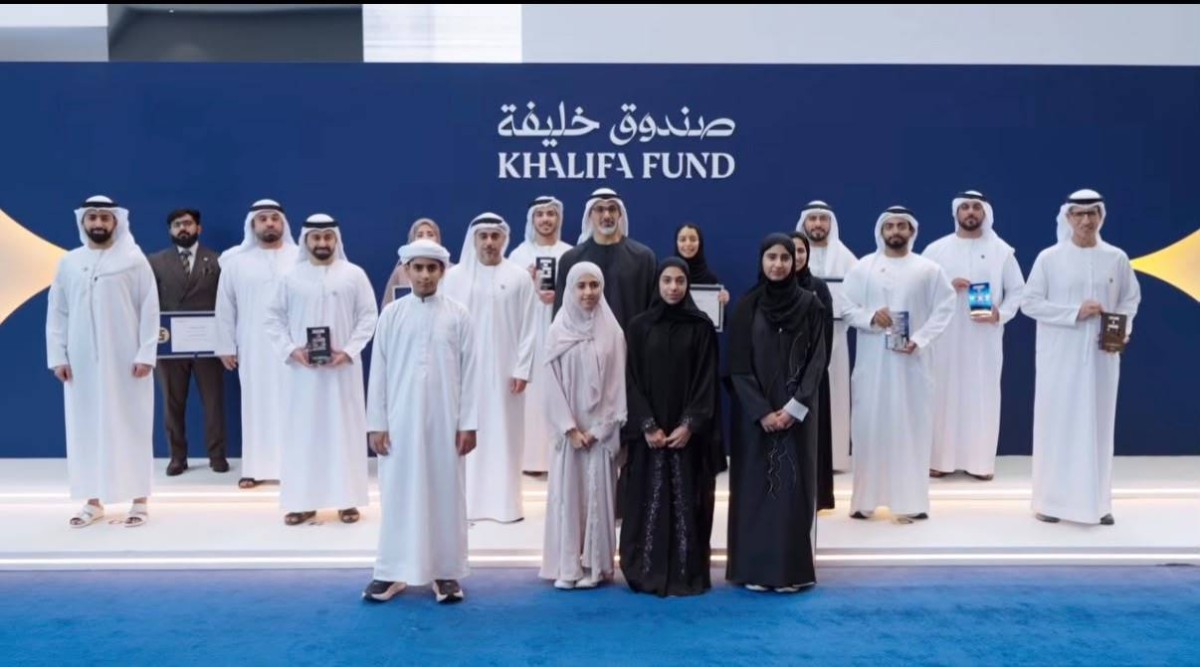
تأتي قصة «نبض» في سياق أوسع من مبادرة MZN Hub71، التي أطلقها «صندوق خليفة» بالتعاون مع «هب 71» لدعم مؤسسين إماراتيين في مراحل مبكرة، خصوصاً في العين، وربطهم بمنظومة أبوظبي للابتكار. ضمت الدفعة الأولى 17 مؤسساً إماراتياً اختيروا من بين أكثر من 370 طلباً، في قطاعات تشمل الذكاء الاصطناعي، والتكنولوجيا الصحية، والفنتك، والمناخ، وغيرها.

«نبض» تعرف نفسها بأنها أول نظام إماراتي عربي للتدفق السريري الذكي، مبني في الإمارات وللخليج. وفي عرضها التقني، تضع المشكلة بوضوح: الرعاية الصحية أصبحت رقمية، لكن سير العمل السريري لم يصبح كذلك بعد. فجزء كبير من كل استشارة يذهب إلى التوثيق لا إلى الرعاية، والسجلات الطبية الإلكترونية تحفظ البيانات، لكنها لا تخفف العبء عن الطبيب، هنا يتحول الذكاء الاصطناعي لمحاولة لاستعادة وقت مسروق من العلاقة الطبية نفسها.

الترجمة لا تكفي

تقول عفراء إن بناء نظام عربي أولاً كان هو الطريق الأصعب، لكنه الطريق الضروري. فالترجمة، في الطب، ليست فهماً. النظام الذي يبدأ بالإنجليزية ثم يضيف العربية في النهاية يتعامل مع العربية كطبقة خارجية. وفي الطب، هذا الفرق قد يكون حاسماً.

فالاستشارة الطبية العربية لا تأتي بلغة واحدة نظيفة. في العيادة الخليجية، قد يبدأ المريض جملة باللهجة الإماراتية، ويضيف اسم دواء بالإنجليزية، ثم يصف الألم بصورة مجازية: «حرقان»، «شد»، «شي يضغط»، «نغز»، «مثل السكين»، أو «ألم يسحب». هذه العبارات تحمل معلومات عن طبيعة الألم، ومكانه، وشدته، وطريقته.

لهذا توضح عفراء إن «نبض» لا يعبر بين لغتين فقط، بل بين عالمين: عالم المريض كما يتحدث، وعالم السجل الطبي كما يجب أن يكون منظمًا ودقيقًا وقابلًا للاستخدام في المستشفى والتأمين.

كيف يعمل؟

من جهة الطبيب، يفترض أن تكون التجربة بسيطة. قبل بدء الاستشارة، يعطي المريض موافقته الرقمية عبر رمز QR من هاتفه. بعد ذلك، تجري المحادثة بشكل طبيعي، فلا يحتاج الطبيب إلى تغيير طريقته في الكلام، ولا إلى إملاء ملاحظاته كما يفعل مع أنظمة تقليدية.

يستمع «نبض» إلى الحوار، ثم يحوّله إلى ملاحظات طبية منظمة بصيغة SOAP، ويقترح ترميزًا سريريًا مثل ICD-10-AM وCPT، ويعد مسودة تصلح للتأمين. لكن النقطة الأخلاقية الأساسية أن الطبيب يبقى هو البوابة. لا شيء يصبح نهائياً، ولا شيء يدخل السجل الطبي أو المطالبة التأمينية، قبل أن يراجع الطبيب ويؤكد بنفسه.

«نبض» لا يشخّص، ولا يوصي بالعلاج، ولا يتخذ قرارًا سريريًا بدل الطبيب. هو يوثّق. أما الحكم، والمسؤولية، والنظر إلى المريض، فتظل للطبيب.

وتشدد «نبض» على أن بيانات المرضى تبقى داخل الإمارات، على بنية سحابية سيادية، ولا تغادر الدولة. كما تؤكد أن الموافقة تؤخذ من المريض نفسه قبل الجلسة، ويمكن سحبها، مع وجود سجل تدقيق كامل لكل موافقة. وبعد اعتماد الطبيب، يُحذف الصوت، ويبقى المسار التدقيقي للعمليات.

نتائج أولية

وتؤكد الشركة أن النظام قيد الاستخدام السريري اليومي في عيادة إماراتية منذ مايو 2026، مع اعتماد سريري مكتوب من طبيب مستقل يؤكد سلامة الاستخدام. وتفضّل عفراء عدم نشر أي أرقام قبل اكتمال دراسة التحقق السريري المستقلة، وتقول: "أي شركة تستطيع أن تعطيك رقمًا اليوم، أما القليل منها يستطيع أن يُثبته".

سوق يتجاوز التقنية

تضع «نبض» نفسها داخل سوق واسع للتوثيق السريري في الخليج. وفق عرضها، يُقدَّر سوق التوثيق السريري في دول مجلس التعاون بنحو 2.8 مليار دولار، مع نمو سنوي يقدر بـ18%، فيما تقدر الفرصة القابلة للخدمة في الإمارات بنحو 380 مليون دولار. ويعتمد نموذج الأعمال على اشتراكات B2B SaaS بحسب حجم العيادة أو المؤسسة الصحية.

لكن القيمة الحقيقية لا تختصر في السوق. فالنظام يبيع الوقت. والوقت في الطب ليس رقماً إدارياً، هو عين الطبيب حين تعود إلى المريض بدل الشاشة، وسؤال إضافي قد يغير التشخيص، وثقة صغيرة تولد حين يشعر المريض أن من أمامه يسمعه حقاً.

18 عاماً

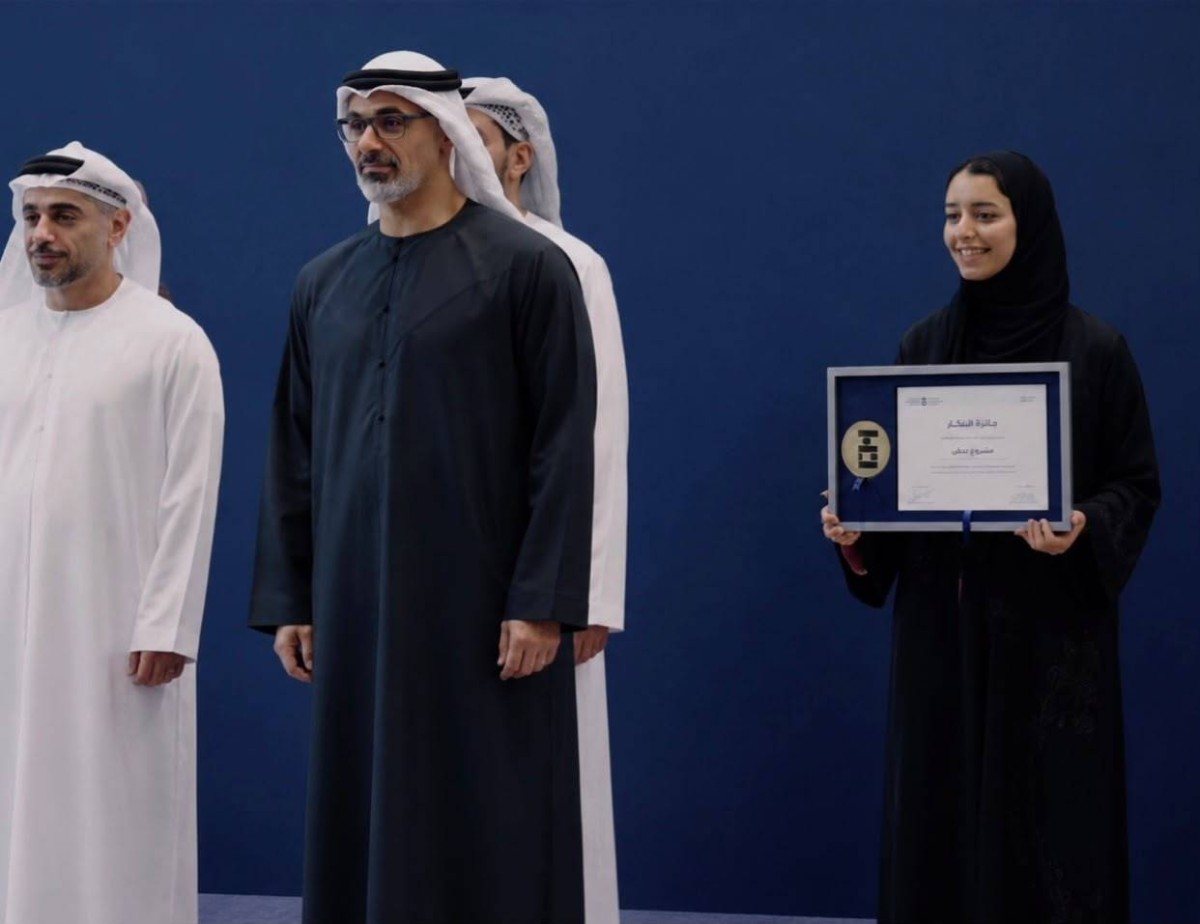
تزداد قصة «نبض» لفتًا حين نعرف أن من تقودها مؤسسة إماراتية شابة بعمر 18 عامًا. في مجال معقد مثل الذكاء الاصطناعي الصحي، قد يبدو العمر عائقاً، لكنه هنا يتحول إلى جزء من القصة: جيل إماراتي جديد لا ينتظر أن تأتي التقنية جاهزة من الخارج، بل يسأل لماذا لا تُبنى من هنا، بلغتنا، وبمقاييسنا، ولأنظمتنا؟

ذكاء اصطناعينبضطبي
الخبر متوفّر باللغات التالية:English
المصدر الأصلي للخبر
البيان

“Pulse”: An Emirati artificial intelligence that writes to listen to the doctor

July 14, 2026·Al Bayan
“Pulse”: An Emirati artificial intelligence that writes to listen to the doctor

In a regular clinic, in a scene that repeats itself every day, the patient was speaking Arabic about his pain, in his language and dialect and hesitations, while the doctor was looking at the screen in front of him, writing in English.

The doctor wasn't absent, but he was divided between more than one task at the same time: listening, translating, classifying, thinking clinically, then writing. Four mental processes overlapping within a consultation that is supposed to be, in its essence, a human encounter between a patient and a doctor; from this scene was born the idea of "نبض" (Nibd), or Pulse.

Afra Al Ahbabi, founder and CEO of "نبض", says that the problem lies in the fact that the documentation system requires doctors to live in two languages at the same time. The patient speaks Arabic, while the medical record and insurance operate in English. Between the two languages are sometimes lost small details, but important ones such as how pain is described, a passing sentence, hesitation before answering, or an idiom with a clinical meaning that imported systems do not easily capture.

Here comes Nabd as the first Arab clinical AI system, not an English system with a later translation layer. The idea is simple on its face but deep in meaning; its essence lies in the fact that the system listens to the consultation as it is spoken naturally in Arabic and then converts it into organized medical documentation in English, while suggesting clinical and insurance coding, for the doctor to review and approve everything himself.

Government support

The story of Nabd comes within a broader context of the MZN Hub71 initiative, launched by the Khalifa Fund in cooperation with Hub 71 to support early-stage Emirati founders, especially in Al Ain, and connect them to Abu Dhabi’s innovation ecosystem. The first batch included 17 Emirati founders selected from over 370 applications across sectors including artificial intelligence, health technology, fintech, climate, and more.

Nabd identifies itself as the first Arab Emirati intelligent clinical workflow system, built in the UAE for the Gulf. In its technical presentation, it clearly states the problem: healthcare has become digital, but clinical workflows have not yet. A large part of every consultation goes to documentation rather than care, and electronic medical records store data but do not reduce the burden on doctors; here artificial intelligence turns into an attempt to recover stolen time from the medical relationship itself.

Translation is not enough

Afra says that building an Arabic system first was the harder path, but it is also the necessary one. Translation in medicine, she explains, isn’t understanding. A system that starts with English and then adds Arabic at the end treats Arabic as an outer layer. In medicine, this difference can be crucial.

An Arabic medical consultation doesn’t come in a single clean language. In a Gulf clinic, a patient might start a sentence in Emirati dialect, add a drug name in English, and then describe the pain metaphorically: “burning”, “tightness”, “something pressing”, “prickling”, “like a knife”, or “pain that pulls”. These phrases carry information about the nature of the pain, its location, intensity, and method.

For this reason, Afra explains that Nabd doesn’t just translate between two languages, but also between two worlds: the patient’s world as they speak it, and the medical record’s world as it should be organized, accurate, and usable in hospitals and insurance.

How does it work?

For doctors, the experience is supposed to be simple. Before starting a consultation, patients give their digital consent through a QR code from their phone. After that, the conversation flows naturally; doctors don’t need to change how they speak or dictate notes as they would with traditional systems.

“نبض” listens to the conversation, then transforms it into structured medical notes in SOAP format, suggests clinical coding such as ICD-10-AM and CPT, and prepares a draft suitable for insurance. But the key ethical point is that the doctor remains the gatekeeper. Nothing becomes final, and nothing enters the medical record or insurance claim, before the doctor reviews and confirms it himself.

“نبض” does not diagnose, recommend treatment, or make clinical decisions in place of the doctor. It documents. The judgment, responsibility, and patient view remain with the doctor.

“نبض” emphasizes that patients’ data remains within the UAE on a sovereign cloud infrastructure, never leaving the country. It also confirms that consent is taken from the patient himself before the session, can be withdrawn, and there is a full audit trail for every consent. After doctor approval, the voice is deleted, and the audit trail of processes remains.

Initial Results

The company confirms that the system has been in clinical use daily in an Emirati clinic since May 2026, with written clinical approval from an independent doctor confirming its safe use. Afra prefers not to publish any numbers before the completion of an independent clinical verification study, saying: “Any company can give you a number today, but few can prove it.”

A Market Beyond Technology

“Nabd” is positioning itself within a large market for clinical documentation in the Gulf. According to its pitch, the clinical documentation market in the GCC countries is valued at around $2.8 billion, with an estimated annual growth rate of 18%, while the opportunity in the UAE is estimated at around $380 million. The business model relies on B2B SaaS subscriptions based on the size of the clinic or healthcare institution.

But the real value isn’t just about the market. The system sells time. Time in medicine is not an administrative number, it's the doctor's eyes when they return to the patient instead of the screen, an extra question that can change the diagnosis, and a small amount of trust that grows when the patient feels that the person in front of them really hears them.

18 years old

The story of “Nabd” becomes even more compelling when we learn that it is led by a young Emirati institution that is only 18 years old. In an area as complex as health AI, age might seem like a barrier, but here it turns into part of the story: a new generation of Emiratis who do not wait for technology to come ready from abroad, but ask why it cannot be built here, in our language, with our measurements, and for our systems?

ذكاء اصطناعينبضطبي
This article is also available in:العربية
Original source article
Al Bayan