هل سيحول سباق الوصول إلى القمر أقرب جار للأرض لمكب للنفايات؟
16 أغسطس 2026·اليوم السابع
هل سيحول سباق الوصول إلى القمر أقرب جار للأرض لمكب للنفايات؟

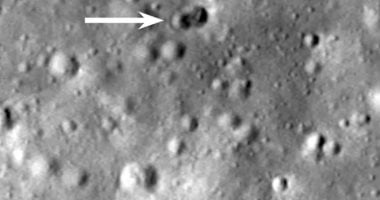
اصطدمت المرحلة الأولى من صاروخ فالكون 9، التي تزن 4000 كيلوجرام، بسطح القمر مؤخرا، مُثيرة سحابة هائلة من الغبار القمري، يمكن رؤيتها من الأرض، حيث انضم الصاروخ إلى نحو 3000 جسم من صنع الإنسان مُنتشرة على سطح القمر، ويرى بعض الخبراء أن الوقت قد حان لنبدأ في التعامل مع البيئة القمرية بشكل أفضل بدلا من تحولها إلى مكب نفايات.

نوعية النفايات الفضائية على سطح القمر
 

وفقا لما ذكره موقع "space"، فإنه منذ بداية عصر الفضاء، تم ترك نحو 200 طن من المواد الأرضية على سطح القمر، إما عمدًا أو عن طريق الاصطدام به، وبعض هذه المواد له مكانة بارزة في كتب التاريخ مثل وحدات الهبوط من جميع مهمات أبولو الست، ومركبات لوناخود السوفيتية من سبعينيات القرن الماضي، والروبوتات الصينية يوتو 1 و2 من العقد الثاني من القرن الحادي والعشرين، لا تزال موجودة في أماكنها بعد أن تُركت فيها أو نفدت طاقتها.

لكن هناك أيضًا الكثير من المواد على سطح القمر لم يكن من المفترض أن تصل إليه، حيث يقول عالم الفلك ومؤرخ الفضاء جوناثان ماكدويل، إن العديد من مراحل الصواريخ وغيرها من الأجسام التي تُركت في مدار بين الأرض والقمر منذ أولى المهمات القمرية في ستينيات القرن الماضي ربما انتهى بها المطاف على سطح القمر، فعلى سبيل المثال، قبل أربع سنوات من تحطم المرحلة العليا من صاروخ فالكون 9 بالقرب من فوهة أينشتاين، اصطدم جزء من صاروخ لونج مارش 3C الصيني بالجانب البعيد من القمر، ويعتقد الخبراء أن مثل هذه الحوادث قد تصبح أكثر شيوعًا في السنوات المقبلة، مع تكثيف استكشاف القمر.

الافتقار إلى قواعد واضحة تنظم استكشاف القمر

وقال ماكدويل، "نحن في مرحلة انتقالية، منذ الحقبة التي اقتصرت فيها عمليات استكشاف القمر على الولايات المتحدة والاتحاد السوفيتي، شهدنا خلال العقد الماضي هبوط دول أخرى على سطح القمر وبداية البعثات التجارية، إلا أن الحوكمة لم تواكب هذا التطور، فنحن نفتقر إلى مجموعة اتفاقيات دولية بشأن كيفية العمل بالقرب من القمر، وكيفية تنسيق الأنشطة هناك، وسنحتاج إليها بشدة، ليس فقط لتزايد حجم النشاط على سطح القمر، بل أيضاً لتزايد عدد الجهات الفاعلة المختلفة بشكل كبير".

وأوضحت مارييتا فالديفيا ليفورت، مسؤولة السياسات في الجمعية الفلكية الملكية بالمملكة المتحدة، أن الأنشطة البشرية على سطح القمر تخضع لمعاهدة الأمم المتحدة للفضاء الخارجي لعام 1967، مضيفة أن المادة التاسعة من تلك المعاهدة تلزم الدول بـ"إجراء استكشاف الفضاء الخارجي بطريقة تتجنب التلوث الضار"، لكنها أشارت إلى أن تعريف هذا التلوث غير واضح تماماً.

ويعد القمر كبير الحجم، إذ تبلغ مساحته السطحية حوالي 38 مليون كيلومتر مربع، أي ما يُضاهي مساحة آسيا، أكبر قارات الأرض، والتي تبلغ مساحتها 44 مليون كيلومتر مربع، لكن جاذبية القمر المنخفضة، حوالي 17% من جاذبية الأرض، تعني أن الغبار الناتج عن الاصطدام ينتقل لمسافات طويلة ويستغرق وقتًا طويلاً ليستقر، كما أوضح ماكدويل.

وأضافت: "إنها ليست مجرد ظاهرة محلية"، موضحا "يُعادل هذا حدثًا على مستوى قارة، وفي المستقبل، عندما تُقام قواعد بشرية دائمة وتُجرى تجارب علمية على سطح القمر، لا نريد أن تصطدم مراحل الصواريخ بالقمر بشكل منتظم، مُحدثةً سحبًا كثيفة من الغبار قد تُلوث الأجهزة أو تُؤثر على أجهزة رصد موجات الجاذبية."


moonfalcon9space
الخبر متوفّر باللغات التالية:English
المصدر الأصلي للخبر
اليوم السابع

Will the race to the moon turn Earth's closest neighbor into a dumping ground?

August 16, 2026·Youm7
Will the race to the moon turn Earth's closest neighbor into a dumping ground?

The first stage of a Falcon 9 rocket, weighing 4000 kilograms, recently collided with the moon’s surface, creating an enormous cloud of lunar dust that could be seen from Earth. The rocket joined about 3,000 other man-made objects scattered across the moon's surface. Some experts believe it is time to start dealing with the lunar environment better rather than turning it into a landfill.

The quality of space waste on the Moon
 

According to “space” website, since the beginning of the Space Age, about 200 tons of Earth materials have been left on the moon’s surface, either intentionally or by accident. Some of these materials are prominent in history books such as the landing modules from all six Apollo missions, the Soviet Lunokhod vehicles from the 1970s, and China's Yutu 1 and 2 robots from the 2010s, which remain in their original locations after being left there or running out of power.

But there is also a lot of material on the moon’s surface that shouldn't be there. “Many rocket stages and other objects left in orbit between Earth and the Moon since the first lunar missions in the 1960s may have ended up on the moon's surface,” says astronomer and space historian Jonathan McDowell. For example, four years before the upper stage of a Falcon 9 rocket crashed near Einstein crater, part of a Chinese Long March 3C rocket hit the far side of the Moon. Experts believe that such accidents could become more common in the coming years as lunar exploration intensifies.

Lack of clear rules for lunar exploration

"We are in a transition phase," says McDowell. “Since the era when only the United States and the Soviet Union explored the Moon, we have seen other countries land on the moon’s surface and commercial missions begin over the past decade. But governance has not kept pace with this development. We lack an international set of agreements about how to operate near the moon, and how to coordinate activities there. And we will need them badly, not only as more activity takes place on the lunar surface, but also because the number of different actors is increasing dramatically."

Marianna Valdivia Levort, a policy officer at the Royal Astronomical Society in the UK, explained that human activities on the Moon are subject to the 1967 United Nations Outer Space Treaty. Article IX of this treaty obliges states “to pursue exploration of outer space for peaceful purposes and to avoid harmful contamination”, but she noted that the definition of such pollution is not entirely clear.

The moon is large, with a surface area of about 38 million square kilometers, comparable to the size of Asia, Earth’s largest continent, which has an area of 44 million square kilometers. However, the Moon's low gravity, about 17% of Earth's, means that impact dust travels long distances and takes a long time to settle, as McDonald explained.

"It is not just a local phenomenon," she added. "This would be equivalent to an event on the scale of a continent. In the future, when permanent human bases are established and scientific experiments are conducted on the Moon's surface, we do not want rocket stages regularly impacting the moon, creating dense clouds of dust that could contaminate instruments or affect gravitational wave detectors."


moonfalcon9space
This article is also available in:العربية
Original source article
Youm7