وحش هارب.. ثقب أسود يتجول خارج المجرة ويلتهم نجماً
29 يوليو 2026·البيان
وحش هارب.. ثقب أسود يتجول خارج المجرة ويلتهم نجماً

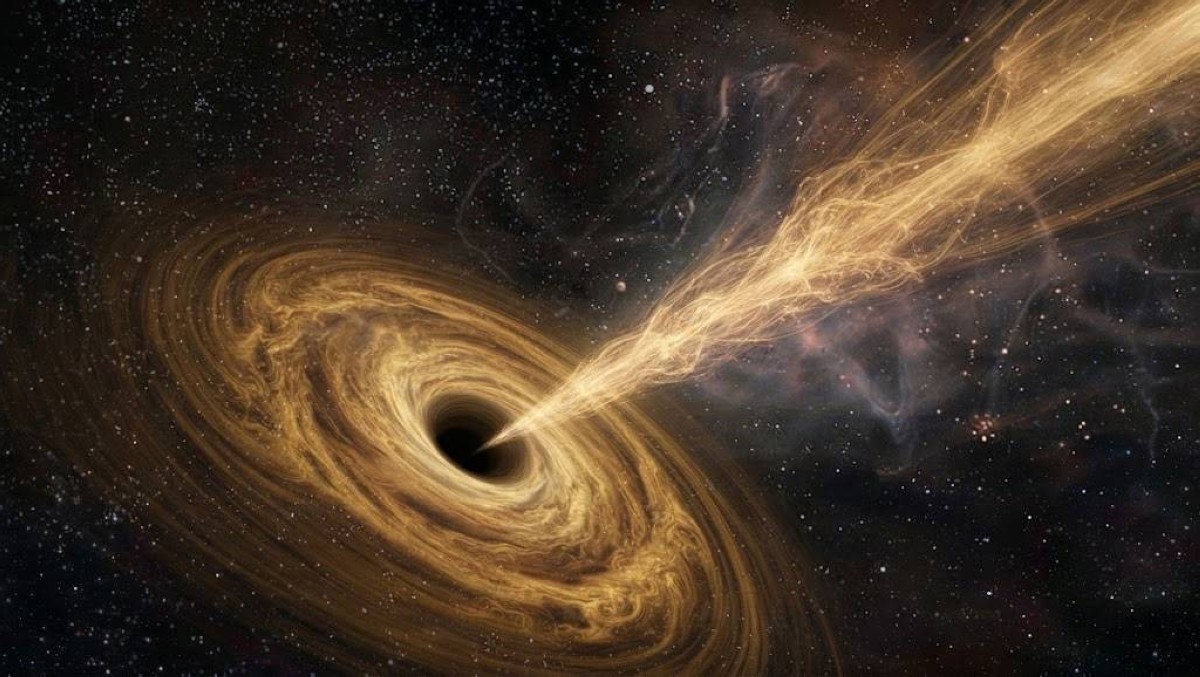
لطالما اعتقد العلماء أن الثقوب السوداء فائقة الكتلة، تلك الوحوش الكونية التي تفوق كتلتها كتلة الشمس بملايين أو حتى مليارات المرات، لا بد أن تختبئ في قلب المجرات. لكن اكتشافاً فلكياً جديداً قلب هذه الفكرة رأساً على عقب، بعد رصد ثقب أسود هائل يتجول بعيداً عن مركز مجرته، في مشهد نادر يكشف عن أسرار جديدة حول تطور المجرات.

باستخدام مرصد نيل جيريلز سويفت التابع لوكالة ناسا، تمكن فريق من علماء الفلك من رصد ظاهرة كونية عنيفة تعرف باسم حدث التمزق المدّي، حيث يقوم ثقب أسود بتمزيق نجم بالكامل بفعل قوة جاذبيته الهائلة. لكن المفاجأة لم تكن في الحدث نفسه، بل في مكان حدوثه.

فبدلاً من وقوعه في مركز المجرة، حيث توجد معظم الثقوب السوداء العملاقة المعروفة، حدث التمزق على أطراف مجرة تبعد نحو 750 مليون سنة ضوئية عن الأرض، وعلى مسافة تتجاوز 30 ألف سنة ضوئية من مركزها، أي أبعد من المسافة التي تفصل شمسنا عن مركز مجرة درب التبانة.

وقال روبرت شتاين، الباحث في جامعة ميريلاند ومركز غودارد لرحلات الفضاء التابع لناسا، إن العلماء يبحثون عن مثل هذه الأحداث باعتبارها طريقة جديدة للعثور على ثقوب سوداء فائقة الكتلة "غير مرئية" تتجول بعيداً عن مراكز المجرات.

ويُعد هذا الاكتشاف واحداً من الحالات النادرة التي تؤكد وجود ثقوب سوداء عملاقة خارج مواقعها المعتادة، ما يفتح الباب أمام استخدام هذه الظواهر العنيفة لاكتشاف المزيد من هذه الأجسام الغامضة.

ثقب أسود هائل لكنه ليس الأكبر

تضم المجرة التي شهدت هذا الحدث ثقباً أسود مركزياً ضخماً تبلغ كتلته نحو 660 مليون ضعف كتلة الشمس. أما الثقب الأسود المتجول الذي رُصد على أطراف المجرة، فتبلغ كتلته حوالي 1.23 مليون ضعف كتلة الشمس.

ورغم أنه أصغر بكثير من نظيره الموجود في مركز المجرة، فإنه يظل عملاقاً بكل المقاييس. وللمقارنة، فإن الثقب الأسود الموجود في قلب مجرتنا، المعروف باسم القوس A*، تبلغ كتلته نحو 4.6 ملايين ضعف كتلة الشمس.

بدأت القصة عندما التقط مرصد "زويكي" للظواهر العابرة ومضة ضوئية غير معتادة قادمة من الفضاء، قبل أن تتابعها مراصد أخرى، من بينها تلسكوبات أرضية في تشيلي ومرصد "سويفت" الفضائي، ونُشرت نتائج هذا الاكتشاف في مجلة "iopscience" الفلكية.

وكشفت البيانات أن عملية تمزيق النجم كانت عنيفة بشكل مذهل، إذ تجاوز سطوعها سطوع المجرة المضيفة بأكملها في الأشعة فوق البنفسجية، ووصل لمعانها إلى ما يعادل 10 مليارات شمس مجتمعة.

يحاول العلماء الآن معرفة أصل هذا "الرحّالة الكوني". وتشير إحدى الفرضيات إلى أنه كان في مركز مجرة صغيرة اندمجت مع المجرة الأكبر، ثم قذفته عملية الاندماج بعيداً عن موقعه الأصلي.

أما الاحتمال الآخر، فهو أن عملية اندماج بين مجرتين لا تزال مستمرة، وأن الثقب الأسود المتجول في طريقه للعودة نحو مركز المجرة، حيث قد يلتقي بالثقب الأسود العملاق الموجود هناك.

ويعتقد الباحثون أن مزيداً من الاكتشافات قد يكشف مدى انتشار هذه الثقوب السوداء الهائلة المتنقلة، إذ تشير النماذج الفلكية إلى أنها قد تكون أكثر شيوعاً مما كان العلماء يعتقدون.

black_holeastronomycosmos
الخبر متوفّر باللغات التالية:English
المصدر الأصلي للخبر
البيان

A runaway monster... A black hole wanders outside the galaxy and swallows a star

July 29, 2026·Al Bayan
A runaway monster... A black hole wanders outside the galaxy and swallows a star

Scientists have long believed that supermassive black holes, cosmic monsters whose mass is millions or even billions of times greater than the Sun’s, must be hidden at the center of galaxies. But a new astronomical discovery turned this idea on its head after observing an enormous black hole wandering far from the center of its galaxy in a rare scene revealing new secrets about the evolution of galaxies.

Using NASA's Neil Gehrels Swift Observatory, a team of astronomers observed a violent cosmic phenomenon known as a tidal disruption event (TDE), where a black hole tears apart a star entirely due to its immense gravitational force. But the surprise wasn't in the event itself; it was where it happened.

Instead of occurring at the center of the galaxy, where most known supermassive black holes are located, the TDE took place on the outskirts of a galaxy about 750 million light-years away from Earth and more than 30,000 light-years from its center—farther than the distance between our Sun and the center of the Milky Way.

Robert Stein, a researcher at the University of Maryland and NASA's Goddard Space Flight Center, said that scientists are looking for such events as a new way to find "invisible" supermassive black holes wandering far from the centers of galaxies.

This discovery is one of the rare cases confirming the existence of supermassive black holes outside their usual locations, opening the door to using these violent phenomena to discover more of these mysterious objects.

A huge black hole, but not the biggest

The galaxy where this event took place contains a large central black hole with a mass of about 660 million times that of the sun. The wandering black hole observed at the edge of the galaxy has a mass of around 1.23 million times that of the sun.

Although it is much smaller than its counterpart in the center of the galaxy, it remains a giant by all standards. For comparison, the black hole at the heart of our galaxy, known as Sagittarius A*, has a mass of about 4.6 million times that of the sun.

The story began when the ZTF telescope picked up an unusual flash of light from space, which was then followed by other observatories, including ground-based telescopes in Chile and the Swift space observatory; the results of this discovery were published in the iopscience astronomy journal.

Data revealed that the star's tearing process was incredibly violent, as its brightness exceeded that of the entire host galaxy in ultraviolet light, reaching a brilliance equivalent to 10 billion suns combined.

Scientists are now trying to determine the origin of this "cosmic wanderer". One hypothesis suggests it was at the center of a small galaxy that merged with the larger one, and the merger process threw it away from its original location.

Another possibility is that a merger between two galaxies is still ongoing, and the wandering black hole is on its way back to the center of the galaxy, where it may meet the giant black hole already there.

Researchers believe that further discoveries could reveal how widespread these supermassive mobile black holes are, as astronomical models suggest they may be more common than scientists had thought.

black_holeastronomycosmos
This article is also available in:العربية
Original source article
Al Bayan