16 مليار دولار.. الطباعة ثلاثية الأبعاد تدخل اقتصاد المنزل العالمي
17 أغسطس 2026·البيان
16 مليار دولار.. الطباعة ثلاثية الأبعاد تدخل اقتصاد المنزل العالمي

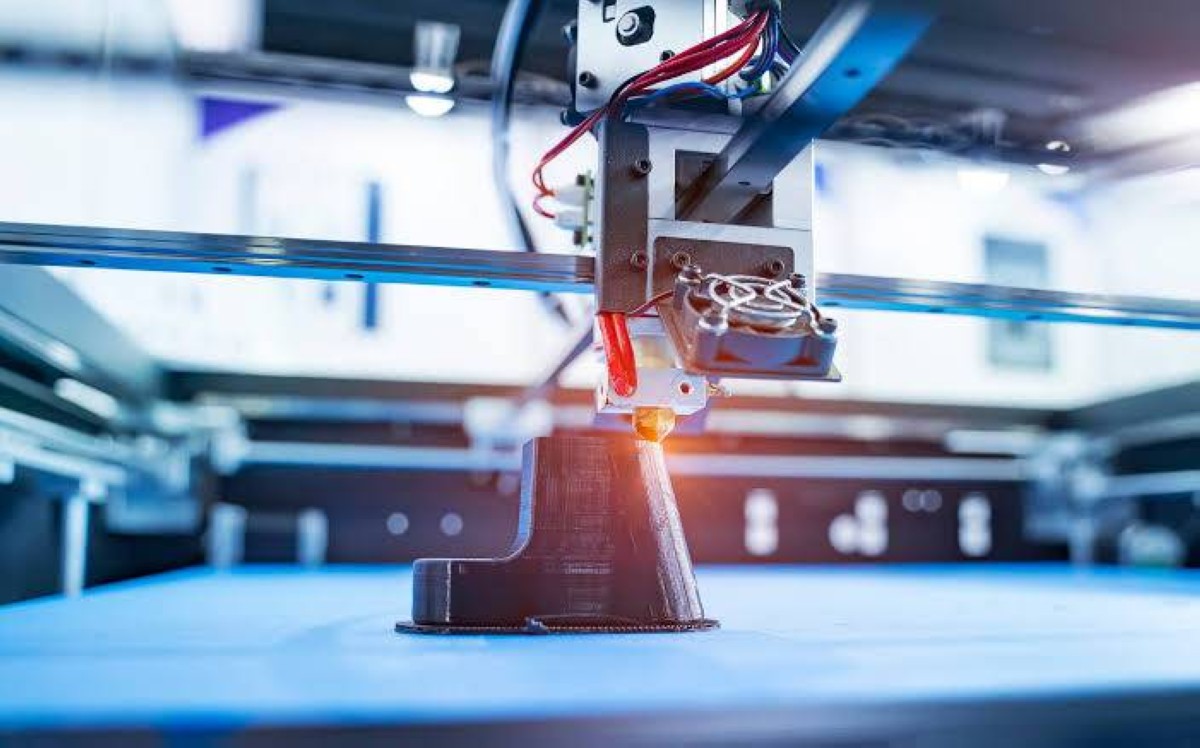
بدأت الطباعة ثلاثية الأبعاد تخرج من صورة الهواية التقنية المعقدة إلى استخدام أكثر بساطة مثل إصلاح الأشياء التي تنكسر في المنزل بدلاً من شراء بديل كامل لها.

وأظهر تقرير حديث لصحيفة «وول ستريت جورنال» حالات لأشخاص يستخدمون طابعات منزلية لصناعة مقابض، ومفصلات، وأغطية، وأجزاء صغيرة لأجهزة وأثاث، أحياناً بتكلفة لا تتجاوز بضعة سنتات من مادة الطباعة، مقابل عشرات الدولارات لشراء القطعة نفسها أو استبدال المنتج بالكامل.

ومن الأمثلة التي أوردتها الصحيفة، رجل اشترى أداة لتنظيف مخلفات الكلاب بنحو 30 دولاراً، ثم انكسرت قطعتان صغيرتان فيها. بدلاً من التخلص منها، صمم قطعة بديلة بطابعة ثلاثية الأبعاد، وقال إن الأداة عادت للعمل وأصبحت أقوى من قبل.

وفي حالة أخرى، انكسر ذراع تحرير في أريكة، وكان سعر البديل عبر الإنترنت نحو 30 دولاراً، بينما تمت طباعة قطعة بديلة ببضعة سنتات فقط من البلاستيك، ولا تزال تعمل بعد أربع سنوات.

سوق ضخم

هذه الأمثلة تبدو صغيرة، لكنها تأتي في وقت يشهد فيه سوق الطباعة ثلاثية الأبعاد المنزلية نمواً سريعاً، فوفق شركة «أديتيف مانيوفاكتشرينغ ريسيرش» المتخصصة في تتبع القطاع، بلغ حجم سوق الطباعة ثلاثية الأبعاد عالمياً نحو 16 مليار دولار في 2025، بنمو سنوي قدره 10.2%، وتتوقع الشركة أن يصل السوق إلى نحو 57 مليار دولار بحلول 2034.

وبلغت سوق الطباعة بالبوليمرات وحدها، وهي المواد الأكثر ارتباطاً بالطابعات المنزلية والمكتبية، نحو 9.79 مليارات دولار خلال 2025.

والقفزة الأوضح تأتي من الأجهزة الأرخص سعراً، ففي الربع الأول من 2025 تجاوزت شحنات الطابعات ثلاثية الأبعاد من الفئة التي يقل سعرها عن 2500 دولار حاجز المليون جهاز خلال ثلاثة أشهر فقط، بزيادة سنوية بلغت 15%، وفق بيانات شركة «كونتكست» المتخصصة في تتبع سوق التقنية، كما استحوذت الشركات الصينية على نحو 95% من الشحنات العالمية لهذه الفئة خلال الفترة نفسها.

وبحلول نهاية 2025 تسارعت المبيعات أكثر، إذ ارتفعت شحنات الطابعات من الفئة المبتدئة 26% خلال العام كاملاً و47% في الربع الأخير وحده.

وتصدرت شركة «بامبو لاب» السوق بحصة بلغت نحو 37%، بعد أن أصبحت الأجهزة الأسرع والأسهل استخداماً جزءاً من سوق استهلاكية أوسع، لا أداة حصرية للهواة المتخصصين.

سعر دخول معقول

ويشير تقرير «وول ستريت جورنال» إلى أن بعض المستخدمين بدأوا بطابعات تكلف نحو 100 دولار، بينما تصل الأجهزة المنزلية الأعلى جودة إلى نحو 800 دولار، وتغير هذه الأرقام المعادلة الاقتصادية بالنسبة إلى من يستخدم الطابعة باستمرار، فالجهاز الذي كان يحتاج سابقاً إلى مبرر مهني قد يسترد جزءاً من تكلفته عبر عشرات الإصلاحات المنزلية الصغيرة.

منصات متخصصة

ويعتمد الاقتصاد الجديد أيضاً على ملايين التصاميم الرقمية التي يمكن تحميلها مجاناً أو بتكلفة محدودة من منصات متخصصة، فإذا انكسر مقبض، أو ضاع غطاء، أو احتاج المستخدم إلى حامل بأبعاد غير متوافرة في المتاجر، يمكنه البحث عن نموذج جاهز ثم تعديله على الحاسوب وطباعته في المنزل، وبذلك تنتقل بعض عمليات التصنيع من المصنع والمتجر إلى غرفة العمل أو المرآب.

وتغير هذه الإمكانية فكرة عمر المنتج، ففي النموذج التقليدي، قد تصبح آلة قيمتها مئات الدولارات غير عملية لأن قطعة بلاستيكية صغيرة توقفت الشركة عن إنتاجها، أو لأن شحنها يكلف أكثر من سعرها، أما الطباعة ثلاثية الأبعاد فتعطي المستخدم خيار تصنيع القطعة نفسها، خصوصاً عندما لا تحتاج إلى تحمل درجات حرارة أو ضغوط عالية.

ومع ذلك، لا تعني التقنية أن كل إصلاح أرخص من الشراء. فالطابعة نفسها لها تكلفة، وهناك مواد الطباعة والكهرباء والوقت، كما أن بعض القطع تحتاج إلى أكثر من محاولة قبل الوصول إلى القياسات الصحيحة.

ويشير مستخدمون إلى أن عملية التصميم تعتمد أحياناً على التجربة والخطأ، إذ تُطبع نسخة أولى ثم تعدل أبعادها قبل إنتاج النسخة النهائية.

وهذا التحول يأتي بالتوازي مع توسع عالمي في مفهوم "الحق في الإصلاح"، الذي يدفع الشركات والجهات التنظيمية إلى إطالة عمر المنتجات وتوفير قطع الغيار بدلاً من دفع المستهلك إلى الاستبدال السريع.

وفي الاتحاد الأوروبي، دخلت إصلاحات جديدة لقواعد التصميم حيز التطبيق الكامل في يوليو 2026، وتتضمن أحكاماً موسعة مرتبطة بقطع الغيار والإصلاح واستخدام الطباعة ثلاثية الأبعاد في هذا السياق.

3D printinghome economyinnovation
الخبر متوفّر باللغات التالية:English
المصدر الأصلي للخبر
البيان

$16 billion: 3D printing enters the global home economy

August 17, 2026·Al Bayan
$16 billion: 3D printing enters the global home economy

3D printing has gone from a complex technical hobby to simpler uses, such as repairing broken household items instead of buying a whole replacement.

A recent report in the Wall Street Journal showed cases where people use home printers to make handles, hinges, covers and small parts for appliances and furniture, sometimes at a cost of just a few cents of printing material, compared to tens of dollars to buy the same piece or replace the entire product.

For example, one man bought a dog waste cleaner for $30, but two small pieces broke. Instead of throwing it away, he designed an alternative part with a 3D printer and said that the tool was working again and was stronger than before.

In another case, a recliner arm broke and the replacement online cost about $30, while an alternative piece was printed for just a few cents of plastic and is still working after four years.

A huge market

These examples may seem small, but they come at a time when the home 3D printing market is growing rapidly. According to Additive Manufacturing Research, which specializes in tracking the sector, the global 3D printing market reached about $16 billion in 2025 with an annual growth rate of 10.2%, and the company expects the market to reach about $57 billion by 2034.

The polymer printing market alone, the materials most associated with home and office printers, reached $9.79 billion by 2025.

The most obvious jump comes from cheaper devices; in the first quarter of 2025, shipments of 3D printers from the category that cost less than $2,500 exceeded one million units in just three months, with an annual increase of 15%, according to data from Context, a company specializing in tracking technology markets. Chinese companies also accounted for about 95% of global shipments for this category during the same period.

By the end of 2025, sales accelerated even more; printer shipments from the entry-level category increased by 26% over the full year and 47% in the last quarter alone.

Bamboo Lab topped the market with a share of about 37%, as its devices became faster and easier to use, becoming part of a wider consumer market rather than an exclusive tool for specialized hobbyists.

Reasonable entry price

The Wall Street Journal report indicates that some users started with printers costing around $100, while the highest quality home devices cost up to $800. These figures change the economic equation for those who use the printer regularly; a device that previously required a professional justification may recover part of its cost through dozens of small household repairs.

Specialized platforms

The new economy also depends on millions of digital designs that can be downloaded for free or at a low cost from specialized platforms. If the handle breaks, or the cover is lost, or the user needs a holder with dimensions not available in stores, he can search for a ready model and then modify it on his computer and print it at home. In this way, some manufacturing processes are shifted from the factory to the workshop or garage.

This possibility changes the idea of the product’s lifetime. In the traditional model, a machine worth hundreds of dollars may become impractical because a small plastic piece is no longer produced by the company, or because shipping it costs more than its price. 3D printing gives the user the option to manufacture the same part, especially when it does not need to withstand high temperatures or pressures.

However, the technology does not mean that every repair is cheaper than buying. The printer itself has a cost, and there are printing materials, electricity, and time. Some parts also require more than one attempt before reaching the correct measurements.

Users point out that the design process sometimes relies on trial and error. A first copy is printed and its dimensions are modified before producing the final version.

This shift comes in parallel with a global expansion of the concept of “the right to repair,” which encourages companies and regulators to extend product lifespans and provide spare parts instead of pushing consumers toward rapid replacement.

In the European Union, new design rule reforms come into full effect in July 2026, including expanded provisions related to spare parts, repairs and the use of 3D printing in this context.

3D printinghome economyinnovation
This article is also available in:العربية
Original source article
Al Bayan