400 مليون كمبيوتر في خطر.. ماذا سيحدث لهذه الأجهزة؟
16 أغسطس 2026·البيان
400 مليون كمبيوتر في خطر.. ماذا سيحدث لهذه الأجهزة؟

تواجه ملايين أجهزة الكمبيوتر مشكلة انتهاء الدعم بعد أن أوقفت مايكروسوفت دعم Windows 10 في 14 أكتوبر 2025، ما وضع مئات الملايين من الأجهزة التي لا تستوفي متطلبات Windows 11 أمام مستقبل أكثر تعقيدا، رغم أن كثيرا منها لا يزال يعمل بصورة طبيعية.

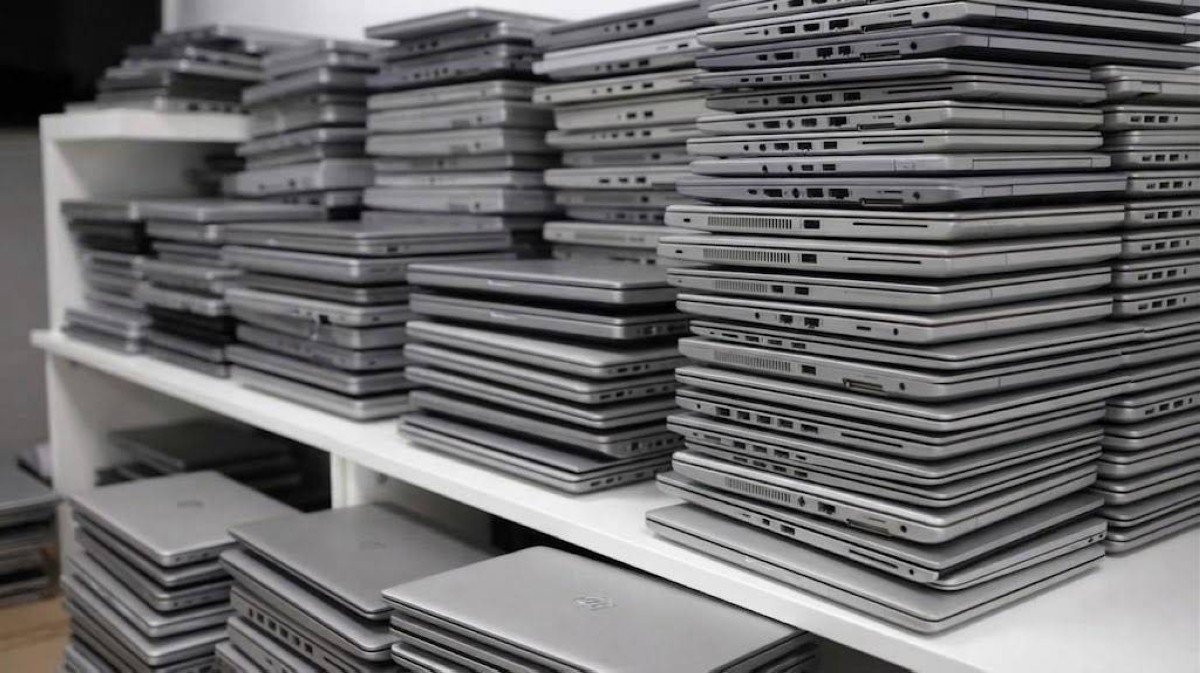
وبحسب تقديرات منظمة PIRG الأمريكية، فإن نحو 400 مليون جهاز كمبيوتر قد لا يكون مؤهلًا للترقية الرسمية إلى Windows 11، وهو ما يثير مخاوف بيئية كبيرة بشأن مصير هذه الأجهزة، وإمكانية تحول جزء كبير منها إلى نفايات إلكترونية بدل مواصلة استخدامها لسنوات أخرى.

لماذا لا يمكن لهذه الأجهزة الانتقال إلى Windows 11؟

عندما طرحت مايكروسوفت Windows 11 في عام 2021، فرضت متطلبات تقنية أكثر صرامة مقارنة بـWindows 10. ومن أبرز هذه المتطلبات وجود TPM 2.0، ودعم UEFI Secure Boot، إلى جانب استخدام معالج مدعوم وحديث نسبيا.

وتقول مايكروسوفت إن هذه الشروط تهدف إلى تعزيز أمان الأجهزة وتحسين الأداء والموثوقية. لكن النتيجة العملية كانت استبعاد أعداد كبيرة من أجهزة الكمبيوتر التي تستطيع تشغيل Windows 10 بشكل طبيعي، لكنها لا تستوفي متطلبات النظام الجديد.

وبحسب تقديرات PIRG، قد يؤدي التخلص من هذه الأجهزة إلى توليد ما يقارب 1.6 مليار رطل من النفايات الإلكترونية، ما يضيف ضغطًا جديدًا على مشكلة المخلفات التقنية المتزايدة حول العالم.

هل يعني انتهاء الدعم أن الكمبيوتر أصبح بلا فائدة؟

انتهاء الدعم ليس بالضرورة أن الكمبيوتر أصبح بلا فائدة، فالجهاز الذي لا يستطيع تشغيل Windows 11 لن يتوقف عن العمل لمجرد انتهاء دعم Windows 10، ويمكن للمستخدم مواصلة تشغيله، لكن المشكلة الأساسية تكمن في الأمان.

فمع توقف التحديثات الأمنية المنتظمة، يصبح النظام أكثر عرضة للثغرات والتهديدات مع مرور الوقت. كما قد تبدأ بعض البرامج والتطبيقات في المستقبل بالتخلي تدريجيا عن دعم Windows 10، ما يجعل استخدام الأجهزة القديمة أكثر صعوبة، وفق تقرير لموقع "slashgear".

ومع ذلك، لن تتحول جميع الأجهزة غير المؤهلة إلى نفايات. فقد يختار بعض المستخدمين الاستمرار في تشغيل Windows 10، بينما يمكن لآخرين تثبيت نظام تشغيل مختلف أو اللجوء إلى حلول غير رسمية لتشغيل Windows 11.

ما الخيارات أمام مستخدمي Windows 10؟

لا يزال أمام أصحاب الأجهزة غير المتوافقة مع Windows 11 عدد من الخيارات. أحدها هو الاستفادة من تحديثات الأمان الموسعة (ESU) التي توفرها مايكروسوفت لفترة محدودة، ما يسمح بالحصول على تحديثات أمنية حتى أكتوبر 2027 وفق شروط البرنامج.

كما يمكن للمستخدمين التفكير في أنظمة تشغيل بديلة مثل Linux، الذي تتوفر منه توزيعات عديدة يمكن تشغيلها على أجهزة قديمة نسبيا، أو ChromeOS Flex من جوجل، المصمم للعمل على مجموعة من أجهزة الكمبيوتر التي لا تحتاج إلى مواصفات حديثة جدًا.

وهناك أيضا إصدار Windows 10 IoT Enterprise LTSC الذي يمتد دعمه لفترة أطول، لكنه ليس خيارًا مماثلًا تمامًا لإصدارات Windows 10 العادية ومناسبته تعتمد على نوع الاستخدام والترخيص المتاح.

مشكلة تتجاوز مايكروسوفت

ويرى خبراء التقنية أن المشكلة لا تتعلق فقط بانتهاء دعم نظام تشغيل قديم، بل بالسؤال الأوسع حول عمر الأجهزة الإلكترونية. فكلما أصبحت متطلبات البرامج أكثر صرامة، قد يجد المستخدم نفسه مضطرا إلى استبدال جهاز لا يزال يعمل من الناحية المادية.

وهنا تكمن المشكلة فقد يكون الكمبيوتر لا يزال يعمل بشكل طبيعي، لكن توقف دعم نظامه يجعله أقل أمانا، ما قد يدفع بعض المستخدمين إلى استبداله بجهاز جديد والتخلص من القديم.

ولهذا يحذر نشطاء البيئة من أن دورة التحديث السريعة للأجهزة والبرمجيات يمكن أن تزيد حجم النفايات الإلكترونية، خصوصا عندما تكون المشكلة في توافق النظام وليس في تلف الكمبيوتر نفسه.

وفي المقابل، فإن إعادة استخدام الأجهزة، أو ترقيتها، أو إعادة تدويرها بصورة صحيحة، يمكن أن يطيل عمرها ويقلل من كمية المخلفات الإلكترونية الناتجة عنها.

Windows 10Microsoftcomputer
الخبر متوفّر باللغات التالية:English
المصدر الأصلي للخبر
البيان

400 million computers at risk... what will happen to these devices?

August 16, 2026·Al Bayan
400 million computers at risk... what will happen to these devices?

Millions of computers are facing a support expiration problem after Microsoft stopped supporting Windows 10 on October 14, 2025. This leaves hundreds of millions of devices that do not meet the requirements for Windows 11 in a more complex future, even though many of them still work normally.

According to estimates by the American organization PIRG, around 400 million computers may not be eligible for the official upgrade to Windows 11. This raises significant environmental concerns about the fate of these devices and the potential for a large portion of them to become electronic waste instead of continuing to be used for another few years.

Why can't these devices switch to Windows 11?

When Microsoft launched Windows 11 in 2021, it imposed more stringent technical requirements compared to Windows 10. One of the most notable requirements is TPM 2.0 and support for UEFI Secure Boot, along with the use of a supported processor that is relatively new.

Microsoft says these conditions aim to enhance device security and improve performance and reliability. However, the practical result was the exclusion of large numbers of computers that can run Windows 10 normally but do not meet the requirements for the new system.

According to PIRG estimates, disposing of these devices could generate approximately 1.6 billion pounds of electronic waste, adding a new pressure to the growing problem of technical waste around the world.

Does the end of support mean a computer is useless?

The end of support does not necessarily mean that a computer becomes useless. A device that cannot run Windows 11 will not stop working just because Windows 10 support has ended, and users can continue to use it, but the main problem lies in security.

With the cessation of regular security updates, the system becomes more vulnerable to vulnerabilities and threats over time. In the future, some software and applications may gradually stop supporting Windows 10, making the use of older devices more difficult, according to a report on the "slashgear" website.

However, not all unsupported devices will become waste. Some users may choose to continue running Windows 10, while others can install a different operating system or resort to unofficial solutions for running Windows 11.

What are the options for Windows 10 users?

There are still several options available to owners of devices that are not compatible with Windows 11. One is to take advantage of the Extended Security Updates (ESU) provided by Microsoft for a limited time, which allows access to security updates until October 2027 under the program's terms.

Users can also consider alternative operating systems such as Linux, which has many distributions that can run on relatively old hardware. Another option is Google’s ChromeOS Flex, designed to work on a range of computers that don’t need very modern specifications.

There is also the Windows 10 IoT Enterprise LTSC version, which has extended support but isn’t exactly similar to regular Windows 10 versions. Its suitability depends on the type of use and available licensing.

A problem beyond Microsoft

Technology experts say that the issue is not just about an old operating system losing support, but also a broader question about the lifespan of electronic devices. As software requirements become more stringent, users may find themselves forced to replace hardware that is still physically functional.

Herein lies the problem: A computer might be working perfectly, but when its operating system loses support, it becomes less secure, which could prompt some users to replace it with a new device and dispose of the old one.

For this reason, environmental activists warn that the rapid update cycle for devices and software can increase the volume of electronic waste, especially when the issue is system compatibility rather than physical damage to the computer itself.

On the other hand, proper reuse, upgrading, or recycling of devices can extend their lifespan and reduce the amount of resulting electronic waste.

Windows 10Microsoftcomputer
This article is also available in:العربية
Original source article
Al Bayan