88 ساعة و3 ملايين رسالة.. الذكاء الاصطناعي يحل مسألة عمرها 90 عاماً

10 سبتمبر 2026·البيان
88 ساعة و3 ملايين رسالة.. الذكاء الاصطناعي يحل مسألة عمرها 90 عاماً


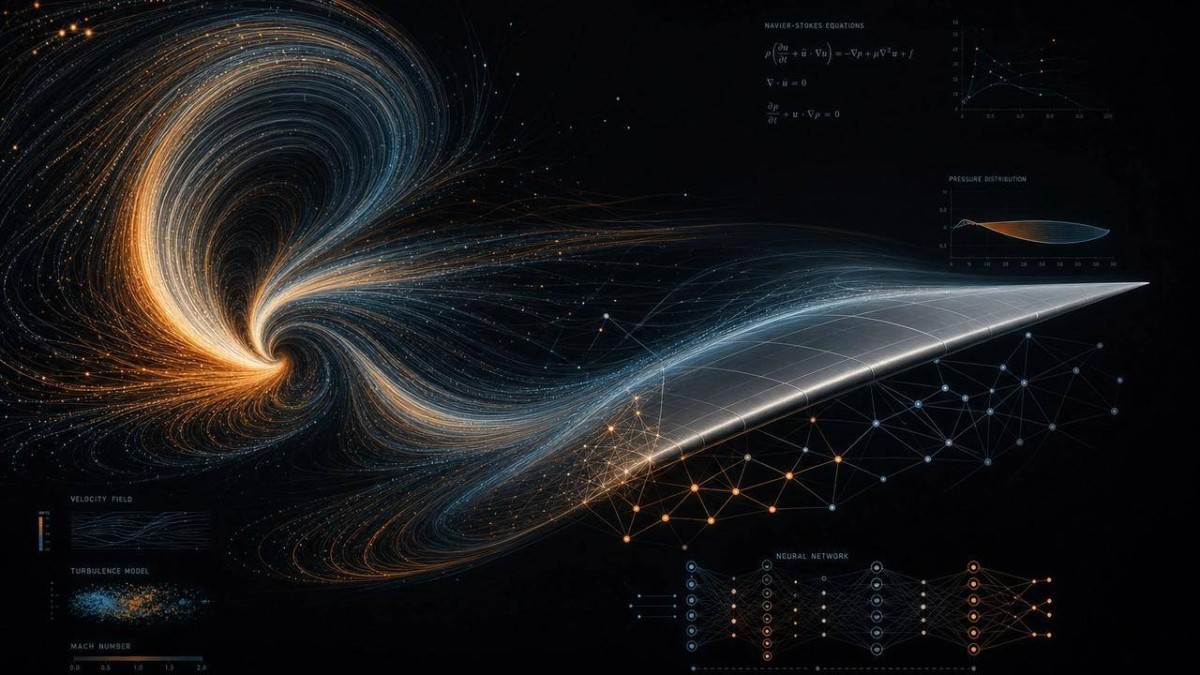
في 88 ساعة فقط، أجرى وكلاء ذكاء اصطناعي نحو 3 ملايين رسالة في محاولة لحل واحدة من أصعب المسائل الرياضية في العالم، قبل أن تعلن شركة OpenAI توصلها إلى حل لمسألة «نافييه-ستوكس» التي ظلت جوانب مهمة منها دون برهان لنحو 90 عامًا.

وقالت الشركة، المطورة لـChatGPT، يوم الثلاثاء، إنها ركّزت مجموعة من نحو 10 آلاف وكيل، أو روبوتات ذكاء اصطناعي قادرة على تنفيذ المهام بصورة شبه مستقلة، لمحاولة حل مسألة رياضية معروفة بصعوبتها، ضمن «معادلات نافييه-ستوكس» التي تتناول كيفية حركة السوائل.

وظلت جوانب مهمة من هذه المسألة الرياضية، التي يعود تاريخها إلى نحو 90 عامًا، من دون برهان؛ والبرهان هو الحجة الرياضية التي تثبت صحة معادلة أو نتيجة رياضية.

ووصفت OpenAI الحل الذي توصلت إليه بأنه «محطة مهمة»، وقالت إنه يمثل دليلًا على السرعة التي تتطور بها أدوات الذكاء الاصطناعي.

لكن الحل لم يخضع بعد للتحقق المستقل أو القبول العلني من جانب «معهد كلاي للرياضيات»، وهو مؤسسة رياضية أميركية تدير «جائزة الألفية» التي تبلغ قيمة الجائزة فيها مليون دولار لمن ينجح في حل عدد من أصعب المسائل الرياضية المحددة.

وأثار إعلان OpenAI ردود فعل وانتقادات، بعدما قال تريستان باكماستر، أستاذ الرياضيات في جامعة نيويورك، إنه كان يعمل هو وعالم الرياضيات ليفنت ألبوغه، الذي يعمل لدى شركة Anthropic المنافسة لـOpenAI، على حل المسألة نفسها.

وكان الباحثان يستخدمان أداة Codex التابعة لـOpenAI في عملهما. لكن باكماستر قال إنه علم في 3 سبتمبر أن «معلومات عن تقدمنا» وصلت إلى OpenAI.

ونشر باكماستر بيانه في اليوم نفسه الذي أعلنت فيه OpenAI عملها على مسألة نافييه-ستوكس، ولكن قبل إعلان الشركة بساعات. وقال إن OpenAI لم تبدأ العمل على معادلات نافييه-ستوكس إلا «بعد وصول معلومات عن عملنا إلى OpenAI».

وأرفق باكماستر ببيانه نصوصًا من رسائل بريد إلكتروني جرى تبادلها مع OpenAI بشأن العمل، إضافة إلى تساؤلاته حول توقيت الشركة والأساليب التي استخدمتها.

وأضاف أنه لم يقرأ بعد البرهان الكامل الذي قدمته OpenAI، لكنه شعر بأنه مضطر إلى نشر ما لديه «مما قيل لي، ومتى قيل، وما تم اقتراحه عليّ»، لأن البديل، بحسب قوله، هو السماح لسلسلة من الإعلانات بأن تقول شيئًا يعرف أنه غير صحيح.

من جانبها، هنأت OpenAI باكماستر وألبوغه على «العمل المتزامن»، ووصفته بأنه «رائع».

وقالت الشركة إنها لم تطّلع على أي من عمل الباحثين «بأي وسيلة» قبل أن ينشراه علنًا، مؤكدة كذلك أن أي بيانات خاصة بالمستخدمين لم يتم الوصول إليها خلال عملها على مسألة نافييه-ستوكس.

«بيانات »

وأضافت OpenAI: «رغم أن ذلك غير مرجح، لا يمكننا استبعاد احتمال أن تكون بيانات مجهولة المصدر ناتجة عن استخدامهم لمنتجاتنا قد ساعدت في تحسين نماذجنا». لكنها قالت إن البراهين التي توصل إليها الطرفان «تختلف بشكل كبير»، وإن النتائج التي جرى إثباتها بدقة مختلفة أيضًا.

وأوضحت OpenAI أنها بدأت في نهاية أغسطس تدريب نموذج جديد، أظهر سريعًا قدرة عالية في الرياضيات. والنماذج التي تعمل بالذكاء الاصطناعي هي برامج حاسوبية تُدرّب على كميات هائلة من البيانات للتعرف إلى الأنماط الموجودة في المعلومات والتنبؤ بها.

ولا يزال النموذج الجديد من OpenAI أداة داخلية تستخدمها الشركة فقط، إذ وصفته بأنه «أكثر قدرة بشكل كبير» من أحدث نموذج أطلقته الشركة للجمهور.

وبسبب قدراته الرياضية، قرر باحثو OpenAI استخدام النموذج في محاولة حل عدد من المسائل الرياضية المتقدمة المعروفة.

وقالت الشركة إنها سمعت في الأول من سبتمبر شائعات تفيد بحل مسألتين من مسائل جائزة الألفية، ولذلك قررت تكليف آلاف وكلاء الذكاء الاصطناعي، المدربين على النموذج الداخلي الجديد، بمحاولة حل بعض المسائل المتبقية.

وبحلول 5 سبتمبر، أي بعد نحو 88 ساعة من تكليف 10 آلاف وكيل بالمهمة، قالت OpenAI إنها وجدت حلًا لما يعرف بمسألة «وجود وانتظام نافييه-ستوكس».

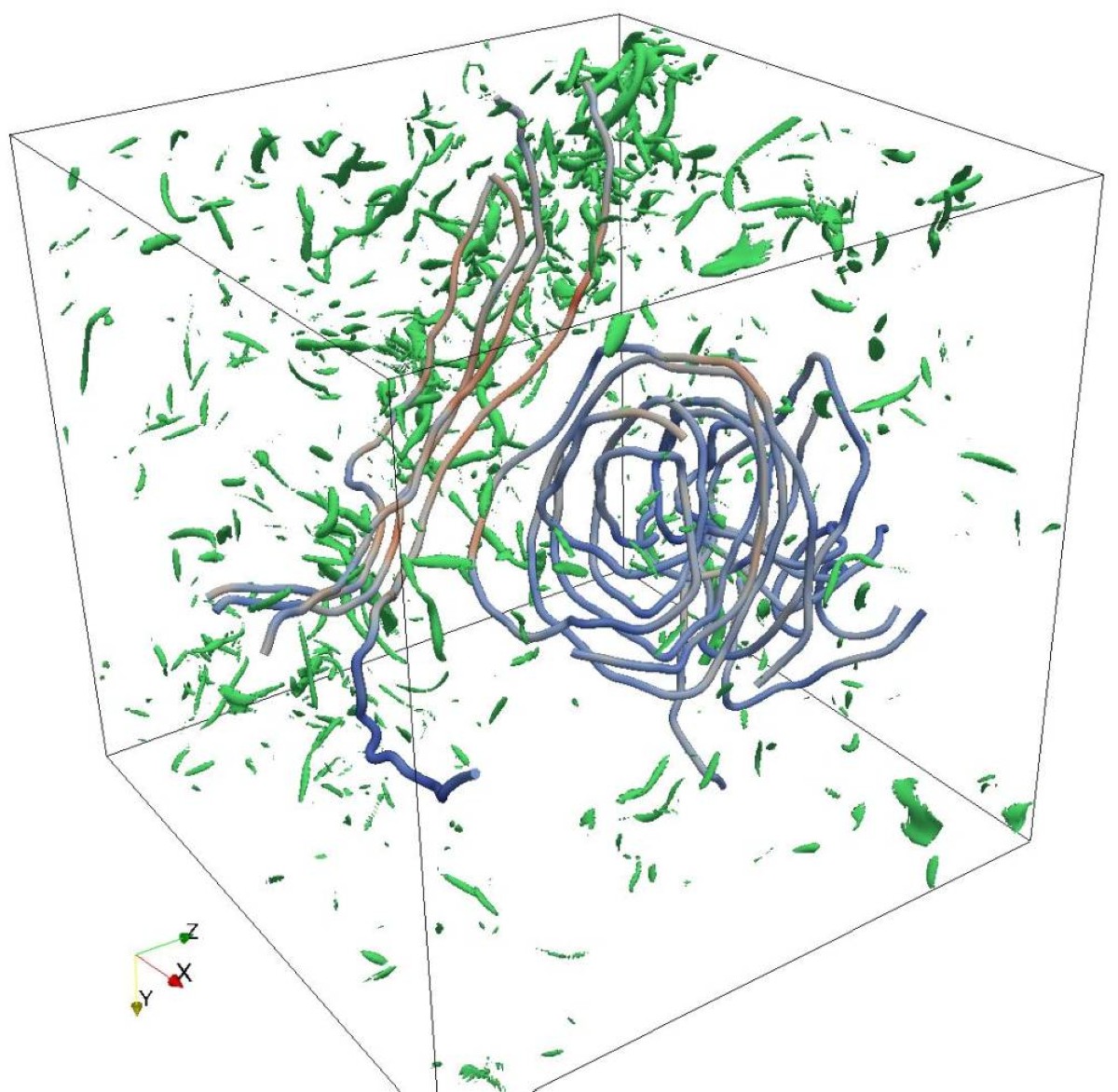
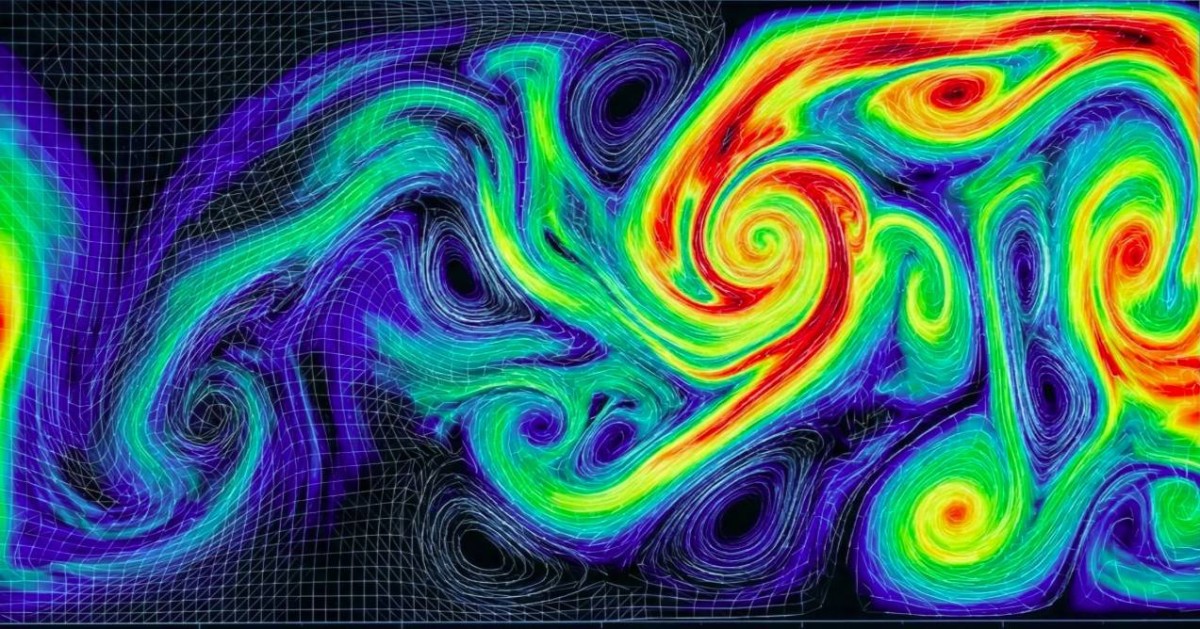
وترتبط هذه المسألة بظاهرة اضطراب السوائل، التي لا يزال فهمها الكامل يمثل تحديًا كبيرًا للعلماء.

ورغم أن وكلاء الذكاء الاصطناعي احتاجوا ظاهريًا إلى وقت قصير للوصول إلى الحل، فإن OpenAI قالت إنهم تبادلوا نحو 3 ملايين رسالة واستخدموا 130 مليار رمز ناتج، أي الوحدات الفردية من النصوص أو الأكواد التي ينتجها نموذج الذكاء الاصطناعي في إجاباته، خلال العمل على مسألة نافييه-ستوكس وحدها.

وبحسب أسعار OpenAI نفسها لإنتاج المخرجات من أكثر نماذجها تقدمًا، كانت مثل هذه العملية ستكلف نحو 10 ملايين دولار، أي ما يعادل 7.3 ملايين جنيه إسترليني.

وقالت OpenAI إن الحل الذي توصلت إليه لمسألة وجود وانتظام نافييه-ستوكس أثبت اثنتين من العبارات الأربع التي اشترطتها جائزة الألفية في البرهان.

وتبلغ قيمة جائزة الألفية مليون دولار للفائز الذي ينجح في حل إحدى هذه المسائل.

ومع ذلك، شددت OpenAI على أنها لا تعتزم المطالبة بجائزة الألفية عن هذا العمل، وقالت: «هدفنا من نشر هذه النتيجة هو الإبلاغ عن التقدم الكبير الذي حققته نماذج الذكاء الاصطناعي لدينا. لا نعتزم المطالبة بجائزة الألفية عن هذه النتيجة».

  • الذكاء الاصطناعي
  • مسألة رياضية
  • وكلاء ذكاء اصطناعي
  • أوبن آيه آي
  • شات جي بي تي
AIChatbotsMath
الخبر متوفّر باللغات التالية:English
المصدر الأصلي للخبر
البيان

88 hours and 3 million messages: Artificial intelligence solves a problem that has been around for 90 years

September 10, 2026·Al Bayan
88 hours and 3 million messages: Artificial intelligence solves a problem that has been around for 90 years


In just 88 hours, artificial intelligence agents conducted nearly 3 million messages in an attempt to solve one of the world’s most difficult mathematical problems, before OpenAI announced that it had found a solution to the Navier–Stokes equations, which have remained unproven for important aspects of about 90 years.

The company, developer of ChatGPT, said on Tuesday that it focused a group of nearly 10,000 agents, or AI robots capable of performing tasks almost independently, to try to solve a mathematical problem known for its difficulty, within the Navier–Stokes equations which deal with how fluids move.

Important aspects of this 90-year-old mathematical problem have remained unproven; a proof is the mathematical argument that establishes the validity of an equation or mathematical result.

OpenAI described its solution as “an important milestone,” saying it was evidence of how quickly AI tools are evolving.

But the solution has not yet been independently verified or publicly accepted by the Clay Mathematics Institute, an American mathematics organization that runs the $1 million Millennium Prize for solving some of the most difficult mathematical problems.

OpenAI’s announcement drew reactions and criticism after Tristan C. Mbakwe, a mathematics professor at New York University, said he and mathematician Levente J. Alboghadjiev, who works for rival company Anthropic, had been working on the same problem.

The two researchers were using OpenAI’s Codex tool in their work. But Mbakwe said that on September 3, he learned that “information about our progress” reached OpenAI.

Mbakwe published his statement the same day as OpenAI announced its work on the Navier–Stokes problem, but hours before the company’s announcement. He said that OpenAI did not start working on the Navier–Stokes equations until “after information about our work reached OpenAI.”

In his statement, 맥스터 (McMaster) attached texts from emails he exchanged with OpenAI about the work, as well as questions about the timing and methods used by the company.

He added that he had not yet read the full proof presented by OpenAI but felt compelled to publish what he had “been told, when it was said, and what was suggested to me,” because the alternative, according to him, would be to allow a series of statements to say something he knows is false.

For their part, OpenAI congratulated 맥스터 (McMaster) and 알보그 (Alborg) on “the simultaneous work” and described it as “amazing”.

The company said that it had not seen any of the researchers’ work “in any way” before they published it publicly, confirming also that no user data was accessed during its work on the Navier–Stokes problem.

“Data”

OpenAI added: “Although unlikely, we cannot rule out the possibility that anonymized data from their use of our products may have helped improve our models.” However, it said that the proofs reached by both parties “differ significantly,” and that the results proven with precision also differ.

OpenAI explained that at the end of August, it began training a new model, which quickly showed high capacity in mathematics. Artificial intelligence (AI) models are computer programs trained on vast amounts of data to recognize and predict patterns in information.

OpenAI’s new model is still an internal tool that the company uses only, describing it as “significantly more capable” than its most recent publicly released model.

Because of its mathematical capabilities, OpenAI researchers decided to use the model in an attempt to solve several advanced mathematical problems known as Millennium Prize Problems.

The company said it first heard rumors on September 1 that two of the Millennium Prize Problems had been solved and therefore decided to task thousands of AI agents trained on its new internal model with trying to solve some remaining problems.

By September 5, after about 88 hours of 10,000 agents being tasked with the job, OpenAI said it had found a solution to what is known as the Navier–Stokes existence and regularity problem.

This problem relates to the phenomenon of fluid turbulence, which remains a significant challenge for scientists to fully understand.

Although AI agents apparently needed little time to reach a solution, OpenAI said they exchanged about 3 million messages and used 130 billion tokens—the individual units of text or code that an AI model produces in its responses—while working on the Navier–Stokes problem alone.

According to OpenAI’s own pricing for output from its most advanced models, such a process would have cost about $10 million, equivalent to £7.3 million.

OpenAI said its solution to the Navier–Stokes existence and regularity problem proved two of the four statements required for the Millennium Prize.

The prize is worth $1 million to the winner who solves one of these problems.

However, OpenAI emphasized that it does not intend to claim the Millennium Prize for this work, saying: “Our goal in publishing this result is to report on the significant progress made by our AI models. We do not intend to claim the Millennium Prize for this result.”

  • Artificial Intelligence
  • Mathematical Problem
  • AI Agents
  • OpenAI
  • ChatGPT
AIChatbotsMath
This article is also available in:العربية
Original source article
Al Bayan