الروبوتات.. من الإزاحة للمنافسة
5 يوليو 2026·البيان
الروبوتات.. من الإزاحة للمنافسة
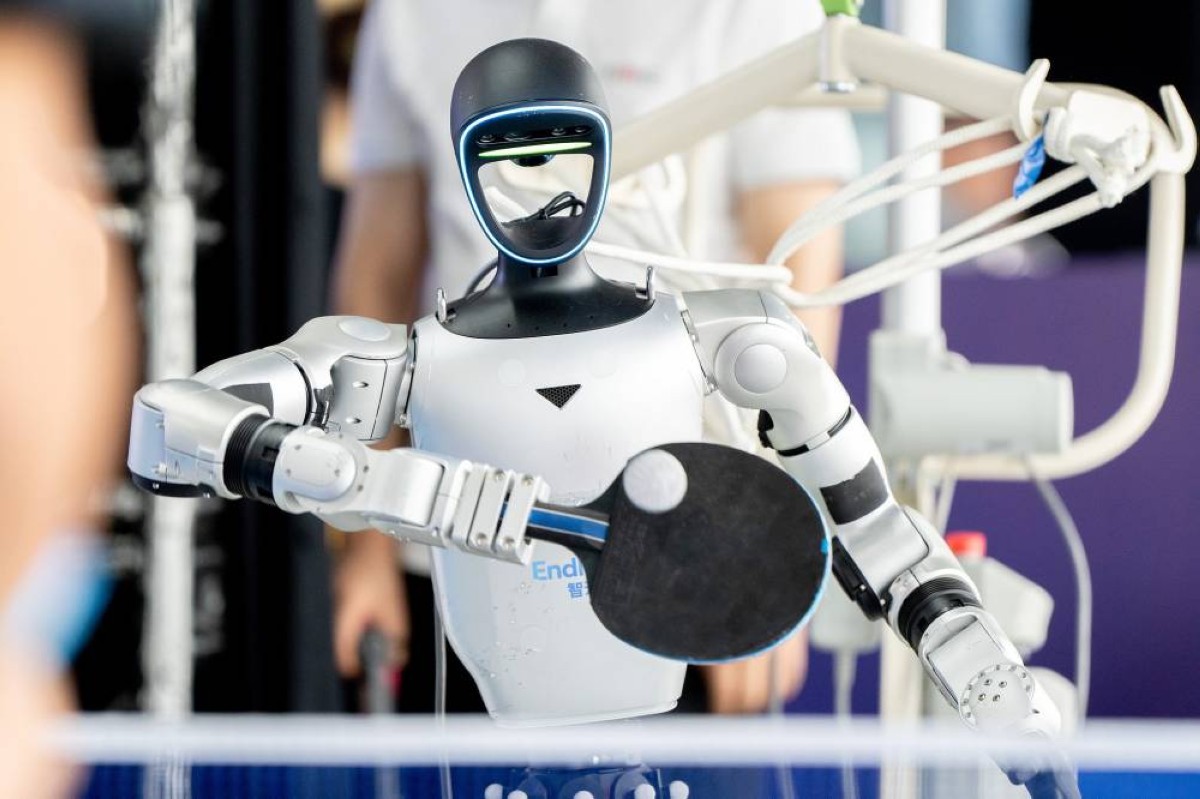
في صباح قريب، يفتح مدير الموارد البشرية باب غرفة المقابلات، فيدخل متقدمان إلى وظيفة واحدة. الأول شاب يحمل ملفه بين يديه، والثاني روبوت بشري القامة، يمشي على قدمين، يحيي اللجنة بصوت محسوب، ويضع على الشاشة الصغيرة في صدره سيرته المهنية وشهادات تدريبه.

لا أحد في الغرفة يضحك. لم يعد المشهد طرفة من طرائف الخيال العلمي. فالوظيفة لم تختف بعد كما اختفت وظائف كثيرة أمام موجات الآلة، من خطوط التجميع إلى إدخال البيانات، وإنما صارت ساحة منافسة جديدة. الإنسان والروبوت لا يقفان هذه المرة على طرفين متباعدين، إنهما يجلسان أمام اللجنة نفسها، ويسمعان السؤال نفسه: لماذا نختارك أنت؟

مدرسة الروبوت

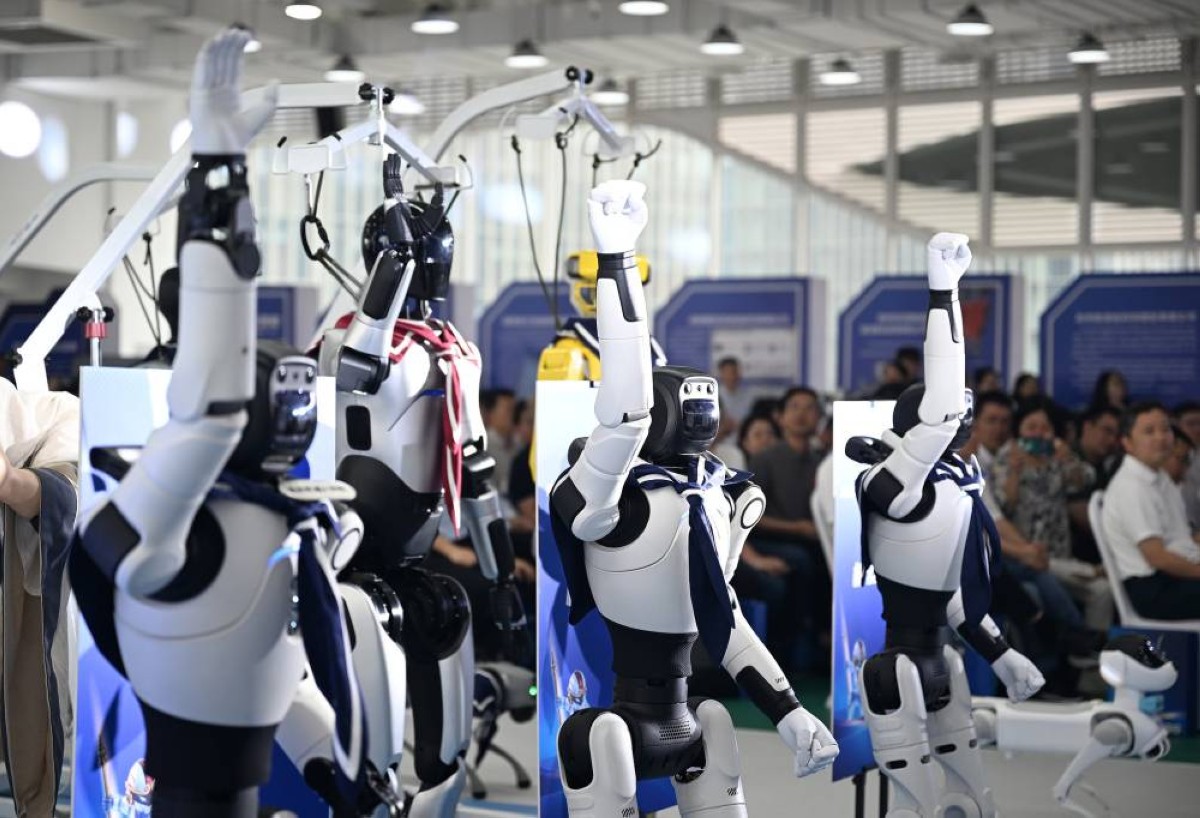
هذا الخيال صار أقرب إلى الواقع بعد افتتاح الصين أول مدرسة مخصصة لتدريب الروبوتات البشرية في مدينة هانغتشو بمقاطعة تشجيانغ. وبحسب شبكة «سي جي تي إن»، فإن مدرسة هانغتشو للروبوتات تقدم أربعة مسارات تدريبية للروبوتات البشرية، هي المهارات التقنية، والرعاية، والفنون، والرياضة، بهدف إعداد روبوتات أكثر قدرة على أداء مهام عملية وإبداعية في العالم الحقيقي.

وبحسب وكالة «إي سي إن إس»، بدأت المدرسة بفصل أول يضم 30 روبوتاً بشرياً، وتتولى تدريبهم قبل منحهم شهادات تؤهلهم للعمل في قطاعات مثل الصناعة والخدمات والأمن والترفيه. وتخضع الروبوتات عند التسجيل لفحص يشمل كفاءة الأجهزة وسلامة الوظائف وتوافق الخوارزميات، ثم تلتحق بمسارات متخصصة تشمل الفنيين والرعاية الصحية والفنون والرياضة.

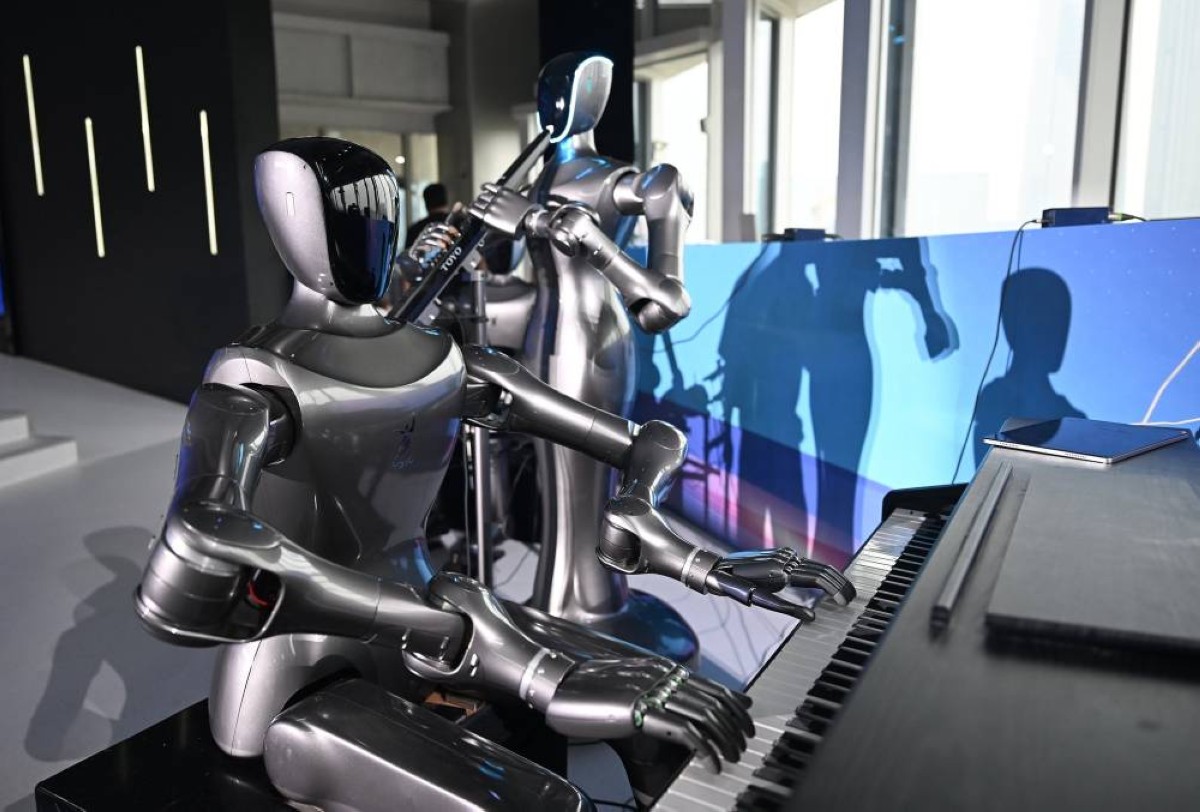
هذه ليست مدرسة بالمعنى الذي عرفناه، فلا دفاتر فيها ولا حقائب صغيرة ولا طلاب يتأخرون عن الحصة الأولى. إنها معمل جديد لسوق العمل، فيه تتعلم الآلات كيف تتحرك، وكيف ترى، وكيف تتحدث، وكيف تتعامل مع الإنسان في الممرات والمستودعات والمستشفيات والمسارح.

سؤال العمل

حين يجلس الشاب والروبوت في مقابلة واحدة، لن يكون السؤال عن القوة وحدها. فالروبوت لا يتعب سريعاً، ولا يطلب إجازة، ولا ينسى تعليمات السلامة إذا كانت مبرمجة جيداً. وقد ينجح في العمل الليلي، وفي حمل الأشياء، وفي استقبال الزوار، وفي تكرار المهمة مئة مرة من غير ضجر.

أما الإنسان فيحضر بشيء آخر. يحضر بالحدس، وبالشك، وبالرحمة، وبالقدرة على قراءة ما لا تقوله الكلمات. يعرف أحياناً متى يخالف التعليمات لينقذ موقفاً، ومتى يصمت احتراماً لحزن عابر على وجه عميل، ومتى يبتكر حلاً لم يكن في الدليل.

غير أن هذا الامتياز الإنساني لم يعد كافياً إن ظل صاحبه واقفاً مكانه. فالروبوت الذي يدخل المقابلة ليس آلة صماء كما كانت آلات المصانع الأولى، إنه يتعلم. والمدرسة الصينية الجديدة تقول للعالم إن تدريب الروبوتات لم يعد اختباراً في المختبر، وإنما مساراً مهنياً له فصول وشهادات وتخصصات.

أرقام ناطقة

تدخل هذه القصة في زمن تتسارع فيه الروبوتات على نحو غير مسبوق. فبحسب الاتحاد الدولي للروبوتات، جرى تركيب 542 ألف روبوت صناعي في العالم خلال عام 2024، وهو رقم يزيد على ضعف ما كان عليه قبل عشر سنوات. كما بلغ عدد الروبوتات الصناعية العاملة في العالم 4.664 ملايين روبوت، بزيادة 9 في المئة على العام السابق.

وتتصدر الصين هذا التحول. فبحسب الاتحاد الدولي للروبوتات، استحوذت الصين وحدها على 54 في المئة من الروبوتات الصناعية الجديدة في 2024، مع تركيب 295 ألف روبوت صناعي، كما تجاوز مخزونها التشغيلي مليوني روبوت، وهو الأكبر عالمياً.

هذه الأرقام لا تتحدث عن المستقبل البعيد، وإنما عن حاضر يتحرك تحت أقدامنا. فما بدأ في المصانع المغلقة يمتد اليوم إلى الممرات المفتوحة، إلى الفنادق والمستشفيات والمطارات والمخازن، وربما إلى قاعات المقابلات التي كنا نظنها من اختصاص البشر وحدهم.

وظائف تتغير

بحسب تقرير «مستقبل الوظائف 2025» الصادر عن المنتدى الاقتصادي العالمي، يتوقع أصحاب العمل أن تشهد سوق العمل العالمية تحولاً بنيوياً يعادل 22 في المئة من الوظائف الحالية بين 2025 و2030. ويقدر التقرير أن العالم سيخلق 170 مليون وظيفة جديدة، في مقابل إزاحة 92 مليون وظيفة، بما يعني نمواً صافياً قدره 78 مليون وظيفة.

ويقول التقرير نفسه إن 86 في المئة من أصحاب العمل يتوقعون أن تغيّر تقنيات الذكاء الاصطناعي ومعالجة المعلومات أعمالهم بحلول 2030، فيما يرى 58 في المئة أن الروبوتات والأتمتة ستكون من القوى المحولة لأعمالهم. كما يتوقع التقرير تراجع وظائف مثل أمناء الصناديق وموظفي التذاكر والمساعدين الإداريين وكتبة إدخال البيانات.

هنا تتبدل طبيعة الخوف. لم يعد الخوف أن يأتي الروبوت فيمحو وظيفة بكاملها فحسب، وإنما أن يأتي إلى وظيفة باقية، فيزاحم الإنسان فيها، ويطالبه بأن يثبت قيمته من جديد.

درس الصين

الروبوت لم يعد منتجاً يباع بعد خروجه من المصنع، وإنما كائن تقني يتلقى تدريباً مستمراً، ويمر بتقييم، ثم يحصل على شهادة مهنية. وبحسب «إي سي إن إس»، فإن الروبوتات التي تجتاز الاختبارات ستحصل على شهادات تعادل المؤهلات المهنية، بما يسمح بنشرها بدوام كامل في مجالاتها المحددة.

ولعل أخطر ما في المشهد أنه لا يعلن نهاية الإنسان، وإنما يطالبه بنسخة أجدر من نفسه. فالروبوت يستطيع أن يتعلم المهارة، ويستطيع أن يقلد الحركة، ويستطيع أن يحسن الإجابة. أما الإنسان، فإن لم يضف إلى مهارته خيالاً وذوقاً وأخلاقاً ومسؤولية، فقد يجد نفسه ينافس آلة في ملعب اختارته الآلة جيداً.

قيمة الإنسان

لا ينبغي أن يكون الجواب حرباً بين الإنسان والروبوت. فكل عصر حمل آلة جديدة ثم اضطر الإنسان إلى ترتيب علاقته بها. غير أن هذه المرة أشد حساسية، لأن الآلة أخذت شكلنا، ومشت على أقدام تشبه أقدامنا، وبدأت تتعلم أعمالاً كنا نعدها من شأن البشر.

الطريق الأسلم ليس في إنكار القادم، ولا في التسليم له. الطريق أن نعيد تعريف العمل نفسه. فما تستطيع الآلة فعله بكفاءة ينبغي أن يحرر الإنسان لما هو أرفع: التفكير، الرعاية، الابتكار، الحكم الأخلاقي، بناء الثقة، وفهم السياق الذي لا يظهر في البيانات.

حين تخرج اللجنة من غرفة المقابلات في ذلك الصباح القريب، قد تختار الروبوت لبعض المهام، وقد تختار الإنسان لبعضها، وقد تختارهما معاً. غير أن القرار الأعمق لن يكون في اسم الفائز بالوظيفة، وإنما في السؤال الذي سيبقى معلقاً فوق كل مكتب وكل مصنع وكل مدرسة: ماذا نملك نحن مما لا تستطيع الآلة أن تتعلمه بسهولة؟

ذلك هو الامتحان الجديد. لم يعد الروبوت ينتظرنا في نهاية خط الإنتاج، إنه يجلس معنا في قاعة الانتظار. يحمل ملفه، ينتظر اسمه، ويستعد لأن يقول للجنة بثقة باردة: أنا أيضاً مؤهل لهذه الوظيفة.

robotsaiinterview
الخبر متوفّر باللغات التالية:English
المصدر الأصلي للخبر
البيان

Robots: From Displacement to Competition

July 05, 2026·Al Bayan
Robots: From Displacement to Competition

Soon, the human resources manager opens the door of the interview room and two candidates for one job enter: a young man holding his file in his hands and a humanoid robot that walks on its feet, greets the committee with a measured voice, and places his professional CV and training certificates on the small screen in his chest.

No one in the room laughs. The scene is no longer a joke from science fiction. The job has not disappeared as many jobs have before the waves of machines, from assembly lines to data entry, but it has become a new arena for competition. This time, man and robot are not on opposite sides; they sit in front of the same committee and hear the same question: Why should we choose you?

Robot school

This imagination has become closer to reality after China opened the first school dedicated to training human robots in Hangzhou City, Zhejiang Province. According to the “CGTN” network, the Hangzhou Robot School offers four training tracks for human robots: technical skills, care, arts, and sports, with the aim of preparing more capable robots to perform practical and creative tasks in the real world.

According to the “ECNS” agency, the school started a first batch of 30 human robots, who will be trained before being awarded certificates that qualify them for work in sectors such as industry, services, security, and entertainment. When registered, the robots undergo an examination covering device efficiency, function safety, and algorithm compatibility, then join specialized tracks including technicians, healthcare, arts, and sports.

This is not a school in the traditional sense; there are no notebooks or small bags or students who are late for their first period. It’s a new laboratory for the job market where machines learn how to move, see, speak, and interact with humans in corridors, warehouses, hospitals, and theaters.

The work question

When the young man and robot sit for an interview, it won’t be about strength alone. The robot doesn’t get tired quickly, doesn’t ask for a vacation, and doesn’t forget safety instructions if they are well programmed. It can succeed in night work, carrying things, greeting visitors, and repeating the task 100 times without getting bored.

Humans, on the other hand, bring something else. They bring intuition, doubt, compassion, and the ability to read what words do not say. Sometimes they know when to go against instructions to save a situation, when to remain silent out of respect for a client’s passing sadness, or when to come up with a solution that wasn’t in the manual.

However, this human advantage is no longer enough if its owner remains standing still. The robot entering the interview is not a deaf machine like the first factory machines; it learns. The new Chinese school tells the world that training robots is no longer an experiment in the lab but a professional path with chapters, certificates, and specializations.

Speaking numbers

This story takes place at a time when robots are accelerating at an unprecedented rate. According to the International Federation of Robotics (IFR), 542,000 industrial robots were installed worldwide in 2024, which is more than double what it was ten years ago. The number of operational industrial robots in the world reached 4.664 million, an increase of 9 percent over the previous year.

China is leading this transformation. According to IFR, China alone accounted for 54 percent of new industrial robots in 2024 with the installation of 295,000 industrial robots. Its operational stock exceeded two million robots, which is the largest globally.

These figures do not speak of a distant future, but rather of the present that is moving beneath our feet. What began in closed factories today extends to open corridors, hotels, hospitals, airports and warehouses, and perhaps even to interview rooms which we thought were the sole domain of humans.

Jobs are changing

According to a report on “The Future of Jobs 2025” issued by the World Economic Forum, employers expect that the global job market will undergo a structural transformation equivalent to 22 percent of current jobs between 2025 and 2030. The report estimates that the world will create 170 million new jobs, while displacing 92 million jobs, meaning net growth of 78 million jobs.

The same report says that 86 percent of employers expect that artificial intelligence and information processing technologies will change their businesses by 2030, while 58 percent see robots and automation as transformative forces in their business. The report also predicts a decline in jobs such as fund managers, ticket office employees, administrative assistants and data entry clerks.

Here the nature of fear changes. It is no longer just the fear that a robot will wipe out an entire job, but rather that it will come to a remaining job, crowd out humans in it, and demand that they prove their value again.

The Chinese lesson

The robot is no longer a product sold after leaving the factory, but rather a technical object that receives continuous training, undergoes evaluation and then gets a professional certificate. According to ECNS, robots that pass tests will receive certificates equivalent to professional qualifications, allowing them to be deployed full time in their designated fields.

Perhaps the most dangerous thing about this scene is not that it announces the end of man, but rather that it demands a better version of himself. The robot can learn skills, mimic movement and improve its answers. However, if humans do not add to their skill imagination, taste, ethics and responsibility, they may find themselves competing with a machine in a well-chosen field by the machine.

The value of man

The answer should not be a war between humans and robots. Every era has brought new machines that have forced humans to rearrange their relationship with them. However, this time is more sensitive because the machine has taken our shape, walked on feet similar to ours, and started learning tasks we used to consider human.

The safest path is not to deny what is coming or to surrender to it. The way is to redefine work itself. What a machine can do efficiently should be freed for something higher: thinking, caring, innovating, moral judgment, building trust and understanding the context that does not appear in data.

When the committee leaves the interview room that morning, it may choose robots for some tasks, humans for others, and both together for still others. But the deeper decision will not be who gets the job; rather, it is the question that will remain hanging over every office, factory, and school: What do we have that machines cannot easily learn?

That is the new test. The robot no longer waits for us at the end of the production line; it sits with us in the waiting room. It carries its file, awaits its name to be called, and prepares to tell the committee, with a coldly confident air: I am also qualified for this job.

robotsaiinterview
This article is also available in:العربية
Original source article
Al Bayan