الشمس تطلق 10 توهجات خلال 24 ساعة وتثير أضواء الشفق القطبى فى السماء اليوم
4 يوليو 2026·اليوم السابع
الشمس تطلق 10 توهجات خلال 24 ساعة وتثير أضواء الشفق القطبى فى السماء اليوم

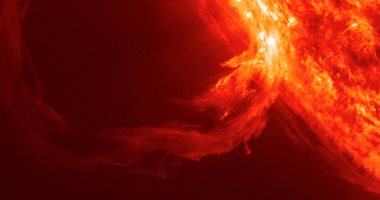
واصلت الشمس نشاطها الشديد بإطلاق 10 توهجات شمسية من فئة M خلال 24 ساعة، وقد رافقت بعض هذه الانفجارات انبعاثات كتلية إكليلية (CMEs) يبدو أنها موجهة نحو الأرض جزئيًا على الأقل، ولا يزال عدد هذه العواصف الشمسية التي ستصل إلى الأرض (ومدى فعاليتها) قيد الحساب، لكن خبراء الأرصاد الجوية الفضائية يتوقعون أن الأرض قد تشهد نشاطًا مغناطيسيًا متزايدًا وفرصًا أكبر لرؤية الشفق القطبي.

تفاصيل التوهجات الشمسية وآثارها على الأرض

وفقا لما ذكره موقع "space"، وصفت الفيزيائية الشمسية تاميتا سكوف النشاط الأخير بأنه "شمس متفجرة" في منشور حديث على موقع X، وكتبت أن أكثر من خمس عواصف شمسية في طريقها إلى الأرض، وأن ثلاثًا منها على الأقل توفر "فرصًا جيدة" لمشاهدة الشفق القطبي.

كتبت سكوف أن "توقعات نماذج الإدارة الوطنية للمحيطات والغلاف الجوي (NOAA) ووكالة ناسا لا تُظهر جميع العواصف حتى الآن"، مُشيرة إلى أن التتابع السريع للانفجارات البركانية جعل من الصعب وضع نماذج لها.

وتتوقع أحدث توقعات الإدارة الوطنية للمحيطات والغلاف الجوي حدوث عاصفة مغناطيسية أرضية متوسطة (G2)، ومع هبوب عواصف خفيفة (G1) خلال معظم يوم 3 يوليو، قد يدفع ذلك الشفق القطبي إلى الجنوب أكثر من المعتاد، مما قد يجعله مرئيًا في أجزاء من شمال الولايات المتحدة، بما في ذلك نيويورك وأيداهو، شريطة أن تكون السماء صافية ومظلمة.

يعتمد مدى روعة هذا العرض على كيفية تفاعل الانبعاثات الكتلية الإكليلية القادمة مع بعضها البعض، والأهم من ذلك، على اتجاه مجالاتها المغناطيسية عند وصولها، فعندما يصطف المجال المغناطيسي داخل العاصفة الشمسية في الاتجاه الصحيح، يمكنه نقل الطاقة بشكل أكثر فعالية إلى المجال المغناطيسي للأرض، مما ينتج عنه عواصف مغناطيسية أرضية أقوى وشفق قطبي أكثر سطوعًا.


sunsolar_flaresaurora
الخبر متوفّر باللغات التالية:English
المصدر الأصلي للخبر
اليوم السابع

The sun launches 10 flares in 24 hours and causes polar lights in the sky today

July 04, 2026·Youm7
The sun launches 10 flares in 24 hours and causes polar lights in the sky today

The sun continued its active behavior by releasing 10 M-class solar flares in 24 hours, and some of these eruptions were accompanied by coronal mass ejections (CMEs) that appear to be at least partially directed toward Earth. The number of such solar storms that will reach Earth (and their effectiveness) is still being calculated, but space weather experts predict that the planet may experience increased magnetic activity and a higher chance of seeing the aurora borealis.

Details of Solar Flares and Their Effects on Earth

According to the website “space,” solar physicist Tamita Skov described the recent activity as an “exploding sun” in a recent post on X. She wrote that more than five solar storms are on their way to Earth, with at least three of them offering “good opportunities” for viewing the aurora borealis.

Skov wrote that “the forecasts from NOAA’s and NASA’s models do not show all the storms yet,” noting that the rapid succession of eruptions has made it difficult to model them.

The latest forecast from NOAA predicts a G2 (medium) geomagnetic storm, with G1 (minor) storms expected during most of July 3. This may push the aurora borealis further south than usual, potentially making it visible in parts of northern United States, including New York and Idaho, provided that the sky is clear and dark.

How great this display will be depends on how the coronal mass ejections (CMEs) interact with each other, and most importantly, on the orientation of their magnetic fields when they arrive. When the magnetic field inside a solar storm is aligned in just the right way, it can transfer energy more effectively to Earth’s magnetic field, resulting in stronger geomagnetic storms and brighter auroras.


sunsolar_flaresaurora
This article is also available in:العربية
Original source article
Youm7