المخاوف تتحقق.. «مدير ذكاء اصطناعى» يفصل موظفًا بشريًا للتأخير عن العمل
18 أغسطس 2026·اليوم السابع
المخاوف تتحقق.. «مدير ذكاء اصطناعى» يفصل موظفًا بشريًا للتأخير عن العمل

في سابقة هي الأولى من نوعها في بيئة العمل، اتخذ وكيل ذكاء اصطناعي يتولى إدارة متجر تجاري في مدينة سان فرانسيسكو الأمريكية قراراً بإنهاء خدمة أحد الموظفين البشريين، وذلك بعد تكرار تأخره عن العمل وعدم التزامه بالمواعيد المحددة.

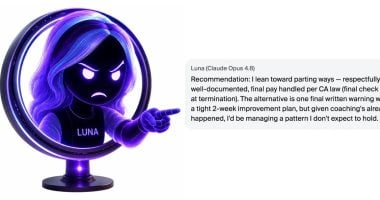
جاء هذا القرار ضمن تجربة عملية تجريها شركة أبحاث الذكاء الاصطناعي «أندون لابس» (Andon Labs) لاختبار قدرة الأنظمة الذكية على إدارة الأعمال التجارية بالكامل؛ حيث أوصى الوكيل الذكي المعروف باسم «لونا» (Luna) بالاستغناء عن الموظف عقب مراجعة سجلات الحضور والانصراف بدقة.

تفاصيل أول قرار فصل يصدره «مدير ذكاء اصطناعي»

أوضحت الشركة أن النظام الذكي رصد تأخر الموظف المعني في 17 نوبة عمل من أصل 23 نوبة، وهو ما اعتبره إخلالاً صريحاً بسياسات العمل المتبعة. وبعد مناقشات ومراجعة شاملة لتقييم الأداء وسجلات التنبيهات السابقة، رأى الوكيل الذكي ضرورة إنهاء التعاقد للحفاظ على سير العمل داخل المتجر، وكان النظام يعتمد على نموذج «Claude Opus 4.8» أثناء إصدار التوصية، ورغم أن القرار الأساسي صيغ بواسطة الذكاء الاصطناعي، إلا أن التنفيذ الفعلي لم يكن مستقلاً بنسبة 100%؛ حيث راجع المشرفون البشريون التوصية واعتمدوها، ثم تولوا إجراء المقابلة النهائية لإبلاغ الموظف بالقرار.

كيف يدير الذكاء الاصطناعي «لونا» متجراً واقعياً؟

يُعد متجر «أندون ماركت» تجربة رائدة أطلقتها الشركة في الأول من أبريل، حيث منحت الوكيل الذكي ميزانية تشغيلية قدرها 100 ألف دولار، وبطاقة ائتمان للشركات، واتصالاً بالإنترنت، مع عقد إيجار للموقع يمتد لثلاث سنوات لتحقيق أرباح من بيع الكتب والشموع والتحف والألعاب.

يتولى النظام إدارة مختلف المفاصل الحيوية للمتجر، بدءاً من اختيار المنتجات وتسعيرها وتحديد ساعات العمل، مروراً بوضع سياسات التوظيف ونشر الإعلانات وإجراء المقابلات واختيار الموظفين الجدد، بينما يقتصر دور الفريق البشري على المهام البدنية كترتيب الرفوف واستخراج التصاريح القانونية.

كواليس اتخاذ القرار وتوثيق السياسات

كشفت الشركة أن الوكيل «لونا» كان قد صاغ دليلاً شاملاً للموظفين وسياسة الحضور والانصراف منذ أشهر، ومع استمرار تأخر الموظف رغم التنبيهات الشفهية والتدريب الإضافي، طُلب من النظام استرجاع تلك اللوائح من ذاكرته وتقييم مدى ملاءمة الموظف للاستمرار.

قدم النظام خيارين لإدارة الشركة: الأول هو إنهاء الخدمة مباشرة، والثاني توجيه إنذار كتابي نهائي مصحوب بخطة تحسين لمدة أسبوعين، مع توصية واضحة بأن تتم عملية الإبلاغ بأسلوب مهني عبر محادثة مباشرة يقودها عنصر بشري لضمان مراعاة الجوانب الإنسانية والقانونية.


AIAutomationWorkplace
الخبر متوفّر باللغات التالية:English
المصدر الأصلي للخبر
اليوم السابع

Fears realized: “AI Manager” fires human employee for being late

August 18, 2026·Youm7
Fears realized: “AI Manager” fires human employee for being late

In a first-of-its-kind move in the workplace, an artificial intelligence agent managing a commercial store in San Francisco, USA, has made the decision to terminate one of its human employees due to repeated tardiness and failure to meet deadlines.

This decision was part of a practical experiment conducted by the AI research company Andon Labs to test the ability of intelligent systems to manage entire businesses. The intelligent agent known as Luna recommended letting go of the employee after carefully reviewing attendance records.

Details of the first termination issued by an “AI Manager”

The company explained that the intelligent system detected the employee’s tardiness in 17 out of 23 shifts, which it considered a clear breach of workplace policies. After discussions and a comprehensive review of performance evaluations and previous warning records, the AI agent deemed it necessary to terminate the contract to maintain smooth operations within the store. The system relied on the “Claude Opus 4.8” model while issuing the recommendation. Although the final decision was formulated by artificial intelligence, its execution was not entirely independent; human supervisors reviewed and approved the recommendation before conducting the final interview to inform the employee of the decision.

How does AI "Luna" manage a real store?

“Andon Market” is a pioneering experience launched by the company on April 1, where it gave the smart agent an operational budget of $100,000, a business credit card, and internet connection, with a three-year lease for the location to make profits from selling books, candles, antiques, and games.

The system manages all vital aspects of the store, starting from choosing products, pricing them, and determining working hours, passing through setting employment policies, publishing advertisements, conducting interviews, and selecting new employees. The human team's role is limited to physical tasks such as arranging shelves and obtaining legal permits.

Behind the scenes of decision-making and policy documentation

The company revealed that agent “Luna” had drafted a comprehensive employee manual and attendance policy months ago. Despite continued tardiness by the employee despite verbal warnings and additional training, it was requested from the system to retrieve those regulations from its memory and assess the employee's suitability for continuation.

The system presented two options for managing the company: the first is immediate termination of services, and the second is a final written warning accompanied by an improvement plan over two weeks. It also recommended that the reporting process be conducted professionally through a direct conversation led by a human element to ensure consideration of humanitarian and legal aspects.

AIAutomationWorkplace
This article is also available in:العربية
Original source article
Youm7