الهواء بحاجة إلى من يدافع عنه
30 يونيو 2026·البيان
الهواء بحاجة إلى من يدافع عنه

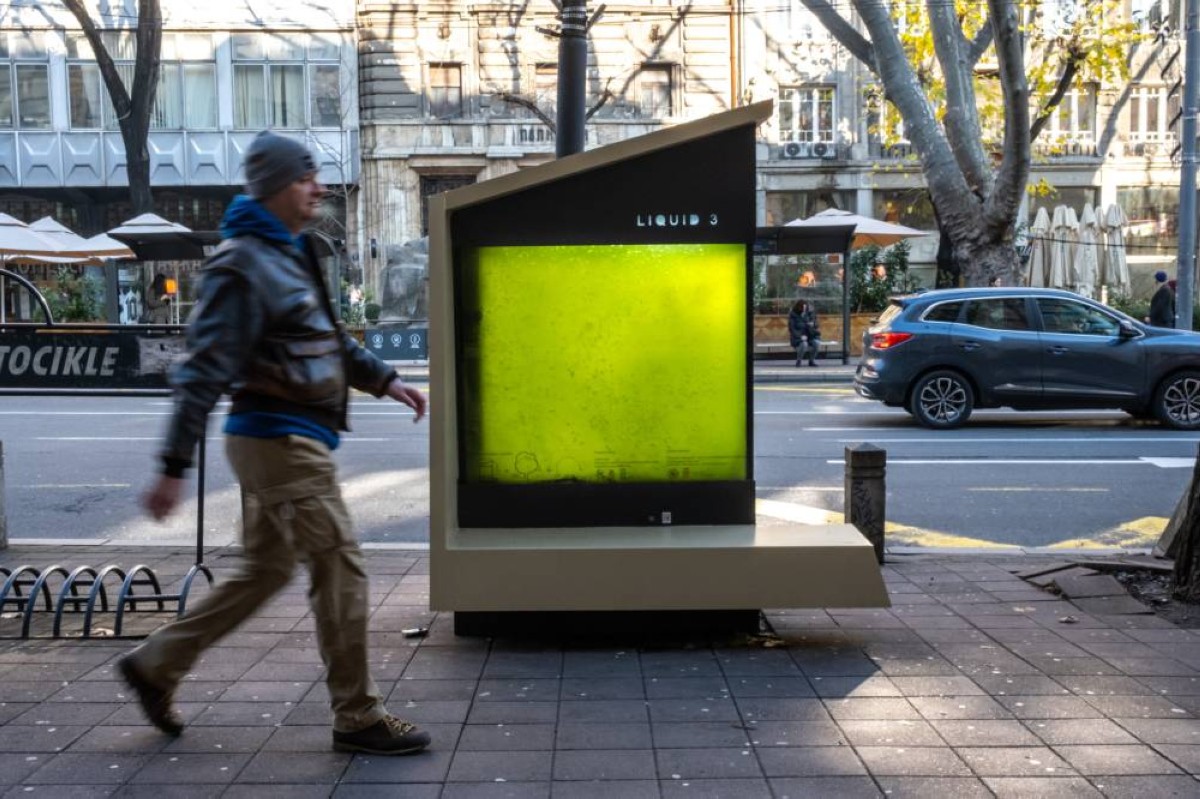
في بلغراد، عاصمة صربيا، يقف جهاز غريب في الشارع كأنه خارج من رواية مستقبلية. حوض زجاجي يحتوي على نحو 600 لتر من الماء، تعيش داخله طحالب دقيقة تمارس ما تفعله الأشجار منذ الأزل: تلتقط ثاني أكسيد الكربون، وتطلق الأكسجين، وتحوّل الضوء إلى حياة.

الجهاز يحمل اسم "ليكويد 3"، أو "LIQUID3"، وهو أول مفاعل ضوئي حيوي حضري في صربيا. طوره فريق من معهد البحوث متعددة التخصصات في جامعة بلغراد، بدعم من برنامج الأمم المتحدة الإنمائي ووزارة حماية البيئة الصربية وبلدية ستاري غراد، والفكرة ليست أن نلغي الشجرة، بل أن نجد بديلاً مؤقتاً في تلك الأماكن التي لم تترك لها المدينة تربة ولا مساحة.

فالمدن الحديثة لا تفتقر إلى المباني، بل إلى الفراغ، فكل متر فيها محسوب: موقف، طريق، رصيف، واجهة، إعلان، أنبوب، كابل. هنا تدخل "الشجرة السائلة" بوصفها اعترافاً قاسياً بأن بعض المدن تعدت على تربتها حتى صارت تبحث عن الطبيعة داخل صندوق.

بحسب القائمين على المشروع، يستطيع جهاز واحد من "ليكويد 3" أن يؤدي، من حيث تثبيت الكربون، ما يعادل شجرة بالغة واحدة أو نحو 200 متر مربع من العشب. وفي تقديرات أخرى نقلها برنامج الأمم المتحدة الإنمائي في صربيا، يمكن للطحالب الدقيقة داخل الجهاز أن تعادل شجرتين بعمر 10 سنوات أو 200 متر مربع من العشب. كما يشير القائمون على المشروع إلى أن الطحالب الدقيقة قد تكون أكثر كفاءة من الأشجار في تثبيت ثاني أكسيد الكربون بنحو 10 إلى 50 مرة.

وبحسب "أوربان نيتشر أطلس"، يمكن تركيب وحدة من "ليكويد 3" على مساحة لا تتجاوز نحو 3 أمتار مربعة، بينما يمتد نطاق المشروع الكامل على مستوى الشارع إلى نحو 6 أمتار مربعة. بهذا المعنى، لا تنافس "الشجرة السائلة" الغابة، بل تنافس الزحام.

وتعمل الفكرة ببساطة بيولوجية. الطحالب الدقيقة، وهي كائنات مجهرية تعيش أصلاً في المياه العذبة، تستخدم الضوء وثاني أكسيد الكربون في عملية التمثيل الضوئي، ثم تنتج الأكسجين والكتلة الحيوية. هذه الكتلة يمكن لاحقاً استخدامها كسماد.

ولأن المصممين آمنوا أن البيئة لا يجب أن تكون منفصلة عن الحياة اليومية، يعمل الجهاز كمقعد، ويضم إضاءة ليلية، ويوفر منافذ لشحن الهواتف.

صربيا، مثل مدن كثيرة في أوروبا الشرقية والبلقان، تواجه مشكلة مزمنة في تلوث الهواء، خصوصًا مع مواسم التدفئة وكثافة المدن. وتشير تقارير عن المشروع إلى أن نحو 59% من سكان صربيا يعيشون في مناطق حضرية، ما يجعل حلول الهواء داخل المدن أكثر إلحاحاً. فخطر التلوث امتد ليصل لكل أنحاء المدينة وليس فقط محتكراً في زوايا المصانع على أطراف البلاد.

ومع ذلك، لا ينبغي كهواة للعلوم أن نعامل "الشجرة السائلة" كمعجزة، فهي ليست غابة مضغوطة داخل زجاج، ولا تستطيع أن تعوض ظل شجرة حقيقية، ولا عصفورا يقف على غصن، ولا جذرا يمسك التربة. فالشجرة ليست آلة أكسجين فقط، هي عبارة عن مناخ صغير، وظل، ورائحة، وتربة، وحياة لكائنات لا نراها، وهدوء لا تستطيع الطحالب وحدها أن تمنحه.

Belgradeairenvironment
الخبر متوفّر باللغات التالية:English
المصدر الأصلي للخبر
البيان

The air needs a defender

June 30, 2026·Al Bayan
The air needs a defender

In Belgrade, the capital of Serbia, a strange device stands in the street as if it were from a futuristic novel. A glass basin containing about 600 liters of water houses delicate algae that perform what trees have been doing since time immemorial: capturing carbon dioxide and releasing oxygen, converting light into life.

The device is called "Liqui3" or "LIQUID3," and it is the first urban living photobioreactor in Serbia. Developed by a team from the multidisciplinary research institute at the University of Belgrade with support from the United Nations Development Programme, the Serbian Ministry of Environmental Protection, and Starigrad Municipality, the idea is not to replace trees but to find a temporary alternative in those places where the city has taken up all the ground and space.

Modern cities are not lacking in buildings; they lack empty spaces. Every meter in them is accounted for: parking lots, roads, curbs, facades, billboards, pipes, cables. Here comes "liquid trees" as a harsh acknowledgment that some cities have taken over their soil to the point where they now seek nature inside a box.

According to project leaders, one Liqui3 device can sequester carbon equivalent to that of an adult tree or about 200 square meters of grass. In other estimates provided by the United Nations Development Programme in Serbia, the algae within the device could be equivalent to two trees ten years old or 200 square meters of grass. Project leaders also note that delicate algae may be up to 10 to 50 times more efficient than trees at capturing carbon dioxide.

According to "Urban Nature Atlas," a single Liqui3 unit can be installed on an area not exceeding about 3 square meters, while the full-scale project extends over approximately 6 square meters of street space. In this sense, "liquid trees" do not compete with forests but with congestion.

The idea works biologically simply. The delicate algae, microscopic organisms that naturally live in freshwater, use light and carbon dioxide in photosynthesis, then produce oxygen and biomass. This biomass can later be used as fertilizer.

Since the designers believed that nature should not be separate from daily life, the device functions as a seat with nighttime lighting and provides charging ports for phones.

Serbia, like many cities in Eastern Europe and the Balkans, faces a persistent problem of air pollution, especially during heating seasons and city density. Reports on the project indicate that about 59% of Serbia's population lives in urban areas, making indoor air solutions more urgent. The danger of pollution has spread to cover all parts of the city, not just being confined to factory corners at the edges of the country.

And yet, as science enthusiasts, we should not treat "the liquid tree" as a miracle. It is not a forest compressed into a glass, and it cannot replace the shade of a real tree, or a bird perched on a branch, or roots holding the soil. The tree is not just an oxygen machine; it is a small climate, shade, scent, soil, and habitat for life we cannot see, and a quietness that algae alone cannot provide.

Belgradeairenvironment
This article is also available in:العربية
Original source article
Al Bayan