بدائل سبوتيفاي الأفضل لتهدئة ضميرك
13 أغسطس 2026·إنجاجيت
بدائل سبوتيفاي الأفضل لتهدئة ضميرك

هناك العديد من الخيارات لتشغيل موسيقى جديدة في أذنيك إذا كنت مللت من سبوتيفاي

بقلم ناثان إنجراهام، تم التحديث: 13 أغسطس 2026 3:08 مساءً EST Koshiro K/Shutterstock

ليس سراً أن سبوتيفاي هي اللاعب المهيمن في سوق بث الموسيقى، حيث يبلغ عدد المشتركين المدفوعين 293 مليون مشترك وعدد المستخدمين النشطين شهرياً 761 مليون مستخدم عبر المستويين المدفوع والمجاني. إلى جانب الهيمنة السوقية الضخمة، جاء قدر كبير من الجدل في السنوات الأخيرة. باعتبارها أكبر منصة لبث الموسيقى، تكون سبوتيفاي عادةً أول ما يذكر في النقاش حول ما إذا كان الفنانون يحصلون على أجر عادل مقابل عملهم. الحساب المتعلق بتلك المسألة واضح - عادة ما يكلف شراء الألبوم الرقمي بالكامل بين 10 و15 دولاراً حسب مكان الشراء، بينما تكلف اشتراك سبوتيفاي بريميوم 13 دولاراً في الشهر في الولايات المتحدة.

إن الأجر العادل ليس الدراما الوحيدة المحيطة بسبوتيفاي، على الرغم من ذلك. لقد أثار المؤسس والرئيس التنفيذي السابق دانيال إيك (الذي يشغل الآن منصب الرئيس التنفيذي للشركة) ضجة كبيرة العام الماضي باستثمار 694 مليون دولار في شركة هلسنغ الناشئة لتكنولوجيا الدفاع؛ وهو أيضاً رئيس الشركة الآن. لقد جلب ذلك ما كان على الأرجح أشد ردود الفعل السلبية ضد سبوتيفاي حتى الآن، مع قيام بعض الفنانين بسحب قوائمهم من الخدمة. لكن هذا لم يمنع الشركة من مواصلة النمو - في الربع الأخير، استمرت الإيرادات والأرباح والمستخدمين النشطين شهرياً في الزيادة.

أخيراً، إن تبني سبوتيفاي الأخير للذكاء الاصطناعي مثير للقلق، على أقل تقدير. لقد أدى عدم اهتمام الشركة بأي رقابة حقيقية على المحتوى المولد بالذكاء الاصطناعي إلى ظهور موسيقى الذكاء الاصطناعي في جميع أنحاء المنصة. تقول الشركة إنها ستصنف الموسيقيين المولدين بالذكاء الاصطناعي قريباً على أنهم "شخصيات ذكاء اصطناعي"، لكن ذلك يعتمد على البشر الذين يتحكمون في تلك الحسابات للإبلاغ عن أنفسهم. كما ستستخدم عمليات فحص بشرية ومراجعة مدعومة بالذكاء الاصطناعي للحسابات الشهيرة لمعرفة ما إذا كان يجب وضع علامة عليها على أنها "شخصية ذكاء اصطناعي محتملة".

بعيدًا عن تدفق الموسيقى المُولدة بواسطة الذكاء الاصطناعي، هناك أيضًا تبني حديث لميزات الذكاء الاصطناعي للمستخدمين التي تحمل قيمة مشكوك فيها. لدى التطبيق دي جي يعمل بالذكاء الاصطناعي منذ بضع سنوات وهو أمر غير ضار نسبيًا، ويمكنك استخدام محفزات اللغة الطبيعية لإنشاء قوائم تشغيل أيضًا. ربما أكثرها مُثيرة للاشمئزاز تأتي عبر اتفاقية ترخيص مع يونيفرسال التي ستسمح للمستخدمين بإنشاء مزج وإعادة غناء من خلال الذكاء الاصطناعي. سيكون إضافة لخطط بريميوم عند إطلاقه، لذا على الأقل سيولد نظريًا المزيد من الإيرادات للفنانين - لكن هذا هو الخلاص الوحيد تقريبًا.

إذا كان أي من ذلك في ذهنك، فإن الأخبار السارة هي أنه هناك طرق مختلفة كثيرة للحصول على الموسيقى. من المؤسف أن معظمها يأتي مع تحذيرات خاصة به، سواء كان ذلك التكلفة أو الراحة أو مجرد الصداع الناتج عن نقل موسيقاك إلى خدمة أخرى.

كيف تدفع خدمات البث للفنانين

إذا كنت مهتمًا بكيفية تعويض سبوتيفاي للموسيقيين على منصتها وما إذا كانت الخدمات المماثلة الأخرى "أفضل"، فالإجابة ليست بسيطة. في حين أن هناك الكثير من الحديث عما يحصل عليه الفنانون لكل بث على سبوتيفاي والمنافسين مثل آبل ميوزيك، من المهم معرفة أنه لا يوجد رقم محدد "لكل بث".

على مستوى عالٍ، يضع منشئو الموسيقى (البث) كل الأموال التي يتلقونها من الاشتراكات (إيرادات الإعلانات للخدمات ذات مستويات الدعم بالإعلانات يتم تضمينها أيضًا) ويأخذون جزءًا أوليًا. تقول سبوتيفاي إنها "تقريبًا" ثلث هذا الإيراد الكلي؛ تذهب هذه الأموال إلى جيب سبوتيفاي، ولكنها تدفع أيضًا جميع التكاليف المرتبطة بالخدمة. لم أر أي خدمة بث تقول على وجه الدقة ما هي الحصة التي تأخذها، لكن الذين تحدثت إليهم أشاروا جميعًا إلى أن النطاق الذي يتراوح بين 30% هو النطاق المعتاد.

بعد ذلك، يحدد منشئو الموسيقى ما تسميه سبوتيفاي "مشاركة البث" عن طريق قسمة إجمالي عدد مرات تشغيل فنان على إجمالي عدد مرات التشغيل على المنصة. يحصلون على النسبة المئوية للكعكة الإجمالية التي يكسبها الفنان في شهر، لكن المال عادة لا يذهب مباشرة إلى الموسيقي - يذهب إلى شركة التسجيلات أو الناشر الذي يعطيهم بعد ذلك نسبة متفق عليها مسبقًا كجزء من الاتفاق.

أشياء قليلة يجب ملاحظتها حول هذه العملية: هذا يعني أن المال الذي تدفعه لخدمة البث كل شهر لا يذهب فقط للفنانين الذين تستمع إليهم. لذلك حتى لو قمت ببث موسيقي واحد طوال الشهر، فقد يحصل على المزيد من المال بفضل المزيد من مرات التشغيل ولكن دولارك الـ 12 ما زال يتم توزيعه على الآخرين - هذا هو كيف ننتهي في عالم "أجزاء من السنت لكل تشغيل".

بدائل سبوتيفاي: الثلاثة الكبار

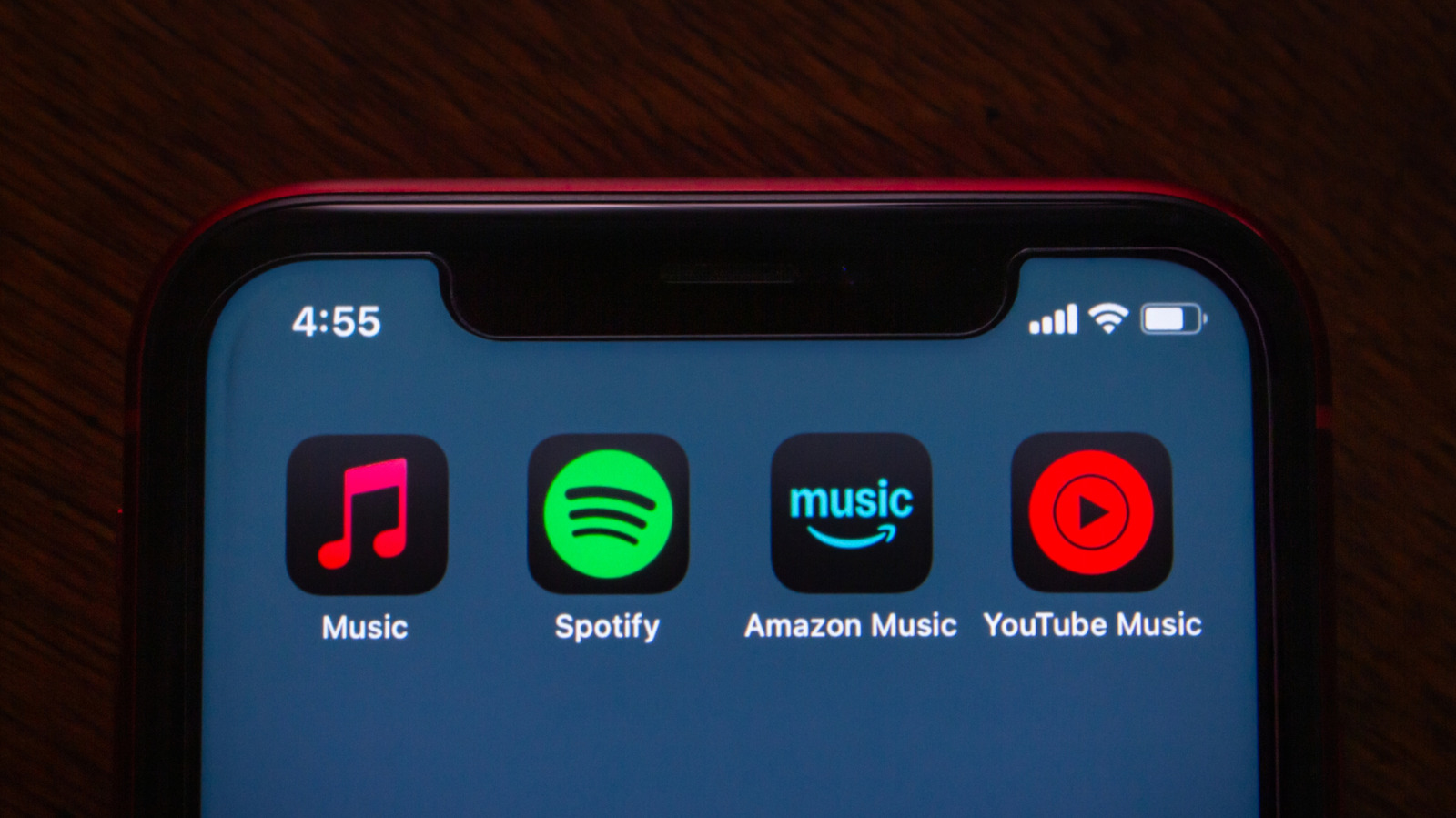
هناك مجموعة من خدمات بث الموسيقى الأخرى التي يمكنك التفكير فيها إذا كنت تبحث عن شيء مشابه لسبوتيفاي. بطبيعة الحال، يأتي العديد منها من عملاقة التكنولوجيا الآخرين: تمتلك كل من آبل وأمازون ويوتيوب خدمات بث ذات قوائم تشغيل مماثلة لسبوتيفاي ونفس مجموعة الميزات الأساسية. شخصيًا أفضل يوتيوب موسيقى وموسيقى آبل على سبوتيفاي لعدة أسباب لا تتعلق بالأخلاقيات. أحب أن أضيف ملفات الموسيقى الخاصة بي إلى كلا الخدمتين وأن يكون لديهما في مكتبتي بجانب كل ما يمكنني الوصول إليه عبر اشتراكي. كما أقدر حقًا أن موسيقى آبل تركز بشكل كامل تقريبًا على الموسيقى، على عكس سبوتيفاي التي تدفع بمقاطع الفيديو والكتب الصوتية لمستخدميها سواء أرادوها أم لا.

كما يقدم آبل موسيقى تشغيل دولبي أتموس الذي يبدو رائعًا مع المعدات المناسبة. لا يمتلك يوتيوب موسيقى ذلك أو حتى تشغيل بدون فقدان، لكنه يعوض عن ذلك من خلال دمج المكتبة الضخمة لمحتوى الموسيقى المُحمّل عبر يوتيوب الفعلي. ويحصل مشترك يوتيوب بريميوم على تشغيل يوتيوب خاليًا من الإعلانات ومجموعة من المزايا الأخرى بجانب خدمة يوتيوب موسيقى الكاملة. في حين أن يوتيوب بريميوم أصبح أكثر تكلفة بكثير في السنوات الأخيرة، إلا أنه لا يزال قيمة جيدة مقابل 16 دولارًا شهريًا إذا كنت مستخدمًا متكررًا ليوتيوب.

بخلاف يوتيوب بريميوم، الخيارات الثلاثة الكبرى الأخرى أرخص قليلاً من سبوتيفاي. تكلفة آبل ميوزيك 11 دولار/شهر، بينما تكلفة أمازون وموسيقى يوتيوب 12 دولار/شهر (يمكن لمشتركي أمازون برايم توفير دولار واحد شهرياً). بالطبع، إذا كنت تفكر في ترك سبوتيفاي لأسباب أخلاقية، فإن توجيه أموالك إلى آبل أو أمازون أو جوجل ليس تسوقاً في متجر مستقل مقارنة بذلك. لا أحكم على أحد: لا يوجد استهلاك أخلاقي تحت الرأسمالية في مراحلها الأخيرة. إذا كنت تريد فقط تطبيق موسيقى بأقل قدر من الذكاء الاصطناعي ولا ترغب في دعم شركة مؤسسها متورط في المجمع الصناعي العسكري، فإن هذه الخيارات بدائل معقولة.

البث المباشر الذي لا تديره شركات التكنولوجيا الكبرى

حسب عدّي، هناك ما لا يقل عن خمسة خدمات اشتراك موسيقية أخرى تستحق النظر وتتنافس مع الكبار مثل سبوتيفاي وآبل ميوزيك: تايدال، دييزر، باندورا، كوبوز وكودا. كان يُنظر إلى تايدال على أنها بث مباشر يحاول جعل الأمور أفضل للفنانين، لكنها استحوذت عليها بلوك إنك (الشركة الأم لشركة سكوير وتطبيق كاش بين أمور أخرى). بفضل هذا الاستحواذ، من الصعب القول إن تايدال لا تديره شركة تكنولوجيا كبرى، وإن كانت أقل وضوحاً من آبل أو أمازون.

وعلى الرغم من أن تيدال كانت تقدم “مدفوعات مباشرة للفنانين” حيث يذهب ما يصل إلى 10٪ من رسوم اشتراك المستخدم مباشرة إلى الموسيقيين الذين يستمع إليهم أكثر، إلا أن هذا العرض توقف في عام 2023. طلبت من تيدال معلومات حول كيفية دفعها للفنانين حاليًا، لكن لم أتلق أي رد؛ يمكننا الافتراض أنها تستخدم شيئًا مشابهًا لحسابات الإيرادات “streamshare” المذكورة أعلاه.

ديزر، كوبوز وكودا هي خيارات مثيرة للاهتمام للأشخاص الذين يرغبون في دعم الفنانين بشكل أفضل. يقوم ديزر بالكثير لتصحيح اختلالات التوازن المختلفة التي ظهرت في عالم البث. يبدأ نموذج الشركة “المركز على الفنان” بنفس الطريقة مثل سبوتيفاي وغيرها – بعد أخذ حوالي 30٪، يتم توزيع الباقي لحاملي الحقوق بناءً على حصة الفنان الإجمالية من المشاهدات.

لكن لديزر لديها بضع "مضاعفات" تحاول مكافأة الفنانين بمزيد من المشاركة البشرية مقابل التشغيل السلبي. على سبيل المثال، إذا بحث المستخدم يدويًا عن فنان أو أغنية، يتم دفع ضعف المعدل القياسي للتيارات المنبثقة من ذلك البحث. كما يحصل الفنانون الذين لديهم أكثر من 500 مستمع فريد شهريًا وأكثر من 1000 استماع في الشهر أيضًا على ضعف المعدل القياسي. هذه المؤهلات قابلة للتكديس، لذا فإن تلبية جميع هذه الشروط تؤدي إلى معدل التيار 4x. كما ألغت ديزر محتوى الخلفية (فكر في العواصف الاصطناعية أو الضوضاء البيضاء الأخرى)، وهو ما فعلته سبوتيفاي أيضًا قبل بضع سنوات. وأخيرًا، لدى ديزر "سقف" 1000 تيار لكل مستخدم كطريقة للمساعدة في تقليل التيارات الاحتيالية.

كما تكافح ديزر بنشاط ضد الموسيقى المولدة بالذكاء الاصطناعي وتأثيرها على إيرادات الفنانين. قالت الشركة في أبريل/نيسان إنها يمكن أن تحدد الموسيقى المولدة بالذكاء الاصطناعي من قوائم التشغيل الموصى بها، وإزالتها؛ كما ذكرت أنها تعتبر 85% من الموسيقى المولدة بالذكاء الاصطناعي احتيالية وتلغي تلك التيارات. بشكل عام، تقول الشركة إن ما بين واحد إلى ثلاثة في المائة من إجمالي التيارات تأتي من الموسيقى المولدة بالذكاء الاصطناعي، لذا فهي ليست شيئًا يترك تأثيرًا كبيرًا على صافي الربح - لكنها تشعر وكأنها خدمة البث الأكثر نشاطًا في مراقبة موسيقى الذكاء الاصطناعي وتأثيرها على المدفوعات للفنانين الحقيقيين.

كوبوز اقتراح مثير للاهتمام لأي شخص مهتم بالموسيقى عالية الدقة. خطة الأساس الخاصة بها تقع في الطرف الأعلى من طيف الأسعار عند 13 دولارًا شهريًا، ولكنها تنخفض إلى 10.83 دولارًا إذا قمت بالتسجيل لمدة 12 شهرًا. ويشمل هذا المستوى الموسيقى بتنسيق FLAC 24 بت حتى 192 كيلو هرتز - لذا إذا كان لديك إعداد قادر على تشغيل الموسيقى بدون فقدان، فإن كوبوز تستحق بالتأكيد الدراسة. تقدم الشركة أيضًا مستوى "سماوي" مقابل 180 دولارًا/عام والذي يقدم خصومات كبيرة جدًا على أي موسيقى ترغب في شرائها من كوبوز وامتلاكها إلى الأبد. (سأتحدث بمزيد من التفصيل عن خيارات شراء الموسيقى الرقمية قريبًا)

فيما يتعلق بكيفية دفعها للفنانين، أصدرت كوبوز في الواقع المبلغ المدفوع لكل تدفق للفنانين بمتوسطه عبر عام 2024. "قامت كوبوز بتوزيع حقوق الملكية المستحقة للملصقات والناشرين والتي تعادل متوسط مبلغ 0.01873 دولار أمريكي لكل تدفق¹ للسنة المالية 2024"، قالت الشركة في بيان صحفي في مارس/آذار 2025. "بالمصطلحات الملموسة، إذا وصلت المسار إلى 1000 تشغيل على كوبوز، فإن هذا يمثل 18.73 دولارًا أمريكيًا مدفوعًا لهؤلاء الحقوقيين، الذين يدفعون بعد ذلك للفنانين وكتاب الأغاني والمؤلفين، وفقًا لشروط عقودهم."

وقالت الشركة أيضًا إن متوسط إيراداتها لكل مستخدم كان 121.13 دولارًا، مقارنة بمتوسط السوق البالغ 22.38 دولارًا. من الواضح أنه بدون معرفة كيفية مقارنتها بالخدمات الأخرى، يصعب القول ما إذا كانت هذه المعدلات "جيدة" أو "سيئة"، لكن قوبوز قالت إنها تريد أن تكون أكثر شفافية حول كيفية عمل التعويض لجعل البث أقل من صندوق أسود على نطاق أوسع.

قد لا تكون قد سمعت عن Coda Music من قبل، حيث أنها دخلت مجال البث بشكل جديد نسبيًا. لديها نفس الكتالوج الذي ستجده في معظم خدمات البث الرئيسية الأخرى، ولكن هناك بعض الأشياء التي تحاول استخدامها كنقاط تميز. الأكثر وضوحًا هو التركيز على توصيات المستخدمين، وليس التوصيات الخوارزمية. Coda يتيح لك إنشاء ملف شخصي على غرار وسائل التواصل الاجتماعي حيث يمكنك عرض أغانيك الأخيرة، وقوائم التشغيل العامة، والفنانين المفضلين لديك و"المنشورات" حيث يمكنك مشاركة وتوصية أي شيء تستمع إليه. هناك أيضًا مساحة كبيرة في ملفك الشخصي حيث يمكنك تسليط الضوء على إصداراتك المفضلة؛ قمت بإعداد ملفي الشخصي بثلاثة ألبومات أصغر نسبيًا كنت أحبها مؤخرًا.

خارج الملف الشخصي توجد صفحة تالية حيث ترى منشورات من الأشخاص الذين تتابعهم، سواء كان ذلك مستخدمًا آخر في كودا أو فنانًا تتابعه. يُظهر علامة التبويب "الرئيسية" في التطبيق العروض الموسيقية والقوائم التي يولدها التطبيق عادةً، ولكن توجد أيضًا العديد من توصيات المجتمع والقوائم التي يولدها مستخدمون آخرون. مثل جميع الشبكات الاجتماعية، يكمن السر في إيجاد الأشخاص الذين ترغب في متابعتهم؛ حاليًا، لا أعتقد أن لدي أي أصدقاء آخرين على كودا، لكنني ما زلت استمتع بالعثور على توصيات من غرباء ذوي تفكير مشابه.

تُظهر كودا شفافيتها بشأن معدلات الدفع. أخبرني المدير التنفيذي راندي فوزي أن الشركة دفعت في المتوسط 0.014 دولارًا لكل بث في أبريل/نيسان 2026، متأخرة قليلًا عن المعدل الذي شاركت فيه كوبوز لعام 2024. لكن كودا تسمح للمستخدمين أيضًا باختيار فنان معين يتلقى مباشرةً دولارًا واحدًا من اشتراكهم الشهري. لسوء الحظ، في هذه المرحلة، لم يكن أي شخص حاولت تعيينه كفنان ليحصل على ذلك الدفع مؤهلًا؛ يبدو أن عليهم الاشتراك في هذا البرنامج. أعتقد أنها فكرة جيدة، لكن كودا ستحتاج إلى مزيد من الزخم إذا كانت ستكون إجابة على أخلاقيات البث.

فوكانا خيار جديد مثير للاهتمام، على الرغم من كونه أكثر تقييدًا من خدمات البث الأخرى. يمتلك فوكانا فهرسًا مستقلًا بنسبة 100٪، ولا تذهب رسوم الاشتراك الشهرية إلا للفنانين الذين تستمع إليهم بالفعل. قال رئيس فوكانا نيل شيان لإنغادجت: "إذا أنفق المعجب 50% من وقت الاستماع مع فنان واحد، يتلقى ذلك الفنان حوالي 50% من مخصصات الإتاوة من ذلك المستخدم بعد تكاليف المنصة والترخيص". "إذا استمع المستخدم إلى عدد قليل فقط من الفنانين المستقلين خلال الشهر، فإن غالبية مجموعة إتاوة المشترك تبقى داخل أنظمة هؤلاء الفنانين بدلاً من أن يتم تخفيفها عبر المنصة بأكملها."

نظرًا لعدم امتلاكه نفس الفهرس الضخم السائد مثل خدمات البث الأخرى التي غطينا هنا، فإنه ليس بديلاً مباشرًا لسبوتيفاي. ولكن يمكنك تجربته مجانًا الآن في مرحلة البيتا، وسيكلف 9 دولارات شهريًا عند إطلاقه بالكامل.

كيف الحال بشراء موسيقاك؟

قد يبدو الدفع مقابل الموسيقى وكأنه من عادات العصور الغابرة، ولكن لا تزال هناك أسباب وجيهة للقيام بذلك! حتى لو كنت تشتري الأغاني أو الألبومات عبر أمازون أو آبل، فإن الفنانين ما زالوا يحصلون على جزء أكبر بكثير من ذلك الدفع مقارنة بما يحصلون عليه من البث. وهناك المكافأة الإضافية المتمثلة في امتلاك تلك الأغاني إلى الأبد (شرط أن تقوم بنسخها الاحتياطية). لقد لامست هذه النقطة قلبي مؤخرًا عندما اكتشفت عدم وجود طريقة لشراء ألبوم بشكل قانوني من فرقة تسمى كلير تم إصداره عام 2017. لا يزال ألبومهم الأول متاحًا للشراء، ولكن ألبومهم الثاني غير متوفر إلا للبث - وإذا تمت إزالته، فلن يكون لدي طريقة لتشغيله.

في حين أن أمازون وآبل هما على الأرجح أكثر المتاجر شيوعًا لشراء وتنزيل الموسيقى، فإن باندكامب لا تزال مكاني المفضل لشراء الموسيقى الرقمية. يحتوي على كتالوج ضخم من الفنانين المستقلين والشركات على حد سواء، والتسعير معقول، ويذهب المزيد من أموالك لحاملي الحقوق، ويمكنك تنزيل موسيقاك في مجموعة متنوعة من التنسيقات وإعدادات الجودة.

بالنسبة لمحبي الصوتيات عالية الجودة، يستحق موقع كوبوز (Qobuz) التجربة أيضًا - فهم يقدمون ألبومات للشراء بجودة "CD" أو حتى بدقة أعلى بدون فقدان (حتى 48 كيلو هرتز). تكلف هذه الألبومات أكثر من الملفات المفقودة التي ستحصل عليها من آبل أو أمازون، لكنها ذات جودة أفضل بكثير. لا يتعين عليك الاشتراك في خطة كوبوز لاستخدام متجر الشركة، ولكن إذا قمت بالتسجيل للحصول على مستوى "سابل" (Sublime) فستحصل على خصم كبير عند الشراء. إذا كان ذلك مهمًا بالنسبة لك على الإطلاق، فإن مزيج من موقع كوبوز وموقع باندكامب (Bandcamp) سيحقق ما تريد.

ما هو أفضل من ذلك؟ زيارة مواقع الفنانين المفضلين لديك مباشرة ومعرفة ما إذا كانوا يبيعون ألبوماتهم هناك (رقمية أو غيرها). لا يجعل الكثيرون عملية الشراء مباشرة منهم سهلة، خاصة إذا كانوا ضمن نظام بيئي للعلامات التجارية الكبرى. لكن إذا كنت تهتم بدعم الموسيقيين فعليًا، فإن شراء ألبومهم بطريقة ما هو طريقة جيدة لإظهار تقديرك.

Spotifyalternativesmusic
الخبر متوفّر باللغات التالية:English
المصدر الأصلي للخبر
إنجاجيت

The best Spotify alternatives to ease your conscience

August 13, 2026·Engadget
The best Spotify alternatives to ease your conscience

There are loads of options for getting new music into your ears if you're fed up with Spotify.

By Nathan Ingraham Updated: Aug. 13, 2026 3:08 pm EST Koshiro K/Shutterstock

It's no secret that Spotify is the dominant player in the music streaming market, with 293 million paid subscribers and 761 million monthly active users across both paid and free tiers. Along with massive market dominance has come a fair bit of controversy in recent years. As the biggest music-streaming platform, Spotify is usually the first mentioned in the discussion about whether artists are fairly compensated for their work. The math around that question is obvious — buying a digital album outright typically costs between $10 and $15 depending on where you buy it, while a Spotify Premium subscription costs $13 a month in the US.

Fair pay is far from the only drama surrounding Spotify, though. Founder and former CEO Daniel Ek (now the company's executive chairman) made waves last year with a $694 million investment in defense technology start-up Helsing; he's also now the company's chairman. That move brought what was probably the loudest backlash against Spotify yet, with some artists pulling their catalogs from the service. That didn't stop the company from continuing to grow, though — in the last quarter, revenue, profit and monthly active users all continued to increase.

Finally, Spotify's recent embrace of AI is troubling, to say the least. The company's lack of interest in doing any real policing of AI-generated content has led to AI music showing up all over the platform. The company says it will soon label AI-generated musicians as "AI Personas," but that relies on the humans controlling those accounts to self-report. It'll also use human checks and AI-powered reviews on popular accounts to see if they should be marked as a "Likely AI Persona."

Separate to the influx of AI-generated music, there's also been a recent embrace of AI features for users that have questionable value. The app has had an AI-powered DJ for a few years now which is relatively harmless, and you can use natural language prompts to generate playlists as well. Probably the most distasteful of them comes via a licensing agreement with Universal that will let users create remixes and covers through AI. It'll be an add-on to Premium plans when it launches, so at least it'll theoretically generate more revenue for artists — but that's about the only saving grace.

If any of this has been on your mind, the good news is that there are tons of different ways to get music. Unfortunately, almost all of them come with caveats of their own, whether it's cost, convenience or just the headache of migrating your music to another service.

How streaming services pay artists

If you're concerned with how Spotify compensates the musicians on its platform and whether other similar services are "better," it's not a simple answer. While there's a lot of talk about what artists make per stream on Spotify and competitors like Apple Music, it's important to know that there isn't a set "per stream" number.

At a high level, music streamers put all of the money they receive from subscriptions (ad revenue for services with ad-support tiers also gets included) and take an initial cut. Spotify says it's "roughly" a third of that total revenue; that money goes into Spotify's pocket, but also pays for all the costs associated with the service. I haven't seen any streaming service say exactly what cut they take, but the ones I've talked to have all indicated that the 30-ish percent range is typical.

After that, streamers figure out what Spotify calls a "streamshare" by dividing an artist's total streams by the total streams on the platform. That gets you the percentage of the total pot an artist earns in a month, but the money usually does not go directly to the musician — it goes to their record label or publisher who then gives them a pre-negotiated percentage as part of their deal.

A few things to note about this process: This means that the money you pay to a streaming service every month doesn't just go to artists you listen to. So even if you streamed one single musician all month long, they might get more money thanks to more streams but your $12 is still getting distributed to others — that's how we end up in the whole "fractions of a penny per stream" world.

Spotify alternatives: The big three

There are a host of other music-streaming services to consider if you want something similar to Spotify. Naturally, many of them come from the other technology giants: Apple, Amazon and YouTube all have streaming services with similar catalogs to Spotify and the same basic feature set. I personally prefer YouTube Music and Apple Music over Spotify for a few reasons that don't involve ethics. I like that I can add my own music files to both of those services and have them in my library alongside everything I have access to via my subscription. I also really appreciate that Apple Music is almost entirely focused on music, unlike Spotify which pushes podcasts and audiobooks at its users whether they want them or not.

Apple Music also offers Dolby Atmos playback, which sounds pretty great with the right equipment. YouTube Music doesn't have that or even lossless playback yet, but it makes up for that with the integration of the vast library of uploaded music content across YouTube proper. And a YouTube Premium subscription gets you ad-free YouTube playback and a handful of other perks alongside the full YouTube Music service. While YouTube Premium has gotten a lot more expensive in recent years, it's still a good value at $16/month if you're a frequent YouTube user.

Aside from YouTube Premium, the other big three options are a little cheaper than Spotify. Apple Music is $11/month, while Amazon and YouTube Music are both $12/month (Amazon Prime subscribers can save a buck per month). Of course, if you're considering leaving Spotify on ethical grounds, funneling your money to Apple, Amazon or Google isn't exactly shopping at an independent store by comparison. No judgment from me: there's no ethical consumption under late-stage capitalism. If you just want a music app with less AI and don't want to support a company whose founder is involved in the military industrial complex, these options are reasonable alternatives.

Streamers that aren't run by the tech giants

By my count, there are at least five more music subscription services worth considering that compete with the giants like Spotify and Apple Music: Tidal, Deezer, Pandora, Qobuz and Coda. Tidal used to be looked at as a streamer trying to make things better for artists, but it was acquired by Block Inc. (the parent company of Square and Cash App among other things). Thanks to that acquisition, it's hard to say Tidal isn't run by a tech giant, albeit a less obvious one than Apple or Amazon.

And while Tidal used to offer "direct artist payouts" where up to 10 percent of a user's subscription fee went directly to the musicians they listened to the most, this offering was discontinued in 2023. I asked Tidal for information on how they currently pay artists but received no response; it's safe to assume they use something similar to the "streamshare" revenue calculations detailed above.

Deezer, Qobuz and Coda are all intriguing options for people who want to better support artists. Deezer is doing a lot to level out various imbalances that have popped up in the streaming world. The company's "artist-centric" model starts out the same way as Spotify and others — after taking about 30 percent, the rest is distributed to rights-holders based on an artist's overall share of streams.

But Deezer has a few "multipliers" that try to reward artists with more human engagement versus passive playback. For example, if a user manually searches for an artist or song, streams that originate from that search are paid out double the standard rate. And artists with more than 500 monthly unique listeners and more than 1,000 listens per month also get double the standard rate. These qualifiers are stackable, so meeting all these conditions leads to a 4x stream rate. Deezer also de-monitized background content (think simulated thunderstorms or other white noise), something Spotify also did a few years ago. Finally, Deezer has a 1,000 stream per user "cap" as a way to help minimize fraudulent streaming.

Deezer is also actively fighting back against AI-generated music and its impact on artist revenue. The company said in April that it can identify and remove AI-generated music from recommendation playlists; it also said that it considers 85 percent of AI-generated music to be fraudulent and de-monitizes those streams. Overall, the company says between one and three percent of total streams are from AI-generated music, so not something making a huge impact on the bottom line — but it feels like they're the streaming service most actively monitoring AI music and its impact on payments to real musicians.

Qobuz is an interesting proposition for anyone interested in high-resolution music. Its basic plan is on the higher end of the price spectrum at $13 per month, but it drops to $10.83 if you sign up for 12 months. And that tier includes music in FLAC 24-Bit up to 192 kHz — so if you have a setup capable of playing back lossless music, Qobuz is definitely worth considering. The company also offers a "sublime" tier for $180 / year that offers pretty significant discounts on any music you want to purchase from Qobuz and own forever. (I'll go further into options for purchasing digital music shortly.)

As far as how it pays artists, Qobuz actually released the amount paid per stream to artists averaged across 2024. "Qobuz distributed royalties due to labels and publishers corresponding to an average amount of US$0.01873 per stream¹ for the fiscal year 2024," the company said in a March 2025 press release. "In concrete terms, if a track reaches 1,000 plays on Qobuz, this represents US$18.73 paid to these rights holders, who then pay out to the artists, songwriters and composers, according to the terms of their contracts."

The company also said that its average revenue per user was $121.13, compared to a market average of $22.38. Obviously, without knowing how this compares to other services, it's hard to say if these rates are "good" or "bad," but Qobuz said that it wants to be more transparent about how compensation works to make streaming less of a black box more broadly.

You may not have heard of Coda Music before, as it's a relatively new entry to the streaming space. It has the same catalog as you'll find on most of the other major streaming services, but there are a couple things it is trying to use as differentiators. The most apparent is a focus on user recommendations, not algorithmic recommendations. Coda has you set up a social media-style profile where you can show your recent plays, public playlists, favorite artists and "posts" where you can share and recommend whatever you're listening to. There's also a large space on your profile where you can highlight your favorite releases; I set mine up with three relatively smaller albums that I've been in love with lately.

Beyond the profile is a following page where you see posts from those you're following, whether that's another Coda user or an artist you follow. The "home" tab in the app shows the usual recent plays and playlists that the app generates for you, but there are also lots of community and playlist recommendations that are all generated by other users. As with all social networks, the catch is finding people who you want to follow; right now, I don't think I have any other friends on Coda, but I'm still enjoying finding recommendations from like-minded strangers.

Coda is also being transparent about its payment rates. CEO Randy Fusee told me that the company paid out an average of $0.014 per stream in April 2026, slightly behind the rate Qobuz shared for 2024. But Coda also lets users pick a specific artist who directly receives $1 from their monthly subscription. Unfortunately, at this point everyone I tried to set as my artist to receive that payment wasn't eligible; it seems like they need to opt-in to that program. I think it's a good idea, but Coda will need a little more traction if it's to become an answer to the ethics of streaming.

Vocana is another intriguing new option, albeit one that's more limited than the other streaming services. It has a 100-percent independent catalog, and your monthly subscription fee only goes towards artists you actually listen to. "If a fan spends 50 percent of their listening time with one artist, that artist receives roughly 50 percent of the royalty allocation from that user after platform and licensing costs," Vocana president Neil Sheehan told Engadget. "If a user only listens to a handful of independent artists during the month, the majority of that subscriber's royalty pool stays within those artists' ecosystems rather than being diluted across the entire platform."

Given that it doesn't have the same massive mainstream catalog as the other streamers we've covered here, it isn't really a direct replacement for Spotify. But you can try it for free right now in beta, and it'll cost $9 per month when it fully launches.

How about buying your music?

Actually paying for your music may feel like a relic of eras past, but there are still tons of good reasons to do so! Even if you're buying songs or albums through Amazon or Apple, artists are still getting a far bigger chunk of that payment than they get from streaming. And, there's the added bonus of having those songs forever (provided you back them up). That hit home for me recently when I discovered no way to legally purchase an album from a band called Claire that was released in 2017. Their first album is still up for purchase, but their second is only available to stream — and if it gets removed, I'll have no way to play it.

While Amazon and Apple are probably the most mainstream shops to buy and download music, Bandcamp remains my favorite place to buy digital music. It has a vast catalog of independent artists and labels alike, the pricing is reasonable, more of your money goes to the rights-holders, and you can download your music in a wide variety of formats and quality settings.

For the hi-fi listeners out there, Qobuz is worth checking out too — they offer albums to buy in "CD-quality" or even higher-resolution lossless (up to 48 kHz). These albums cost more than the lossy files you'll get from Apple or Amazon, but they're much better quality. You don't have to have a Qobuz plan to use the company's store, but if you sign up for their Sublime tier you'll get a significant discount on purchases. If that matters to you at all, a combo of Qobuz and Bandcamp will get you what you're after.

Even better? Visit your favorite artists' websites directly and see if they sell their albums there (digital or otherwise). Plenty don't make it easy to buy directly from them, especially if they're in the major label ecosystem. But if you care about actually supporting musicians, buying their album one way or another is a good way to show your appreciation.

Spotifyalternativesmusic
This article is also available in:العربية
Original source article
Engadget