ثورة علمية.. الذكاء الاصطناعي يصمم فيروساً يقتل البكتيريا
7 أغسطس 2026·البيان
ثورة علمية.. الذكاء الاصطناعي يصمم فيروساً يقتل البكتيريا

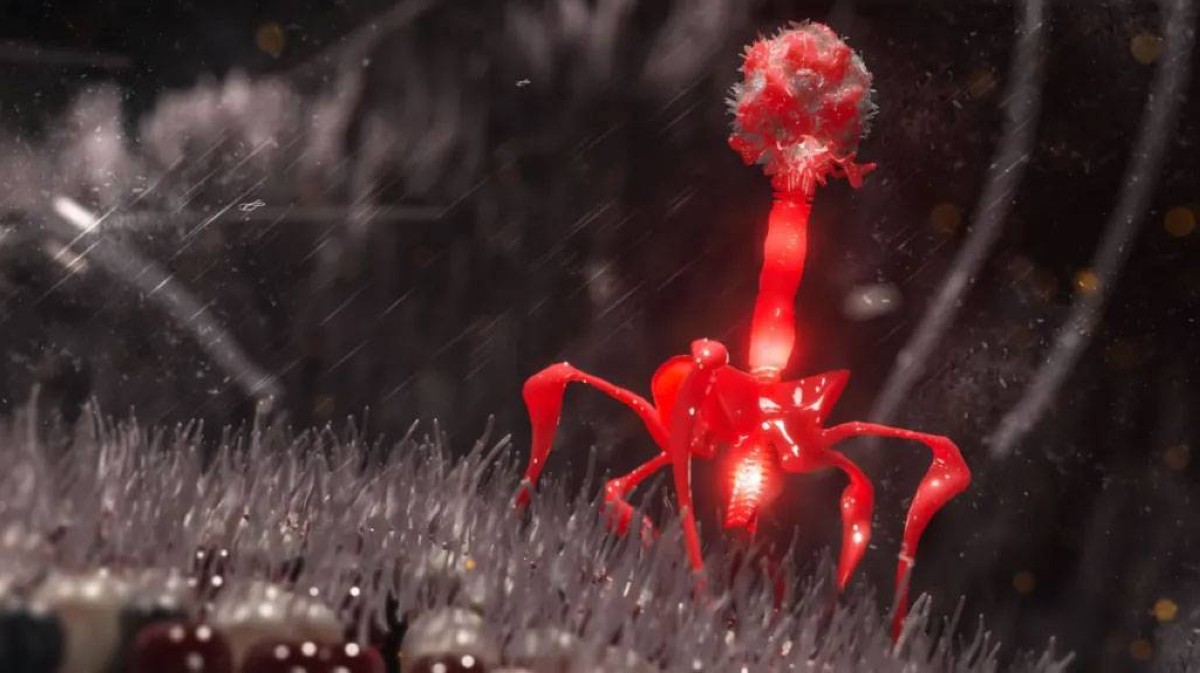
نجح باحثون من جامعة ستانفورد ومعهد آرك في استخدام الذكاء الاصطناعي لتصميم جينومات كاملة لفيروسات جديدة قادرة على التكاثر ومهاجمة البكتيريا. ويُعد هذا الإنجاز نقلة نوعية، إذ يتجاوز استخدام الذكاء الاصطناعي في تصميم بروتينات أو جينات منفردة إلى مرحلة أكثر تعقيداً وهي ابتكار منظومات وراثية كاملة يمكنها العمل داخل الخلايا.

ورغم أن كلمة "فيروسات" قد تثير القلق، فإن هذه الكائنات ليست فيروسات تصيب البشر، بل هي عاثيات بكتيرية، وهي فيروسات متخصصة تستهدف البكتيريا فقط ولا تهاجم الخلايا البشرية، ما يجعلها مجالًا واعدًا في البحث عن حلول جديدة لمواجهة البكتيريا المقاومة للمضادات الحيوية.

واعتمد الفريق العلمي على نموذج ذكاء اصطناعي متخصص يسمى Evo 2، صُمم لتحليل تسلسلات الحمض النووي وفهم الأنماط الموجودة داخل الجينات. وعلى عكس نماذج الذكاء الاصطناعي التي تنتج نصوصًا أو صورًا، يعمل هذا النموذج على التعامل مع "لغة الحياة" المتمثلة في الشفرة الوراثية، حيث يستطيع اقتراح تسلسلات DNA جديدة بناءً على البيانات الجينية التي تدرب عليها.

ولم يقم الذكاء الاصطناعي بصناعة الفيروس بشكل مباشر، بل لعب دور المصمم الجيني؛ إذ أنشأ مخططات وراثية جديدة لجينوم عاثية بكتيرية صغيرة ومدروسة جيدًا، ثم قام العلماء بتحليل هذه التصاميم واختيار التسلسلات الأكثر احتمالًا للعمل قبل اختبارها داخل المختبر.

وركزت التجربة على العاثية البكتيرية ΦX174، وهي فيروس صغير يصيب البكتيريا ولا يهاجم الخلايا البشرية. وبعد تصنيع التسلسلات الجينية التي اقترحها الذكاء الاصطناعي واختبارها، نجح الباحثون في إنتاج 16 عاثية فعّالة، أظهرت بعض نسخها قدرة على قتل البكتيريا بكفاءة أكبر من الفيروس الأصلي الذي صُممت على أساسه.

ويرى العلماء أن هذا الإنجاز قد يفتح الباب أمام تطوير علاجات جديدة تعتمد على تصميم عاثيات مخصصة لمهاجمة أنواع محددة من البكتيريا، خاصة تلك التي أصبحت مقاومة للمضادات الحيوية التقليدية. وفي المستقبل، قد يساعد الذكاء الاصطناعي في تسريع العثور على علاجات مصممة وفق طبيعة كل عدوى بكتيرية.

لكن هذا التطور العلمي يثير في الوقت نفسه تساؤلات حول الأمن البيولوجي، إذ يحذر خبراء من ضرورة وضع ضوابط وقواعد واضحة لضمان استخدام هذه التقنيات بطريقة آمنة، مع تطور قدرات الذكاء الاصطناعي في التعامل مع المعلومات الوراثية.

وأكد الباحثون أن الهدف من هذه التقنية ليس خلق مخاطر جديدة، بل استخدام قوة الذكاء الاصطناعي لمعالجة مشكلات صحية معقدة. وقالوا إن الإمكانات المستقبلية لهذه النماذج كبيرة، بشرط تطويرها بمسؤولية وحذر.

ويُنظر إلى هذا الإنجاز باعتباره نقطة تحول في العلاقة بين الذكاء الاصطناعي وعلم الأحياء، حيث انتقل الذكاء الاصطناعي من مرحلة تحليل أسرار الحياة إلى المساهمة في تصميم أجزاء منها.

نُشرت الدراسة في مجلة Science العلمية، وشارك فيها فريق بحثي من جامعة ستانفورد بقيادة الدكتور برايان إل. هي (Brian L. Hie)، أستاذ الهندسة الكيميائية والباحث في مجال تصميم الأنظمة الحيوية. واعتمد الفريق على نموذج Evo 2 لتوليد وتحليل تسلسلات الحمض النووي واختبار إمكانية تحويل التصاميم الجينية التي ينتجها الذكاء الاصطناعي إلى عاثيات بكتيرية فعّالة.

أظهرت التجارب أن بعض الجينومات التي صممها الذكاء الاصطناعي كانت قادرة على العمل داخل المختبر، ما يقدم دليلًا على إمكانية استخدام النماذج التوليدية في تصميم أنظمة بيولوجية جديدة. ويرى الباحثون أن هذه التقنية قد تصبح مستقبلًا أداة مهمة في تطوير علاجات ضد البكتيريا المقاومة للمضادات الحيوية، مع ضرورة الالتزام بإجراءات صارمة للسلامة البيولوجية.

ووفقًا لهيئة الإذاعة البريطانية (BBC)، فإن أهمية هذا الإنجاز لا تكمن فقط في إنتاج عاثيات جديدة، بل في إثبات قدرة الذكاء الاصطناعي على الانتقال من مرحلة تحليل الشفرة الوراثية إلى مرحلة تصميمها. وأوضح الباحثون أن هذه الخطوة تمثل تحولًا من استخدام الذكاء الاصطناعي لفهم الأنظمة البيولوجية الموجودة في الطبيعة إلى المساهمة في ابتكار أنظمة وراثية جديدة يمكن اختبارها داخل المختبر، وهو ما قد يغير مستقبل تصميم الأدوية والعلاجات الحيوية.

وأشارت BBC إلى أن العلماء يرون أن التطور الحالي يفرض تحديًا جديدًا، إذ لم تعد المسألة تتعلق فقط بقدرة الذكاء الاصطناعي على فهم الحياة، بل بقدرته على إعادة تصميم أجزاء منها. ولهذا يؤكد الخبراء أن مواكبة هذا التقدم يجب أن تسير بالتوازي مع تطوير أنظمة رقابة وسلامة تمنع إساءة استخدام هذه التقنيات.

AIذكاء اصطناعيفيروس
الخبر متوفّر باللغات التالية:English
المصدر الأصلي للخبر
البيان

A scientific revolution: artificial intelligence designs a virus that kills bacteria

August 07, 2026·Al Bayan
A scientific revolution: artificial intelligence designs a virus that kills bacteria

Researchers from Stanford University and the Ark Institute have successfully used artificial intelligence to design complete genomes for new viruses capable of reproducing and attacking bacteria. This achievement represents a significant advancement, as it moves beyond using AI to design individual proteins or genes to creating entire genetic systems that can function within cells.

Although the word "viruses" may evoke concern, these are not human-infecting viruses; rather, they are bacterial phages, which are specialized viruses that target only bacteria and do not attack human cells. This makes them a promising area of research for finding new solutions to combat antibiotic-resistant bacteria.

The scientific team relied on a specialized AI model called Evo 2, designed to analyze DNA sequences and understand patterns within genes. Unlike AI models that generate text or images, this model works with the "language of life," genetic code, where it can propose new DNA sequences based on the genetic data it has been trained on.

The AI did not directly create the virus but played a role as a genetic designer. It created new genetic blueprints for a well-studied small bacterial phage genome, and scientists then analyzed these designs and selected the most likely sequences to work before testing them in the lab.

The experiment focused on the bacterial phage ΦX174, a small virus that infects bacteria but does not attack human cells. After manufacturing genetic sequences suggested by artificial intelligence and testing them, researchers succeeded in producing 16 effective phages, some of whose copies showed an ability to kill bacteria more efficiently than the original virus from which they were designed.

Scientists believe that this achievement could open the door to developing new treatments based on designing phages tailored to attack specific types of bacteria, especially those that have become resistant to traditional antibiotics. In the future, artificial intelligence may help speed up finding treatments designed according to the nature of each bacterial infection.

However, this scientific development raises questions about biological security at the same time. Experts warn of the need for clear controls and regulations to ensure that these technologies are used in a safe manner as artificial intelligence’s capabilities in dealing with genetic information develop.

Researchers affirmed that the goal of this technology is not to create new risks, but rather to use the power of artificial intelligence to address complex health problems. They said that the future potential of these models is great, provided they are developed responsibly and cautiously.

This achievement is seen as a turning point in the relationship between artificial intelligence and biology, where artificial intelligence has moved from analyzing the secrets of life to contributing to designing parts of it.

The study was published in the journal Science and involved a research team from Stanford University led by Dr. Brian L. Hie, an associate professor of chemical engineering and researcher in the field of biological systems design. The team relied on Evo 2 to generate and analyze DNA sequences and test the feasibility of converting AI-designed genetic designs into effective bacterial phages.

Experiments showed that some genomes designed by artificial intelligence were capable of functioning in a laboratory setting, providing evidence for the potential use of generative models in designing new biological systems. The researchers believe this technology could become an important tool in developing treatments against antibiotic-resistant bacteria in the future, while emphasizing the need to adhere to strict biosafety procedures.

According to the BBC, the significance of this achievement lies not only in producing new phages but also in demonstrating artificial intelligence's ability to move from analyzing genetic code to designing it. The researchers explained that this step represents a shift from using AI to understand existing biological systems in nature to contributing to the invention of new genetic systems that can be tested in a laboratory setting, which could change the future of drug design and biotherapeutic development.

The BBC noted that scientists believe the current development poses a new challenge, as it is no longer just about AI’s ability to understand life, but also its capacity to redesign parts of it. Therefore, experts emphasize that keeping pace with this progress should go hand in hand with developing monitoring and safety systems to prevent the misuse of these technologies.

AIذكاء اصطناعيفيروس
This article is also available in:العربية
Original source article
Al Bayan