ثورة في علوم الأرض.. الذكاء الاصطناعي يكشف إشارات خفية تسبق الزلازل الكبرى
11 يوليو 2026·البيان
ثورة في علوم الأرض.. الذكاء الاصطناعي يكشف إشارات خفية تسبق الزلازل الكبرى

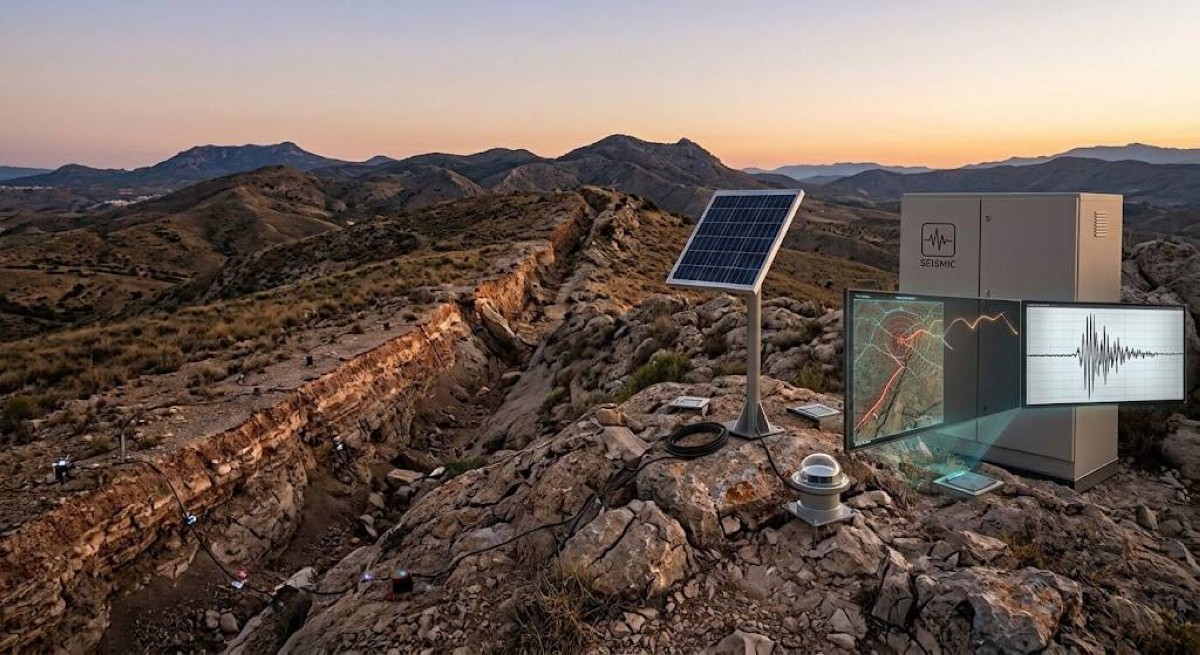
لطالما كان التنبؤ بالزلازل أحد أكبر التحديات أمام العلماء، فحتى الآن لا توجد طريقة مؤكدة تحدد متى وأين سيضرب زلزال كبير. لكن دراسة جديدة نشرت في مجلة Nature Communications فتحت باباً جديداً، بعدما تمكن الذكاء الاصطناعي من اكتشاف أنماط مخفية داخل آلاف الهزات الصغيرة، قد تكشف أن بعض الصدوع الأرضية تستعد للدخول في مرحلة أكثر خطورة قبل وقوع الزلزال الرئيسي.

وكشف باحثون من مركز هيلمهولتز لأبحاث علوم الأرض (GFZ) في ألمانيا بالتعاون مع علماء دوليين، عن تقنية تعتمد على التعلم الآلي غير الخاضع للإشراف، وهي طريقة تسمح للذكاء الاصطناعي بتحليل كميات ضخمة من البيانات الزلزالية والبحث عن أنماط غير معروفة مسبقاً، بدلاً من الاعتماد على مؤشرات يحددها العلماء مسبقاً.

وقام الفريق بتحليل ما يُعرف بـ "عائلات الزلازل"، حيث لم يتعامل مع كل هزة أرضية كحدث منفصل، بل درس العلاقات بين الزلازل الصغيرة من حيث الموقع والوقت والحجم، لأن هذه الأحداث قد تؤثر في بعضها بعضاً وتكشف عن الطريقة التي يتغير بها الضغط داخل القشرة الأرضية.

واختبر الباحثون هذه المنهجية على عدد من الزلازل الكبرى التي وقعت خلال السنوات الماضية، من بينها زلزال كهرمان مرعش في تركيا عام 2023 بقوة 7.8 درجات، وزلزال إيكويكي في تشيلي عام 2014 بقوة 8.1 درجات، وزلزال لاكويلا في إيطاليا عام 2009.

وأظهرت النتائج أن هذه الزلازل سبقتها تغيرات دقيقة في سلوك النشاط الزلزالي، تمثلت في زيادة تجمع الهزات الصغيرة في مناطق محددة، وارتفاع مستوى التفاعل بينها، إضافة إلى مؤشرات تشير إلى تغيرات في طريقة تراكم الإجهاد داخل الصدوع قبل الانهيار الكبير.

ويرى العلماء أن هذه الأنماط قد تمثل مرحلة انتقالية تقترب فيها المنطقة من حالة عدم الاستقرار، حيث يبدأ الصدع بالتصرف بطريقة مختلفة عن نشاطه المعتاد. لكن هذه الإشارات ليست قاعدة ثابتة، إذ إن كل صدع أرضي يمتلك خصائصه الخاصة التي تحدد طريقة تطوره.

وفي المقابل، كشفت الدراسة عن جانب مهم من حدود هذه التقنية، إذ لم تظهر الأنماط نفسها قبل بعض الزلازل الكبرى، مثل زلزال أماتريتشي في إيطاليا عام 2016 وزلزال نوتو في اليابان عام 2024، ما يؤكد أن جميع الزلازل لا تترك بالضرورة علامات واضحة يمكن رصدها مسبقاً.

ولمعرفة مدى إمكانية استخدام هذه التقنية مستقبلاً في المراقبة الزلزالية، لم يكتفِ الباحثون بتحليل الزلازل التي وقعت بالفعل، بل اختبروا قدرة الذكاء الاصطناعي على متابعة النشاط الزلزالي أثناء تطوره. وقام النظام بمقارنة الهزات الجديدة بالأنماط المعتادة في كل منطقة، بحثاً عن اللحظة التي يبدأ فيها الصدع بالتصرف بطريقة غير مألوفة. ويرى العلماء أن ظهور نمط زلزالي جديد ومفاجئ قد يشير إلى انتقال المنطقة إلى حالة أكثر اضطراباً، لكنه لا يمثل تنبؤاً مؤكداً بوقوع زلزال.

ويؤكد الباحثون أن الهدف ليس الوصول إلى "ساعة زلزالية" تخبر البشر بموعد الكارثة، بل تطوير أدوات أكثر ذكاءً تساعد العلماء على فهم سلوك الصدوع ورصد التغيرات التي قد تسبق بعض الزلازل عندما تكون هذه الإشارات موجودة وقابلة للكشف.

وتجمع هذه الدراسة بين علوم الزلازل والذكاء الاصطناعي بطريقة جديدة، إذ تمنح العلماء قدرة أكبر على رؤية أنماط كانت مخفية وسط ضجيج آلاف الهزات الصغيرة.

ذكاء اصطناعيزلازلعلوم الأرض
الخبر متوفّر باللغات التالية:English
المصدر الأصلي للخبر
البيان

Earth Science Revolution: Artificial Intelligence Uncovers Hidden Signals Preceding Major Earthquakes

July 11, 2026·Al Bayan
Earth Science Revolution: Artificial Intelligence Uncovers Hidden Signals Preceding Major Earthquakes

Predicting earthquakes has always been a major challenge for scientists, as there is currently no reliable method to determine when and where a large earthquake will strike. However, a new study published in Nature Communications opens up a new avenue after artificial intelligence (AI) was able to detect hidden patterns within thousands of small tremors that may indicate some faults are preparing for a more dangerous phase before the main earthquake occurs.

Researchers from the German Research Center for Geosciences (GFZ) in Germany, in collaboration with international scientists, have developed a technique based on unsupervised machine learning. This method allows AI to analyze large amounts of seismic data and search for previously unknown patterns, rather than relying on indicators predefined by scientists.

The team analyzed what are known as "earthquake families." Instead of treating each earthquake as a separate event, they studied the relationships between small earthquakes in terms of location, time, and magnitude. These events can influence one another and reveal how stress changes within the Earth's crust.

The researchers tested this methodology on several major earthquakes that occurred in recent years, including the 7.8-magnitude earthquake in Kahramanmaraş, Turkey in 2023, the 8.1-magnitude earthquake in Iquique, Chile in 2014, and the 6.3-magnitude earthquake in L'Aquila, Italy in 2009.

The results showed that these earthquakes were preceded by subtle changes in seismic activity behavior, characterized by an increase in the clustering of small tremors in specific areas and a higher level of interaction between them. Additionally, there are indicators suggesting changes in how stress accumulates within faults before the major collapse.

Scientists believe that these patterns may represent a transitional phase where the region approaches instability, as the fault begins to behave differently from its usual activity. However, these signals are not a fixed rule, as each earthquake has its own unique characteristics that determine how it develops.

Conversely, the study revealed an important aspect of the limitations of this technology. The same patterns were not observed before some major earthquakes, such as the 2016 Amatrice earthquake in Italy and the 2024 Noto earthquake in Japan, confirming that not all earthquakes leave clear signs that can be detected beforehand.

To determine the feasibility of using this technology for future seismic monitoring, researchers did not just analyze past earthquakes but also tested artificial intelligence’s ability to monitor seismic activity as it develops. The system compared new tremors with typical patterns in each area, seeking the moment when the fault begins to behave in an unfamiliar way. Scientists believe that the emergence of a new and unexpected seismic pattern may indicate that the region is transitioning into a more disordered state, but it does not represent a confirmed prediction of an earthquake.

Researchers emphasize that the goal is not to achieve a “seismic clock” that tells humans when disaster will strike, but rather to develop smarter tools that help scientists understand fault behavior and monitor changes that may precede earthquakes when such signals exist and can be detected.

This study combines seismology with artificial intelligence in a new way, giving scientists greater ability to see patterns that were previously hidden amidst the noise of thousands of small tremors.

ذكاء اصطناعيزلازلعلوم الأرض
This article is also available in:العربية
Original source article
Al Bayan