جدل عالمي بعد موافقة أمريكا على مشروع مرآة فضائية لعكس ضوء الشمس إلى الأرض
28 يوليو 2026·اليوم السابع
جدل عالمي بعد موافقة أمريكا على مشروع مرآة فضائية لعكس ضوء الشمس إلى الأرض

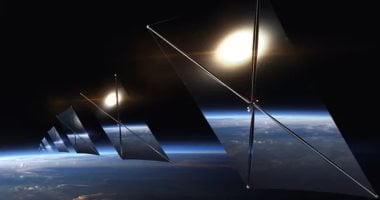
كشف خبراء الفضاء أن الدول والمجتمع الدولي لا يملكان الكثير لفعله لعرقلة المشاريع الفضائية التي لا تلقى القبول وتواجه الاعتراضات، إذا ما منحتها لجنة الاتصالات الفيدرالية FCC التراخيص، حيث وافقت لجنة الاتصالات الفيدرالية على طلب شركة "ريفليكت أوربيتال" التي تتخذ من كاليفورنيا مقراً لها، لإطلاق مرآة فضائية بأبعاد 18 × 18 متراً (59 × 59 قدماً) لاختبار كيفية عكس ضوء الشمس على محطات الطاقة الشمسية على الأرض بعد غروب الشمس، وقد أثار هذا القرار استياءً واسعاً بين علماء الفلك والناشطين البيئيين الذين يخشون من تأثير خطط "ريفليكت أوربيتال" على مستويات التلوث الضوئي العالمي.

ووفقا لما ذكره موقع "Space"، يرى المعارضون في موافقة لجنة الاتصالات الفيدرالية، رغم مئات الاعتراضات المقدمة ردًا على الطلب، مؤشرًا على احتمال منح اللجنة شركة "ريفليكت أوربيتال" ترخيصًا لإطلاق كوكبة كاملة تضم 50 ألف مرآة عاكسة لأشعة الشمس، وإلى جانب خطط "ريفليكت أوربيتال"، تنتظر شركات أخرى، من بينها "سبيس إكس" و"بلو أوريجين" و"ستاركلاود"، قرارات لجنة الاتصالات الفيدرالية بشأن طلباتها لنشر أساطيلها الضخمة من مراكز البيانات المدارية وأقمار الإنترنت، وإذا ما تحققت هذه المشاريع، فقد يتغير مشهد السماء ليلًا بشكل جذري في جميع أنحاء العالم.

وتيرة تطور التكنولوجيا أسرع من البيئة التنظيمية

تنص معاهدة الفضاء الخارجي للأمم المتحدة، التي وُضعت في أواخر الستينيات، على الإطار الدولي لاستخدام واستكشاف الفضاء الخارجي، كما تنص على أن الموافقة على مشاريع الأقمار الصناعية من اختصاص الدولة التي تُسجل فيها هذه الأقمار.

وقال مصدر مطلع على عمليات مكتب الأمم المتحدة لشؤون الفضاء الخارجي (UNOOSA)، "تنص معاهدة الأمم المتحدة لاستخدامات الفضاء الخارجي بوضوح على أن عدد الأقمار الصناعية التي تُطلق إلى الفضاء وكيفية تسجيلها من صلاحيات الدولة التي تُسجل فيها".

ومع ذلك، تتحمل الدول التي تُطلق منها هذه الأقمار مسؤولية أي ضرر تُسببه الأقمار الصناعية المسجلة تحت أعلامها للدول الأخرى، لكن روسكين هارتلي، الرئيس التنفيذي والمدير التنفيذي لمنظمة DarkSky International، أوضح أن هذا البند المتعلق بالمسؤولية لا يغطي سوى الأضرار المادية، مثل اصطدام الأقمار الصناعية في الفضاء أو سقوط المركبات الفضائية على الأرض وإلحاقها أضرارًا بالممتلكات.

وأضاف هارتلي: "لم يُختبر هذا الأمر بعد، لكن معظم الناس لا يعتقدون أن هذا الضرر يشمل التداخل البصري، يجب أن يكون الضرر ماديًا.. فإذا عكس قمر صناعي ضوء الشمس وألحق ضررًا بمرصد ما، فمن المرجح ألا يُعتبر ذلك ضررًا بموجب معاهدة الفضاء الخارجي".

وتنص المادة الأولى من معاهدة الفضاء الخارجي على أن "استكشاف واستخدام الفضاء الخارجي، بما في ذلك القمر والأجرام السماوية الأخرى، يتم لصالح جميع الدول ومصالحها"، لكن ما يعنيه ذلك تحديدًا، وما يمكن فعله في حال عدم وجود توافق في الآراء حول هذه الفوائد، يبقى غامضًا تمامًا.


americaspacemirror
الخبر متوفّر باللغات التالية:English
المصدر الأصلي للخبر
اليوم السابع

Global controversy after the US approves a space mirror project to reflect sunlight back to Earth

July 28, 2026·Youm7
Global controversy after the US approves a space mirror project to reflect sunlight back to Earth

Space experts have revealed that countries and the international community have little power to block unwelcome space projects if they are given the green light by the Federal Communications Commission (FCC). The FCC has approved an application from California-based company “Reflective Orbital” to launch a 18 x 18 meter (59 x 59 feet) mirror to test how sunlight is reflected onto solar power stations on Earth after sunset. This decision has caused widespread outrage among astronomers and environmental activists who fear the impact of "Reflective Orbital’s" plans on global levels of light pollution.

According to Space, opponents see the FCC's approval as an indication that it will likely grant “Reflective Orbital” a license to launch a full constellation of 50,000 sun-reflecting mirrors. In addition to "Reflective Orbital’s" plans, other companies such as SpaceX, Blue Origin and Starlink are awaiting decisions from the FCC on their applications to deploy large fleets of orbital data centers and internet satellites. If these projects come to fruition, the night sky could be radically transformed around the world.

Technology is advancing faster than the regulatory environment

The United Nations Outer Space Treaty, which was established in the late 1960s, provides an international framework for the use and exploration of outer space. It also stipulates that approval of satellite projects is the responsibility of the state in which they are registered.

A source familiar with the operations of the United Nations Office for Outer Space Affairs (UNOOSA) said: “The UN Treaty on the Uses of Outer Space clearly states that the number of satellites launched into space and how they are registered is the responsibility of the state in which they are registered.”

However, countries from which these satellites are launched bear responsibility for any damage caused by satellites registered under their flag to other nations. But Rossكين Hartley, CEO and Executive Director of DarkSky International, explained that this liability clause only covers physical damage, such as satellite collisions in space or the fall of spacecraft on Earth causing property damage.

Hartley added: “This has not been tested yet, but most people do not believe that this damage includes visual interference. The damage must be physical... If a satellite reflects sunlight and damages an observatory, it is unlikely to be considered damage under the Outer Space Treaty.”

Article I of the Outer Space Treaty states that “outer space, including the moon and other celestial bodies, shall be free for exploration and use by all States,” but what exactly this means, and what can be done in the event of a lack of consensus on these benefits, remains completely unclear.


americaspacemirror
This article is also available in:العربية
Original source article
Youm7