روكيت لاب يطلق قمرا صناعيا يابانيا لمراقبة الأرض بعد تأخير دام 5 أسابيع
7 أغسطس 2026·اليوم السابع
روكيت لاب يطلق قمرا صناعيا يابانيا لمراقبة الأرض بعد تأخير دام 5 أسابيع

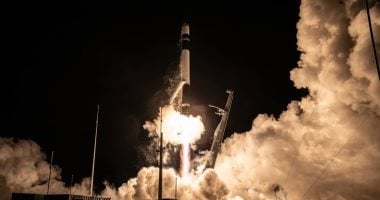
وصل قمر صناعي ياباني لرصد الأرض إلى مداره بعد خمسة أسابيع من الموعد المقرر أصلاً، حيث انطلق القمر الصناعي، وهو قمر رادار ستشغله شركة iQPS التي تتخذ من طوكيو مقراً لها، على متن صاروخ إلكترون Electron التابع لشركة روكيت لاب من نيوزيلندا، كانت هذه المحاولة الثانية المؤجلة للمهمة، إذ حاولت روكيت لاب إطلاقه في 30 يونيو، لكنها ألغت المحاولة في اللحظة الأخيرة، ولم تكشف الشركة بعد عن سبب هذا الإلغاء.

وفقا لما ذكره موقع "space"، سارت الأمور على ما يرام في الرحلة، وقد وضع صاروخ إلكترون قمر iQPS الصناعي في مداره المستهدف على ارتفاع حوالي 575 كيلومتراً (357 ميلاً) فوق سطح الأرض.

وستدرس المركبة الفضائية، المعروفة باسم QPS-SAR-13 أو MIKURA-I، نسبةً إلى إلهة يابانية تُعرف بالوفرة والرخاء، كوكبنا باستخدام رادار الفتحة التركيبية عالي الدقة (SAR)، القادر على اختراق الغيوم وجمع الصور ليلاً ونهاراً.

تقوم شركة iQPS ببناء كوكبة من 36 قمراً صناعياً من طراز SAR في مدار أرضي منخفض، ويعد صاروخ Electron الصاروخ الرئيسي لإطلاق هذه الشبكة.

كانت مهمة اليوم هي المهمة رقم 92 لشركة Rocket Lab، والمهمة رقم 13 للشركة في عام 2026، وقد استخدمت معظم هذه الرحلات صاروخ Electron، الذي يبلغ ارتفاعه 18 متراً (59 قدماً)، وهو الصاروخ الرئيسي للشركة لإطلاق الأقمار الصناعية الصغيرة.


Rocket LabsatelliteJapan
الخبر متوفّر باللغات التالية:English
المصدر الأصلي للخبر
اليوم السابع

Rocket Lab launches Japanese Earth-observing satellite after 5-week delay

August 07, 2026·Youm7
Rocket Lab launches Japanese Earth-observing satellite after 5-week delay

A Japanese Earth-observing satellite has reached its orbit five weeks after the originally scheduled date. The satellite, a radar satellite to be operated by Tokyo-based iQPS, was launched on board an Electron rocket from Rocket Lab in New Zealand. This is the second delayed attempt at the mission; Rocket Lab had tried to launch it on June 30 but canceled the attempt at the last minute. The company has not yet disclosed the reason for the cancellation.

According to “space,” everything went well during the journey, and the Electron rocket placed the iQPS satellite in its target orbit at an altitude of about 575 kilometers (357 miles) above Earth's surface.

The spacecraft, known as QPS-SAR-13 or MIKURA-I, after a Japanese deity associated with abundance and prosperity, will study our planet using high-resolution synthetic aperture radar (SAR), which can penetrate clouds and collect images day and night.

iQPS is building a constellation of 36 SAR satellites in low Earth orbit. The Electron rocket is the main launch vehicle for this network.

Today's mission was Rocket Lab’s 92nd mission, and its 13th in 2026. Most of these flights have used the Electron rocket, which stands 18 meters (59 feet) tall and is the company's main vehicle for launching small satellites.

Rocket LabsatelliteJapan
This article is also available in:العربية
Original source article
Youm7