شركة يابانية تحجز مساحة شحن تزن 500 كيلوجرام بمهمة مركبة ستارشيب
10 يوليو 2026·اليوم السابع
شركة يابانية تحجز مساحة شحن تزن 500 كيلوجرام بمهمة مركبة ستارشيب

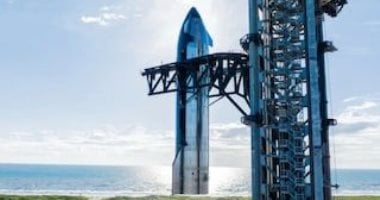
حجزت شركة يابانية مساحة شحن تبلغ 500 كيلوجرام (1100 رطل) على متن مركبة ستار شيب Starship التابعة لشركة سبيس إكس في مهمة إلى القمر، حيث توسع شركة ispace، ومقرها طوكيو، خططها القمرية الطموحة لتشمل صاروخ ستار شيب العملاق التابع لشركة سبيس إكس.

وفقا لما ذكره موقع "space"، أعلنت الشركة، أنها حجزت مساحة شحن تبلغ 500 كيلوجرام على متن ستار شيب، أكبر وأقوى صاروخ تم بناؤه على الإطلاق، لمهمة قمرية يُتوقع إطلاقها في أقرب وقت عام 2030، وتبلغ قيمة الصفقة 50 مليون دولار أمريكي.

وقال تاكيشي هاكامادا، مؤسس شركة ispace ورئيسها التنفيذي، "يسعدنا للغاية أن نُقدم خدمة التكامل الجديدة للوصول إلى القمر، والتي تستفيد من مساحة حمولة ستار شيب، من خلال تعاوننا مع سبيس إكس، فإن النقل القمري عالي السعة ومنخفض التكلفة نسبيًا، مثل الذي تُوفره ستار شيب، ضروري لتحقيق اقتصاد قمري مستدام تسعى ispace إلى إنشائه."

قد تصبح شركة ispace عميلاً منتظماً لمركبة Starship على مر السنين، مستخدمةً هذه المركبة العملاقة لنقل نظامها الجديد للشحن المتنقل إلى سطح القمر، فإن نظام الشحن المتنقل عبارة عن مركبة جوالة مسطحة تشبه المنصة، قادرة على نقل ما يصل إلى 500 كيلوجرام (1100 رطل) عبر سطح القمر.

وفقاً لشركة ispace، لن تنطلق مهمة نظام الشحن المتنقل القمرية المعلن عنها حديثاً على متن Starship قبل عام 2030، ويعتمد الجدول الزمني بشكل كبير على قدرة SpaceX على تطوير Starship لتصبح مركبة تشغيلية.

سبق لشركة ispace أن تعاونت مع SpaceX؛ حيث أطلقت صواريخ Falcon 9 مركبة HAKUTO-R الروبوتية القمرية التابعة للشركة اليابانية في عامي 2022 و2025، وفي كلتا المرتين، وصلت HAKUTO-R إلى مدار القمر بنجاح، لكنها تحطمت أثناء محاولتها الهبوط.

جدير بالذكر أن ستار شيب هي مركبة الإطلاق فائقة الثقل التابعة لشركة سبيس إكس، والمصممة لإعادة الاستخدام الكامل، والقادرة على إطلاق ما يصل إلى 150 طنًا (136 طنًا متريًا) إلى مدار أرضي منخفض، وقد خضع الصاروخ للتطوير لفترة طويلة؛ إذ أعلن إيلون ماسك، مؤسس شركة سبيس إكس ورئيسها التنفيذي، عن المركبة لأول مرة خلال المؤتمر الفلكي الدولي في المكسيك عام 2016، وكانت التوقعات بشأن جاهزيتها التشغيلية متغيرة باستمرار.


SpaceXStarshipJapan
الخبر متوفّر باللغات التالية:English
المصدر الأصلي للخبر
اليوم السابع

Japanese Company Books 500-Kilogram Cargo Space on Starship Mission

July 10, 2026·Youm7
Japanese Company Books 500-Kilogram Cargo Space on Starship Mission

A Japanese company has booked a payload capacity of 500 kilograms (1,100 pounds) on board SpaceX’s Starship spacecraft for a mission to the Moon. ispace, based in Tokyo, is expanding its ambitious lunar plans to include SpaceX’s giant Starship rocket.

According to “space”, the company announced that it has booked payload capacity of 500 kilograms on board Starship, the largest and most powerful rocket ever built, for a lunar mission expected to launch as early as 2030. The deal is worth $50 million USD.

"We are very pleased to offer the new integrated service to reach the Moon, which takes advantage of the payload capacity of Starship,” said Takeshi Hakamada, founder and CEO of ispace. “Through our collaboration with SpaceX, high-capacity and relatively low-cost lunar transportation such as that provided by Starship is essential for achieving a sustainable lunar economy that is what ispace seeks to create."

Over time, ispace could become a regular customer for the Starship spacecraft, using the giant vehicle to transport its new mobile payload system to the Moon’s surface. The mobile payload system is a flat, platform-like rover capable of carrying up to 500 kilograms (1,100 pounds) across the lunar surface.

According to ispace, the company's newly announced Mobile Payload System mission will not launch on Starship before 2030. The timeline depends heavily on SpaceX’s ability to develop Starship into an operational spacecraft.

ispace has previously collaborated with SpaceX, launching the HAKUTO-R robotic lunar lander for the Japanese company in both 2022 and 2025. In both cases, HAKUTO-R successfully reached a lunar orbit but crashed during its landing attempt.

Starship is SpaceX's super-heavy launch vehicle designed to be fully reusable and capable of launching up to 150 tons (136 metric tons) into low Earth orbit. The rocket has been under development for a long time; Elon Musk, founder and CEO of SpaceX, first unveiled the vehicle at the International Astronautical Congress in Mexico in 2016. Expectations regarding its operational readiness have constantly changed.


SpaceXStarshipJapan
This article is also available in:العربية
Original source article
Youm7