صور مذهلة للشمس.. دوامات غامضة تكشف سر عواصفها العنيفة
6 أغسطس 2026·البيان
صور مذهلة للشمس.. دوامات غامضة تكشف سر عواصفها العنيفة
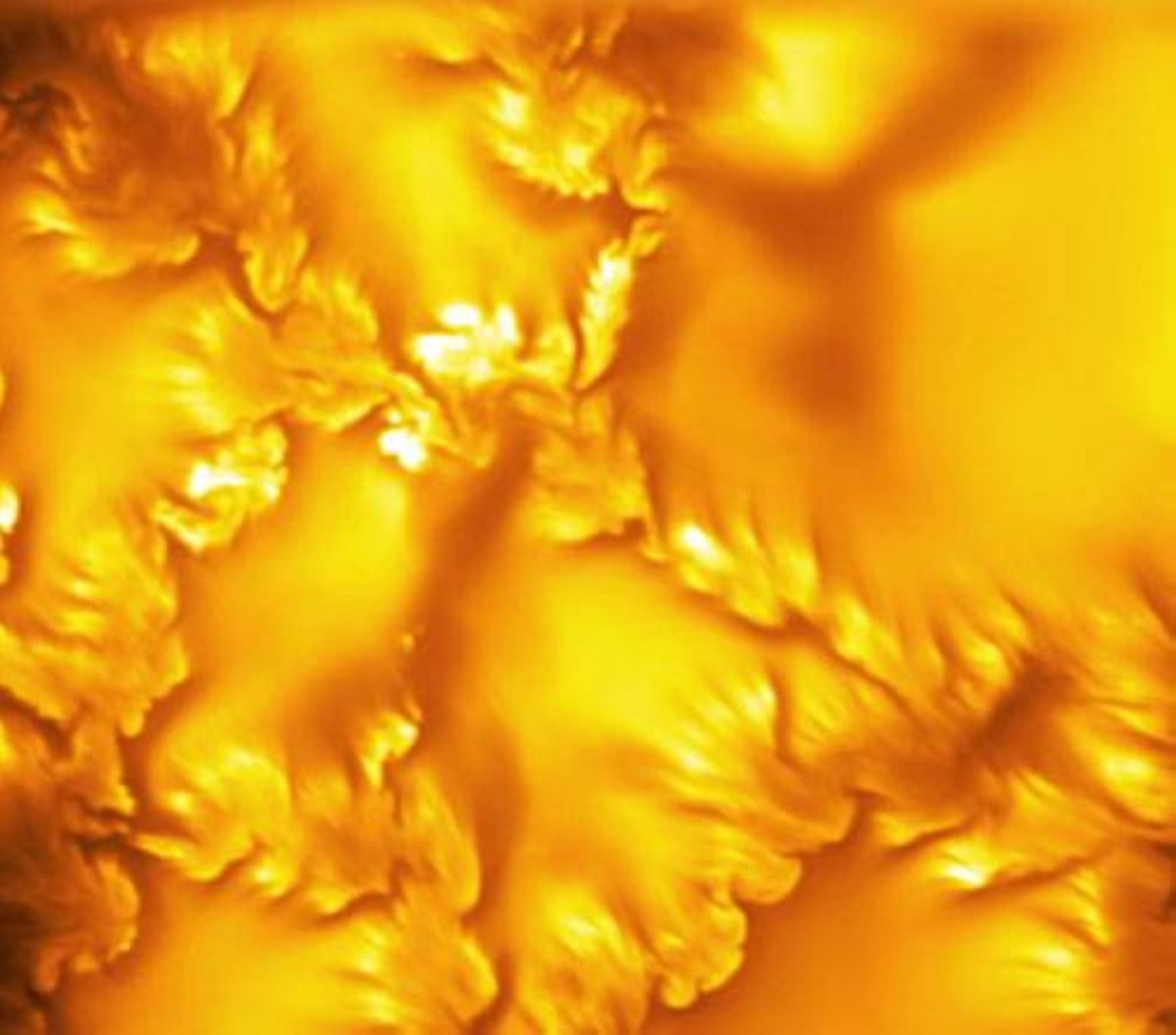
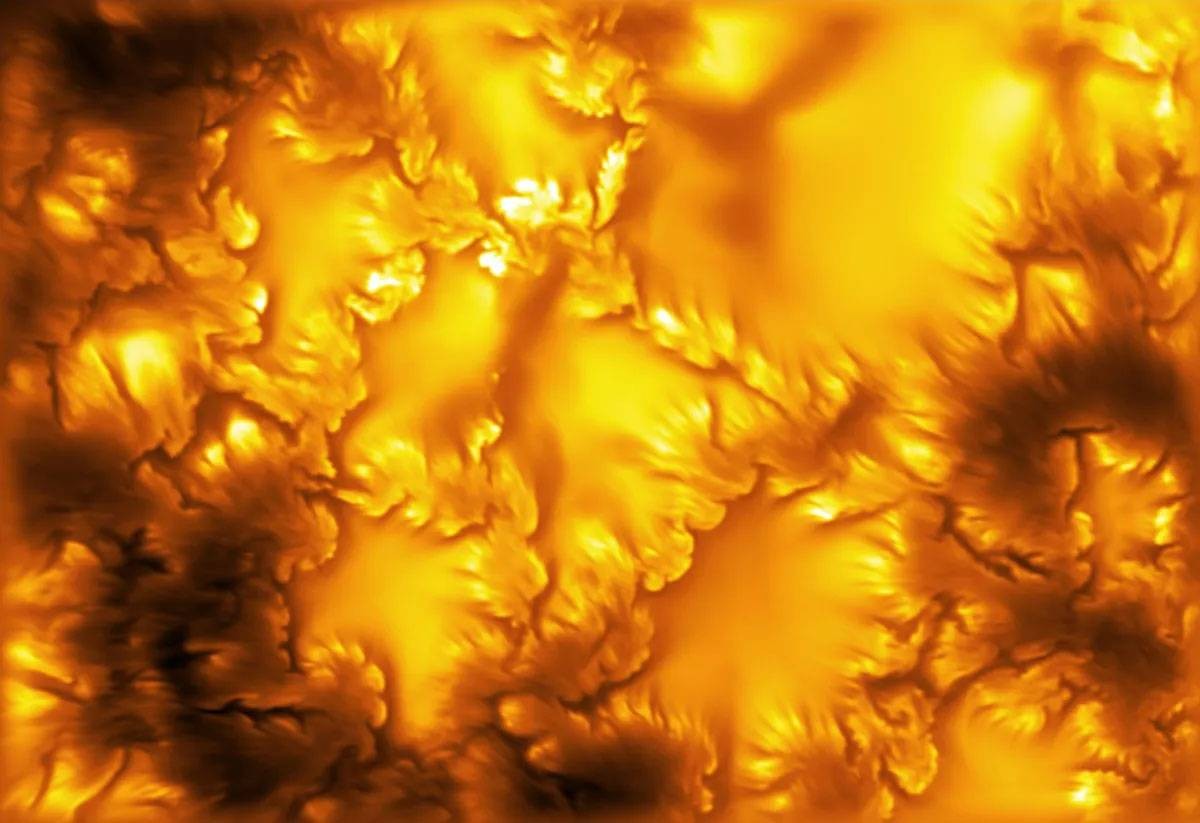
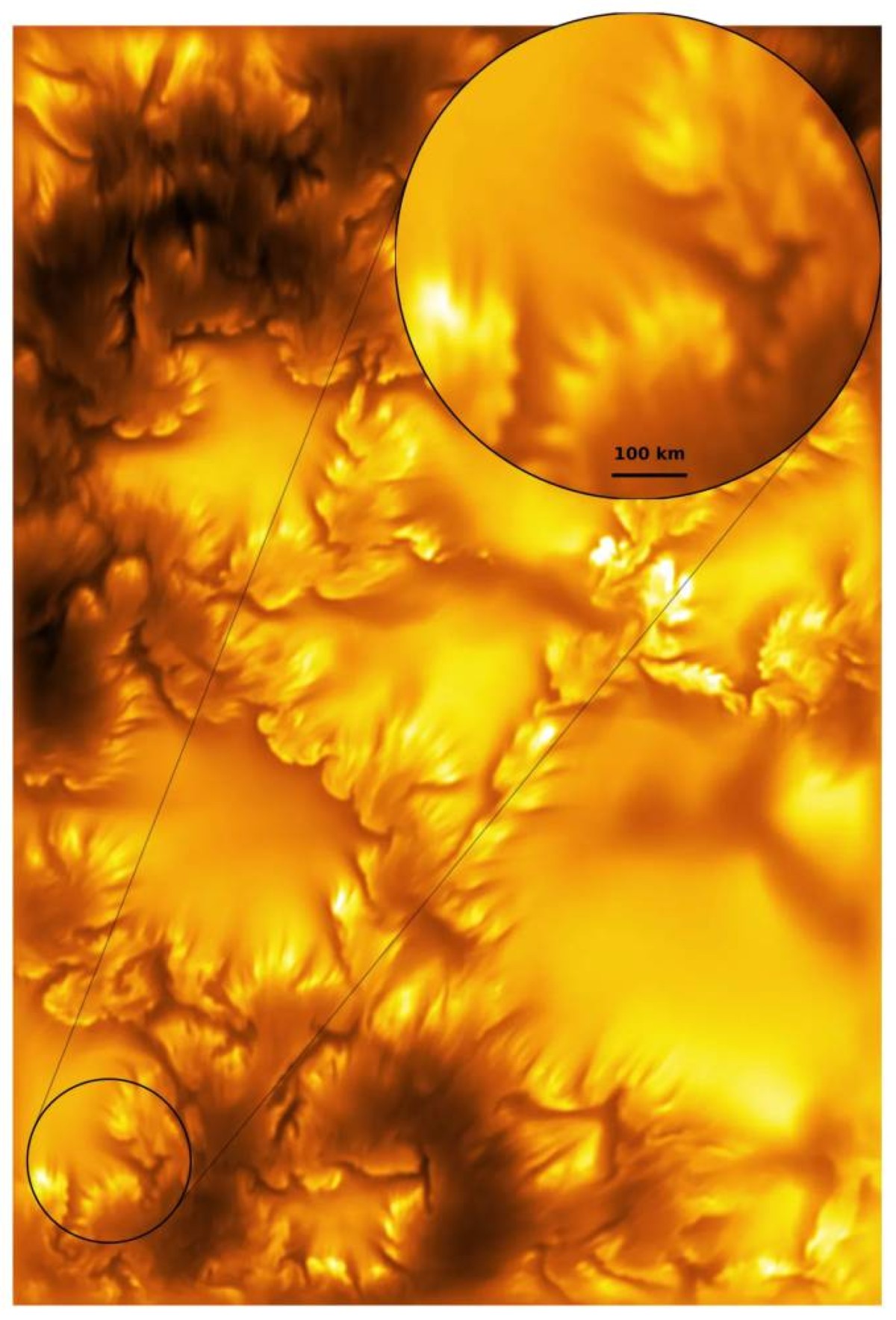
كشفت صور جديدة مذهلة لسطح الشمس عن دوامات مغناطيسية غامضة في البلازما قد تكون المفتاح لفهم كيفية تشابك خطوط المجال المغناطيسي وإطلاق الطاقة الهائلة التي تقف وراء أعنف العواصف الشمسية. ويرى العلماء أن هذه الهياكل الدوامية قد تفسر جزءًا من اللغز القديم حول سبب حدوث التوهجات والانفجارات الشمسية التي تقذف كميات ضخمة من الطاقة نحو الفضاء وقد تؤثر في الأرض.

والتقط هذه التفاصيل المذهلة تلسكوب دانيال ك. إينوي الشمسي في هاواي، وهو أقوى تلسكوب بُني خصيصًا لدراسة الشمس. وقد سمحت قدراته غير المسبوقة للعلماء برؤية حركات دقيقة على سطح الشمس لم تكن واضحة من قبل، ما كشف عن وجود دوامات بلازمية مرتبطة بالمجالات المغناطيسية القوية.

وتُعد هذه الاكتشافات مهمة لأن العلماء يعرفون منذ فترة طويلة أن الانفجارات الشمسية تحدث عندما تلتف خطوط المجال المغناطيسي للشمس وتتشابك، ثم تعيد الاتصال فجأة مطلقةً كميات ضخمة من الطاقة. لكن السؤال الأكبر كان: ما الذي يجعل هذه الخطوط المغناطيسية تلتف وتصل إلى مرحلة الانفجار؟

تشير الدراسة الجديدة التي نُشرت في مجلة Nature، إلى أن الإجابة قد تكون مرتبطة بظاهرة تعرف باسم عدم استقرار كلفن-هيلمهولتز، وهي ظاهرة تحدث عندما تتحرك طبقتان من السوائل أو الغازات بسرعات مختلفة، فتتكون دوامات تشبه أمواج البحر المتكسرة أو الكثبان الرملية.

وعند تطبيق هذه الفكرة على الشمس، وجد الباحثون أن سطحها يعج بهياكل دوامية من البلازما الممغنطة، تظهر بشكل متكرر قرب المناطق التي تكون فيها الحقول المغناطيسية قوية. وقد كشفت المقارنات بين صور التلسكوب والمحاكاة الحاسوبية أن هذه الدوامات قد تساعد على تشابك خطوط المجال المغناطيسي، ما يمهد الطريق لحدوث التوهجات والانبعاثات الكتلية الإكليلية.

ولم يقتصر دور هذه الدوامات على تفسير العواصف الشمسية فقط، إذ قد تساعد أيضًا في حل لغز علمي قديم يتعلق بدرجات الحرارة الهائلة في الغلاف الجوي الخارجي للشمس.

فعلى الرغم من أن سطح الشمس تبلغ حرارته نحو 5500 درجة مئوية، فإن الهالة الشمسية المحيطة بها تصل حرارتها إلى ملايين الدرجات، وهو أمر حير العلماء لعقود، لأن المنطقة الخارجية كان يفترض أن تكون أبرد من السطح وليس أكثر سخونة.

ويرى الباحثون أن حركة البلازما والدوامات المغناطيسية قد تلعب دورًا في نقل الطاقة وتسخين الغلاف الجوي الخارجي للشمس، مما يقدم تفسيرًا محتملًا لهذا اللغز.

وقال العلماء إن هذا الاكتشاف قد يساعد على فهم أفضل للدورة المغناطيسية للشمس التي تستمر نحو 11 عامًا، كما قد يحسن قدرتنا على التنبؤ بالعواصف الشمسية التي يمكن أن تؤثر في الأقمار الصناعية وشبكات الكهرباء وأنظمة الاتصالات على الأرض.

وأكد الباحثون أن هذه النتائج تمثل بداية مرحلة جديدة في دراسة الشمس، إذ تكشف أن سطحها ليس مجرد كرة نارية هادئة، بل عالم ديناميكي مليء بالحركة والاضطرابات التي تتحكم في طاقتها ونشاطها.

sunmagneticstorms
الخبر متوفّر باللغات التالية:English
المصدر الأصلي للخبر
البيان

Stunning Images of the Sun: Mysterious Spirals Reveal the Secret of Its Violent Storms

August 06, 2026·Al Bayan
Stunning Images of the Sun: Mysterious Spirals Reveal the Secret of Its Violent Storms

Stunning new images of the sun’s surface have revealed mysterious magnetic vortices in the plasma that may hold the key to understanding how magnetic field lines intertwine and release the tremendous energy behind the most violent solar storms. Scientists believe these swirling structures could explain part of the long-standing mystery surrounding why solar flares and explosions shoot massive amounts of energy into space, potentially affecting Earth.

The stunning details were captured by the Daniel K. Inouye Solar Telescope in Hawaii, which is the most powerful telescope ever built specifically to study the sun. Its unprecedented capabilities allowed scientists to see minute movements on the sun’s surface that had not been visible before, revealing plasma vortices associated with strong magnetic fields.

These discoveries are important because scientists have long known that solar flares occur when the Sun’s magnetic field lines twist and tangle, then suddenly reconnect, releasing vast amounts of energy. But the bigger question has been: what causes these magnetic field lines to twist and reach a point of explosion?

The new study, published in Nature, suggests that the answer may be related to a phenomenon known as Kelvin-Helmholtz instability, which occurs when two layers of fluids or gases move at different speeds, creating vortices that resemble breaking ocean waves or sand dunes.

Applying this idea to the Sun, researchers found that its surface is teeming with vortical structures of magnetized plasma, frequently appearing near regions where magnetic fields are strong. Comparisons between telescope images and computer simulations revealed that these vortices may help tangle magnetic field lines, setting the stage for flares and coronal mass ejections.

Beyond explaining solar storms, these vortices could also help solve an old scientific puzzle about the extreme temperatures in the Sun’s outer atmosphere.

Although the surface of the Sun is around 5,500 degrees Celsius, the surrounding corona can reach millions of degrees, puzzling scientists for decades. The outer region was supposed to be cooler than the surface, not hotter.

Researchers believe that plasma motion and magnetic vortices may play a role in energy transfer and heating the outer atmosphere of the Sun, offering a potential explanation for this mystery.

Scientists say that this discovery could lead to a better understanding of the solar magnetic cycle, which lasts about 11 years, and may improve our ability to predict solar storms that can affect satellites, power grids, and communication systems on Earth.

Researchers emphasize that these findings mark the beginning of a new phase in studying the Sun, revealing that its surface is not just a quiet fiery ball but a dynamic world filled with motion and disturbances that control its energy and activity.

sunmagneticstorms
This article is also available in:العربية
Original source article
Al Bayan