كويكب عملاق يقترب من الأرض.. ومفاجأة غير متوقعة تنتظره
7 أغسطس 2026·البيان
كويكب عملاق يقترب من الأرض.. ومفاجأة غير متوقعة تنتظره

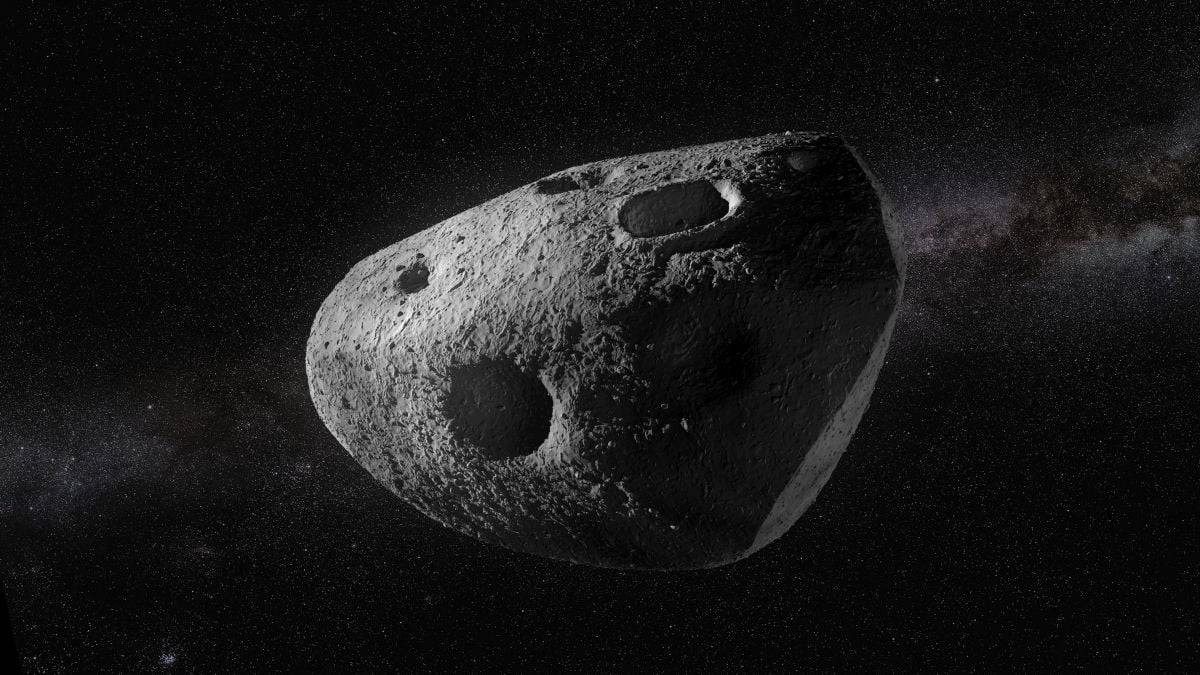
في أبريل عام 2029، سيشهد العالم حدثا فلكيا نادرا، عندما يمر الكويكب 99942 أبوفيس بالقرب من الأرض على مسافة تقل عن 32 ألف كيلومتر، في اقتراب استثنائي يجعله أقرب من بعض الأقمار الصناعية الموجودة في المدار الجغرافي، لكن مفاجأة غير متوقعة قد تكون في انتظاره خلال هذه الرحلة التاريخية.

ورغم أن العلماء أكدوا بعد سنوات من الحسابات الدقيقة أن الكويكب، الذي يبلغ قطره نحو 370 مترا، لا يشكل خطرا على كوكبنا، فإن دراسة جديدة كشفت عن احتمال آخر أكثر غرابة وهو أنه قد لا يكون الخطر من أبوفيس على الأرض، بل من الأرض على أبوفيس.

وحذّر باحثون من أن الحطام الفضائي الناتج عن النشاط البشري قد يهدد هذه الفرصة العلمية النادرة، إذ قد تصطدم إحدى الشظايا أو الأجسام غير المرئية في المدار الأرضي العالي بالكويكب أثناء مروره القريب.

ودرس الفيزيائي جوليا شيتينو وعالم الديناميكا الفلكية أليساندرو روسي من معهد الفيزياء التطبيقية التابع للمجلس الوطني الإيطالي للبحوث، احتمال اصطدام أبوفيس بأجسام من صنع الإنسان أثناء عبوره منطقة المدار المتزامن مع الأرض.

وكان العلماء يتوقعون أن تكون فرص حدوث ذلك شبه معدومة، لكن عمليات المحاكاة كشفت عن احتمال ضئيل لكنه موجود بالفعل لاقتراب أو اصطدام جسم فضائي بالكويكب.

ولا يكمن القلق في أن الاصطدام سيغير مسار أبوفيس أو يجعله خطرا على الأرض، بل في أنه قد يعقّد مهمة العلماء لفهم تأثير جاذبية الأرض عليه. إذ من المتوقع أن تؤدي جاذبية كوكبنا إلى تغييرات في دوران الكويكب، وربما تسبب انهيارات على سطحه تكشف أسراره الداخلية.

وتستعد مركبتان فضائيتان، هما مهمة RAMSES التابعة لوكالة الفضاء الأوروبية ومهمة OSIRIS-APEX التابعة لوكالة ناسا، لمراقبة مرور أبوفيس عن قرب، في محاولة للحصول على بيانات غير مسبوقة عن طبيعة الكويكبات وتطورها، وفقا لموقع"sciencealert".

ويرى الباحثون أن مرور أبوفيس يمثل فرصة تاريخية لدراسة الأجسام القريبة من الأرض، لكنه يكشف أيضًا مشكلة متزايدة كمية الحطام الفضائي غير المرئي التي تحيط بكوكبنا.

فيديو
asteroidspaceearth
الخبر متوفّر باللغات التالية:English
المصدر الأصلي للخبر
البيان

A giant asteroid approaches Earth...and an unexpected surprise awaits it

August 07, 2026·Al Bayan
A giant asteroid approaches Earth...and an unexpected surprise awaits it

In April 2029, the world will witness a rare astronomical event when asteroid 99942 Apophis passes near Earth at a distance of less than 32,000 kilometers in an extraordinary approach that makes it closer to some satellites in geostationary orbit. However, there may be an unexpected surprise awaiting it during this historic journey.

Although scientists have confirmed after years of precise calculations that the asteroid, which is about 370 meters in diameter, does not pose a threat to our planet, a new study has revealed another, more unusual possibility: that the danger from Apophis may not be to Earth, but rather from Earth to Apophis.

Researchers have warned that space debris resulting from human activity could threaten this rare scientific opportunity. One of the fragments or invisible objects in high Earth orbit could collide with the asteroid during its close approach.

Physicist Giulia Zitino and astrophysicist Alessandro Rossi from the National Institute for Nuclear Physics applied physics institute studied the possibility of Apophis colliding with human-made objects as it crosses the geostationary orbit region.

Scientists had expected that the chances of this happening would be almost non-existent, but simulations have revealed a small but real possibility of a space object approaching or colliding with the asteroid.

The concern is not that the collision will change Apophis’s trajectory or make it a danger to Earth, but rather that it could complicate scientists’ efforts to understand its gravitational effects. The gravity of our planet is expected to cause changes in the asteroid's rotation and possibly trigger landslides on its surface, revealing its internal secrets.

Two spacecraft, the European Space Agency's RAMSES mission and NASA's OSIRIS-APEX mission, are preparing to observe Apophis’s passage up close, in an attempt to obtain unprecedented data about the nature and evolution of asteroids, according to "sciencealert".

Researchers see Apophis' passage as a historic opportunity to study near-Earth objects, but it also highlights a growing problem: the increasing amount of invisible space debris surrounding our planet.

Video
asteroidspaceearth
This article is also available in:العربية
Original source article
Al Bayan