ظلام يبتلع الشمس.. موعد الكسوف الكلي التاريخي
19 يوليو 2026·البيان
ظلام يبتلع الشمس.. موعد الكسوف الكلي التاريخي


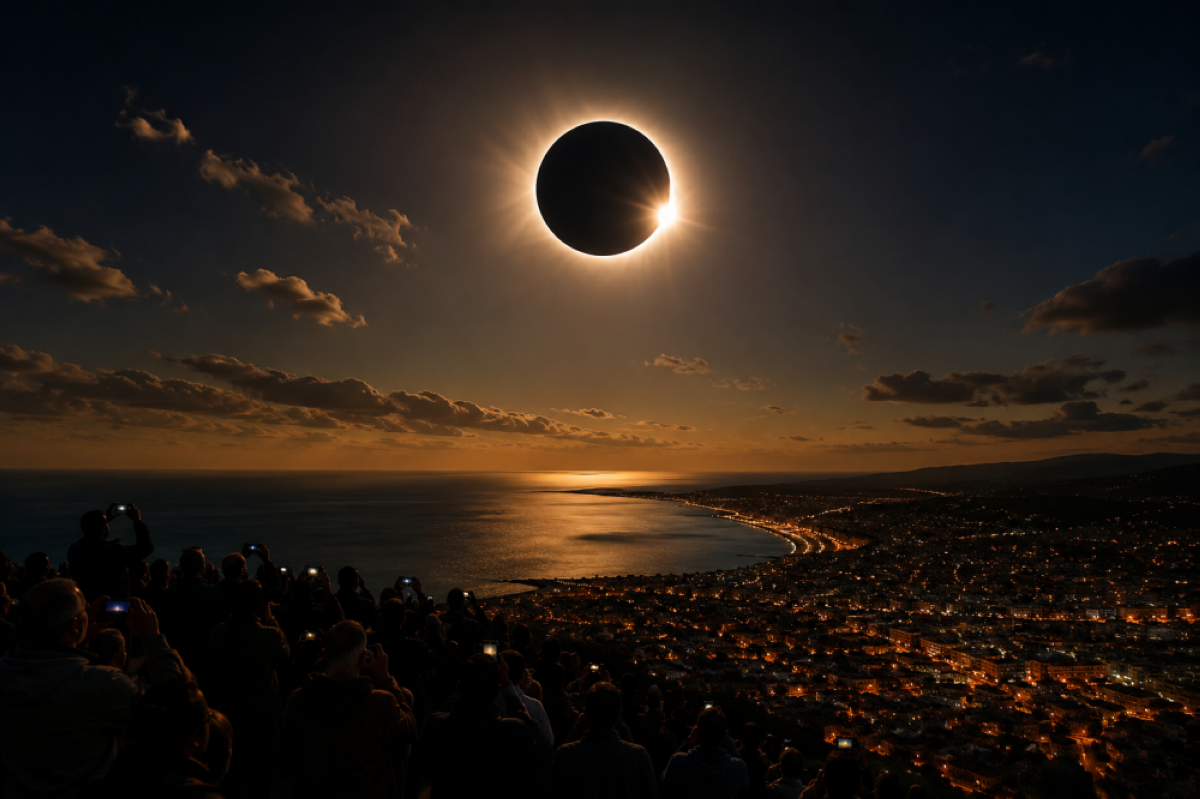
بعد أسابيع قليلة، سيكون عشاق الفلك على موعد مع واحد من أكثر الأحداث السماوية تميزا في عام 2026، إذ يشهد يوم 12 أغسطس كسوفًا شمسيًا كليًا يعبر غرينلاند وأيسلندا وشمال إسبانيا، قبل أن تتزين السماء بعد ساعات بذروة زخات شهب البرشاويات، في مشهد يجمع ظاهرتين فلكيتين نادرتين خلال يوم واحد.

ويُعد هذا الكسوف أول كسوف شمسي كلي يُشاهد من أوروبا منذ عام 1999، ما يجعله حدثًا استثنائيًا ينتظره العلماء وهواة التصوير ومراقبو السماء، بينما تستعد مدن ومناطق تقع على مساره لاستقبال آلاف الزوار الراغبين في مشاهدة لحظة اختفاء الشمس وتحول النهار إلى ظلام مؤقت.

كسوف يحجب الشمس بالكامل

يحدث الكسوف الشمسي الكلي عندما يصطف القمر بين الأرض والشمس بصورة دقيقة، فيغطي قرص الشمس بالكامل لبضع دقائق، لتظهر الهالة البيضاء المضيئة المعروفة باسم الإكليل الشمسي، وهي الطبقة الخارجية للشمس التي لا يمكن رؤيتها في الظروف الطبيعية بسبب شدة سطوعها.

ويمنح هذا المشهد العلماء فرصة ثمينة لدراسة الغلاف الخارجي للشمس ونشاطها المغناطيسي، كما يسمح برصد تأثيرات الكسوف على الغلاف الجوي وسلوك الكائنات الحية خلال الدقائق التي يتحول فيها النهار إلى شبه ليل.

أفضل مواقع المشاهدة

سيبدأ مسار الكسوف الكلي فوق غرينلاند، ثم يعبر أيسلندا قبل أن يصل إلى شمال إسبانيا، حيث سيتمكن الموجودون داخل شريط الكسوف من مشاهدة الشمس وهي تختفي بالكامل خلف القمر.

وتعد حديقة سنايفيلسيوكول الوطنية في أيسلندا من أبرز المواقع لمتابعة الظاهرة، بينما تستعد مدن إسبانية مثل خيخون، ولا كورونيا، وبورغوس، وبالنسيا، إضافة إلى جزيرة مايوركا، لاستقبال أعداد كبيرة من الزوار، مع توقعات بأن توفر الأجواء الصيفية الصافية في إسبانيا ظروفًا مثالية للرصد.

أما خارج المسار الكلي، فستشهد معظم أنحاء أوروبا كسوفًا جزئيًا عميقًا، إذ سيُحجب أكثر من 90% من قرص الشمس في بعض المدن، بما في ذلك لندن وباريس ومدريد ولشبونة ودبلن، بينما سيكون الكسوف محدودًا في شرق أمريكا الشمالية.

وبعد الغروب... تبدأ شهب البرشاويات

ولا ينتهي العرض الفلكي بانتهاء الكسوف، إذ تتزامن الليلة نفسها مع ذروة زخات شهب البرشاويات، إحدى أشهر زخات الشهب السنوية وأكثرها نشاطًا، ما يمنح هواة الرصد فرصة نادرة لمشاهدة ظاهرتين سماويتين بارزتين خلال أقل من 24 ساعة، وفقا لموقع"space".

وينصح الخبراء بالتوجه إلى أماكن بعيدة عن التلوث الضوئي، مثل الجبال أو السواحل أو مناطق التخييم، مع تجهيز مقاعد مريحة وملابس دافئة، لأن ليلة ذروة البرشاويات تُعد من أكثر ليالي الرصد ازدحامًا كل عام.

تحذير مهم

ورغم روعة المشهد، يؤكد علماء الفلك أن النظر مباشرة إلى الشمس أثناء الكسوف الجزئي أو الكلي قبل اكتماله، دون استخدام نظارات كسوف معتمدة أو مرشحات شمسية مخصصة، قد يسبب أضرارًا دائمة للعين. كما يجب عدم تصوير الشمس بكاميرات أو تلسكوبات غير مزودة بفلاتر شمسية مخصصة.

solar_eclipseastronomyspace
الخبر متوفّر باللغات التالية:English
المصدر الأصلي للخبر
البيان

Darkness Engulfs the Sun: The Historic Total Solar Eclipse

July 19, 2026·Al Bayan
Darkness Engulfs the Sun: The Historic Total Solar Eclipse


After a few weeks, astronomy enthusiasts will be treated to one of the most remarkable celestial events in 2026. On August 12, there will be a total solar eclipse that will cross Greenland, Iceland and northern Spain before the sky is adorned hours later by the peak of the Perseids meteor shower, combining two rare astronomical phenomena within a single day.

This eclipse marks the first total solar eclipse visible from Europe since 1999. It is an exceptional event that scientists, photographers and stargazers are eagerly awaiting. Cities and regions located on its path are preparing to welcome thousands of visitors eager to witness the moment when the sun disappears and day turns into temporary darkness.

Total solar eclipse

A total solar eclipse occurs when the moon aligns precisely between the Earth and the sun, covering the entire disk of the sun for a few minutes. The bright white halo known as the solar corona, which is the outer layer of the sun that cannot be seen under normal conditions due to its intense brightness, becomes visible.

This phenomenon provides scientists with a valuable opportunity to study the sun's outer atmosphere and magnetic activity. It also allows them to observe the effects of the eclipse on the atmosphere and the behavior of living organisms during the minutes when day turns into semi-night.

Best viewing locations

The total solar eclipse will begin over Greenland, then cross Iceland before reaching northern Spain, where those within the path of the eclipse will be able to see the sun completely disappear behind the moon.

Iceland’s Snæfellsjökull National Park is one of the best places to watch this phenomenon, while Spanish cities such as Gijón, La Coruña, Burgos and Valencia, plus the island of Mallorca, are preparing for a large influx of visitors. It is expected that the clear summer weather in Spain will provide ideal conditions for observation.

Outside the path of the total eclipse, most of Europe will experience a deep partial eclipse, with more than 90% of the sun’s disk obscured in some cities, including London, Paris, Madrid, Lisbon and Dublin. The eclipse will be limited to eastern North America.

After sunset... Perseids meteor shower begins

The astronomical show does not end with the eclipse; that very same night coincides with the peak of the Perseids meteor shower, one of the most famous and active annual showers. This gives astronomers a rare opportunity to observe two prominent celestial phenomena within less than 24 hours, according to the website “space”.

Experts advise heading to places far from light pollution, such as mountains or coastlines or camping areas, with comfortable chairs and warm clothing. The Perseids peak night is one of the busiest nights for observation each year.

Important warning

Despite the beauty of the scene, astronomers warn that looking directly at the sun during a partial or total solar eclipse before it is complete without using approved eclipse glasses or specialized solar filters can cause permanent eye damage. It should also not be photographed with cameras or telescopes without special solar filters.

solar_eclipseastronomyspace
This article is also available in:العربية
Original source article
Al Bayan