ثمن السرعة.. لماذا ترتفع حرارة الهواتف الذكية أثناء الشحن السريع؟
20 يوليو 2026·البيان
ثمن السرعة.. لماذا ترتفع حرارة الهواتف الذكية أثناء الشحن السريع؟
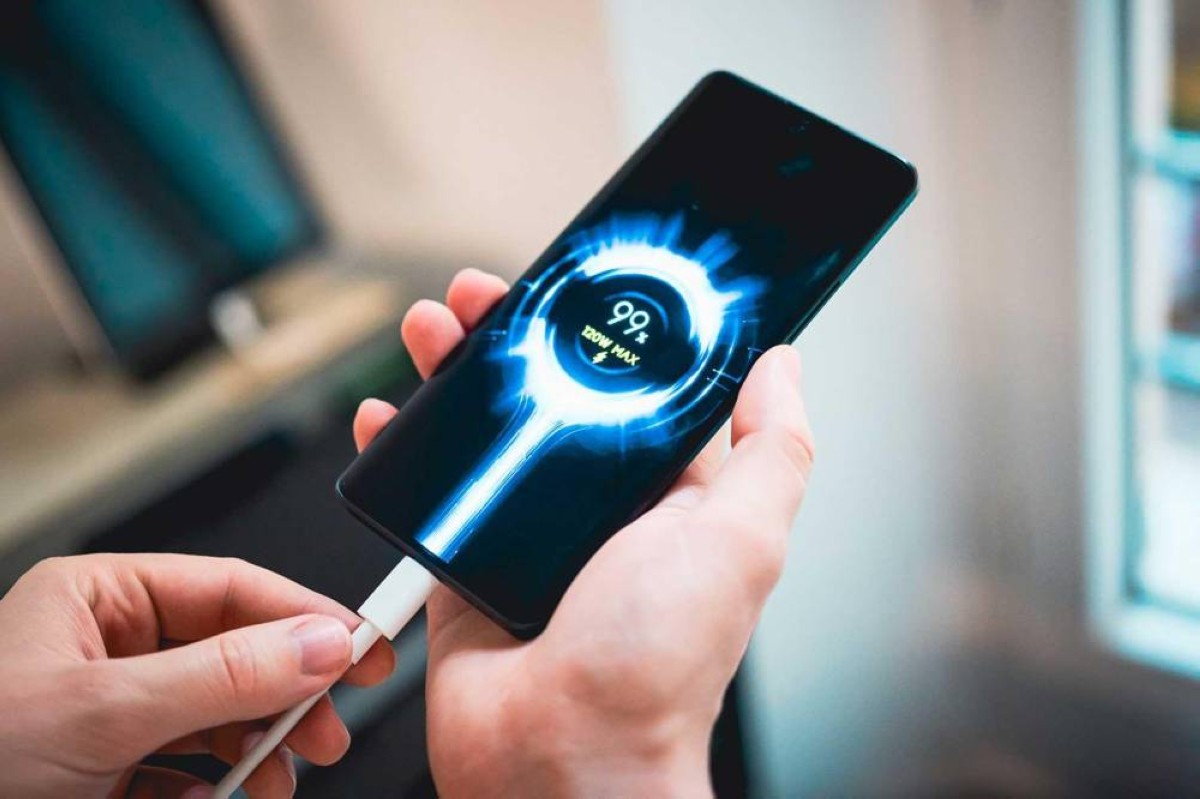
تتنافس كبرى شركات الهواتف العالمية، في توفير شاحن سريع للمستخدم، يعمل على شحن البطارية بطريقة أسرع وفي وقت أقل، فبعد أن كان شحن الهاتف يستغرق ساعات، أصبح بالإمكان الوصول إلى شحن كامل للهاتف في دقائق معدودة.

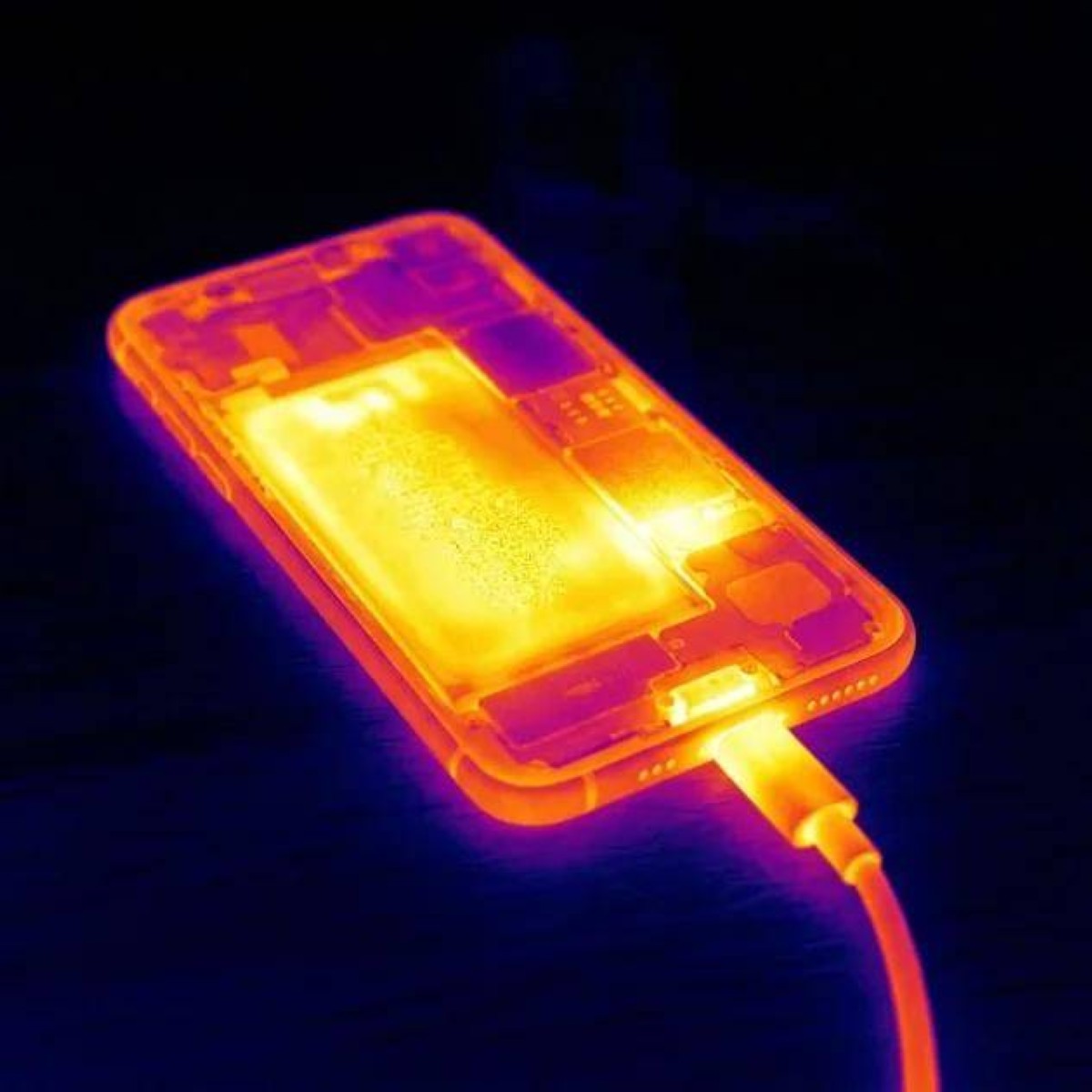
رغم هذه الطفرة الكبيرة في الشحن إلا أن هذه السرعة تأتي مع ظاهرة يلاحظها معظم المستخدمين، وهي ارتفاع حرارة الهاتف أثناء الشحن، ما يدفع البعض إلى التساؤل عما إذا كان ذلك يشير إلى وجود خلل أو خطر على البطارية.

ويؤكد خبراء الطاقة والإلكترونيات أن ارتفاع حرارة الهاتف خلال الشحن السريع يعد أمراً طبيعياً في معظم الحالات، لأنه نتيجة مباشرة لعملية نقل كميات كبيرة من الطاقة الكهربائية وتحويلها داخل الجهاز، وليس دليلاً على وجود عطل، طالما بقيت الحرارة ضمن الحدود التي صممها المصنع وفق techwhyexplained.

تحويل الطاقة يولد حرارة

تبدأ رحلة الطاقة من مقبس الكهرباء، حيث يحول الشاحن التيار المتردد إلى تيار مستمر بجهد أعلى من الجهد الذي تحتاج إليه البطارية، ثم تنتقل هذه الطاقة عبر الكابل إلى الهاتف.

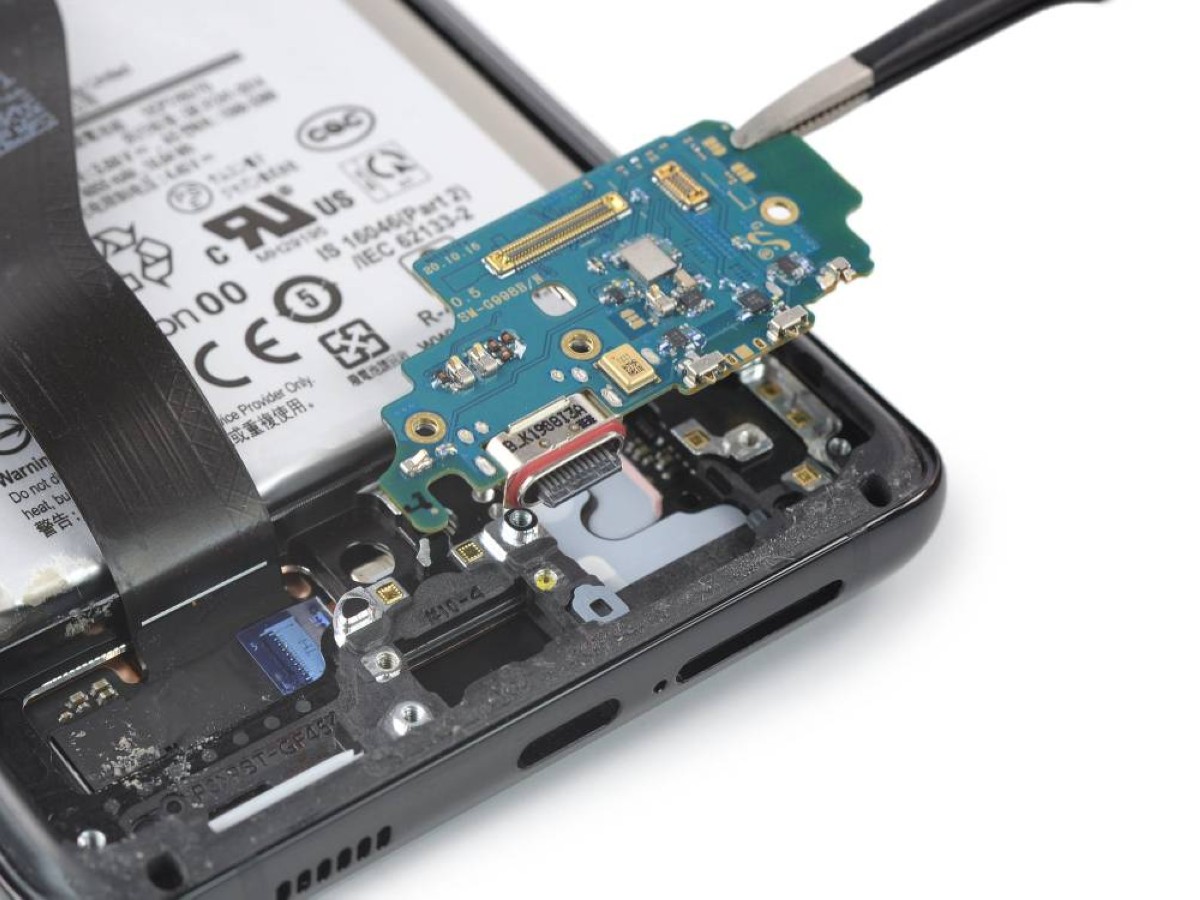
داخل الجهاز تتولى دائرة إلكترونية تعرف باسم دائرة إدارة الطاقة مهمة خفض الجهد إلى المستوى المناسب لشحن بطارية الليثيوم أيون، التي تعمل عادة بجهد يتراوح بين 3.7 و4.4 فولتات.

ورغم التطور الكبير في كفاءة هذه الدوائر، فإنها لا تستطيع تحويل الطاقة بكفاءة كاملة، إذ يُفقد جزء صغير منها على هيئة حرارة، وكلما ارتفعت قدرة الشحن، سواء 65 أو 80 أو 100 واط، ازدادت كمية الحرارة المفقودة الناتجة عن هذه العملية.

المقاومة الكهربائية تضاعف السخونة

لا تقتصر الحرارة على عملية تحويل الجهد فقط، بل تنتج أيضاً عن مرور التيار الكهربائي داخل مكونات الهاتف.

الكابل، ومنفذ الشحن، والدوائر الإلكترونية، وحتى البطارية نفسها، تمتلك جميعها مقاومة كهربائية طبيعية، وعند مرور تيار مرتفع خلال الشحن السريع، تتحول نسبة من الطاقة إلى حرارة وفق قانون جول، الذي ينص على أن الطاقة الحرارية تزداد بشكل كبير مع زيادة شدة التيار.

ولهذا السبب يكون الهاتف أكثر دفئاً في المراحل الأولى من الشحن، قبل أن تبدأ سرعة الشحن في الانخفاض تدريجياً عند اقتراب البطارية من الامتلاء.

حرارة البطارية

تحدث داخل البطارية عملية كيميائية معقدة، إذ تنتقل أيونات الليثيوم بين القطبين لتخزين الطاقة، وعندما تتم هذه العملية بسرعة كبيرة كما في الشحن السريع، تزداد حركة الأيونات داخل الإلكتروليت، ما يؤدي إلى توليد حرارة إضافية نتيجة الاحتكاك والتفاعلات الكيميائية.

إضافة إلى أن البطاريات القديمة أو التي تعرضت لدورات شحن كثيرة تمتلك مقاومة داخلية أعلى، ولذلك ترتفع حرارتها بصورة أكبر مقارنة بالبطاريات الجديدة عند استخدام الشاحن نفسه.

الهاتف يراقب نفسه

زودت الشركات المصنعة الهواتف بعدد من مستشعرات الحرارة التي تراقب درجات الحرارة في مختلف أجزاء الجهاز وذلك لمنع أي تأثير سلبي على البطارية، .

وعندما تقترب الحرارة من الحدود الآمنة، يخفض الهاتف تلقائياً سرعة الشحن ويطلب من الشاحن تقليل الطاقة المرسلة، وهي عملية تعرف باسم الإدارة الحرارية.

يلاحظ كثير من المستخدمين أن الهاتف يشحن بسرعة كبيرة في البداية، ثم تصبح العملية أبطأ مع مرور الوقت أو عند استخدام تطبيقات وألعاب تستهلك المعالج أثناء الشحن.

الشحن فائق السرعة

مع ظهور شواحن بقدرات تتجاوز 100 واط، اتجهت الشركات إلى تطوير تصميم البطارية نفسها بدلاً من الاعتماد على خلية واحدة.

وتستخدم العديد من الهواتف الرائدة حالياً بطاريات ثنائية الخلايا، حيث يتم تقسيم الطاقة القادمة من الشاحن بين خليتين تعملان في الوقت نفسه، ما يقلل التيار المار داخل كل خلية ويخفض كمية الحرارة الناتجة، مع الحفاظ على سرعة الشحن المرتفعة.

كما تعتمد بعض الأجهزة على تقنيات مثل مضخات الشحن وأنظمة توزيع الطاقة، التي تساعد على تحسين الكفاءة وتقليل الفاقد الحراري.

متى يكون القلق؟

يرى الخبراء أن الشعور بدفء الهاتف أثناء الشحن السريع أمر طبيعي، لكن هناك علامات تستوجب التوقف عن استخدام الشاحن أو مراجعة مركز الصيانة، مثل ارتفاع الحرارة إلى درجة يصعب معها الإمساك بالجهاز، أو ظهور رسائل تحذير متكررة، أو انبعاث رائحة غير طبيعية، أو حدوث انتفاخ في البطارية.

وينصح أيضاً باستخدام الشاحن الأصلي أو الشواحن المعتمدة، وعدم تغطية الهاتف أثناء الشحن، وتركه على سطح صلب يسمح بتبديد الحرارة، إضافة إلى تجنب تشغيل الألعاب أو التطبيقات الثقيلة أثناء الشحن السريع، لأن حرارة المعالج تتراكم مع حرارة البطارية وتؤدي إلى تقليل سرعة الشحن أو زيادة الضغط على مكونات الجهاز.

صممت الهواتف الحديثة للتعامل واستيعاب عملية الشحن السريع، حيث تتولد حرارة أكبر مقارنة بالشحن التقليدي، لذلك تحتوي هذه الهواتف على منظومة متكاملة من الدوائر الإلكترونية، وأجهزة الاستشعار، وأنظمة الحماية، ما يجعل ارتفاع الحرارة جزءاً طبيعياً من عملية نقل الطاقة، وليس مؤشراً على وجود مشكلة، ما دامت درجات الحرارة بقيت ضمن الحدود التي حددتها الشركة المصنعة.

phoneschargingtechnology
الخبر متوفّر باللغات التالية:English
المصدر الأصلي للخبر
البيان

The Price of Speed: Why Do Smartphones Get Hot During Fast Charging?

July 20, 2026·Al Bayan
The Price of Speed: Why Do Smartphones Get Hot During Fast Charging?

The world’s leading smartphone companies are competing to provide users with a fast charger that can charge the battery faster and in less time, as charging a phone used to take hours but now it is possible to reach a full charge in just minutes.

Despite this significant leap in charging speed, this rapidity comes with a phenomenon most users notice: an increase in the phone’s temperature during charging. This leads some people to wonder if that indicates a malfunction or danger for the battery.

Energy and electronics experts confirm that the rise in the phone’s temperature during fast charging is normal in most cases, as it is a direct result of the process of transferring large amounts of electrical energy and converting them within the device. It is not an indication of a malfunction, as long as the heat remains within the limits set by the manufacturer according to techwhyexplained.

Energy conversion generates heat

The energy journey begins at the power outlet, where the charger converts alternating current to direct current with a higher voltage than what the battery needs. This energy then travels through the cable to the phone.

Inside the device, an electronic circuit known as the power management circuit is responsible for reducing the voltage to the appropriate level for charging the lithium-ion battery, which typically operates at a voltage between 3.7 and 4.4 volts.

Despite significant advancements in the efficiency of these circuits, they cannot convert energy with 100% efficiency; a small portion is lost as heat. The higher the charging capacity, whether 65, 80, or 100 watts, the more heat is lost from this process.

Electrical resistance doubles the heating

Heat is not only produced during voltage conversion but also due to the flow of electrical current through the phone components.

The cable, charging port, electronic circuits, and even the battery itself have natural electrical resistance. When a high current flows during fast charging, a portion of the energy is converted into heat according to Joule's Law, which states that thermal energy increases significantly with increasing current intensity.

For this reason, the phone gets warmer in the initial stages of charging before the charging speed gradually decreases as the battery approaches full capacity.

Battery heat

A complex chemical process takes place inside the battery, as lithium ions move between the electrodes to store energy. When this process occurs too quickly, such as with fast charging, the movement of ions within the electrolyte increases, generating additional heat due to friction and chemical reactions.

Moreover, older batteries or those that have undergone many charge cycles possess higher internal resistance, causing them to heat up significantly more than new batteries when using the same charger.

The phone monitors itself

Manufacturers have equipped phones with multiple temperature sensors that monitor temperatures in various parts of the device to prevent any negative impact on the battery.

When heat approaches safe limits, the phone automatically reduces charging speed and requests the charger to decrease the power sent. This process is known as thermal management.

Many users notice that the phone charges quickly at first, then the process slows down over time or when using applications and games that consume the processor during charging.

Superfast charging

With the emergence of chargers with capacities exceeding 100 watts, companies have turned to developing battery design itself rather than relying on a single cell.

Many flagship smartphones currently use dual-cell batteries, where the energy from the charger is divided between two cells that operate simultaneously. This reduces the current flowing through each cell and minimizes the amount of heat generated while maintaining high charging speeds.

Some devices also rely on technologies such as charging pumps and power distribution systems to enhance efficiency and reduce thermal losses.

When should you be concerned?

Experts say that feeling warmth in the phone during fast charging is normal, but there are signs that indicate stopping use of the charger or seeking maintenance assistance. These include: high temperatures making it difficult to hold the device; repeated warning messages; an unusual smell; and battery swelling.

It is also recommended to use the original charger or certified chargers, avoid covering the phone while charging, place it on a solid surface that allows heat dissipation, and refrain from running heavy games or applications during fast charging. This is because the processor's heat combines with the battery's heat, leading to reduced charging speed or increased stress on device components.

Modern smartphones are designed to handle fast charging, which generates more heat than traditional charging. Therefore, these phones have an integrated system of electronic circuits, sensors, and protection systems, making the increase in temperature a natural part of the power transfer process, rather than an indicator of a problem, as long as the temperatures remain within the limits set by the manufacturer.

phoneschargingtechnology
This article is also available in:العربية
Original source article
Al Bayan