قبل إديسون بآلاف السنين.. لغز القطعة التي أشعلت جدل الكهرباء
19 يوليو 2026·البيان
قبل إديسون بآلاف السنين.. لغز القطعة التي أشعلت جدل الكهرباء

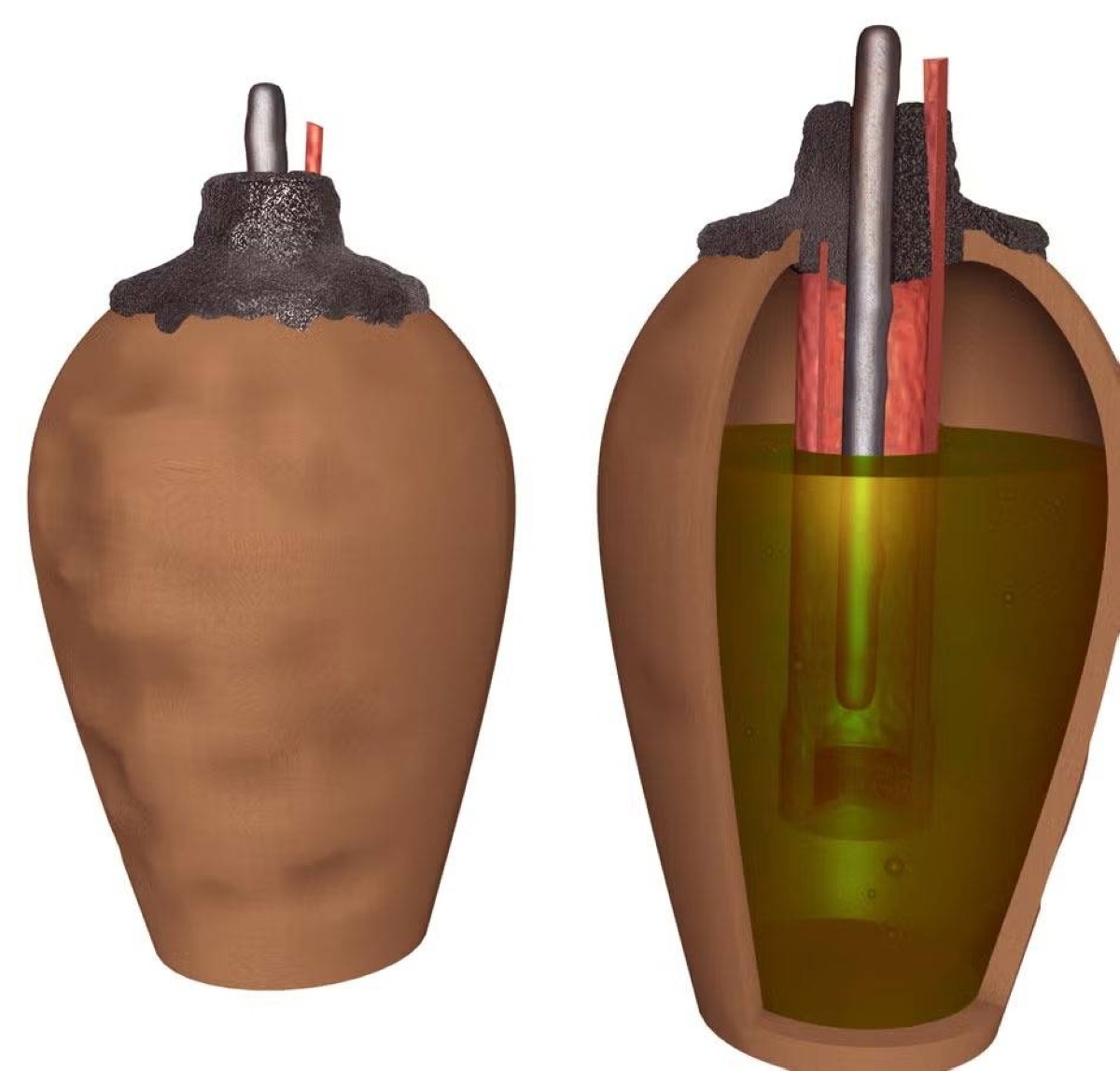
قبل عصر توماس إديسون وقبل ظهور المصباح الكهربائي والبطارية الحديثة، تركت قطعة أثرية صغيرة عُثر عليها قرب بغداد العلماء أمام لغز محير. فقد بدت الجرة الفخارية، التي تحتوي على أسطوانة نحاسية وقضيب حديدي، وكأنها تشبه تصميم خلية كهربائية بدائية، ما أثار جدلا واسعا حول طبيعتها واستخدامها الحقيقي.

ومنذ ظهور هذه الفرضية، تحولت الجرة الصغيرة إلى محور نقاش طويل بين العلماء، إذ اعتبرها البعض دليلًا محتملًا على معرفة قديمة بمبادئ الكهرباء، في حين أكد آخرون أن وظيفتها الحقيقية ربما كانت مرتبطة بطقوس وممارسات يومية لا علاقة لها بالطاقة الكهربائية.

هذه القطعة تعود إلى الفترة بين القرن الأول قبل الميلاد والقرن الثالث الميلادي تقريبا، بينما لم تُكتشف إلا عام 1936 بالقرب من بغداد، ما جعلها واحدة من أكثر الآثار إثارة للجدل في تاريخ البحث الأثري.

منذ فجر الحضارات، اعتاد البشر التكيف مع الحياة دون كهرباء أو تقنيات حديثة، ورغم ذلك نجحوا في تشييد مدن عظيمة وإنجاز أعمال هندسية ما زالت تبهر العالم حتى اليوم. لكن اكتشافا أثريا غامضا بالقرب من بغداد فتح الباب أمام فرضية مثيرة للجدل، مفادها أن الإنسان القديم ربما عرف مبادئ توليد الكهرباء قبل أكثر من ألفي عام، أي قبل اختراع البطارية الحديثة بقرون طويلة.

بدأت القصة عام 1936 عندما عثر عمال في منطقة خوجوت رابو، القريبة من أطلال مدينة قطسيفون، العاصمة القديمة للإمبراطوريتين البارثية والساسانية، على جرة فخارية تضم أسطوانة نحاسية مغلقة بمادة البيتومين، وفي داخلها قضيب حديدي. وقد أثار هذا التركيب غير المألوف اهتمام مدير متحف العراق آنذاك، العالم الألماني فيلهلم كونيغ، الذي اقترح أن القطعة ربما كانت خلية جلفانية بدائية قادرة على إنتاج تيار كهربائي.

ورغم أن القطعة الأصلية فُقدت خلال نهب متحف العراق عام 2003، فإن الصور والرسومات التي وثقها كونيغ سمحت للباحثين بإعادة تصنيع نماذج مطابقة لها. وأظهرت التجارب أن هذه النماذج تستطيع بالفعل إنتاج جهد كهربائي يتراوح بين 0.8 و2 فولت عند ملئها بمحاليل حمضية مثل الخل أو عصير الليمون، وهو ما أعاد إشعال الجدل حول وظيفتها الحقيقية.

وفي عام 2005، اختبر برنامج MythBusters الفكرة عمليا، حيث وصل عشرة نماذج من بطارية بغداد معًا مستخدمًا عصير الليمون كمحلول إلكتروليتي، وتمكن من توليد نحو 4.5 فولت، ما أثبت أن التصميم قادر نظريًا على إنتاج الكهرباء، لكنه لم يثبت أن هذا كان الغرض الذي صُنعت من أجله.

وفي محاولة لتقديم تفسير جديد، نشر الباحث المستقل ألكسندر بازيس دراسة اقترح فيها أن الجرة كانت تضم نظاما كهربائيا أكثر تعقيدا مما كان يُعتقد سابقًا. ووفقًا لنظريته، فإن الطين عمل كفاصل مسامي بين خليتين كهربائيتين متصلتين على التوالي، ما مكنهما من إنتاج نحو 1.4 فولت، وهي قيمة كافية لإحداث تفاعلات كيميائية مثل الطلاء الكهربائي أو التحليل الكهربائي لبعض المعادن.

لكن هذه الفرضيات لا تزال تواجه اعتراضات قوية من علماء الآثار. إذ يؤكد الباحث ويليام ب. هافورد من متحف جامعة بنسلفانيا أن الأدلة الأثرية لا تدعم فكرة استخدام الجرة كبطارية، موضحًا أن القطعة لا تحتوي على أسلاك أو أي وسيلة عملية لتوصيل دائرة كهربائية خارجية، كما أن بعض النماذج المكتشفة تضم أكثر من أسطوانة نحاسية، وهو تصميم لا يتوافق مع عمل البطاريات المعروفة.

وتذهب عالمة الآثار إليزابيث ستون إلى أبعد من ذلك، مؤكدة أنها لا تعرف أي متخصص بارز في هذا المجال يتبنى فرضية أن الجرة كانت بطارية بالفعل، معتبرة أن التفسيرات الأخرى أكثر اتساقًا مع الأدلة التاريخية والأثرية.

ويستند هذا الرأي إلى أن هذه الأواني عُثر عليها بالقرب من أوعية تعاويذ وطقوس دينية كانت شائعة في المنطقة خلال تلك الفترة. لذلك يرى عدد من الباحثين أنها ربما استُخدمت لحفظ نصوص دينية أو قرابين، بينما كان القضيب الحديدي يؤدي دور المسمار لإغلاق الوعاء، وليس قطبًا كهربائيًا. كما يشبهها بعض العلماء بما يُعرف في أوروبا لاحقًا بـ"زجاجات الساحرات"، التي كانت تُستخدم في طقوس يُعتقد أنها تحبس الأرواح الشريرة وتوفر الحماية،بحسب تقريرٍ لموقع "History".

ورغم مرور عقود على اكتشاف بطارية بغداد، لا يزال الجدل قائمًا بين من يعتقد أنها تمثل أول محاولة بشرية لاستغلال الكهرباء، ومن يرى أنها مجرد جرة طقسية أسيء تفسيرها. وحتى اليوم، لا توجد أدلة حاسمة تحسم هذا اللغز، ما يجعل القطعة واحدة من أكثر الاكتشافات الأثرية إثارة للجدل، ويترك الباب مفتوحًا أمام المزيد من الدراسات التي قد تكشف يومًا ما الحقيقة الكاملة وراء هذا الأثر الغامض.

考古学电池电灯
الخبر متوفّر باللغات التالية:English
المصدر الأصلي للخبر
البيان

Before Edison by thousands of years... the mystery of the piece that sparked electricity controversy

July 19, 2026·Al Bayan
Before Edison by thousands of years... the mystery of the piece that sparked electricity controversy

Before the era of Thomas Edison and before the appearance of the electric light bulb and modern batteries, a small artifact found near Baghdad left scientists with a perplexing puzzle. The earthenware jar, containing a copper cylinder and an iron rod, seemed to resemble the design of a primitive electrical cell, sparking widespread debate about its nature and true purpose.

Since this hypothesis emerged, the small jar has become the focal point of lengthy discussions among scientists. Some consider it a potential proof of ancient knowledge of electrical principles, while others assert that its true function may have been related to rituals and daily practices unrelated to electrical energy.

This artifact dates back to approximately between 1 BC and the 3rd century AD, yet it was only discovered in 1936 near Baghdad, making it one of the most controversial archaeological finds in the history of research.

Since the dawn of civilizations, humans have been accustomed to living without electricity or modern technology. Despite this, they managed to build great cities and accomplish engineering feats that still astonish the world today. However, a mysterious archaeological discovery near Baghdad has opened the door to a controversial hypothesis: that ancient man may have known the principles of electrical generation over two thousand years ago, long before the invention of the modern battery.

The story began in 1936 when workers in the Khujut Rabu region, near the ruins of the city of Ctesiphon, the ancient capital of the Parthian and Sassanid empires, found a clay jar containing a copper cylinder sealed with bitumen, inside which was an iron rod. This unusual assembly piqued the interest of the director of the Iraq Museum at the time, German scholar Wilhelm König, who suggested that the piece might be a primitive galvanic cell capable of producing an electric current.

Although the original piece was lost during the looting of the Iraq Museum in 2003, the photographs and drawings documented by König allowed researchers to recreate replicas. Experiments showed that these replicas could indeed produce an electrical potential ranging from 0.8 to 2 volts when filled with acidic solutions such as vinegar or lemon juice, reigniting debate about its true function.

In 2005, the MythBusters program tested the idea in practice by connecting ten replicas of the Baghdad battery together using lemon juice as an electrolyte. They were able to generate around 4.5 volts, proving that the design is theoretically capable of producing electricity. However, it did not prove that this was the purpose for which it was made.

In an attempt to provide a new explanation, independent researcher Alexander Bazis published a study in which he suggested that the jar contained a more complex electrical system than previously thought. According to his theory, the clay acted as a porous insulator between two electrically connected cells in series, enabling them to produce around 1.4 volts, which is sufficient to cause chemical reactions such as electroplating or electrolysis of certain metals.

However, these hypotheses still face strong objections from archaeologists. Researcher William B. Havard from the University of Pennsylvania Museum asserts that archaeological evidence does not support the idea of using the jar as a battery, explaining that the piece does not contain wires or any practical means to connect an external electrical circuit. Some of the discovered models also include more than one copper cylinder, which is a design that does not match the operation of known batteries.

Archaeologist Elizabeth Stone goes further, stating that she does not know any prominent specialist in this field who supports the hypothesis that the jar was actually a battery. She considers other explanations to be more consistent with historical and archaeological evidence.

This opinion is based on the fact that these vessels were found near ritual and religious vessels that were common in the region during that period. Therefore, some researchers believe they may have been used to store religious texts or offerings, while the iron bar served as a nail to close the vessel, not an electric pole. Some scientists also compare them to what is known in Europe later as "witches' bottles," which were used in rituals believed to trap evil spirits and provide protection, according to a report on the website “History”.

Despite decades having passed since the discovery of the Baghdad Battery, the debate remains between those who believe it represents the first human attempt to exploit electricity and those who see it as just a ritual vessel that has been misinterpreted. To this day, there is no conclusive evidence to solve this mystery, making the artifact one of the most controversial archaeological discoveries, leaving the door open for further studies that may one day reveal the full truth behind this enigmatic artifact.

考古学电池电灯
This article is also available in:العربية
Original source article
Al Bayan