لدينا تفاصيل أكثر عن سماعات أبل اللاسلكية المزودة بكاميرا وهي غريبة حقا
21 أغسطس 2026·إنجاجيت
لدينا تفاصيل أكثر عن سماعات أبل اللاسلكية المزودة بكاميرا وهي غريبة حقا

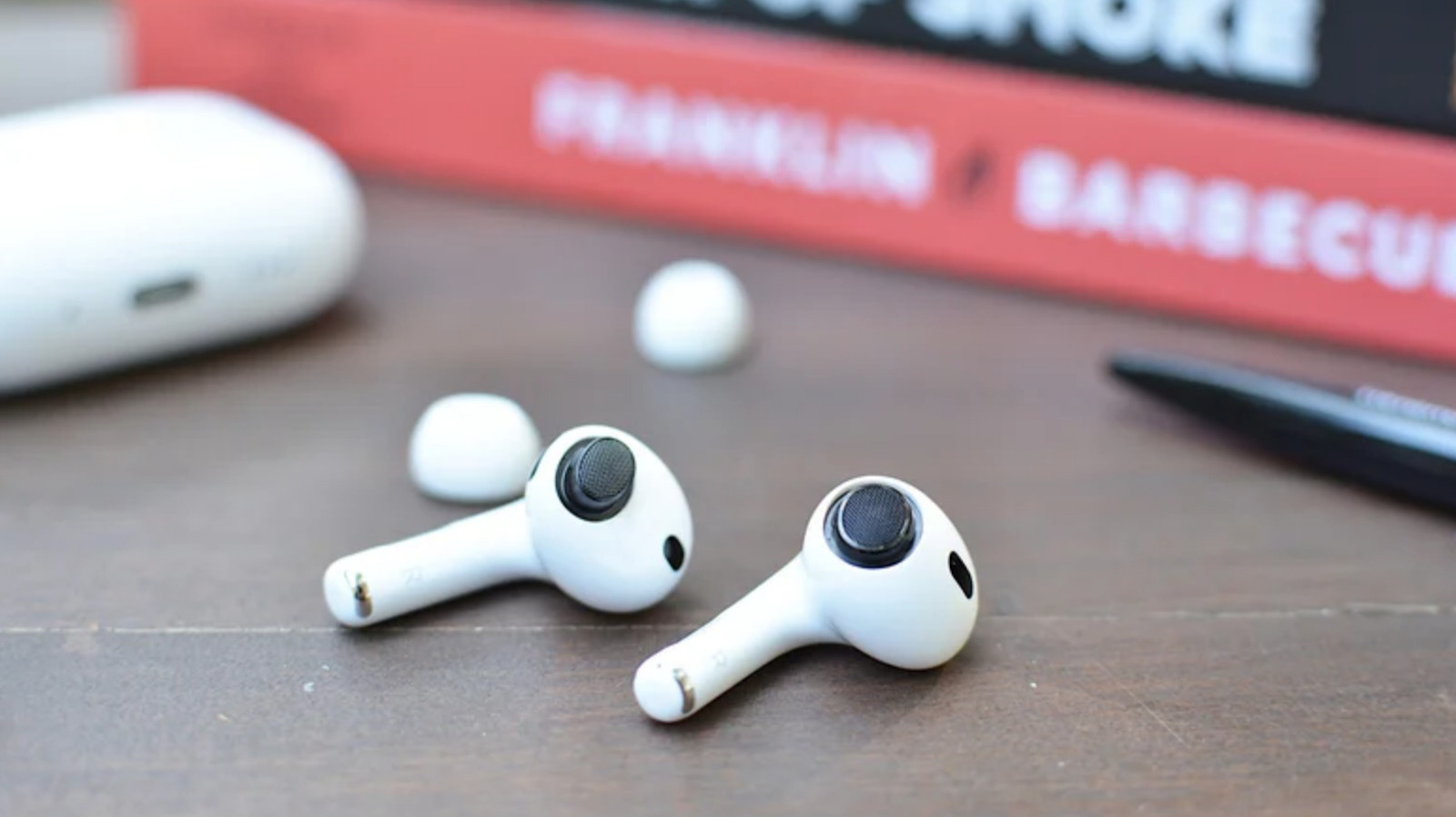
يأخذ كل سماعة أذن صورة خاصة بها، والتي يتم تزامنها بعد ذلك لاستخدام الذكاء البصري.

بقلم لورانس بونك 21 أغسطس 2026 12:00 مساءً بتوقيت شرق الولايات المتحدة بيلي ستيل للإنجادجت

تسربت شركة آبل عن طريق الخطأ مقطع فيديو لسماعات الأذن الخاصة بها المزودة بالكاميرا في وقت سابق من هذا الأسبوع، وذلك بسبب نسخة تجريبية من تحديث نظام التشغيل ماك أو إس القادم. والآن لدينا معلومات أكثر عن سماعات الأذن الفريدة هذه، وذلك أيضًا بفضل الكود المخفي في النسخة المبكرة من بناء ماك أو إس تاهو 26.7.

فكرة سماعات الأذن المزودة بالكاميرا فكرة مجنونة في حد ذاتها، ولكن التفاصيل حول كيفية عملها المحتملة غريبة للغاية. سيكون لكل سماعة أذن كاميرا خاصة بها وستقوم برمجيات الذكاء البصري بتزامن الصور لتشكيل وحدة متماسكة. ستلتقط الكاميرات صورًا ثابتة من نوع RGB تصل إلى 1 ميجابكسل.

ستأخذ سماعات الأذن في الاعتبار حركة الرأس، وهو أمر ليس مفاجئًا لأن سماعات الشركة تحتوي بالفعل على العديد من أجهزة الاستشعار. ومع ذلك، هناك نوع من البرمجيات التي سترفض الصور المتأثرة بالحركة المفرطة أو بالرؤية المحجوبة. يبدو أن بعض هذه المعالجة يحدث على سماعات الأذن الفعلية، وهو أمر مثير للإعجاب، حيث يشير الكود إلى "الاستدلال الطرفي". يبدو هذا أشبه بالكشف عن الجهاز.

من الجدير بالذكر أيضًا أن Airpods لا تصور مقاطع فيديو. بدلاً من ذلك، تدعم التقاط الصور بشكل دوري. ووفقًا للتقارير، سيكون هذا كافيًا لبرنامج الذكاء البصري لفهمه.

هناك وضع نشط ووضع سلبي. يبدو أن هذا سيغير دقة الصورة قليلاً، حيث ينتج الوضع النشط صورًا ذات جودة أعلى. من المرجح أيضًا أن كل سماعة أذن تحتوي على مصباح مؤشر للتقاط، لذا يجب على الأشخاص معرفة وقت استخدام الكاميرات.

إن مصباح مؤشر التقاط دائمًا ما يكون جيدًا من منظور الخصوصية ولكن هذه ليست نظارات ميتا. لا يُقصد بها حقًا تصوير العالم لأغراض شخصية. بل يُقصد بها تصوير العالم لاستخدام برنامج الذكاء البصري القادم من شركة آبل.

هذا جزء من مساعد الذكاء الاصطناعي المطور سيري من آبل والذي تأخر إطلاقه لفترة طويلة. ووفقًا للتقارير، سيتمكن المساعد متعدد الوضعيات من تحليل الصور المرسلة من خلال السماعات، وبإمكانه فعل أشياء بها.

في سيناريو الاستخدام الوحيد الفعلي الذي وصفته آبل في فيديو تسرب قصير، يظهر رجل يطلب من سيري تذكر كتاب ينظر إليه. ويعلن صوت من الخارج "مع الذكاء البصري، عالمك قابل للحفظ. هل ترى شيئًا يعجبك؟ فقط اطلب مني حفظه لاحقًا". يقوم الدماغ البشري بذلك أيضًا. إنها ميزة أساسية تسمى الذاكرة.

علامة استفهام كبيرة هنا هي مدى دقة الذكاء البصري عند الوصول إليه عبر سماعات الأذن، نظرًا للكاميرات ذات الطاقة المنخفضة. نماذج الذكاء الاصطناعي عرضة للأخطاء بالفعل، حتى عند معالجة بيانات نقية.

قد لا نحتاج إلى الانتظار طويلاً للحصول على الإجابات. ستعقد شركة آبل حدثها الكبير الخاص بهاتف iPhone 18 الشهر المقبل وقد نحصل على مزيد من المعلومات في ذلك الوقت، نظرًا لوجود مقطع الفيديو التوضيحي في إصدار macOS 26.7. ومع ذلك، أشار مارك غورمان من بلومبرج إلى عدم إطلاقها حتى عام 2027.

AirPodscameraVisual Intelligence
الخبر متوفّر باللغات التالية:English
المصدر الأصلي للخبر
إنجاجيت

We have more details on Apple's camera-equipped AirPods and they are pretty dang weird

August 21, 2026·Engadget
We have more details on Apple's camera-equipped AirPods and they are pretty dang weird

Each earbud takes its own image, which is then synchronized for use by Visual Intelligence.

By Lawrence Bonk Aug. 21, 2026 12:00 pm EST Billy Steele for Engadget

Apple accidentally leaked a video of its forthcoming camera-equipped AirPods earlier this week, thanks to a test version of an upcoming macOS update. Now we have even more information about the unique earbuds, also thanks to code buried in that macOS Tahoe 26.7 early build.

The idea of camera-equipped earbuds is pretty wild on its own, but the details on how this will likely work are downright weird. Each earbud will reportedly have its own camera and images will be synchronized by the Visual Intelligence software into a cohesive whole. The cameras will take RGB still images up to just 1 megapixel.

The AirPods will account for head movement, which isn't a surprise as the company's earbuds already have multiple accelerometers. However, there's some type of software that will reject images impacted by excessive movement or by an occluded view. Some of this processing looks to happen on the actual earbuds, which is impressive, as the code mentions "peripheral inference." This sounds a whole lot like on-device detection.

It's also worth noting that the AirPods do not shoot video. Instead, they support periodic image capture. This will reportedly be enough for the Visual Intelligence software to understand.

There's both an active and passive mode. This looks to change up the resolution a bit, with the active mode producing higher-quality images. It's also likely that each earbud includes a capture indicator light, so people should know when the cameras are being used.

The capture indicator light is always good from a privacy perspective but these are not Meta Glasses. They aren't really intended to take images of the world for personal use. They are intended to take images of the world for use by Apple's forthcoming Visual Intelligence software.

This is a part of Apple's long-delayed upgraded Siri AI assistant. The multimodal assistant will reportedly be able to analyze the images sent by the earbuds and, well, do stuff with them.

The only actual use case scenario described by Apple, in a short leaked video, shows a man asking Siri to remember a book he's looking at. A voiceover states "with Visual Intelligence, your world becomes saveable. See something you like? Just ask me to save it for later." The human brain also does that. It's a core feature called memory.

A major question mark here is how accurate Visual Intelligence will be when accessed by the earbuds, given the low-powered cameras. AI models are already prone to mistakes, even when processing pristine data.

We might not have all that long to wait for answers. Apple is holding its big iPhone 18 event next month and we could get more information at that point, given the demo video's presence in macOS 26.7. However, Bloomberg's Mark Gurman has suggested they won't be released until 2027.

AirPodscameraVisual Intelligence
This article is also available in:العربية
Original source article
Engadget