ما لا تستطيع الآلات تعلمه.. لماذا لن يصل الذكاء الاصطناعي إلى مستوى البشر؟
20 يوليو 2026·البيان
ما لا تستطيع الآلات تعلمه.. لماذا لن يصل الذكاء الاصطناعي إلى مستوى البشر؟

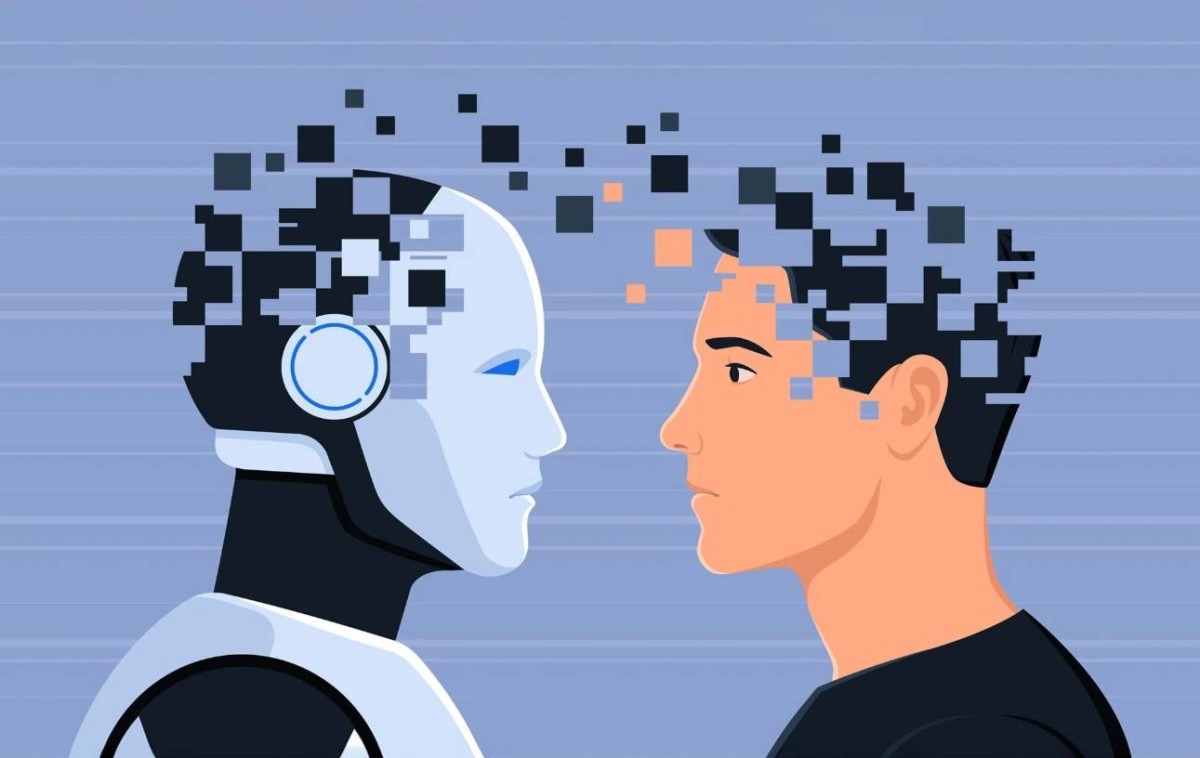
رغم التطور الهائل الذي حققه الذكاء الاصطناعي خلال السنوات الأخيرة، وظهور أنظمة قادرة على كتابة النصوص وتحليل البيانات وإنجاز مهام كانت تحتاج سابقاً إلى قدرات بشرية، يرى بعض العلماء أن هناك حدوداً تمنع الآلات من الوصول إلى مستوى الذكاء البشري الكامل.

ويستند هذا الرأي إلى تحليل جديد لعالم الحاسوب بيتر جيه دينينغ، الذي يرى أن مسار أبحاث الذكاء الاصطناعي خلال العقود الماضية بُني جزئياً على افتراضات ربما تكون غير صحيحة، أبرزها إمكانية فصل الذكاء عن الجسد البشري وتحويله بالكامل إلى برنامج حاسوبي.

ويشير دينينغ في تحليله إلى أن أفكار عالم الرياضيات البريطاني آلان تورينج، أحد مؤسسي علوم الحاسوب الحديثة، ساهمت في توجيه أبحاث الذكاء الاصطناعي نحو محاولة بناء آلات قادرة على محاكاة التفكير البشري، خصوصاً عبر ما يعرف بـ"اختبار تورينج"، الذي يقوم على معرفة ما إذا كان الإنسان يستطيع التمييز بين محادثة مع آلة وأخرى مع إنسان.

لكن دينينغ يرى أن هذا الاختبار لا يثبت امتلاك الآلة للذكاء الحقيقي، بل يختبر قدرتها على تقليد السلوك البشري فقط وفق scitechdaily.

ما لا تستطيع الآلات تعلمه

يركز التحليل على مفهوم مهم يسمى "المعرفة الضمنية"، وهي مجموعة ضخمة من الخبرات والفهم الذي يمتلكه الإنسان دون أن يكون قادراً على تحويله إلى قواعد أو تعليمات واضحة.

فالإنسان لا يعتمد فقط على المعلومات المحفوظة، بل يستخدم الحس السليم، والخبرة اليومية، والمشاعر، والتجارب الشخصية، والثقافة الاجتماعية عند اتخاذ القرارات.

ويرى دينينغ أن هذه الجوانب تمثل تحدياً كبيراً أمام الذكاء الاصطناعي، لأن الآلات تتعامل مع البيانات والرموز، بينما يعتمد الإنسان على فهم أعمق مرتبط بالتجربة والوجود الجسدي.

ويشير إلى أن محاولات العلماء خلال العقود الماضية لتسجيل المعرفة البشرية وتحويلها إلى قواعد حاسوبية لم تحقق الهدف المطلوب، ومن أبرز الأمثلة مشروع "Cyc" الذي بدأ في الثمانينيات بهدف بناء قاعدة بيانات ضخمة تضم الحقائق البديهية التي يعرفها البشر بشكل طبيعي، لكنه لم يتمكن رغم ملايين المدخلات من إعادة إنتاج الفهم الإنساني الكامل.

فرق جوهري

يرى دينينغ أن هناك فرقاً كبيراً بين "معرفة ماذا" و"معرفة كيف".

فالآلة يمكنها تخزين معلومات حول كيفية عزف مقطوعة موسيقية أو خطوات تنفيذ مهمة معينة، لكنها لا تفهم المهارة الحقيقية التي يمتلكها الإنسان أثناء الأداء.

ويقدم الموسيقى مثالاً واضحاً، فعازف الكمان المحترف يستطيع إنتاج لحن مؤثر، لكنه قد لا يكون قادراً على شرح كل التفاصيل الدقيقة التي تجعله يعزف بهذه الطريقة، مثل الإحساس بالإيقاع، والتفاعل العاطفي مع الموسيقى، والتغيرات الصغيرة التي تحدث أثناء العزف.

ويرى الباحث أن هذه المهارات مرتبطة بالجسد والمشاعر والتجربة الإنسانية، وهي أمور يصعب تحويلها إلى تعليمات برمجية.

مشكلة المعنى والسياق

من أكبر التحديات أمام الذكاء الاصطناعي، وفقاً لدينينغ، مشكلة فهم المعنى الحقيقي للكلمات.

فالنماذج اللغوية الكبيرة مثل شات جي بي تي وكلود وجيمناي، تستطيع تحليل كميات ضخمة من النصوص وإنتاج إجابات تبدو ذكية، لكنها تعتمد على معالجة الأنماط اللغوية، وليس على تجربة المعنى بالطريقة التي يعيشها الإنسان.

عندما يقول شخص عبارة معينة، فإن معناها قد يتغير حسب الموقف ونبرة الصوت والعلاقة بين الأشخاص والسياق الثقافي، وقد يفهم الإنسان السخرية أو المزاح أو الغضب بسهولة بسبب خبرته الاجتماعية، بينما تواجه الآلات صعوبة في الوصول إلى هذا الفهم العميق.

ماذا يعني ذلك؟

رغم اعتقاد دينينغ بأن الذكاء الاصطناعي قد لا يصل إلى مستوى الإنسان، فإنه يحذر من أن هذا لا يعني أنه غير قادر على إحداث مخاطر.

ويرى أن الخطر الحقيقي قد لا يكون ظهور آلة فائقة الذكاء تتجاوز البشر، بل انتشار أنظمة ذكية أقل قدرة لكنها تعمل على نطاق واسع، وتتخذ قرارات معقدة بطريقة لا يستطيع البشر فهمها أو التحكم فيها بشكل كامل.

ويؤكد أن عدم امتلاك الآلة للذكاء البشري لا يعني أنها ستتصرف دائماً بما يتوافق مع أهداف الإنسان، خصوصاً إذا كانت تفتقر إلى فهم السياق والقيم والمعاني الإنسانية.

مستقبل العلاقة بين الإنسان والآلة

يرى أصحاب هذا الاتجاه أن مستقبل الذكاء الاصطناعي لن يكون سباقاً للوصول إلى نسخة آلية من العقل البشري، بل تطوير أدوات تساعد الإنسان دون محاولة استبداله بالكامل.

فالذكاء البشري لا يعتمد فقط على الحساب والقدرة على معالجة المعلومات، بل يرتبط بالوعي والتجربة والمشاعر والثقافة والتفاعل مع العالم.

الآلات قد تصبح أكثر قدرة وسرعة في مجالات كثيرة، لكنها تبقى مختلفة جذرياً عن الإنسان، لأن الفارق الأساسي ليس في كمية المعلومات التي يمتلكها كل طرف، بل في الطريقة التي يفهم بها العالم من حوله.

AIMachineLearningArtificialIntelligence
الخبر متوفّر باللغات التالية:English
المصدر الأصلي للخبر
البيان

What Machines Can’t Learn: Why Artificial Intelligence Will Never Match Human Intelligence

July 20, 2026·Al Bayan
What Machines Can’t Learn: Why Artificial Intelligence Will Never Match Human Intelligence

Despite the tremendous progress made by artificial intelligence in recent years, and the emergence of systems capable of writing texts, analyzing data, and performing tasks that previously required human capabilities, some scientists believe there are limits preventing machines from reaching full human intelligence.

This view is based on a new analysis by computer scientist Peter J. Denning, who believes that artificial intelligence research over the past decades has been partly built on assumptions that may be incorrect, most notably the possibility of separating intelligence from the human body and fully converting it into a computer program.

Denning points out in his analysis that the ideas of British mathematician Alan Turing, one of the founders of modern computer science, have contributed to guiding artificial intelligence research towards attempting to build machines capable of simulating human thought, particularly through what is known as the "Turing Test," which relies on knowing whether a person can distinguish between a conversation with a machine and another with a human.

However, Denning believes that this test does not prove that the machine possesses real intelligence; rather, it only tests its ability to imitate human behavior, according to scitechdaily.

What machines cannot learn

The analysis focuses on an important concept called "implicit knowledge," which is a vast collection of experiences and understanding that humans possess without being able to convert them into clear rules or instructions.

Humans do not just rely on stored information, but also use common sense, daily experience, emotions, personal experiences and social culture when making decisions.

Denning believes that these aspects pose a significant challenge to artificial intelligence (AI), as machines deal with data and symbols while humans rely on a deeper understanding linked to experience and physical existence.

He notes that scientists’ attempts over the past decades to record human knowledge and convert it into computer rules have not achieved the desired goal. One of the most prominent examples is the Cyc project, which began in the 1980s with the aim of building a massive database containing the everyday facts that humans naturally know. However, despite millions of inputs, it has failed to reproduce the full human understanding.

A fundamental difference

Denning believes there is a significant difference between “knowing what” and “knowing how”.

A machine can store information about how to play a musical piece or the steps involved in performing a specific task, but it does not understand the true skill that humans possess during performance.

Music provides a clear example. A professional violinist can produce an affecting melody, but may not be able to explain all the minute details that make them play this way, such as the sense of rhythm, emotional interaction with music and small changes that occur while playing.

The researcher believes that these skills are linked to the human body, emotions, and experience, which are difficult to convert into code.

The Problem of Meaning and Context

One of the biggest challenges for artificial intelligence, according to Dingling, is understanding the true meaning of words.

Large language models like ChatGPT, Claude, and Gemini can analyze vast amounts of text and produce answers that seem intelligent, but they rely on pattern recognition in language rather than experiencing meaning in the way humans do.

When a person says something, its meaning can change depending on the situation, tone of voice, relationship between people, and cultural context. Humans can easily understand sarcasm, humor, or anger due to their social experience, while machines struggle to achieve this deep understanding.

What Does This Mean?

Although Dingling believes that artificial intelligence may not reach human levels, he warns that it does not mean it is incapable of causing harm.

He suggests that the real danger might not be the emergence of a superintelligent machine surpassing humans, but rather the widespread use of less capable intelligent systems that make complex decisions in ways that are difficult for humans to fully understand or control.

He emphasizes that the fact that a machine does not possess human intelligence does not mean it will always act in accordance with human goals, especially if it lacks an understanding of context, values and human meanings.

The future relationship between man and machine

Those who support this view believe that the future of artificial intelligence will not be a race to reach a mechanical version of the human mind, but rather the development of tools to assist humans without trying to replace them completely.

Human intelligence does not depend only on calculation and the ability to process information, but is linked to awareness, experience, emotions, culture and interaction with the world.

Machines may become more capable and faster in many areas, but they remain fundamentally different from humans because the key difference is not in the quantity of information each party possesses, but rather in how it understands the world around it.

AIMachineLearningArtificialIntelligence
This article is also available in:العربية
Original source article
Al Bayan