مدير تيسلا السابق: سيارات القيادة الذاتية الكاملة كانت "مصدر خطر"
28 يوليو 2026·إنجاجيت
مدير تيسلا السابق: سيارات القيادة الذاتية الكاملة كانت "مصدر خطر"

اتهام تسلا في دعوى قضائية جديدة بالتوسع المفرط في تشغيل مشغلي السلامة المشرفين على سياراتها ذاتية القيادة

بقلم إيان كارلوس كامبل 28 يوليو 2026 6:14 مساءً EST خوسيه جيل/شاترستوك

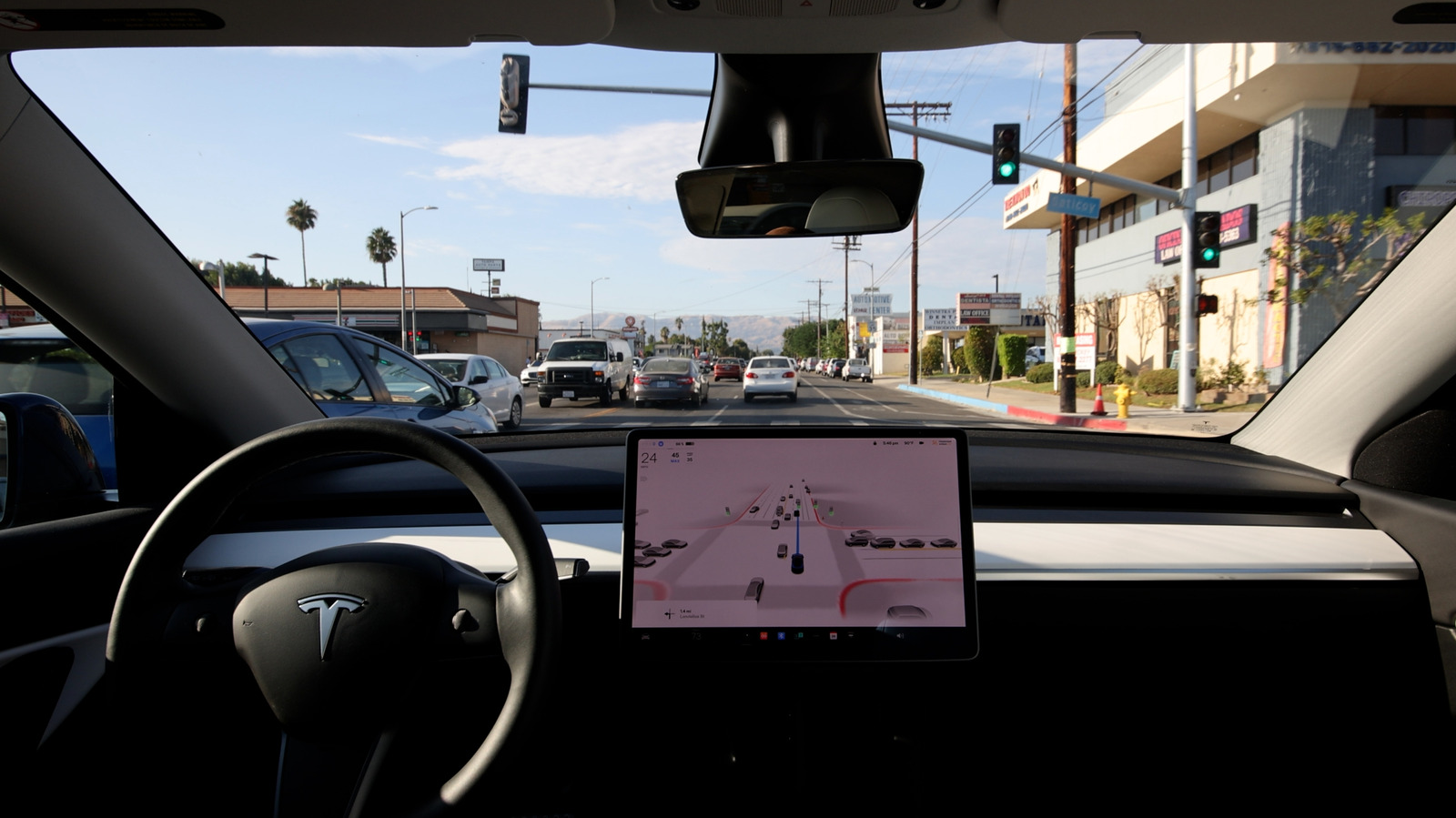
يقوم الآن مدير سابق أشرف على عمليات اختبار نظام القيادة الذاتية الكاملة لشركة تسلا في هيوستن برفع دعوى قضائية ضد الشركة بتهمة الانتقام غير القانوني بعد تصاعد المخاوف بشأن "عيوب إشراف السلامة الشامل"، وفقاً لدعوى قضائية لاحظتها صحيفة ذا إندبندنت. يدعي المدير، خافيير ميدرانو، أن عدم رغبة تسلا في تقديم موارد إضافية أو توظيف المزيد من الموظفين خلق سيناريو أصبحت فيه سيارات تسلا ذاتية القيادة "مصدر خطر متحرك في الشوارع العامة".

طلبت إنغاجيت من تسلا التعليق على الدعوى. سنقوم بتحديث هذه المقالة إذا تلقينا رد.

تنص الوثيقة على أن ميدرانو أشرف على فريق من مشغلي السلامة الذين ركبوا في سيارات تسلا المستخدمة لاختبار برنامج القيادة الذاتية الكاملة للشركة من أكتوبر 2024 إلى 1 مايو 2025. كمدير، كان من المتوقع أن "يتحقق ميدرانو بشكل نشط من مقاطع القيادة، ويُجري جولات أسبوعية، ويدير حوادث السلامة"، وأن يكون متاحًا بشكل كبير خلال أيام الأسبوع. بدأت مشاكل ميدرانو بسبب زيادة عدد المشغلين الذين كان مسؤولاً عنهم إلى 38 - وهو ما يتجاوز النسبة المئوية من 1 إلى 15 التي يدعي أن مدير نظام القيادة الذاتية في تسلا، بيتر شوتزوف، قد حددها كخط أساس.

تؤكد الدعوى القضائية أنه خلال محادثة مع شوتزوف، حاول ميدرانو التعبير عن قلقه من أن النسبة الحالية بين المديرين والتشغيليين قد تؤدي إلى "عدم نومه أو أكله بشكل صحيح"، لكن شوتزوف تجاهل الأمر حسبما تدعي الدعوى القضائية قائلاً: "لا أشعر بأنك غارق". وتؤكد الدعوى القضائية أن عدم استجابة تسلا لميدرانو أدى إلى الفشل النهائي لهيكل السلامة "الذي يفتقر للموارد" في الشركة، على شكل حادث وقع أثناء فترة مراقبة ميدرانو.

وتدعي الدعوى القضائية أن ميدرانو كان "نائماً جسدياً" أثناء معالجته للحادث، وانتهى به الأمر بتقديم "إرشادات غير آمنة" للمشغلة، مما أدى إلى بقائها في "مكان غير آمن لمدة ساعة حيث اقترب منها طرف ثالث مدعوى أنه كان تحت تأثير مخدر". وبعد الحادث، تقول الدعوى القضائية إن محاولات ميدرانو الرسمية لتصعيد قضايا السلامة التي أدت إلى الحادث وإثبات أن تسلا كانت تحجب الموارد عن منطقته في هيوستن أدت إلى فصله.

في المقابل لما يدعيه الدعوى القضائية من انتقام غير قانوني، يطلب ميدرانو العودة إلى دوره السابق والتعويضات مثل استرداد جائزة الأسهم غير المكتسبة، والأجر الأمامي والخلفي وأضرار تعويضية عن "القلق النفسي، والإجهاد الأسري والضغط المالي الشديد". تعرض النهج التقني لشركة تسلا للمركبات ذاتية القيادة للنقد في الماضي، لكن الدعوى القضائية تشير إلى أن المشاكل الإدارية قد تجعل سيارات تسلا الآلية غير آمنة.

هذا لا يعني أن البرمجيات الخاصة بالشركة ليست مصدر قلق أيضًا. في مايو/أيار، ذكرت وكالة رويترز أن شركة تسلا قد تبالغ في سلامة برمجياتها للقيادة الذاتية الكاملة. وفقًا للتقرير، فإن مصنفي البيانات الذين يعملون مع لقطات الكاميرا التي تستخدمها سيارات تسلا للملاحة بشكل روتيني يرون فشل نظام FSD في مهام القيادة الأساسية. كما تقوم إدارة الطرق السريعة الوطنية حاليًا بالتحقيق في تكنولوجيا القيادة الذاتية الخاصة بالشركة. على الرغم من توفر نسخة من برمجيات تسلا التي تتطلب إشراف السائق للاشتراك فيها الآن، إلا أن الحوادث، والإطلاق البطيء لخدمة سيارات الأجرة الآلية التابعة للشركة والمشاكل الإدارية الواضحة تجعل نجاح نظام القيادة الذاتية الكاملة غير مؤكد على الإطلاق.

TeslaFull Self-Drivingrobotaxis
الخبر متوفّر باللغات التالية:English
المصدر الأصلي للخبر
إنجاجيت

Fired Tesla manager says Full Self-Driving cars were 'rolling hazards'

July 28, 2026·Engadget
Fired Tesla manager says Full Self-Driving cars were 'rolling hazards'

A new lawsuit accuses Tesla of overextending the safety operators overseeing its robotaxis.

By Ian Carlos Campbell July 28, 2026 6:14 pm EST Jose Gil/Shutterstock

A fired manager overseeing Tesla's Full Self-Driving testing operations in Houston is now suing the company for unlawful retaliation after escalating concerns about "systemic safety oversight defects," according to a lawsuit spotted by The Independent. The manager, Javier Medrano, claims Tesla's unwillingness to offer extra resources or hire more staff created a scenario where the company's robotaxis became "rolling hazards on public streets."

Engadget has asked Tesla to comment on the lawsuit. We'll update this article if we hear back.

The filing states that Medrano managed a team of safety operators who rode in Tesla vehicles being used to test the company's Full Self-Driving software from October 2024 to May 1, 2025. As a manager, Medrano was expected to "actively audit driving clips, conduct weekly ride-alongs and manage safety incidents," and offer significant on-call availability during the week. Medrano's issues began because the number of operators he was responsible for grew to 38 — beyond the 1-to-15 ratio he claims Tesla Autopilot Director Pete Scheutzow set as the baseline.

The lawsuit claims that during a conversation with Scheutzow, Medrano tried to raise his concern that the current ratio of managers to operators could lead to him "not sleeping or eating correctly," but Scheutzow allegedly dismissed the issue by saying "I don't get the impression you're drowning." The lawsuit claims Tesla's unwillingness to respond to Medrano led to the ultimate failure of the company's "under-resourced safety structure" in the form of a crash that happened under Medrano's watch.

Medrano processed the accident "while physically asleep," the lawsuit claims, and ended up giving the operator "unsafe guidance" that led to her "remaining at the unsafe scene for an hour where she was approached by an allegedly impaired third party." Following the accident, the lawsuit says Medrano's attempts to formally escalate the safety issues that led to the accident and prove that Tesla was withholding resources from his Houston region led to him being fired.

In return for what the lawsuit claims is unlawful retaliation, Medrano is asking to be reinstated to his role and seeking fees like restitution for an unvested equity award, front and back pay and compensatory damages for "emotional distress, familial strain and severe financial stress." Tesla's technical approach to autonomous vehicles has been criticized in the past, but the lawsuit suggests managerial problems could also be making the company's robotaxis unsafe.

That's not to say the company's software isn't also a concern. In May, Reuters reported that Tesla may be exaggerating the safety of its Full Self-Driving software. Data labelers who work with the camera footage Teslas use to navigate regularly see FSD fail at basic driving tasks, according to the report. The National Highway Traffic Safety Administration is also currently investigating the company's self-driving technology. While a version of Tesla's software that requires driver supervision is available to subscribe to now, crashes, the slow rollout of the company's robotaxi service and now apparent management issues all make the success of Full Self-Driving increasingly uncertain.

TeslaFull Self-Drivingrobotaxis
This article is also available in:العربية
Original source article
Engadget