من المريخ إلى قاع المحيط.. الذكاء الاصطناعي يعثر على 73 بركاناً مخفياً
16 يوليو 2026·البيان
من المريخ إلى قاع المحيط.. الذكاء الاصطناعي يعثر على 73 بركاناً مخفياً


لم تعد قدرات الذكاء الاصطناعي تقتصر على تحليل البيانات أو استكشاف الفضاء فقط، بل أصبحت أداة جديدة لكشف أسرار كوكب الأرض. فقد استخدم فريق من العلماء خوارزمية ذكية كانت قد دُرّبت على اكتشاف الفوهات البركانية على سطح المريخ، ليفاجأوا بالعثور على 73 فوهة بركانية غير معروفة سابقا في قاع المحيطات.

ويفتح هذا الاكتشاف نافذة جديدة لفهم النشاط البركاني المخفي تحت سطح البحار لآلاف السنين، حيث تحدث معظم الأنشطة البركانية على الأرض بعيدًا عن أعين البشر في أعماق البحار. ويرى الباحثون أن هذه النتائج قد تساعد في رسم صورة أكثر دقة للنشاط البركاني تحت سطح البحر، وتحسين القدرة على تقييم المخاطر المرتبطة بهذه الظواهر الطبيعية.

كيف ساعد الذكاء الاصطناعي في العثور على البراكين المخفية؟

اعتمد الباحثون، بقيادة عالم البراكين أندريا فيرولينو من جامعة باريس ساكلاي في فرنسا، على خوارزمية متقدمة لتحليل بيانات ضخمة عن تضاريس قاع المحيط. وقد صُممت الخوارزمية في الأساس للتعرف على الفوهات البركانية الموجودة على سطح المريخ، لكنها أثبتت قدرتها أيضًا على اكتشاف أشكال جيولوجية مشابهة تحت مياه الأرض.

وبدأت الخوارزمية بفحص أكثر من 87 ألف تشكيل محتمل في قاع البحار، قبل أن يخضع العدد الكبير من النتائج لعمليات تصفية دقيقة لاستبعاد التكوينات غير المرتبطة بالبراكين. وبعد المراجعة العلمية، توصل الفريق إلى قائمة تضم 78 فوهة بركانية محتملة، من بينها خمس فوهات كانت معروفة سابقًا، بينما تمثل 73 فوهة اكتشافات جديدة محتملة، وفقا لـ "sciencealert.".

عالم بركاني مخفي تحت المحيطات

رغم أن صورة البراكين ترتبط عادة بالجبال النارية على اليابسة، فإن الجزء الأكبر من النشاط البركاني على كوكب الأرض يحدث في قاع المحيطات. فهناك تتحرك الصفائح التكتونية باستمرار، حيث تتباعد أو تصطدم أو تنزلق إحداها تحت الأخرى، ما يسمح للصهارة بالصعود وتكوين براكين جديدة.

وغالبًا ما تكون هذه الثورات البركانية تحت الماء هادئة نسبيًا، خصوصًا على طول سلاسل وسط المحيطات، لكنها قد تتحول أحيانًا إلى أحداث عنيفة قادرة على إحداث تأثيرات واسعة.

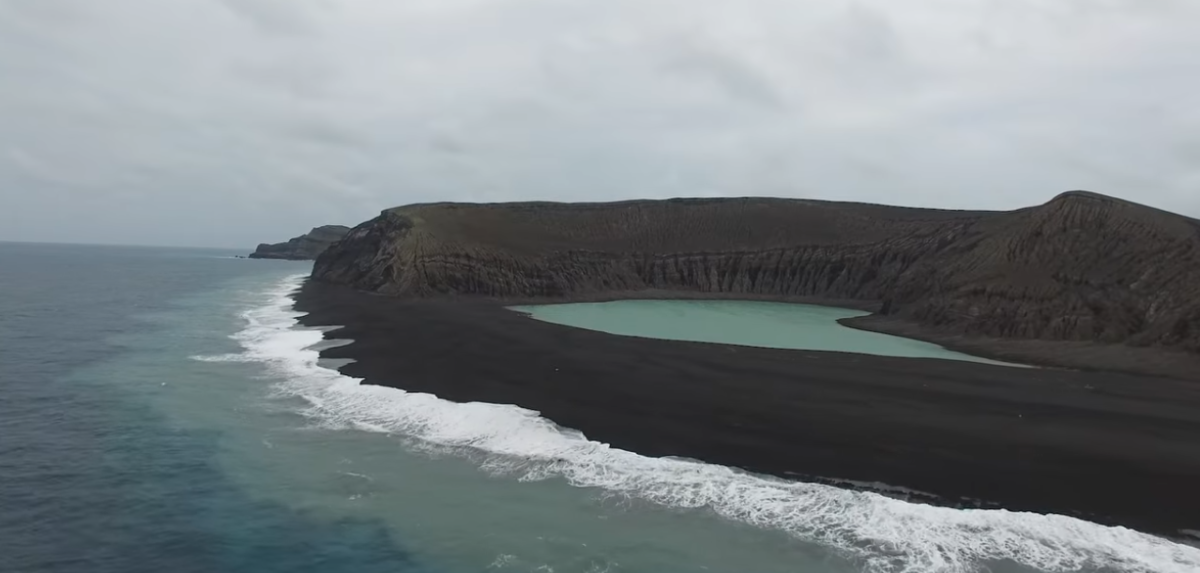
وكان ثوران بركان هونغا تونغا-هونغا هاآباي في تونغا عام 2022 مثالًا واضحًا على قوة هذه الظواهر، إذ أدى إلى موجات تسونامي واسعة النطاق، ونتجت عنه موجات ضغط جوي وصلت إلى ارتفاعات كبيرة، ما جعله أحد أقوى الأحداث البركانية الحديثة.

وأشار الباحثون إلى أن بعض الفوهات المكتشفة حديثا تقع في مناطق قد تكون مهمة لفهم المخاطر البركانية تحت سطح البحر، خاصة تلك الموجودة في بيئات تكتونية معقدة أو بالقرب من سلاسل جبلية بحرية.

ويؤكد العلماء أن الهدف ليس فقط إنشاء قائمة جديدة بالبراكين المخفية، بل تطوير طريقة قابلة للتحديث تساعد في بناء خريطة عالمية أكثر شمولًا للنشاط البركاني تحت المحيطات.

aimarsvolcanoes
الخبر متوفّر باللغات التالية:English
المصدر الأصلي للخبر
البيان

From Mars to the ocean floor: Artificial intelligence discovers 73 hidden volcanoes

July 16, 2026·Al Bayan
From Mars to the ocean floor: Artificial intelligence discovers 73 hidden volcanoes


Artificial intelligence capabilities are no longer limited to data analysis or space exploration; they have become a new tool for uncovering Earth’s secrets. A team of scientists used an intelligent algorithm trained to detect volcanic craters on Mars, and were surprised to find 73 previously unknown volcanic craters at the bottom of the oceans.

This discovery opens a new window into understanding the hidden volcanic activity beneath the seas for thousands of years, as most volcanic activity on Earth occurs far from human eyes in the depths of the sea. Researchers believe that these findings could help create a more accurate picture of underwater volcanic activity and improve the ability to assess the risks associated with such natural phenomena.

How did artificial intelligence help find hidden volcanoes?

Led by volcanologist Andrea Veroleno from Paris-Saclay University in France, researchers relied on an advanced algorithm to analyze large amounts of data about the ocean floor topography. The algorithm was originally designed to identify volcanic craters on Mars, but it also proved capable of detecting similar geological shapes beneath Earth’s waters.

The algorithm started by examining more than 87,000 potential underwater formations before the large number of results was filtered to exclude non-volcanic configurations. After scientific review, the team came up with a list of 78 possible volcanic craters, including five that were previously known and 73 that are potentially new discoveries, according to sciencealert.

A hidden world of volcanoes under the oceans

Although images of volcanoes usually evoke images of fiery mountains on land, most volcanic activity on Earth occurs at the bottom of the ocean. There, tectonic plates are constantly moving apart, collide or slide over each other, allowing magma to rise and form new volcanoes.

These underwater eruptions are often relatively calm, especially along mid-ocean ridges, but they can sometimes turn into violent events capable of causing widespread effects.

The eruption of Hunga Tonga–Hunga Ha'apai in Tonga in 2022 was a clear example of the power of these phenomena. It caused large-scale tsunami waves and generated pressure waves that reached great heights, making it one of the most powerful volcanic events in recent times.

The researchers noted that some of the newly discovered craters are located in areas that could be important for understanding underwater volcanic risks, especially those found in complex tectonic environments or near marine mountain ranges.

Scientists emphasize that the goal is not only to create a new list of hidden volcanoes, but also to develop an updatable method for building a more comprehensive global map of underwater volcanic activity.

aimarsvolcanoes
This article is also available in:العربية
Original source article
Al Bayan