نادرًا ما يُعثر على نينتندو جيم كيوب القادرة على تشغيل أقراص CD و DVD بأقل من 1000 دولار اليوم
24 أغسطس 2026·إنجاجيت
نادرًا ما يُعثر على نينتندو جيم كيوب القادرة على تشغيل أقراص CD و DVD بأقل من 1000 دولار اليوم

هذه وحدة تحكم غريبة.

بقلم ويل شانكلين 24 آب/أغسطس، 2026 2:30 مساءً بتوقيت شرق الولايات المتحدة ألعاب الفيديو والأنمي / إيباي

سبب احتفاظ ألعاب نينتندو جيم كوب بأسعارها اليوم هو أنها لم تكن بالضبط منتجًا شائعًا، مقارنة بوحدات التحكم الأخرى لنينتندو. لماذا كان ذلك؟ حسنًا، يعود ذلك جزئيًا إلى أن بلاي ستيشن 2 كانت لديها ما لا تملكه جيم كوب: مشغل دي في دي مدمج. من ضغط السوق ولد جهاز باناسونيك Q. بينما لم يُطلق هذا المزيج الغريب بين وحدة تحكم جيم كوب/مشغل الدي في دي إلا بالكاد، أدى ندرته إلى حياة ثانية كعنصر لجمع النخبة.

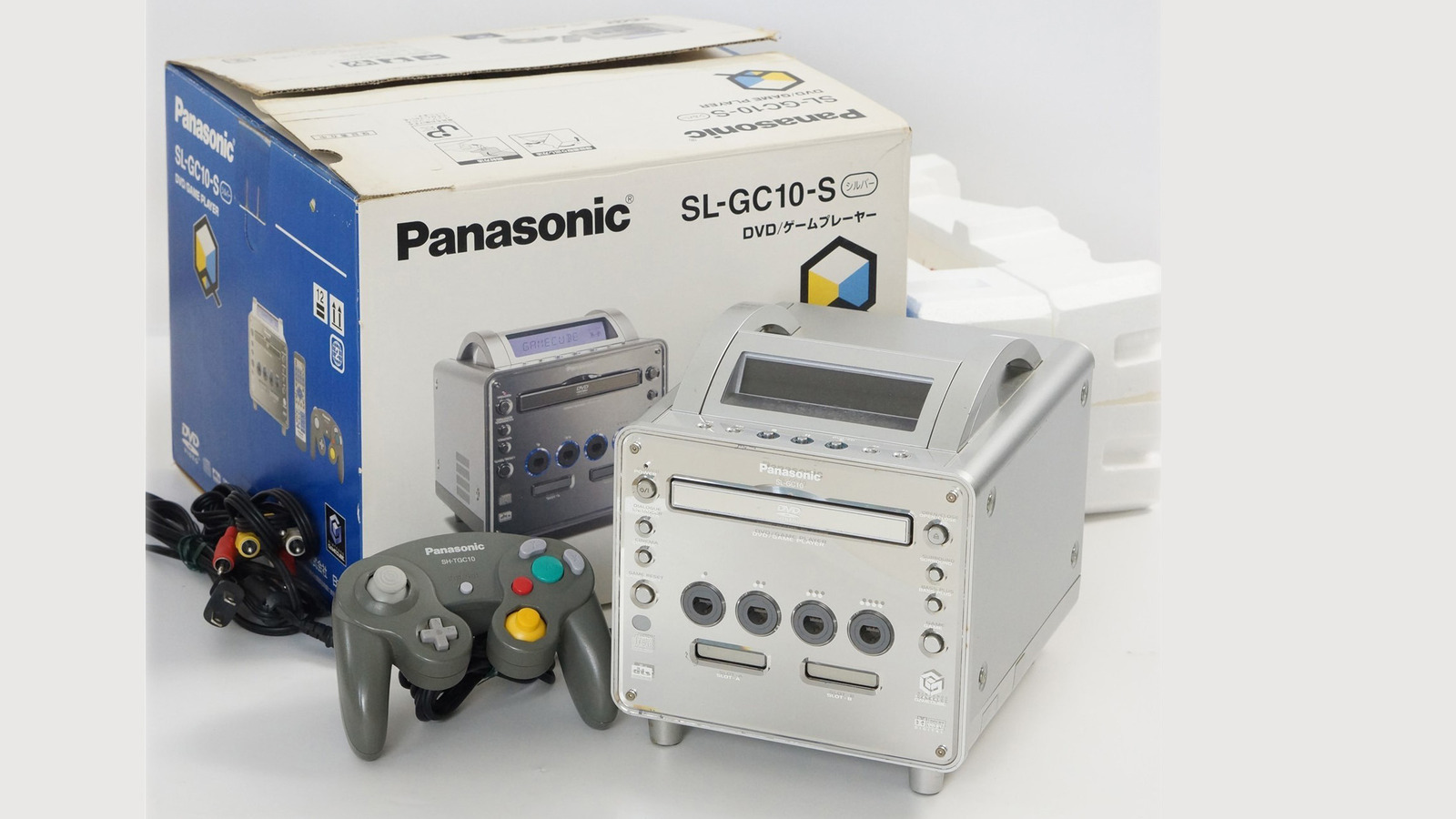
وصلت وحدة التحكم باناسونيك SL-GC 10، المعروفة على نطاق واسع باسم باناسونيك Q، في ديسمبر/كانون الأول 2001، بعد ثلاثة أشهر من إطلاق نينتندو جيم كوب في اليابان. بدا الجهاز أقل تشبهًا بوحدة تحكم نينتندو وأكثر تشبهًا بمعدات مسرح منزلي، حيث كان له لوحة أمامية عاكسة، وشاشة كريستال سيائلة مضاءة من الخلف وموانئ ذات إضاءة زرقاء. إذا كنت تبحث عن تصميم إلكترونيات استهلاكية نموذجي لعام 2001، فلا تبحث أكثر من ذلك.

نشأت الشراكة الغريبة بين علامة باناسونيك التجارية وألعاب نينتندو من علاقة قائمة مسبقًا بين الشركتين. اتضح أن شركة ماتسوشيتا (التي تعد باناسونيك في الأساس اليوم) ساعدت في تصميم تنسيق الدي في دي المدمج لجيم كوب. يبدو من المرجح أن نينتندو رأت ثغرة الدي في دي في استراتيجية وحدة التحكم الخاصة بها وقررت أن تخاطر.

مكعب ألعاب لزمن أقراص DVD
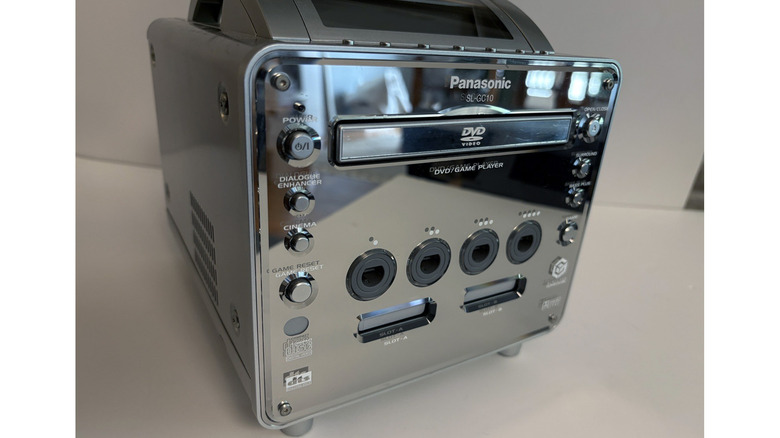
لقطة مقربة من الجزء الأمامي لنظام باناسونيك Q. bittyenterprizes / eBay

كان نظام باناسونيك Q مزيجًا غريبًا. حيث كان مشغل الأقراص الآلي الخاص به يقبل أقراص مكعب الألعاب، وأقراص DVD، وأقراص CD الصوتية. وقد أخذت الشركة جزء مسرح المنزل على محمل الجد. حيث كان لدى نظام Q وضع السينما لمعالجة الصور، إلى جانب ميزات صوتية مثل الدوبلي الرقمي (Dolby Digital)، و DTS (أنظمة المسرح الرقمية) للصوت المحيطي، ومُعزز الحوار، وباس بلاس.

لابد أن ميزات مسرح منزلي كانت لطيفة حقًا لألعاب مثل سوبر ماريو شيناي أو ميترويد برايم. للأسف، لا. وذلك لأن ميزات مسرح Q المنزلي تم فصلها عن وحدة التحكم في الألعاب. كان الصوت المخصص للألعاب مقتصرًا على الاتصالات التناظرية القياسية الخاصة بجهاز Gamecube. حتى أن هناك زرًا ماديًا للتبديل يدويًا بين الوضعين لأنه لم يكن يتغير تلقائيًا بناءً على نوع القرص. عندما حان وقت التبديل، كان النظام يقوم فعليًا بإيقاف تشغيل جانب واحد وإعادة تشغيل الجانب الآخر.

جاءت Q أيضًا مع ملحقات تحمل علامة باناسونيك تعكس ازدواجية المنتج. هناك وحدة تحكم رمادية في Gamecube مع شعار باناسونيك للألعاب، ولوحة تحكم عن بعد رمادية مطابقة لجهاز DVD. لم يكن هذا جهازًا هجينًا بقدر ما كان جهازين منفصلين من شركتين يتشاركان نفس الهيكل. أوه، يا أوائل العقد الأول من القرن الحادي والعشرين، كم نشتاق إليكم.

بعيدًا عن الخارج، لم يكن نصف Q المخصص للألعاب مختلفًا عن Gamecube القياسي. يمكنك إدخال سوبر سماش بروس. ميليه أو ماريو كارت: دابل داش!! والاستمتاع بتجربة متطابقة مع صديقك الذي يمتلك النسخة العادية. كان لديه منافذ نفسية، وفتحات لبطاقات الذاكرة، وتوافق كامل مع مكتبة Gamecube (على الرغم من أن النماذج غير المعدلة كانت مقيدة جغرافيًا لليابان).

أدى التصميم الصناعي الغريب إلى تنازل واحد: لم يتناسب مشغل "جيم بوي" مع "نينتندو غيم كيوب". كان هذا الملحق الاختياري، الذي يسمح لك بلعب ألعاب "جيم بوي"، و"جيم بوي كولور"، و"جيم بوي أدفانس"، يُثبت تحت نظام "نينتندو". ولكن نظرًا لأن قاعدة "Q" كانت مختلفة، كان على "باناسونيك" إصدار نسخة معدلة من مشغل "جيم بوي" مصممة خصيصًا لوحدة التحكم الغريبة اللامعة الخاصة بها.

على الرغم من كل هذه الجهود، واجهت "باناسونيك Q" صعوبة في جذب جمهور - ويرجع ذلك في الغالب إلى أنها كانت باهظة الثمن. تم إصدارها في اليابان بسعر 39,800 ين (حوالي 313 دولارًا أمريكيًا في ذلك الوقت) - كان هذا مبلغًا كبيرًا لمنتج غريب كهذا. على الرغم من أن سعر الإطلاق الياباني لجهاز "PS2" كان مطابقًا، إلا أن وحدة التحكم الخاصة بشركة "سوني" وصلت قبل ذلك بحوالي عامين، وكانت قد جذبت جمهورًا ضخمًا بالفعل، وجعلت مشغل "دي في دي" نقطة بيع رئيسية. ناهيك عن أنه لم يكن عليك إعادة تشغيل وحدة التحكم للتبديل بين الوضعين. تم شحن العديد من الوحدات المعدلة المستوردة إلى الخارج، لكن "Q" لم يتم إطلاقها خارج اليابان.

قطعة نادرة من تاريخ الألعاب
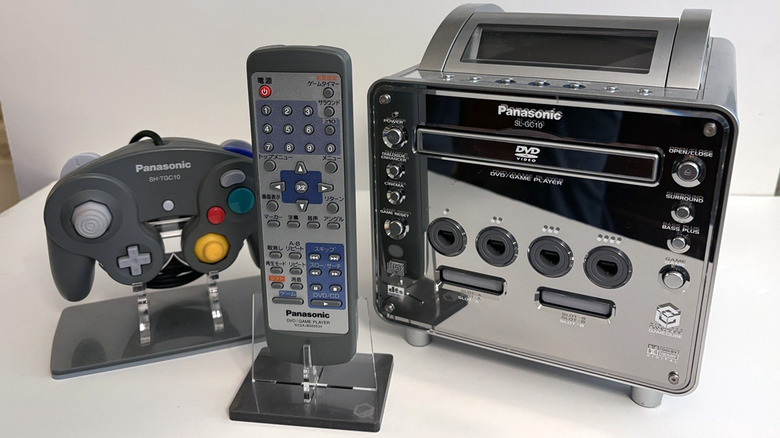
جهاز ألعاب باناسونيك Q مع جهاز تحكم عن بعد ولوحة تحكم. bittyenterprizes / eBay

وهذا يعيدنا إلى وضعها كقطعة تجميلية اليوم. بسبب كل ذلك، لا توجد العديد من أجهزة باناسونيك Q في البرية اليوم. لذلك عندما تظهر في أماكن مثل إيباي، يمكن أن تجلب الكثير من المال. تُباع الأجهزة بشكل عام في نطاق 1200 إلى 1300 دولار. يمكن للنماذج التي تحتوي على التغليف الأصلي والوثائق أن تتجاوز 2000 دولار. لم يكن المنتج أسطوريًا، ولكن بالنسبة لأولئك الذين تمسكوا بواحد منها، انتهى بهم الأمر كاستثمار جيد.

من المناسب تمامًا أن يكون أحد غريب أجهزة الألعاب التي تم صنعها أيضًا له واحدة من أغرب القصص: النجاح الأكبر كقطعة تجميلية في عشرينيات القرن العشرين أكثر من أي وقت مضى كمنتج استهلاكي.

GameCubeconsoleretro
الخبر متوفّر باللغات التالية:English
المصدر الأصلي للخبر
إنجاجيت

The only GameCube that could play CDs and DVDs is rarely found below $1,000 today

August 24, 2026·Engadget
The only GameCube that could play CDs and DVDs is rarely found below $1,000 today

This is one strange console.

By Will Shanklin Aug. 24, 2026 2:30 pm EST Hit-Japan Video Games and Anime / eBay

One reason GameCube games hold their value so well today is that, compared to other Nintendo consoles, it wasn't exactly a hot seller. Why was that? Well, it's partly because the PS2 had what the GameCube didn't: a built-in DVD player. Out of that market pressure was born the Panasonic Q. While this oddball GameCube/DVD player hybrid barely got off the ground, its scarcity has led to a second life as a niche collector's item.

The Japan-only Panasonic SL-GC 10, widely known as the Panasonic Q, arrived in December 2001, three months after the Nintendo GameCube debuted in Japan. Looking less like a Nintendo console and more like a home-theater appliance, the Q had a reflective front panel, a backlit LCD and ports with a blue glow. If you want quintessential 2001 consumer electronics design, look no further.

The oddball pairing of Panasonic branding with Nintendo gaming stemmed from an existing relationship between the two companies. It turns out Panasonic's then-parent company, Matsushita (which is essentially Panasonic today), helped design the GameCube's optical miniDVD format. It seems likely Nintendo saw the gaping DVD hole in its console strategy and decided to roll the dice.

A GameCube for the DVD era

Closeup of the front of the Panasonic Q system. bittyenterprizes / eBay

The Panasonic Q was a bizarre mashup. Its motorized disc tray accepted GameCube discs, DVDs and audio CDs. The company took the home theater part seriously. The Q had a Cinema mode for picture processing, along with audio features like Dolby Digital, DTS (Digital Theater Systems) for surround sound, Dialogue Enhancer and Bass Plus.

Those home theater features sure must have been nice for games like Super Mario Sunshine or Metroid Prime, right? Unfortunately, no. That's because the Q's home theater features were split off from the game console. Game audio was limited to the GameCube's standard analog connections. There was even a hardware button to manually switch between the two modes because it wouldn't change automatically based on the disc type. When it was time to switch, the system effectively powered down one side and restarted the other.

The Q also came with Panasonic-branded accessories reflecting the product's duality. There's a gray GameCube controller with Panasonic branding for games and a matching gray remote control for the DVD player. This wasn't so much a hybrid device as it was two distinct machines from two companies sharing the same chassis. Oh, early oughts, how we miss you.

Setting aside the exterior, the gaming half of the Q was no different from a standard GameCube. You could pop in Super Smash Bros. Melee or Mario Kart: Double Dash!! and have an identical experience to your friend with the regular version. It had the same controller ports, memory card slots and full compatibility with the GameCube library (although unmodified models were region-locked to Japan).

The weird industrial design did lead to one tradeoff: the GameCube's Game Boy Player didn't fit. The optional accessory, which let you play Game Boy, Game Boy Color and Game Boy Advance games, lodged underneath Nintendo's system. But because the Q's base was different, Panasonic had to release a modified version of the Game Boy Player designed for its shiny, weird console.

Despite all of that effort, the Panasonic Q struggled to find an audience — mostly because it was damn expensive. It launched in Japan at ¥39,800 (roughly $313 at the time) — a lot of money for such an oddball product. Although that matches the PS2's Japanese launch price, Sony's console arrived nearly two years earlier, had already built a huge audience and made the DVD player a central selling point. Not to mention, you didn't have to reboot your console to switch between the two modes. Plenty of modded imported units made it overseas, but the Q never launched outside of Japan.

A rare piece of gaming history

A Panasonic Q game console with remote and controller. bittyenterprizes / eBay

And that brings us back to its collectible status today. Because of all that, there just aren't that many Panasonic Qs in the wild today. So when they do turn up on places like eBay, they can fetch a pretty penny. Loose consoles generally sell in the $1,200 to $1,300 range. Models with the original packaging and paperwork can surpass $2,000. It wasn't a legendary product, but for those who held on to one, it ended up being a good investment.

It's only fitting that one of the weirdest game consoles ever made also has one of the strangest stories: being more successful as a 2020s collector's item than it ever was as a consumer product.

GameCubeconsoleretro
This article is also available in:العربية
Original source article
Engadget