ناسا تبدأ تمويل الأجهزة الخاصة بمهمة المروحية المريخية Skyfall
10 يوليو 2026·اليوم السابع
ناسا تبدأ تمويل الأجهزة الخاصة بمهمة المروحية المريخية Skyfall

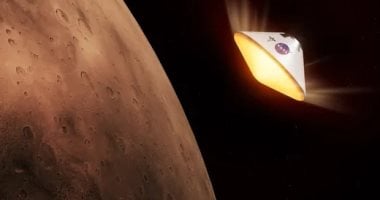
تصل مهمة ناسا النووية إلى المريخ إلى شكلها النهائي مع اختيار شركة فايرفلاي إيروسبيس لتصميم وتصنيع الغلاف الجوى الواقى الذي سيحمي مرحلة هبوط Skyfall الفضائية أثناء هبوطها السريع عبر الغلاف الجوي للمريخ، ومن المقرر إطلاق أول مسبار نووي بين الكواكب تابع لناسا، في عام 2028 بثلاث مروحيات.

وفقا لما ذكره موقع "space"، يدير المهمة مختبر الدفع النفاث التابع لناسا في كاليفورنيا، والذي منح فايرفلاي مؤخرًا عقدًا فرعيًا بقيمة 13 مليون دولار أمريكي لتصنيع مكونات المركبة الفضائية.

سيكون هذا أول مشروع للشركة يتم تطويره في منشأتها الموسعة في تكساس بجلووركس، وسيعتمد على الخبرة الهندسية المكتسبة من مركبة الهبوط القمرية بلو جوست وصاروخي ألفا وإكليبس التابعين لفايرفلاي.

تفاصيل تجهيز مهمة Skyfall

ويشمل تصميم الغلاف الهوائي لـ"فايرفلاي" الدرع الحراري وغطاءها الخلفي لكبسولة " Skyfall"، مما يوفر لها الحماية الحرارية اللازمة من الغلاف الجوي المريخي، والخصائص الديناميكية الهوائية التي تُمكنها من الخروج بأمان ودقة من فراغ الفضاء.

كما أنه بدلاً من إنزال طائراتها المروحية الثلاث على سطح المريخ، ستطلقها مهمة Skyfall أثناء هبوطها، لتنطلق فوراً في سماء المريخ وتبدأ مهمتها في مسح موارده، وتطلق ناسا على هذه العملية اسم "مناورة Skyfall".

تهدف المهمة إلى إثبات جدوى أجهزة التنقيب المحمولة على متن الطائرات المروحية، وتخطط ناسا لاستخدام هذه البيانات لاستكشاف الجليد المائي على سطح المريخ، ودراسة مواقع الهبوط المحتملة للبعثات المأهولة مستقبلاً.

بعد أن تُكمل شركة "فايرفلاي" تطوير غلافها الخارجي في شركة "جلووركس"، سينتقل العمل إلى "مزرعة الصواريخ" التابعة للشركة في بريجز بتكساس، حيث سيبدأ تصنيعه واختباره قبل نقله إلى مختبر الدفع النفاث (JPL) لدمجه في المركبة الفضائية.


NASASkyfallmars
الخبر متوفّر باللغات التالية:English
المصدر الأصلي للخبر
اليوم السابع

NASA begins funding for the Mars helicopter mission Skyfall's equipment

July 10, 2026·Youm7
NASA begins funding for the Mars helicopter mission Skyfall's equipment

NASA's nuclear mission to Mars is taking shape with the selection of Firefly Aerospace to design and build the protective atmosphere that will shield the Skyfall spacecraft's landing stage during its rapid descent through the Martian atmosphere. NASA's first interplanetary nuclear probe, scheduled for launch in 2028, will have three rotors.

According to "space" website, the mission is being managed by NASA's Jet Propulsion Laboratory in California, which recently awarded Firefly a $13 million subcontract to manufacture components of the spacecraft.

This will be the company's first project developed at its expanded facility in Texas, Glovebox. It will rely on engineering expertise gained from Firefly's Blue Ghost lunar landing vehicle and Alpha and Eclipse rockets.

Details of Skyfall mission equipment

Firefly's atmospheric design includes the thermal shield and rear cover for the "Skyfall" capsule, providing it with the necessary thermal protection from the Martian atmosphere. It also has dynamic aerodynamic characteristics that enable it to safely and accurately exit the vacuum of space.

Instead of landing its three rotorcraft on Mars' surface, Skyfall will launch them during its descent, allowing them to immediately take off into the Martian sky and begin their mission to survey resources. NASA calls this process "Skyfall Maneuver."

The mission aims to prove the feasibility of portable digging devices on board helicopters, and NASA plans to use this data to explore water ice on Mars' surface, as well as study potential landing sites for future manned missions.

After FireFly completes its outer shell development at Glovix, work will move to the company's "Rocket Farm" in Bridge City, Texas, where it will begin manufacturing and testing before being transported to NASA's Jet Propulsion Laboratory (JPL) to be integrated into the spacecraft.

NASASkyfallmars
This article is also available in:العربية
Original source article
Youm7