ناسا تحتفل بالذكرى الرابعة لجيمس ويب بأكثر صورة تفصيلية لـ سنتوروس أي حتى الآن
7 يوليو 2026·إنجاجيت
ناسا تحتفل بالذكرى الرابعة لجيمس ويب بأكثر صورة تفصيلية لـ سنتوروس أي حتى الآن

مجرة سنتراو إس، على عكس المجرات القريبة منها، لديها الكثير من النشاط.

بقلم مارييلا مون 7 يوليو 2026 8:01 ص EST الصورة: ناسا، إيسا، سي أس أي، ستسكاي آي؛ معالجة الصور: أليسا باجان (ستسكاي آي)، جوزيف دي باسكوال (ستسكاي آي)، ماكارينا غارسيا مارين (مكتب إيسا في ستسكاي آي)

مرت تقريبًا أربع سنوات منذ نشرت ناسا أول صورة التقطها تلسكوب جيمس ويب الفضائي، والتي أظهرت حادّة وأعمق صورة للكون البعيد التي التقطناها على الإطلاق. والآن، أصدرت الوكالة الصور الأكثر تفصيلاً التي رأيناها على الإطلاق لمجرة سنتراو إس، وهي مجرة مألوفة تم التقاطها سابقًا بواسطة تلسكوبات الفضاء الأقدم التابعة لناسا. "تشير هذه الصور إلى أربع سنوات من أداء أفضل مما كان متوقعًا وعمليات علمية ناجحة لأقوى تلسكوب فضائي في التاريخ"، كتبت ناسا في إعلانها.

مجرة سنتراو إس، التي تقع على بعد حوالي 11 مليون سنة ضوئية من كوكبنا، لديها الكثير من النشاط، على عكس المجرات القريبة الأخرى. تحتوي على ثقب أسود فائق الكتلة في مركزها، يتغذى على المواد المحيطة به ويصدر كميات هائلة من الطاقة أثناء قيامه بذلك. تمتلك المجرة أيضًا بنية غير عادية بسبب تصادم كبير مع مجرة أخرى قبل حوالي 2 مليار عام. كل ذلك يجعل مجرة سنتراو إس الكائن المثالي للملاحظة من أجل فهم كيفية تطور المجرات والثقب السوداء معًا.

ومع ذلك، فقد حجب مراقبة تلسكوب هابل للضوء المرئي طبقات سميكة من الغبار التي تغطي المجرة. وتمكن تلسكوب ناسا سبيتزر الفضائي من التقاط هياكلها الكبيرة في الضوء تحت الحمراء، لكن لم يتمكن من التقاط نجومها الفردية.

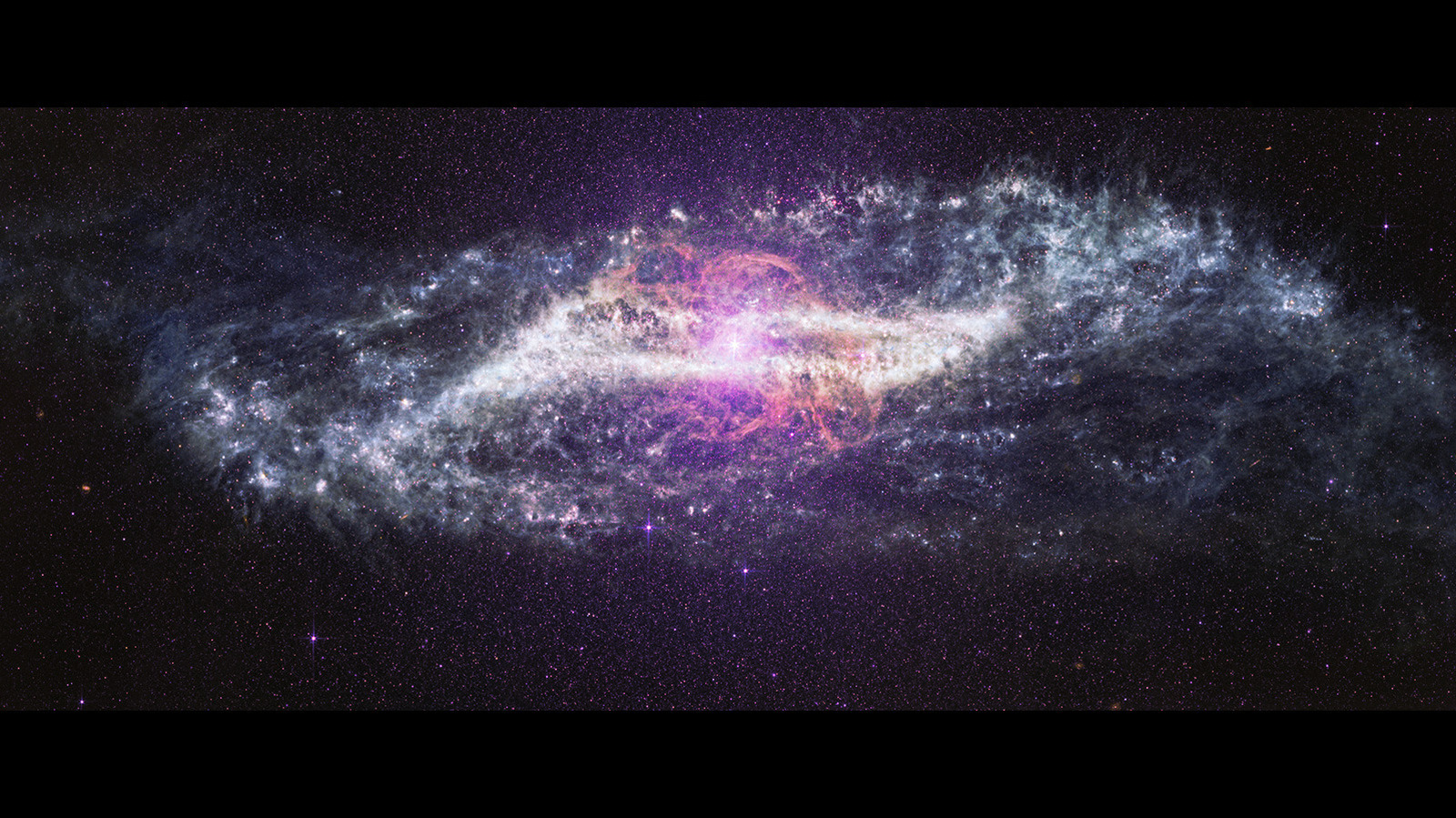
والآن تمكن ميري (معدات الأشعة تحت الحمراء المتوسطة) لتلسكوب جيمس ويب من التقاط حتى التفاصيل الصغيرة لهياكل الغبار الغنية بالنجوم، كما ترون في الصورة أعلاه. وتظهر النقاط اللامعة ذات اللون الأحمر-البنفسجي النجوم أو مناطق تكوين النجوم الغنية بالغبار، حيث تقوم النجوم القديمة بإسقاط المواد وحيث يتم تشكيل نجوم جديدة. وأدرجت ناسا جولة موجهة لصورة ميري، حتى تتمكن من الحصول على فكرة أفضل عما تنظر إليه.

وأصدرت الوكالة أيضًا صورة تظهر المنظور المدمج من أدوات ميري ونيركام (الكاميرا القريبة من الأشعة تحت الحمراء) لتلسكوب جيمس ويب، والتي يمكنكم رؤيتها أدناه. وتقول ناسا إن العلماء يمكنهم الآن دراسة نجم سنتروس أ من نجمة إلى أخرى لإعطائهم البيانات التي يحتاجونها ليكونوا قادرين على تشكيل خط زمني لتطور المجرة.

صورة لمجرةناسا
NASAJames Webbtelescope
الخبر متوفّر باللغات التالية:English
المصدر الأصلي للخبر
إنجاجيت

NASA celebrates James Webb's fourth anniversary with the most detailed image of Centaurus A yet

July 07, 2026·Engadget
NASA celebrates James Webb's fourth anniversary with the most detailed image of Centaurus A yet

The Centaurus A galaxy, unlike other galaxies nearby, has a lot of activity.

By Mariella Moon July 7, 2026 8:01 am EST Image: NASA, ESA, CSA, STScI; Image Processing: Alyssa Pagan (STScI), Joseph DePasquale (STScI), Macarena Garcia Marin (ESA Office at STScI)

It's been almost four years since NASA had released the first image captured by the James Webb Space Telescope, showing the sharpest and "deepest" image of the distant universe we've ever taken. Now, the agency has released the most detailed images we've ever seen of the Centaurus A, a familiar galaxy that had previously been captured on cam by NASA's older space telescopes. "These images mark four years of better-than-anticipated performance and successful science operations for the most powerful space telescope in history," NASA wrote in its announcement.

Centaurus A, which is located around 11 million light-years away from our planet, has a lot of activity, unlike other nearby galaxies. It has a supermassive black hole at the center, feeding on the materials around it and releasing enormous amounts of energy as it does. The galaxy also has an unusual structure because of a major collision with another galaxy some 2 billion years ago. All those make Centaurus A the perfect object to observe in order to understand how galaxies and black holes evolve together.

However, the Hubble telescope's visible light observations were blocked by thick layers of dust covering the galaxy. NASA's Spitzer Space Telescope was able to capture its large structures in infrared light, but not its individual stars.

Now, James Webb's MIRI (Mid-Infrared Instrument) was able to capture even small details of the galaxy's rich dust structures, as you can see in the image above. The glowing reddish-purplish dots show dust-rich stars or stellar nurseries, which is where old stars are shedding materials and where new stars are forming. NASA has included a guided tour for the MIRI image, so you can get a better idea of what you're looking at.

The agency has also released an image showing the combined view from MIRI and James Webb's NIRCam (Near-Infrared Camera) instruments, which you can see below. With these images, NASA says scientists can now study Centaurus A star by star to give them the data they need to be able to form a timeline for the galaxy's evolution.

A photo of a galaxyNASA
NASAJames Webbtelescope
This article is also available in:العربية
Original source article
Engadget