هل تستحق أجهزة التلفزيون من نوع OLED قيمة العلامة التجارية في عام 2026؟
19 يوليو 2026·إنجاجيت
هل تستحق أجهزة التلفزيون من نوع OLED قيمة العلامة التجارية في عام 2026؟

هل تفضل شاشة أو إل سي دي الأرخص؟ الأمر يعتمد.

بقلم جيسون شنايدر 19 يوليو 2026، 9:30 ص EST TY Lim/Shutterstock

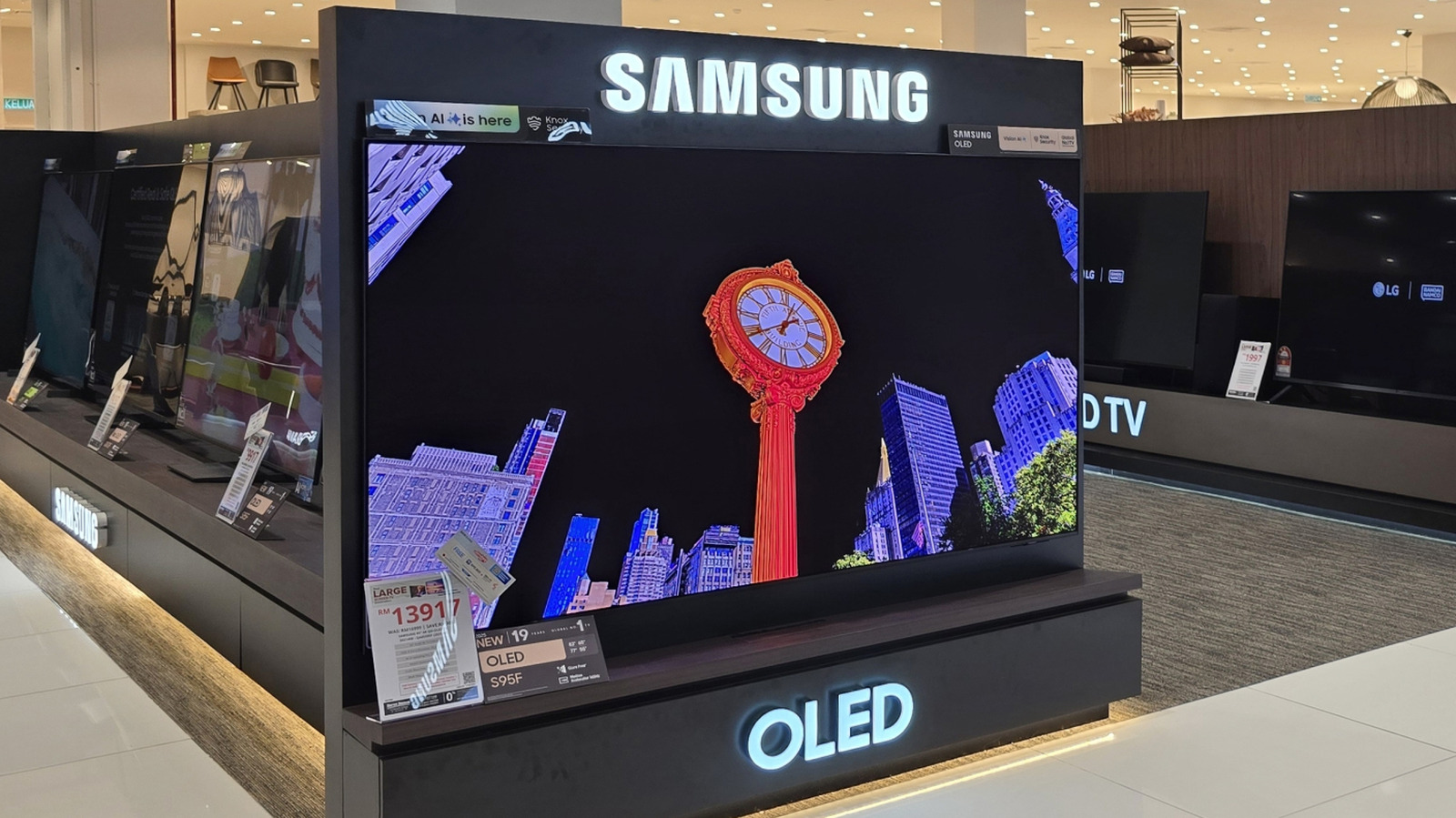
في عام 2026، يتفق العديد من خبراء التكنولوجيا أن شاشات أو إل إي دي من بين أفضل ما يمكن شراؤه. هذا منطقي: تشتهر هذه التقنية بتوفيرها تناقض ممتاز في الألوان مع أسود غني وأحمر، بالإضافة إلى استجابة البكسل المذهلة. في الواقع، مع استمرار تطوير تقنيات أو إل إي دي على الجبهة التكنولوجية، نشهد شاشات أكثر إشراقًا وحيوية مع كل جيل. فقط انظر إلى إطلاق شاشة إل جي العام الماضي. ومع ذلك، لا يزال من الصحيح أن شاشات أو إل إي دي غالبًا ما تكون أغلى من تقنيات الألواح الأخرى. لذا يطرح هذا السؤال: هل تستحق "ضريبة أو إل إي دي"؟ الإجابة هي في الغالب "نعم"، ولكن هناك بعض التفاصيل الدقيقة.

على الرغم من أن شاشات أو إل إي دي غالبًا ما تعتبر العرض الراقي، إلا أن تقنية الألواح الأخرى الرائدة (أو إل سي دي) حققت بعض التقدم الكبير لتقريب أدائها من ألواح أو إل إي دي. مع بدء شاشات "مينى إل إي دي" ومناطق "التخميد المحلي" المحسنة في أن تصبح أكثر شيوعًا، يمكن لألواح أو إل سي دي أن تشعر بأنها أو إل إي دي بشكل متزايد. وغالبًا ما يمكنها القيام بذلك بسعر أقل. اعتمادًا على مدى حداثة شاشتك، يمكن لشاشة أو إل سي دي أيضًا أن توفر لك بعض الفوائد التي لا يمكن لشاشات أو إل إي دي توفيرها، مثل المزيد من السطوع الخام وأقل عرضة لتأثير حرق الصورة المروع.

لماذا تستحق أجهزة التلفزيون OLED السعر المرتفع حتى الآن؟
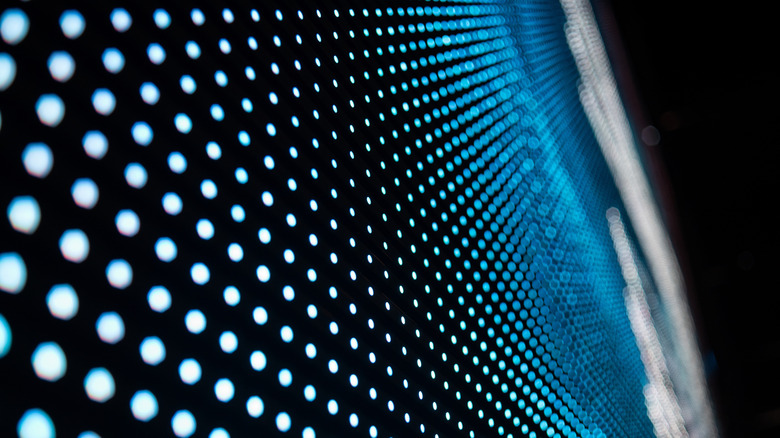
تصوير تقريبي، توضيحي لتكنولوجيا OLED على شاشة التلفزيون AlexanderLipko/Shutterstock

تتميز أجهزة التلفزيون OLED بخصائص تجعلها شاشات رائعة لمشاهدة التلفاز والأفلام. أولاً، نظرة سريعة حول كيفية عمل هذه التقنية، لأن ذلك يساعد في تفسير سبب كونها تستحق المال الإضافي. تعني اختصار OLED "ثنائي الأكسيد العضوي الصادر عن الضوء"، مما يشير إلى أن كل بكسل في الشاشة ينتج ضوءه الخاص. وهذا يعني أن التلفزيون يختار ملف تعريف اللون ومستوى الإضاءة لكل بكسل بشكل فردي. قارن ذلك مع أجهزة التلفزيون LCD، وهي التقنية الأكثر شيوعًا الأخرى، والتي لا تحتوي على بكسلات صادرة عن الضوء، ولكنها تستخدم مصدر إضاءة خلفية منفصل يمر عبر طبقات من البكسلات المرشحة للضوء. أحد الأسباب التي تجعل هذا المصدر الخلفي يواجه مشكلة في توفير الدقة أو التباين في اللون الذي توفره أجهزة التلفزيون OLED هو أنه لا يحتوي علىتحكم بكسل بكسل. باختصار، يجب أن يضيء منطقة أكبر بكثير، خلف العديد من البكسلات في وقت واحد.

ما يعنيه هذا عملياً هو أن شاشة OLED يمكنها عرض نطاق أوسع من الظلال والألوان، حتى تصل إلى الأسود الصارخ ببساطة عن طريق إطفاء بكسل تماماً. يتيح هذا التحكم لشاشات OLED أوقات استجابة أسرع حقاً، مما يجعلها خيارًا مثاليًا للألعاب أو المحتوى السريع مثل الرياضة أو أفلام الحركة. وأخيرًا، لأن لوحات OLED أكثر تكلفة في التصنيع من LCD، فإن العلامات التجارية غالبًا ما تضعها في نماذجها الرائدة، مما يعني أنك ستحصل على أنظمة تشغيل عالية الجودة وخيارات اتصال حديثة وتصاميم رقيقة وأنيقة. تم عرض جميع هذه الميزات المميزة في أحدث الإصدارات من معرض الإلكترونيات الاستهلاكية (CES) هذا العام. قد يكون كل هذا جديرًا بالاهتمام بالنسبة لك، اعتمادًا على أسلوب المشاهد الذي أنت عليه.

متى يستحق الأمر توفير بعض المال على لوحة مختلفة
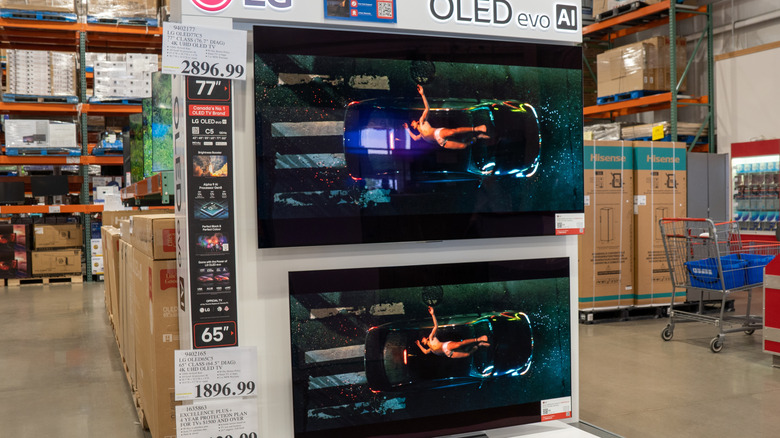
عرض متجر يضم أجهزة تلفزيون LG OLED evo AI. واحد منها بشاشة مقاس 77 بوصة بسعر 2,896.99 دولارًا. vietanh85/Shutterstock

الجانب الآخر من تلك العملة هو أن لوحات OLED باهظة الثمن بشكل موضوعي، وقد لا تكون ذلك تستحق الأمر للجميع. إذا قررت الذهاب إلى لوحة LCD متوسطة المستوى أو حتى بسعر الميزانية، فكيف يمكنها مواكبة أداء OLED؟ لقد فعل المصنعون شيئًا واحدًا لجعل أجهزة LCD أقرب إلى أجهزة OLED وهو إعطاء مكون الإضاءة الخلفية المزيد من الدقة في قدراتها. هذه هي "مناطق التعتيم المحلية"، التي تحدثنا عنها أعلاه، وتقدم العديد من أجهزة LCD الفاخرة عددًا أكبر من هذه المناطق حتى تتمكن لوحة LCD من الحصول على دقة أفضل للألوان ورسومات أكثر قتامة في أقسام أصغر من الشاشة.

حتى لو لم تختار شاشة LCD فائقة الجودة، هناك بعض الفوائد المتأصلة في هذه التكنولوجيا. أولاً، مستويات السطوع الأعلى التي تقيسها شاشات LCD تجعلها أسهل في الرؤية في غرف المعيشة المضاءة جيدًا أو حتى في الأماكن الخارجية. على الرغم من أن مشكلة "حرق" شاشات OLED لم تعد كما كانت مع الأجيال الأولى، إلا أنه لا يزال هناك علم يدعم أن شاشات OLED أكثر عرضة للتلف الدائم إذا تركت المحتوى الثابت المعروض لفترة طويلة جدًا. لذا، إذا كنت تشاهد الكثير من الرياضة أو الأخبار مع الرسوم البيانية على الشاشة التي لا تتحرك، فقد يكون استخدام شاشة LCD جيدة أفضل للراحة النفسية. في نهاية المطاف، فإن ما تحصل عليه مقابل أموالك في جهاز التلفزيون هو أمر مختلط. ليس كل أجهزة التلفزيون من نوع OLED هي الأفضل، ولكن معظم أجهزة OLED الرائدة تستحق المال إذا كانت جودة الصورة هي الميزة الأكثر أهمية بالنسبة لك.

OLEDTVspremium
الخبر متوفّر باللغات التالية:English
المصدر الأصلي للخبر
إنجاجيت

Are OLED TVs still worth the premium in 2026?

July 19, 2026·Engadget
Are OLED TVs still worth the premium in 2026?

Or should you stick with a cheaper LCD? It depends.

By Jason Schneider July 19, 2026 9:30 am EST TY Lim/Shutterstock

In 2026, many tech experts agree that OLED TVs are among the best you can buy. That makes sense: The technology is known for providing excellent color contrast with rich, inky blacks and impressive pixel response time. In fact, as OLEDs have continued to develop on the technology front, we're seeing brighter, more vibrant displays with every generation. Just look at last year's LG TV launch. However, it's still true that OLEDs can often cost more than other panel technology. So it raises the question: Is the "OLED tax" worth it? The answer is mostly "yes," but there's some nuance.

While OLED TVs are often seen as the premium offering, the other leading panel technology (LCD) has made some major advances to bring its performance closer to OLED panels. As "Mini-LED" screens and improved "local dimming zones" start to become more commonplace, an LCD panel can feel more and more like an OLED. And it can often do so at a lower price point. Depending on how new your TV is, an LCD could also give you some benefits that OLEDs can't, such as more raw brightness and less susceptibility to the dreaded image burn-in effect.

Why OLEDs are still worth the premium

A closeup, graphical depiction of OLED technology on a TV screen AlexanderLipko/Shutterstock

OLEDs have a lot under the hood that makes them truly impressive screens for watching TV and movies. First, a quick rundown on how the technology actually works, because that helps explain why it might just be worth the extra money. OLED stands for "organic light-emitting diode," which essentially refers to the fact that each pixel in a panel produces its own light. This means that the TV selects the color profile and the lighting level for each pixel, individually. Compare that with LCDs, the other most common tech, which do not have light-producing pixels, but instead employ a separate backlight that shines through layers of light-filtering pixels. One of the reasons this backlight has trouble providing the color accuracy or contrast that OLEDs can is because it doesn't have the pixel-by-pixel control. In short, it has to light up a much larger area, behind many pixels at a time.

What this means in practice is that an OLED screen can show a wider range of shades and colors, going all the way down to stark black simply by shutting a pixel completely off. This control also affords OLED screens with genuinely faster response times, making them an ideal choice for gaming or fast-paced content like sports or action films. Finally, because OLED panels are more expensive to manufacture than LCD, brands often put them into their flagship models, which means you'll get high-end operating systems, modern connectivity options and thin, sleek designs. These premium features were all shown in the latest launches from CES this year. This all may be worth it to you, depending on the style of viewer you are.

When it's worth saving a bit of money on a different panel

A store display featuring LG OLED evo AI TVs. One is a 77-inch screen priced at $2,896.99. vietanh85/Shutterstock

The other side of that coin is that OLED panels are objectively expensive, and that may not be worth it for everyone. If you do decide to go for a mid-tier or even budget-priced LCD panel, how can they keep up with the OLED's performance? One thing manufacturers have done to bring LCDs closer to OLEDs is to give the backlight component more precision in its lighting capabilities. These are the "local dimming zones," we touched on above, and many premium LCDs offer a greater number of these zones so that the LCD panel can get better color accuracy and darker graphics in smaller sections of the screen.

Even if you don't opt for a premium LCD panel, there are some inherent benefits in the tech. First, LCD displays' higher measured brightness levels make them easier to see in brightly lit living rooms or even outdoor spaces. Though OLED burn-in isn't nearly the issue it was with the earliest generations, there's still science to support that OLEDs are more prone to permanent damage if you leave too much static content displayed for too long. So if you watch a lot of sports or news with on-screen graphics that don't move, the peace of mind you'll get using a nice LCD panel might be a better fit. At the end of the day, where your dollars go on a TV is a mixed bag. Not all OLED TVs are the best, but most of the flagship OLEDs are worth the money if picture quality performance is the most important feature to you.

OLEDTVspremium
This article is also available in:العربية
Original source article
Engadget