iPhone Duo يحصل على قفل الوجه مع أحدث إصدار تجريبي من نظام التشغيل iOS 27.
16 نوفمبر 2026·إنجاجيت
iPhone Duo يحصل على قفل الوجه مع أحدث إصدار تجريبي من نظام التشغيل iOS 27.

لن تحتاج إلى انتظار تتش آي دي على هاتفك القابل للطي الذي يكلف 2000 دولار

بقلم فيليبي إسبوستو في 16 نوفمبر/تشرين الثاني، 2026 4:17 مساءً بتوقيت شرق الولايات المتحدة فيليبي إسبوستو لموقع Engadget أضف موقع Engadget إلى جوجل: Google Discover

يعد غياب التعرف على الوجه أحد الشكاوى الرئيسية التي عبر عنها المستخدمون بشأن هاتف iPhone Duo. وعلى الرغم من أن الشائعات تشير إلى أن الشركة قد تضيف كاميرا TrueDepth إلى الجيل الثاني من هاتفها القابل للطي في العام المقبل، إلا أنه يبدو أن لدى شركة آبل حلاً أكثر مباشرة لمعالجة هذه الشكاوى. أضافت الإصدار التجريبي الثاني من iOS 27.3، الذي تم إصداره للمطورين يوم الاثنين، خيارًا جديدًا لفتح قفل هاتف iPhone Duo باستخدام التعرف على الوجه عبر الكاميرا الأمامية.

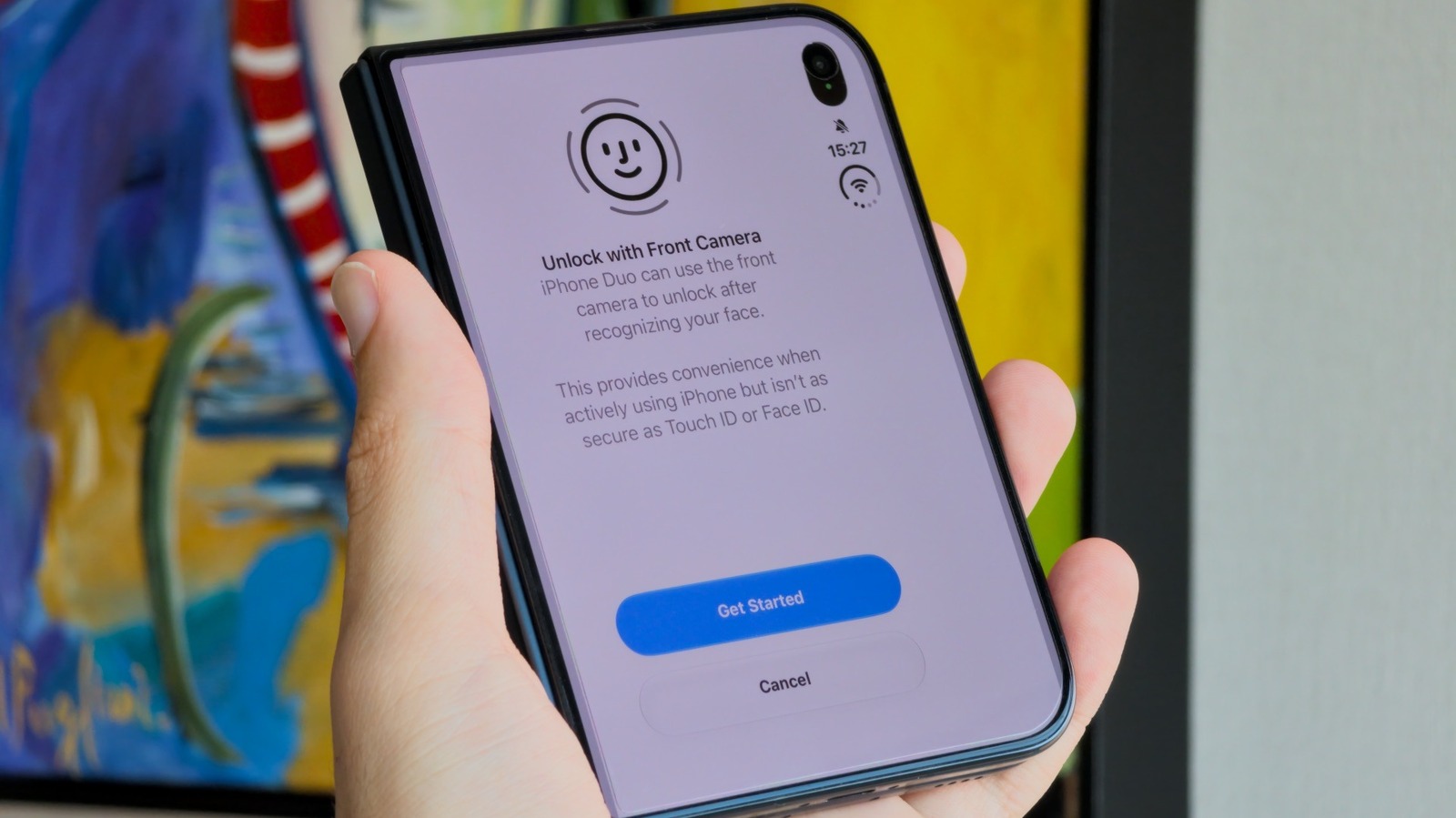
يُطلق على الميزة اسم "فك القفل باستخدام الكاميرا الأمامية" ويمكن تمكينها في إعدادات Touch ID و Passcode في تطبيق الإعدادات. أكد موقع Engadget أن الميزة تعمل على هاتف iPhone Duo الذي يعمل بالإصدار التجريبي - ولكن كيفية عملها مثيرة للاهتمام. على عكس معظم هواتف iPhone الحديثة، يفتقر هاتف Duo إلى كاميرا TrueDepth مع أجهزة الاستشعار العميقة التي يستخدمها التعرف على الوجه لتصوير الوجه في 3D. بدلاً من ذلك، يحتوي على كاميرات عادية على كل من الشاشة الخارجية والداخلية، والتي يُرجح أنها السبب الرئيسي في الاعتماد على Touch ID لفتح القفل.

وتوضح الميزة الجديدة في إصدار iOS 27.3 التجريبي ذلك - حيث تحذر شاشة الإعداد المستخدمين من أن الميزة "توفر الراحة" ولكنها "ليست آمنة مثل Touch ID أو Face ID". لا يزال من المبكر معرفة ذلك، لكن اختبارات Engadget تظهر أن الميزة تعمل بشكل جيد. تفتح الهاتف بشكل أسرع من Touch ID ولم يتم خداعها عندما تم توجيه صورة وجه المستخدم نحو الكاميرا. يبدو أنها تعمل أيضًا في ظروف الإضاءة المنخفضة، على الرغم من عدم عملها عند انعدام الضوء تمامًا.

بالطبع، وضعت آبل بعض القيود لضمان عدم استغلال الأشخاص الخبيثين للميزة الجديدة للتلاعب بهواتف iPhone الخاصة بالآخرين دون موافقتهم. تعمل فقط لتجاوز شاشة القفل، ولا يمكنك فتح التطبيقات أو عرض كلمات المرور أو استخدام Apple Pay باستخدام وجهك - لا يزال يلزم استخدام Touch ID للقيام بإجراءات أكثر حساسية. يؤدي عدم استخدام هاتفك لأكثر من 45 دقيقة إلى تعطيل ميزة فتح الهاتف باستخدام الكاميرا الأمامية بشكل مؤقت. لا تعمل الميزة أيضًا باستخدام العرض الداخلي لـ iPhone Duo، ولكن هذا يرجع على الأرجح إلى أن كاميرا الشاشة تحتية الدقة منخفضة للغاية.

يأتي هذا النهج مشابهًا لما فعلته آبل مع HomeView الذي أعلن عنه مؤخرًا. كما يفتقر إلى Face ID ويعتمد على شكل أبسط من التعرف على الوجه لتحديد من يستخدم الجهاز لعرض المحتوى الشخصي. يبدو أن آبل جلبت الآن نفس النظام إلى iPhone Duo. في مراجعتنا، وجدنا أن Touch ID الخاص بـ Duo دقيق ولكنه أبطأ قليلاً من المتوقع لفتح القفل. كما تضيف نفس النسخة تجربة إعداد لحماية Duo عند إغلاقه، بدلاً من نقل المحتوى إلى الشاشة الخارجية.

لم تذكر آبل موعد إصدار iOS 27.3 للجمهور، ولكن من المرجح أن يتم إطلاق التحديث في منتصف ديسمبر/كانون الأول. حاليًا، لا يمكن الوصول إليه سوى للمطورين واختبارات النسخ التجريبية.

iPhoneiOSface unlock
الخبر متوفّر باللغات التالية:English
المصدر الأصلي للخبر
إنجاجيت

The iPhone Duo gets face unlock with the latest iOS 27 beta.

November 16, 2026·Engadget
The iPhone Duo gets face unlock with the latest iOS 27 beta.

You won't need to wait for TouchID on your $2,000 foldable.

By Filipe Espósito Nov. 16, 2026 4:17 pm EST Filipe Espósito for Engadget Add Engadget on Google: Google Discover

The lack of Face ID is one of the main complaints users have had about the iPhone Duo. And while rumors suggest that the company might add a TrueDepth camera to the second generation of its foldable phone next year, it seems that Apple has a more immediate solution to address these complaints. The second beta of iOS 27.3, released to developers on Monday, adds a new option to unlock the iPhone Duo with facial recognition using its front-facing camera.

The feature is called "Unlock with Front Camera" and can be enabled in the Touch ID & Passcode settings in the Settings app. Engadget confirmed that the feature works on an iPhone Duo running the beta — but how it works is quite intriguing. Unlike most modern iPhones, the Duo lacks a TrueDepth camera with the depth sensors that Face ID uses to map a face in 3D. Instead, it has regular cameras on both the outer and inner screens, which is likely the main reason it relies on Touch ID for unlocking.

And the new feature in iOS 27.3 beta makes this very clear — the setup screen warns users that the feature "provides convenience" but "isn't as secure as Touch ID or Face ID." It's still too early to tell, but Engadget's tests show that the feature works reasonably well. It unlocks faster than Touch ID and wasn't fooled when a photo of the user's face was pointed at the camera. It also seems to work in certain low-light conditions, though not when it's completely dark.

Of course, Apple has set some limits to ensure that malicious people don't take advantage of the new feature to tamper with others' iPhones without their consent. It only works to bypass the Lock Screen, and you can't unlock apps, view your passwords or use Apple Pay with your face — Touch ID is still required for more sensitive actions. Not using your phone for more than 45 minutes also temporarily disables Unlock with Front Camera. The feature doesn't work using the iPhone Duo's inner display either, but that's most likely because the under-display camera has a very low resolution.

The approach is very similar to what Apple did with the recently announced HomeView. It also lacks Face ID and relies on a simpler form of facial recognition to identify who is using the device in order to display personal content. It seems that Apple has now brought the same system to the iPhone Duo. In our review, we found the Duo's Touch ID accurate but a bit slower to unlock than expected. The same beta also adds a setting to lock the Duo when it's closed, instead of moving content to the outer display.

Apple hasn't said when iOS 27.3 will be released to the public, but the update is likely to be rolled out sometime mid-December. For now, only developers and beta testers have access to it.

iPhoneiOSface unlock
This article is also available in:العربية
Original source article
Engadget