عواصف الشمس تضرب أمان الجو.. خطر الإشعاع يهدد الطائرات
16 أغسطس 2026·البيان
عواصف الشمس تضرب أمان الجو.. خطر الإشعاع يهدد الطائرات

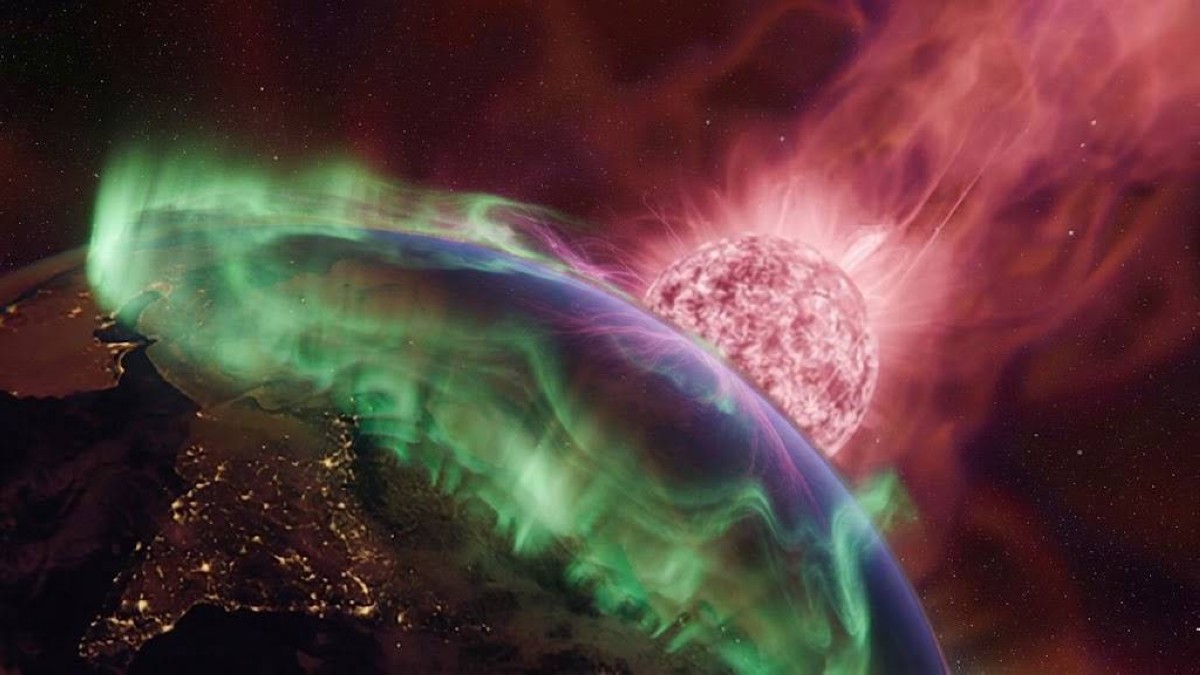
حذّرت دراسة حديثة أجراها باحثون في مركز الفضاء بجامعة سري البريطانية من أن العواصف الشمسية الشديدة قد تشكل خطرا غير متوقع على سلامة الطائرات وركابها، من خلال رفع مستويات الإشعاع عند ارتفاعات التحليق، إلى جانب احتمال تأثير الجسيمات عالية الطاقة في بعض الأنظمة الإلكترونية على متن الطائرة.

ونُشرت الدراسة في دورية Journal of Space Weather and Space Climate عام 2026، وركزت على تأثير الطقس الفضائي الشديد في بيئة الطيران، خصوصا أن الطائرات التجارية تحلق عادة على ارتفاع يتراوح بين 8 و14 كيلومترا، حيث تكون الحماية التي يوفرها الغلاف الجوي من الإشعاع الكوني أقل مقارنة بسطح الأرض.

وفي الظروف المعتادة، تظل مستويات الإشعاع عند هذه الارتفاعات ضمن نطاق يمكن التعامل معه، لكن العواصف الشمسية القوية قد ترفعها بصورة حادة. وخلال عاصفة شمسية وقعت في 11 نوفمبر 2025، سجل فريق جامعة سري ارتفاعا مؤقتا في مستويات الإشعاع على ارتفاع يقارب 40 ألف قدم، لتصل إلى نحو 10 أضعاف مستويات الخلفية الطبيعية.

ورغم أن هذه العاصفة لم تشكل خطرا صحيا مباشرا على الركاب، يحذر الباحثون من أن عواصف شمسية أكبر بكثير قد تؤدي إلى مستويات إشعاعية أكثر إثارة للقلق.

وتستند الدراسة في تقديرها إلى أقوى حدث معروف من هذا النوع، والذي وقع عام 1956. وتظهر النماذج التي استخدمها الباحثون أن التحليق خلال عاصفة مماثلة كان يمكن أن يعرّض المسافر لجرعة من الإشعاع تعادل تقريبا ما يتلقاه من الإشعاع الكوني المرتبط بالطيران على مدار عام كامل، ولكن خلال رحلة واحدة.

اضطرابات قد تصيب إلكترونيات الطائرات

ولا يقتصر الخطر على الركاب، إذ يمكن للجسيمات عالية الطاقة الناتجة عن النشاط الشمسي أن تصطدم بالمكونات الإلكترونية للطائرات، وتتسبب في ما يُعرف باضطرابات الأحداث الفردية (SEUs)، وهي أخطاء إلكترونية قد تؤدي إلى تغيير قيمة بت (Bit) داخل ذاكرة أو دائرة إلكترونية.

وتشير الدراسة إلى أن معدل هذه الاضطرابات قد يرتفع بصورة كبيرة خلال الأحداث الشمسية الشديدة. وخلال عاصفة نوفمبر 2025، قدرت أبحاث جامعة سري أن معدل الأخطاء في بعض الأنظمة كان يمكن أن يصل إلى نحو 60 خطأً في الساعة لكل غيغابايت من الذاكرة، مقارنة بمعدلات أقل بكثير في الظروف المعتادة.

ولا يعني ذلك أن خطأً إلكترونيا واحدا سيؤدي بالضرورة إلى تعطل الطائرة، لكن ارتفاع معدل هذه الاضطرابات خلال العواصف الشمسية الشديدة قد يزيد احتمالات حدوث أخطاء مؤقتة في بعض الأنظمة.

الرحلات القطبية الأكثر تعرضا

وتكتسب هذه المخاطر أهمية خاصة في الرحلات التي تمر بالقرب من القطبين، مثل الرحلات بين لندن وفانكوفر، حيث يكون تأثير المجال المغناطيسي للأرض في حماية الطائرات من الجسيمات عالية الطاقة أضعف نسبيًا.

وخلال العواصف المغناطيسية الأرضية الشديدة، قد يمتد نطاق التأثير إلى مناطق أبعد من القطبين، بما فيها مناطق تقع جنوبًا مثل المملكة المتحدة.

لكن الباحثين لا يرون أن الحل يكمن في إيقاف الرحلات الجوية عند كل نشاط شمسي، بل في تطوير آلية أكثر دقة لتقييم مستوى الخطر.

مقياس جديد لرصد الخطر

وتشير الدراسة إلى أن أنظمة الإنذار الحالية، التي تعتمد على البروتونات منخفضة الطاقة، قد تنتج نحو 10 إنذارات كاذبة مقابل كل إنذار حقيقي، ما يجعل الاعتماد عليها وحدها لاتخاذ قرارات تشغيلية أمرًا غير مثالي.

ولهذا اقترح فريق جامعة سري مقياسا جديدا للإشعاع الجوي مخصصًا لقطاع الطيران، يعتمد على قياسات البروتونات عالية الطاقة في الفضاء، إلى جانب بيانات أجهزة رصد النيوترونات الأرضية الموجودة في مواقع، من بينها ليرويك وكامبورن.

وقد يساعد هذا النظام مستقبلا شركات الطيران والجهات المختصة على تحديد الإجراء المناسب وفق شدة العاصفة، بدءًا من زيادة المراقبة، مرورا بتغيير مسار الرحلة، وصولا إلى اتخاذ إجراءات أكثر تشددا خلال الأحداث الشمسية الاستثنائية.

ويؤكد الباحثون أن الهدف ليس إثارة القلق بشأن السفر الجوي، وإنما سد فجوة في أنظمة السلامة الحالية من خلال إدخال الطقس الفضائي ضمن العوامل التي يمكن أخذها في الاعتبار عند التخطيط للرحلات، خصوصًا مع تزايد اعتماد الطائرات الحديثة على الأنظمة الإلكترونية.

sunstormsspace_weatheraviation
الخبر متوفّر باللغات التالية:English
المصدر الأصلي للخبر
البيان

Solar storms strike the atmosphere; radiation hazard threatens aircraft

August 16, 2026·Al Bayan
Solar storms strike the atmosphere; radiation hazard threatens aircraft

A recent study by researchers at the British University of Surrey Space Centre has warned that severe solar storms could pose an unexpected risk to aircraft and passengers, by raising radiation levels at cruising altitudes, as well as the potential for high-energy particles to affect some on-board electronic systems.

The study was published in the Journal of Space Weather and Space Climate in 2026, and focused on the impact of severe space weather on aviation, especially since commercial aircraft typically fly at altitudes between 8 and 14 kilometers, where atmospheric protection from cosmic radiation is less than at ground level.

Under normal conditions, radiation levels at these altitudes remain within manageable limits, but powerful solar storms can sharply increase them. During a solar storm on November 11, 2025, the University of Surrey team recorded a temporary rise in radiation levels at an altitude of around 40,000 feet to about ten times background natural levels.

Although this storm did not pose a direct health risk to passengers, researchers warn that much larger solar storms could lead to more worrying radiation levels.

The study is based on the strongest known event of this type, which occurred in 1956. The models used by researchers show that flying through a similar storm could expose passengers to a dose of radiation almost equal to what they receive from cosmic radiation associated with flying for an entire year, but during one flight.

Airplane electronics may be disrupted

The danger is not limited to passengers; high-energy particles produced by solar activity can collide with airplanes' electronic components, causing so-called single event upsets (SEUs), which are electronic errors that could lead to a change in the value of a bit within memory or an electronic circuit.

The study indicates that the rate of these disruptions may increase significantly during severe solar events. During the November 2025 storm, research from Sri University estimated that the error rate in some systems could reach about 60 errors per hour per gigabyte of memory, compared to much lower rates under normal conditions.

This does not mean that a single electronic error will necessarily cause an airplane to malfunction; however, the increased rate of these disruptions during severe solar storms may increase the likelihood of temporary errors in some systems.

Polar flights are more exposed

These risks are particularly relevant for flights near the poles, such as those between London and Vancouver, where the Earth’s magnetic field has a weaker protective effect on aircraft from high-energy particles.

During severe geomagnetic storms, the range of this impact can extend beyond the polar regions to areas further south, including the United Kingdom.

However, researchers do not see the solution in stopping flights whenever there is solar activity. Instead, they advocate for a more precise mechanism to assess the level of risk.

A new scale for monitoring danger

The study indicates that current warning systems, which rely on low-energy protons, may produce around 10 false alarms for every real alarm. This makes relying solely on them for operational decisions suboptimal.

Therefore, a team from the University of Surrey has proposed a new air radiation scale specifically for the aviation sector. It is based on measurements of high-energy protons in space and data from ground neutron monitors located at sites including Lerwick and Camborne.

In the future, this system could help airlines and relevant authorities determine the appropriate action based on the severity of the storm, ranging from increased monitoring to changing flight paths or taking more drastic measures during exceptional solar events.

Researchers stress that the goal is not to raise concerns about air travel, but rather to fill a gap in current safety systems by incorporating space weather as a factor to be considered when planning flights, especially with modern aircraft becoming increasingly reliant on electronic systems.

sunstormsspace_weatheraviation
This article is also available in:العربية
Original source article
Al Bayan